
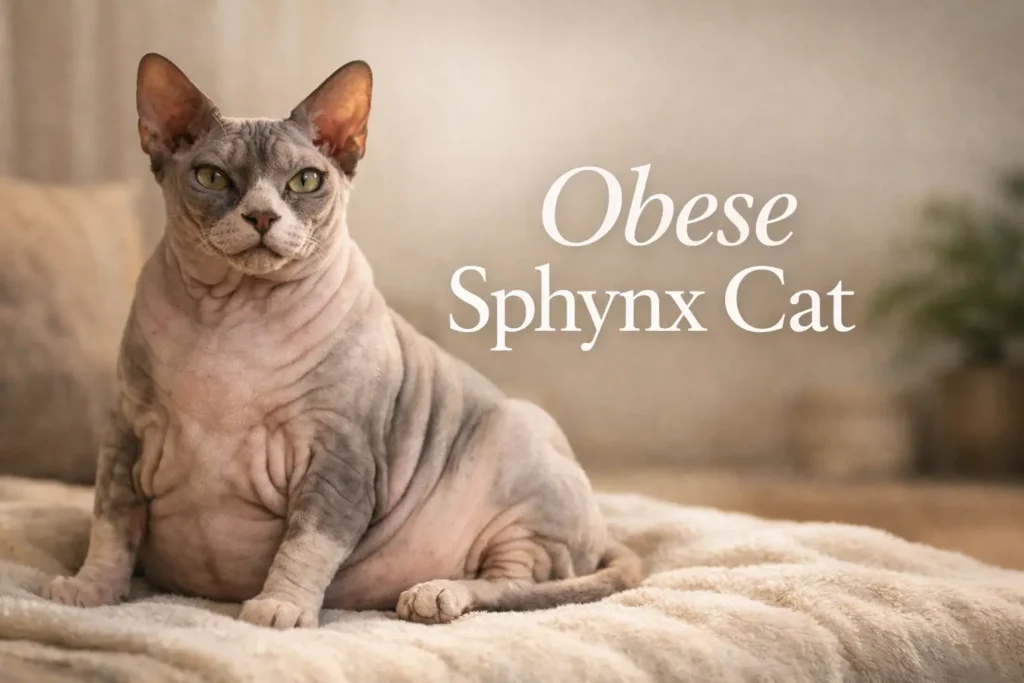
The Sphynx cat is one of the most recognizable and talked-about cat breeds in the world. Its hairless appearance, wrinkled skin, and expressive personality make it both fascinating and misunderstood. One topic that often comes up among owners is weight—especially when a cat starts looking like a “fat hairless cat” or what people casually call an obese sphynx cat.
Because Sphynx cats naturally have visible skin folds and rounded bellies, many owners struggle to tell the difference between normal body shape and unhealthy weight gain. This confusion can lead to overfeeding, lack of exercise, and eventually real health problems.
Pet Care Insight
This guide is based on widely accepted pet care practices, veterinary guidance, and common experiences shared by responsible pet owners. The goal is to provide practical, easy-to-follow advice that helps owners keep their pets healthy, comfortable, and well cared for.
Pet Overview
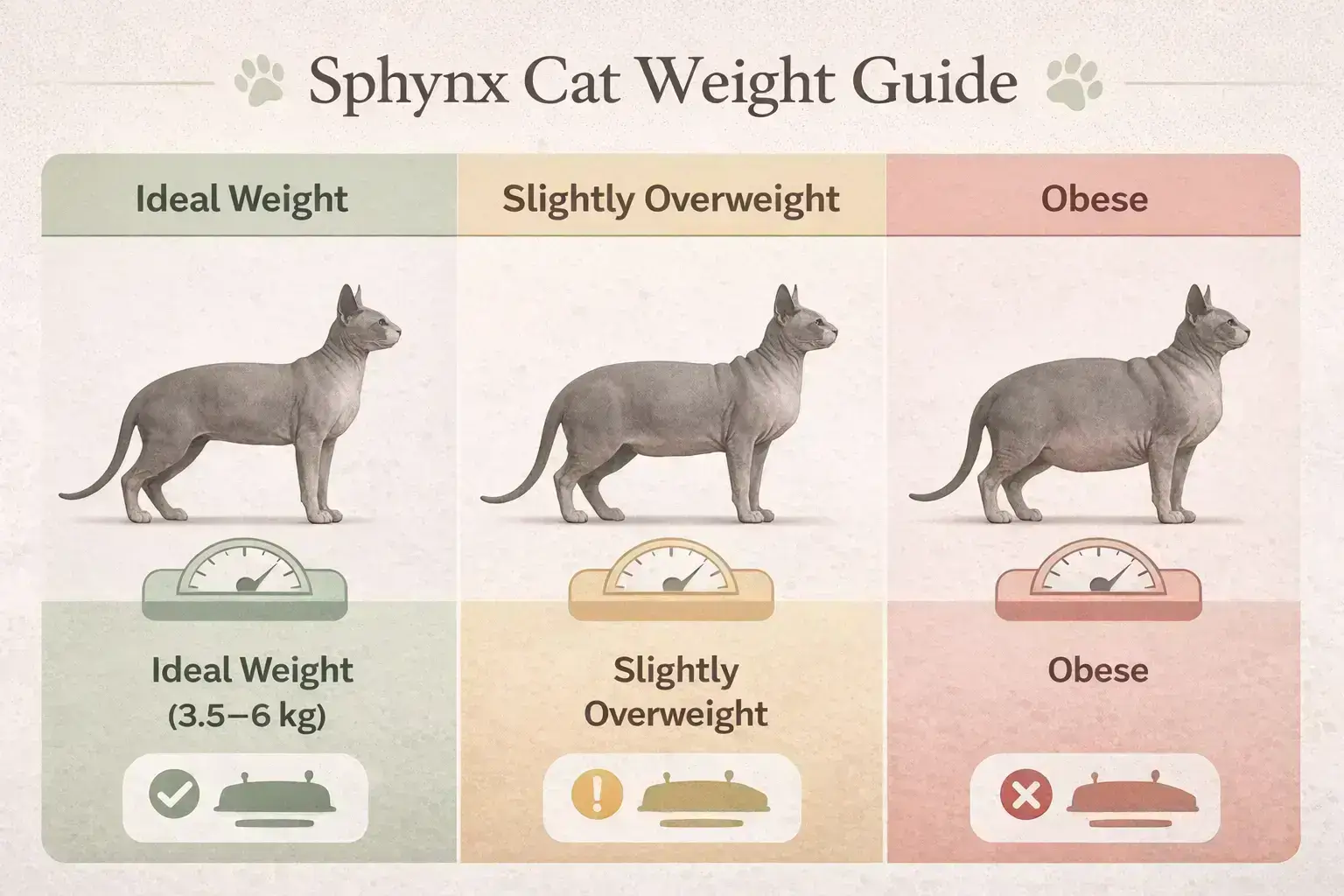
Compared to naturally stockier breeds like the British Shorthair Chinchilla cat, a Sphynx should maintain a lean, muscular body rather than excess fat.
Sphynx Cat Personality Traits
Sphynx cats are highly social, affectionate, and attention-seeking. They love human interaction and often behave more like dogs than typical cats.
Sphynx Cat Size And Weight
A healthy Sphynx cat weight usually falls between:
- 3.5 to 6 kg (8–13 lbs)
They may look “chubby” due to loose skin, but true obesity goes beyond appearance.
Sphynx Cat Lifespan And Health
- Lifespan: 8–14 years
- Prone to: heart conditions, skin issues, and weight gain if overfed
Sphynx Cat Family Compatibility
They are excellent with:
- children
- other pets
- multi-pet households
Their friendly nature makes them ideal indoor companions.
Daily Care Essentials
Feeding Routine Basics
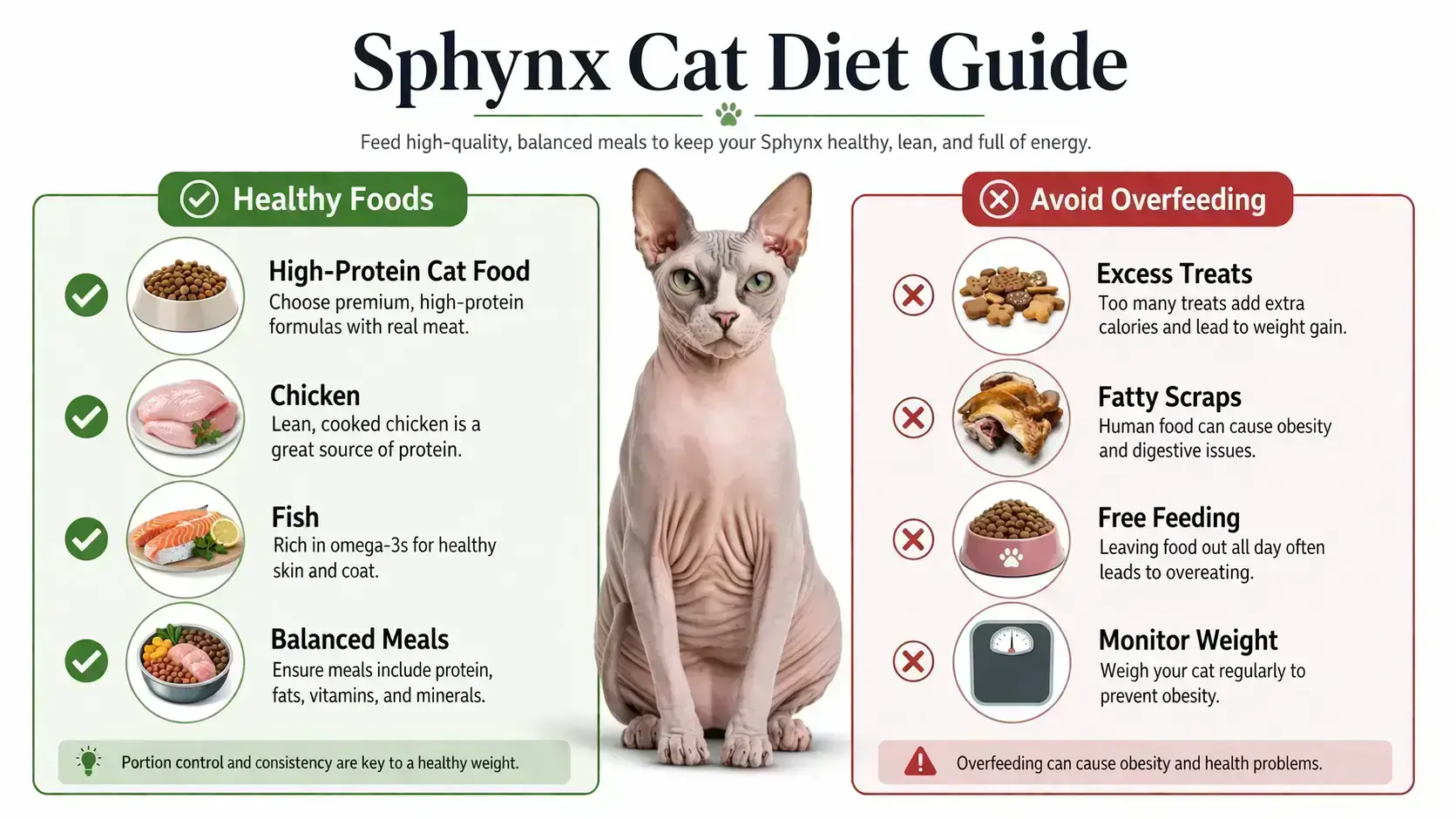
Sphynx cats have a fast metabolism, so they need:
- 2–3 balanced meals daily
- high-protein diet
- controlled portions
Overfeeding is a major cause of an obese sphynx.
Grooming And Skin Care
Despite being hairless, they require:
- weekly baths (oil buildup)
- ear cleaning
- nail trimming
Skin folds can trap dirt, especially in overweight cats.
Activity And Play Needs
Daily play is essential:
- 20–30 minutes active play
- climbing or jumping activities
- interactive toys
Social Interaction Needs
They crave attention. Lack of engagement can lead to:
- boredom
- overeating
- low activity levels
Diet & Nutrition Guide
Feeding Schedule By Age
Kittens:
- 3–4 small meals daily
- high-calorie kitten food
Adults:
- 2–3 meals daily
- controlled calorie intake
Seniors:
- lower calorie diet
- monitor weight closely
Portion Control And Weight Management
If you’re asking “is my sphynx overweight?” look for:
- no visible waist
- difficulty moving
- excessive belly fat beyond normal skin folds
Nutritional Needs
Focus on:
- high protein
- moderate fat
- low fillers
Avoid free-feeding, which often leads to a sphynx fat cat problem.
Safe Vs Unsafe Foods
Safe:
- cooked chicken
- fish (occasionally)
- high-quality cat food
Avoid:
- onions
- chocolate
- fatty scraps
Exercise & Mental Stimulation
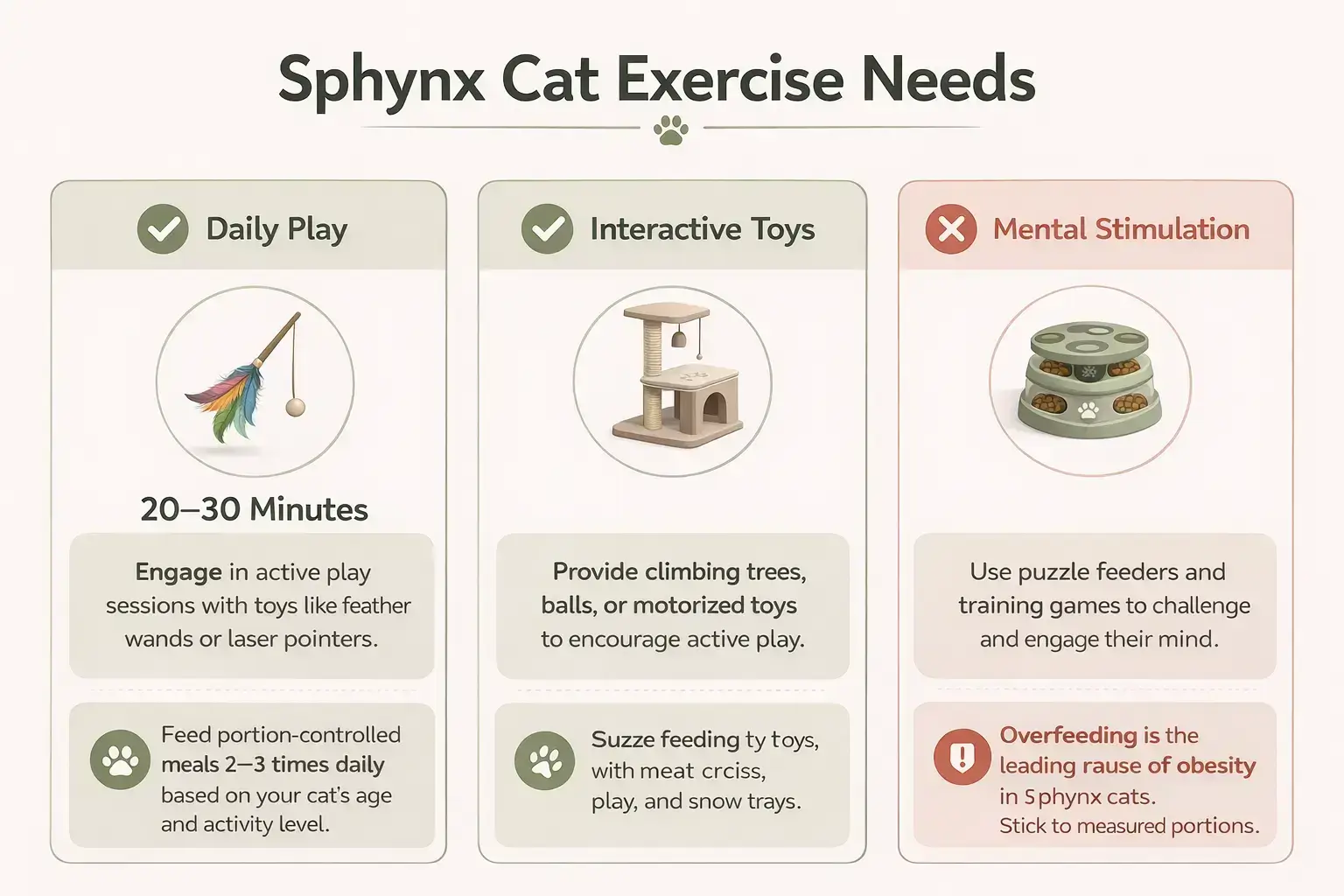
Unlike more relaxed breeds such as the Brown Ragdoll cat, Sphynx cats require higher daily activity to prevent weight gain.
Daily Activity Requirements
Sphynx cats are energetic and need:
- structured play sessions
- climbing opportunities
Highly active breeds like the Silver Bengal cat naturally burn more calories, which highlights why structured play is essential for Sphynx cats.
Indoor Play Ideas
- laser pointer games
- feather toys
- puzzle feeders
These reduce boredom-related eating.
Mental Enrichment Activities
- food puzzles
- hide-and-seek treats
- interactive play with owners
A bored Sphynx often becomes a chubby sphynx cat over time.
Training & Behavior Guidance
Basic Training Tips
Sphynx cats respond well to:
- positive reinforcement
- treats (in moderation)
- consistency
Socialization Strategies
Introduce early to:
- people
- other pets
- different environments
Preventing Overeating Behavior
- avoid constant treats
- use measured feeding
- engage in play before meals
Health & Climate Considerations
Poor diet and obesity can also impact oral health, and in severe cases, cats may require procedures—learn more in this detailed guide on cat tooth extraction recovery.
Weight-Related Health Risks
An obese hairless cat may face:
- joint strain
- heart issues
- reduced lifespan
Skin And Temperature Sensitivity
Sphynx cats are sensitive to:
- cold weather (need warmth)
- sun exposure (risk of burns)
Hydration Needs
Always provide:
- fresh water
- wet food occasionally
Common Problems & Troubleshooting
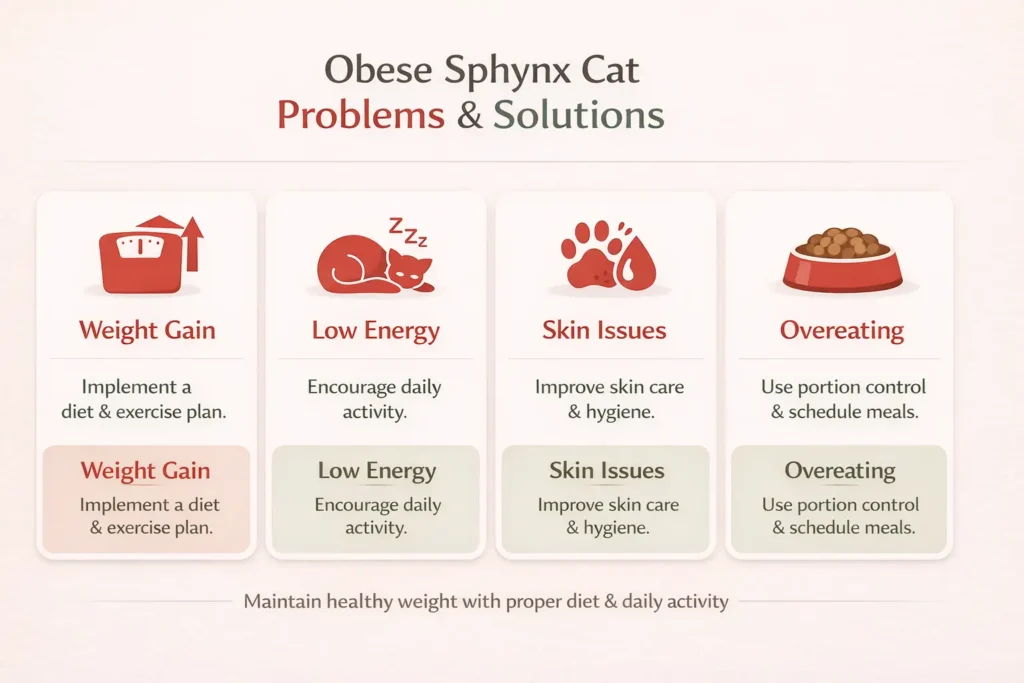
Excess Weight Gain
Cause:
- overfeeding
- lack of activity
Solution:
- measure food portions
- increase playtime
Prevention:
- regular weight checks
is a growing concern worldwide, and it’s widely recognized as a preventable health issue.
Misjudging Body Shape
Cause:
- natural belly folds mistaken for fat
Solution:
- feel ribs and waist
- consult a vet
Prevention:
- learn ideal sphynx cat size and weight
Low Energy And Laziness
Cause:
- obesity
- boredom
Solution:
- structured play routine
Prevention:
- daily engagement
Skin Issues In Overweight Cats
Cause:
- deeper folds trap dirt
Solution:
- frequent cleaning
Prevention:
- maintain healthy weight
Seasonal Pet Care Tips
Spring Care Tips
- increase activity after winter
- monitor shedding oils
Summer Care Tips
- avoid overheating
- provide cool resting areas
Fall Care Tips
- maintain consistent feeding routine
- adjust activity levels
Winter Care Tips
- provide warm bedding
- encourage indoor play
Additional Expert Tips
- Don’t rely on appearance alone—Sphynx cats naturally look rounded
- Avoid treating them like “always hungry” pets
- Regular vet checkups help track weight trends
- Social interaction reduces stress eating
- Keep a feeding schedule instead of free feeding
Conclusion
An obese sphynx cat isn’t just a cosmetic issue—it’s a health concern that can impact quality of life. Because this breed naturally looks different, it’s easy to overlook weight gain until it becomes serious.
The key is balance:
- controlled feeding
- daily activity
- regular monitoring
When cared for properly, a Sphynx cat stays active, playful, and healthy. Understanding their unique body structure helps you avoid common mistakes and give them the best possible life.
FAQs
-
How much should a sphynx cat weigh?
A healthy Sphynx cat typically weighs between 3.5 to 6 kg depending on size and gender.
-
How can I tell if my sphynx is overweight?
If you can’t feel the ribs easily or there’s no visible waist, your cat may be overweight.
-
Why does my sphynx cat look fat even when healthy?
Loose skin and belly folds are normal in this breed and can mimic fat.
-
How often should I feed my sphynx cat?
Adult Sphynx cats should be fed 2–3 measured meals per day.
-
Do sphynx cats gain weight easily?
Yes, especially if overfed or not given enough exercise.
-
Are obese sphynx cats at risk for health problems?
Yes, obesity can lead to heart issues, joint strain, and reduced lifespan.
-
Do hairless cats need more food than other cats?
They have a higher metabolism but still require portion control to avoid weight gain.




One Response