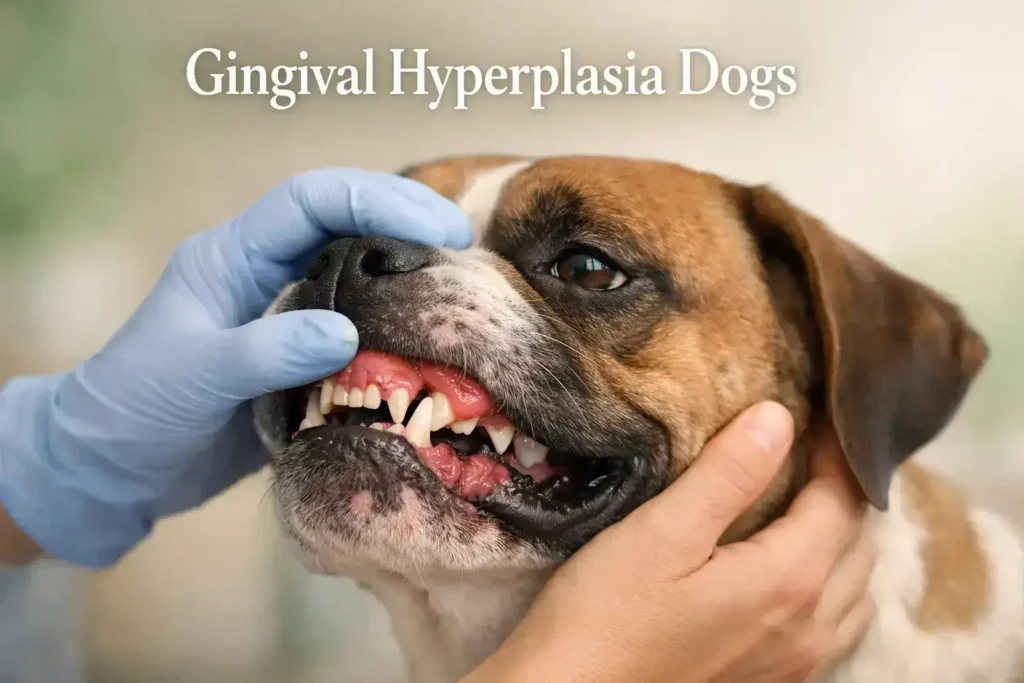
Gingival hyperplasia dogs is one of those dental issues many owners overlook until it starts affecting eating or breath. It’s often mistaken for simple gum swelling, but the causes and care are very different. Understanding it early can save your dog from pain, infection, and costly treatments later.
Veterinary references like the Merck Veterinary Manual explain that gum overgrowth is often linked to chronic inflammation and may require professional treatment.
Quick Summary
- Gingival hyperplasia in dogs is an overgrowth of gum tissue that can cover teeth
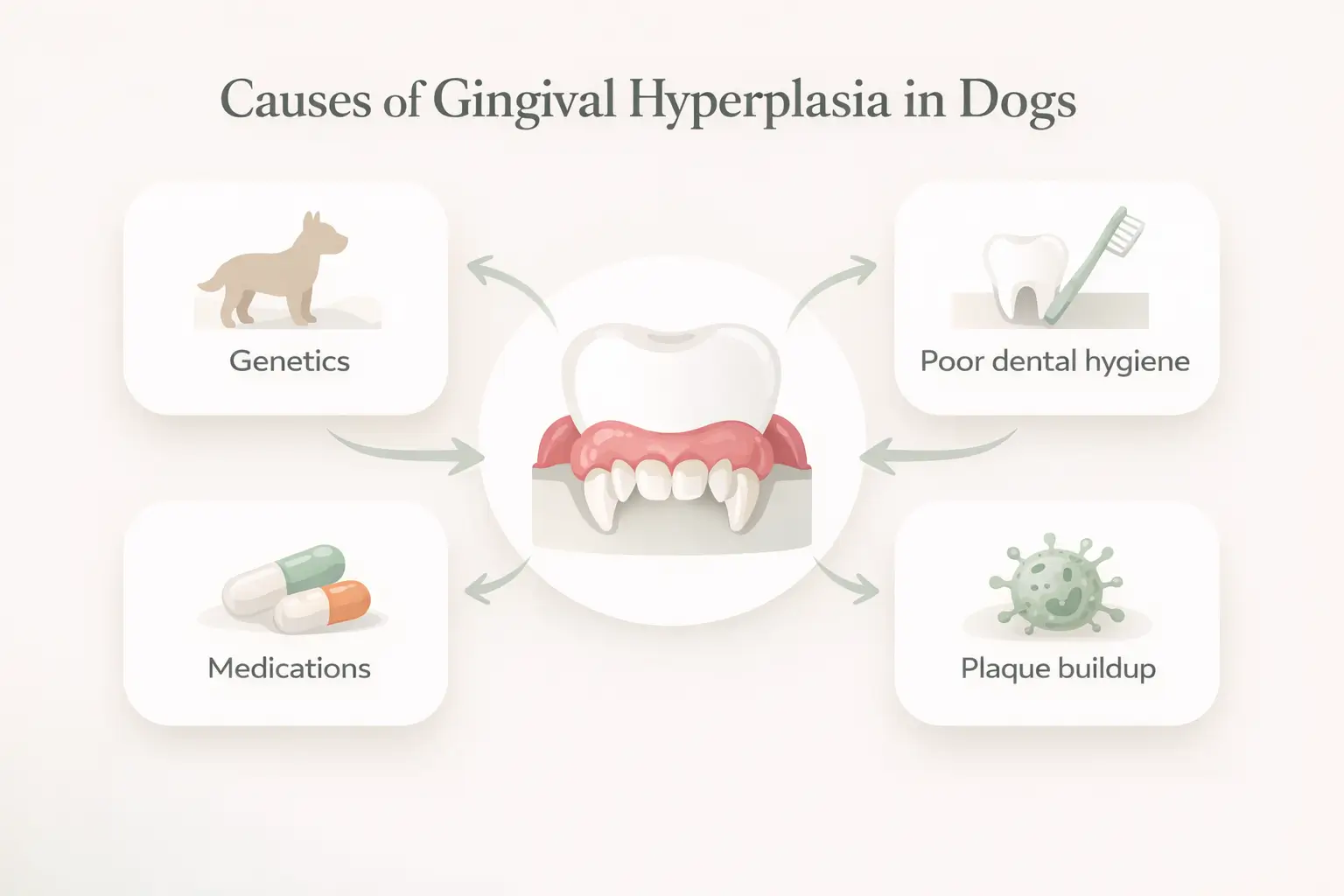
- It’s often linked to genetics, poor dental care, or certain medications
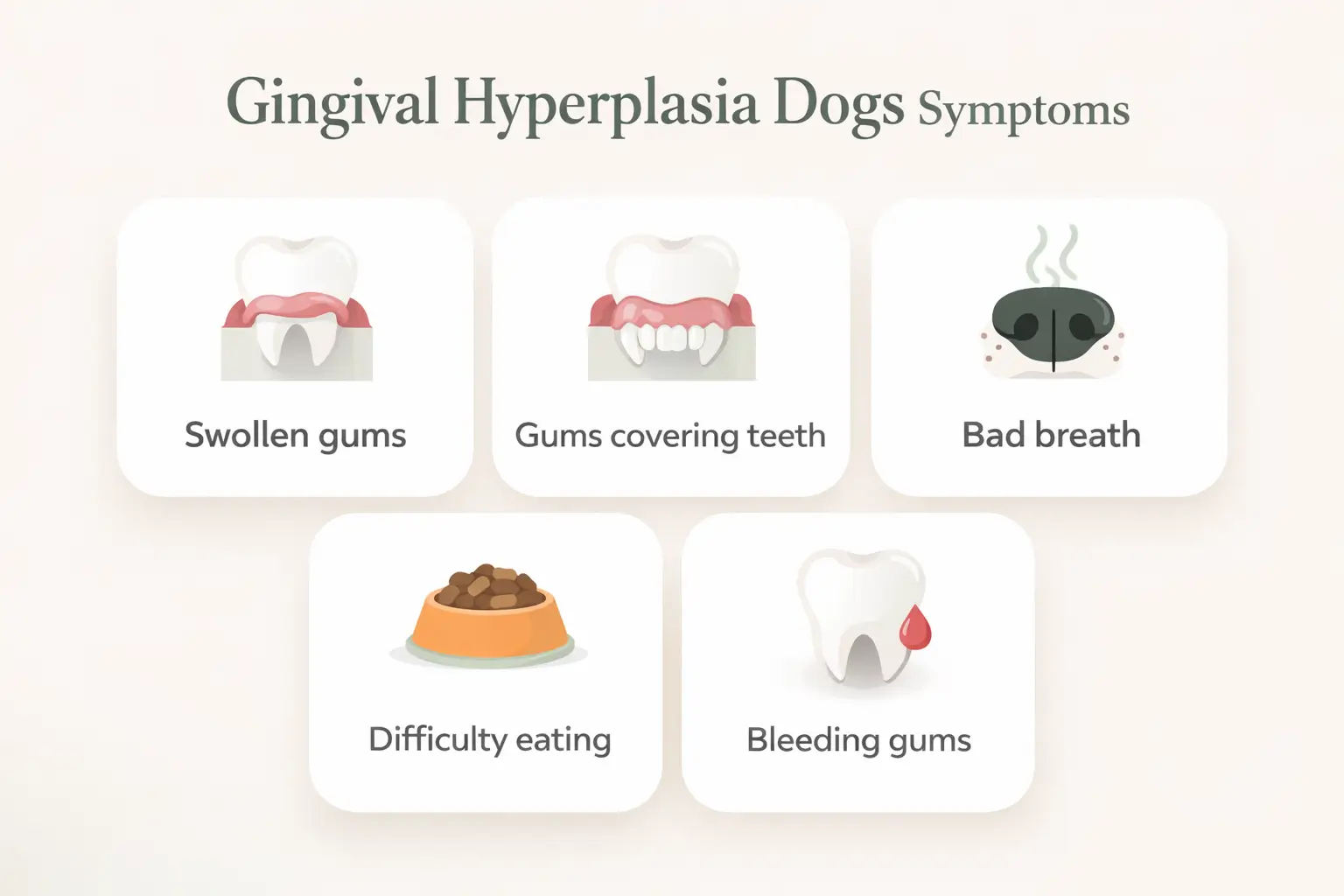
- Early signs include thickened gums, bad breath, and difficulty chewing
- Mild cases can be managed with home care, but advanced cases need veterinary treatment
- Regular dental routines are the best prevention
Pet Care Insight
This guide is based on widely accepted pet care practices, veterinary guidance, and real-life experiences from responsible pet owners. The goal is to provide practical, easy-to-follow advice for everyday pet care.
Pet Overview
While gingival hyperplasia can affect any dog, some breeds are more prone.
- Temperament: No direct link, but calm indoor breeds often get less natural dental wear
- Lifespan: Typically 10–14 years depending on breed
- Physical traits: Breeds like Boxers, Bulldogs, and Great Danes are more prone due to gum structure
- Family suitability: Excellent companions, but require consistent health monitoring
- Activity level: Varies by breed, but dental health often declines in low-activity dogs
- Compatibility: Generally great with families, but dental discomfort can affect mood
Daily Care Essentials
Regular dental care is essential, and choosing the right chew can make a big difference — here’s a helpful guide on selecting the best dental chew for dogs.
Proper Daily Feeding Routine
Feed at consistent times and avoid sticky or overly soft foods that cling to teeth.
Basic Grooming Includes Oral Care
Dental care is often skipped, which is a major mistake.
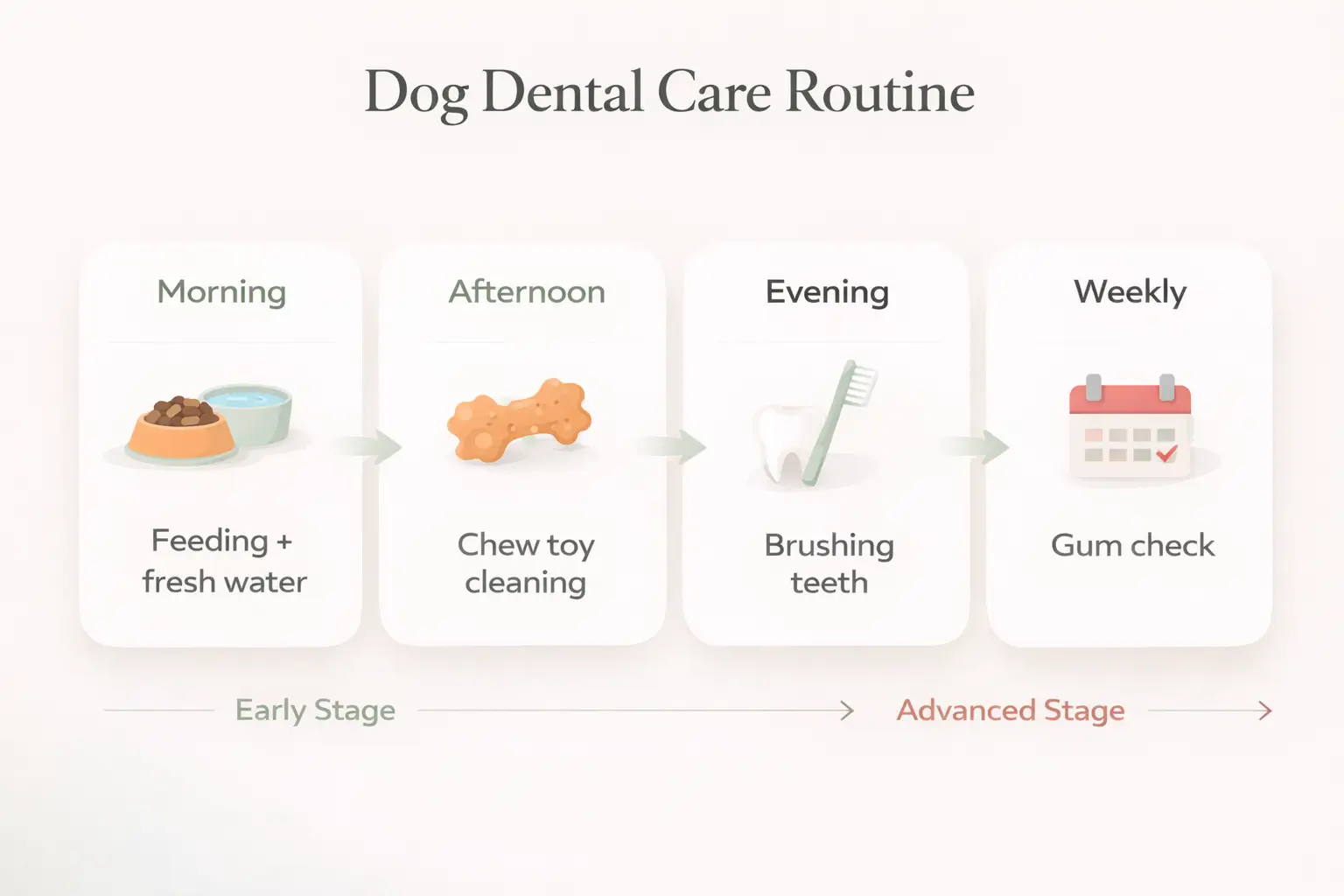
- Brush teeth 3–4 times per week
- Use dog-safe toothpaste only
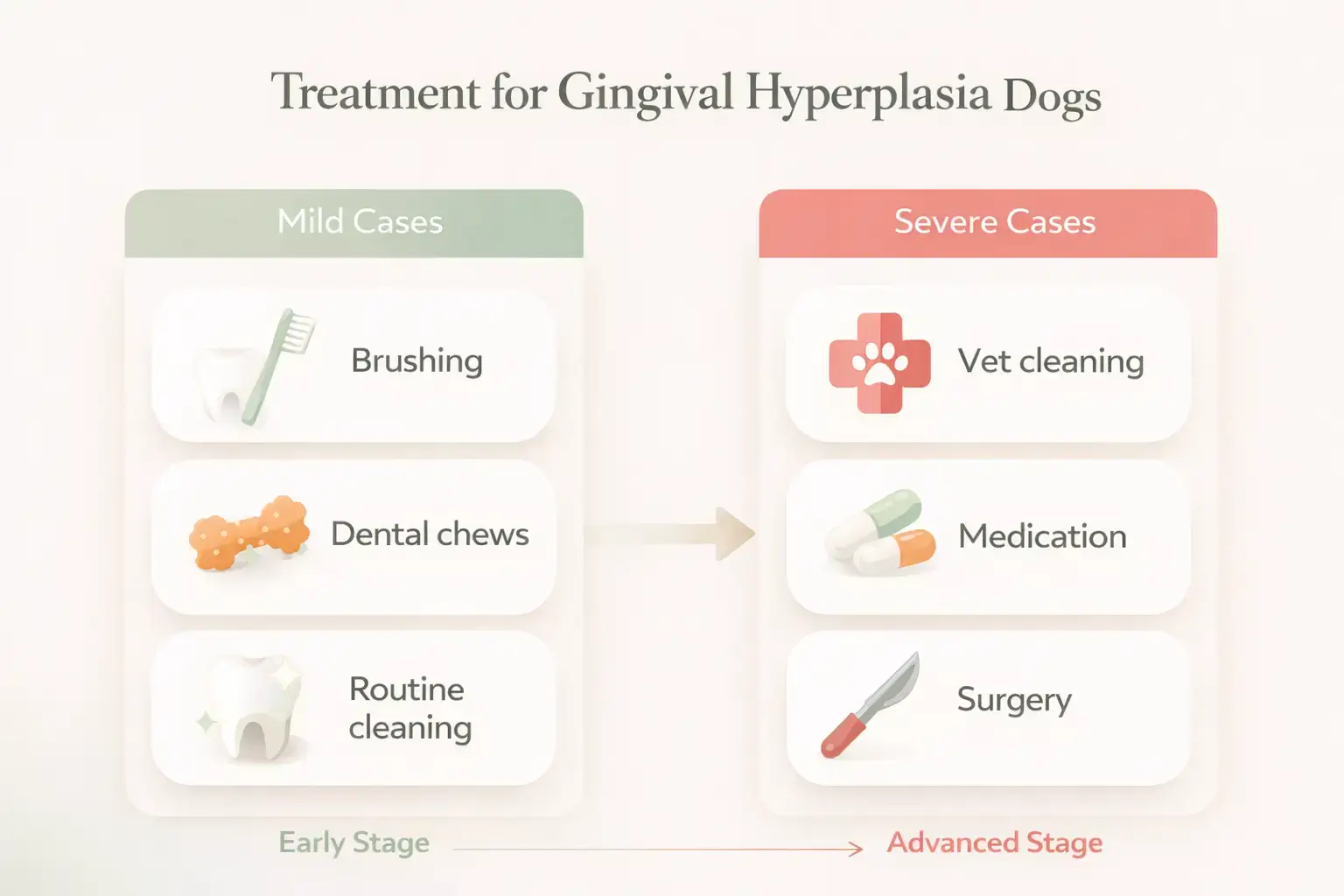
- Provide dental chews regularly
Exercise Supports Overall Health
Daily walks help circulation and immune health, indirectly supporting gum health.
Social Interaction Reduces Stress
Stress can worsen immune responses and inflammation, including gum issues.
Real-life example:
Many owners notice gum growth only when their dog starts chewing slower or dropping food — a sign something’s already progressed.
Common mistakes:
- Ignoring bad breath
- Feeding only soft food
- Never checking inside the mouth
Diet & Nutrition Guide
Balanced Diet Prevents Dental Issues
A good diet helps control plaque and gum inflammation.
- Include dry kibble (helps mechanical cleaning)
- Avoid sugary or sticky treats
- Add dental-friendly snacks
Feeding By Life Stage
Puppies:
- Soft food is fine, but introduce dental chews early
Adults:
- Focus on dental maintenance foods
Seniors:
- Softer food may be needed, but dental cleaning becomes even more important
Safe Vs Unsafe Foods
Safe:
- Carrots
- Apple slices (no seeds)
- Dental chews
Unsafe:
- Sugary treats
- Sticky human foods
- Bones that splinter
Practical tip:
Owners often think switching to only soft food helps—but it actually worsens gum overgrowth by increasing plaque buildup.
Exercise & Mental Stimulation
Daily Activity Needs Matter
Even moderate activity improves overall health and reduces inflammation.
Easy At Home Activities
- Tug toys (gentle)
- Chew toys for dental stimulation
- Food puzzle toys
These not only stimulate the brain but also help naturally clean teeth.
Training & Behavior Guidance
Early Mouth Handling Training
Get your dog comfortable with mouth checks early.
- Gently lift lips daily
- Reward calm behavior
- Pair with brushing routines
Prevent Avoidance Behavior
Dogs with gum pain may resist food or toys.
- Watch for behavior changes
- Don’t force chewing if painful
- Adjust routine gradually
Health & Climate Considerations
Heat And Hydration
Hot climates (like many regions in Pakistan) increase bacterial growth in the mouth.
- Always provide fresh water
- Avoid food sitting out too long
Cold Weather Care
Less activity in winter can reduce natural dental wear.
Seasonal Risks
- Humidity can worsen oral bacteria
- Dry seasons may reduce saliva flow
Comparison: Mild vs Severe Gingival Hyperplasia
| Feature | Mild Gum Overgrowth | Severe Gum Overgrowth |
|---|---|---|
| Gum Coverage | Slight thickening | Covers teeth partially or fully |
| Pain Level | Minimal or none | Often painful |
| Eating Behavior | Normal | Difficulty chewing |
| Treatment | Home care + monitoring | Veterinary surgery often required |
| Risk Level | Low | High (infection, tooth loss) |
Common Problems & Troubleshooting
Persistent bad breath can also be a sign of deeper issues, such as infection — learn more about the symptoms of dog tooth infection to catch problems early.
Gums Growing Over Teeth
- Cause: Genetic predisposition or plaque buildup
- Solution: Dental cleaning, vet evaluation
- Prevention: Regular brushing
- Vet visit: If gums cover teeth or bleed
Bad Breath That Won’t Go Away
- Cause: Bacteria trapped in overgrown gums
- Solution: Deep cleaning
- Prevention: Routine oral hygiene
- Vet visit: If persistent despite brushing
Difficulty Eating Food
- Cause: Pain or gum obstruction
- Solution: Switch to softer food temporarily
- Prevention: Early detection
- Vet visit: Immediately if weight loss occurs
Bleeding Or Swollen Gums
- Cause: Infection or irritation
- Solution: Professional treatment
- Prevention: Avoid hard unsafe chews
- Vet visit: Always recommended
Seasonal Pet Care Tips
Spring
- Watch for allergies that may worsen gum inflammation
Summer
- Prevent dehydration
- Avoid leaving food exposed
Fall
- Re-establish routines after seasonal changes
Winter
- Increase indoor dental care habits
Additional Expert Tips
- Check your dog’s gums weekly — it takes 10 seconds but prevents major issues
- Rotate dental chews to avoid boredom
- Avoid extremely hard toys that can damage teeth
- If your dog is on medications like cyclosporine, monitor gums closely (they can trigger overgrowth)
It’s also important to avoid overly hard chews — many owners wonder are Nylabones safe and whether they’re suitable for daily use.
Hidden mistake:
Many owners rely only on chews — but without brushing, gingival hyperplasia can still develop.
Conclusion
Gingival hyperplasia in dogs may start as a minor gum thickening, but it can quickly turn into a serious dental issue if ignored. The key is early detection, consistent dental care, and knowing when to involve a vet. A simple weekly mouth check and proper routine can save your dog from discomfort and long-term health problems.
FAQs
- What is gingival hyperplasia in dogs?
It’s an overgrowth of gum tissue that can partially or fully cover the teeth. - Is gingival hyperplasia in dogs painful?
Mild cases may not hurt, but severe cases can cause pain and difficulty eating. - Can gingival hyperplasia go away on its own?
No, it usually requires management or treatment. - How to treat gingival hyperplasia in dogs at home?
Mild cases can be managed with brushing and dental care, but not cured at home. - What causes gum hyperplasia in dogs?
Genetics, poor dental hygiene, and certain medications. - When does my dog need surgery?
If gums cover teeth, cause pain, or lead to infection. - Can it be prevented?
Yes, with regular dental care and early monitoring.


3 Responses