
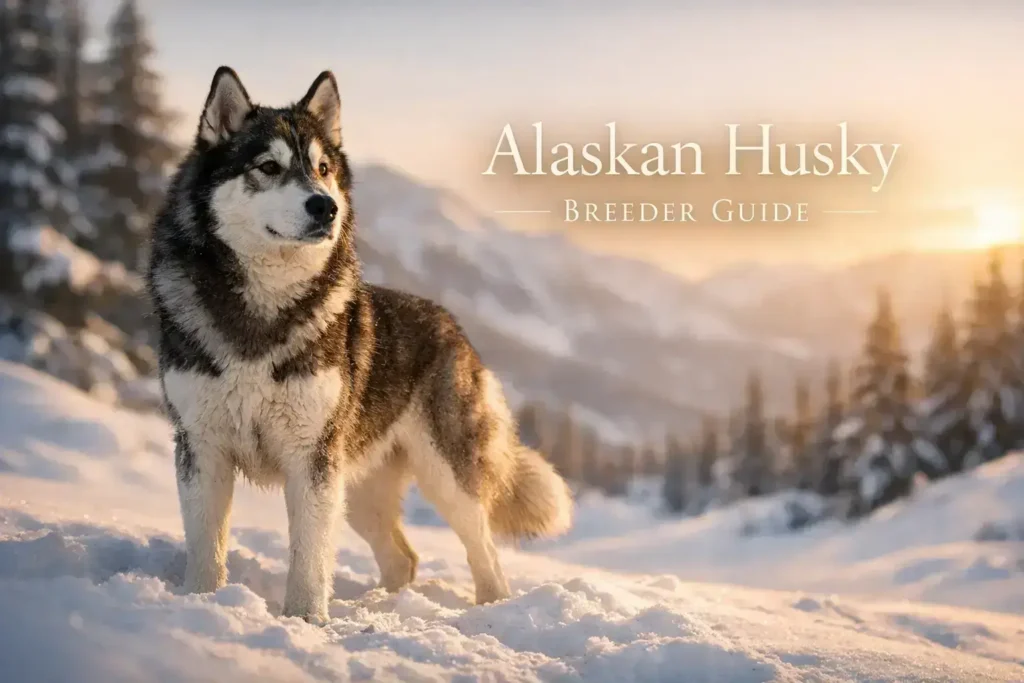
Alaskan huskies have become increasingly popular among active dog lovers—but there’s often confusion around what they actually are. Unlike standardized breeds, the Alaskan Husky is a working dog bred for performance and endurance, as explained in the Alaskan Husky breed overview.
Many people searching for an alaskan husky breeder are drawn to their intelligence and athleticism, but underestimate the commitment required.
These dogs aren’t just beautiful—they’re highly driven, energetic, and thrive in environments where they have a purpose. One of the most common mistakes new owners make is choosing a husky based on appearance rather than lifestyle compatibility. This often leads to behavioral issues, frustration, and rehoming.
Pet Care Insight
This guide is based on widely accepted pet care practices, veterinary guidance, and common experiences shared by responsible pet owners. The goal is to provide practical, easy-to-follow advice that helps owners keep their pets healthy, comfortable, and well cared for.
Pet Overview
Alaskan Husky Temperament Traits
Alaskan huskies are known for their intelligence, independence, and strong work ethic. They are not typically “easy” dogs—they think for themselves and require experienced handling.
They tend to be:
- Highly energetic and driven
- Social but not overly clingy
- Intelligent but sometimes stubborn
- Friendly with people, but variable with other pets
Alaskan Husky Physical Characteristics
Unlike purebred dogs, Alaskan huskies can vary widely in appearance. However, common traits include:
- Medium to large build
- Lean, athletic body
- Thick double coat
- Erect or semi-erect ears
- Wide range of coat colors
Alaskan Husky Lifespan And Suitability
- Lifespan: 10–15 years
- Best for: active individuals, experienced dog owners
- Not ideal for: apartment living or sedentary households
They can do well with families, but only if their exercise and mental needs are consistently met.
For comparison, smaller companion breeds like the Blue Merle Chihuahua have very different care needs, especially when it comes to exercise and living space.
Daily Care Essentials
Daily Feeding Routine Basics
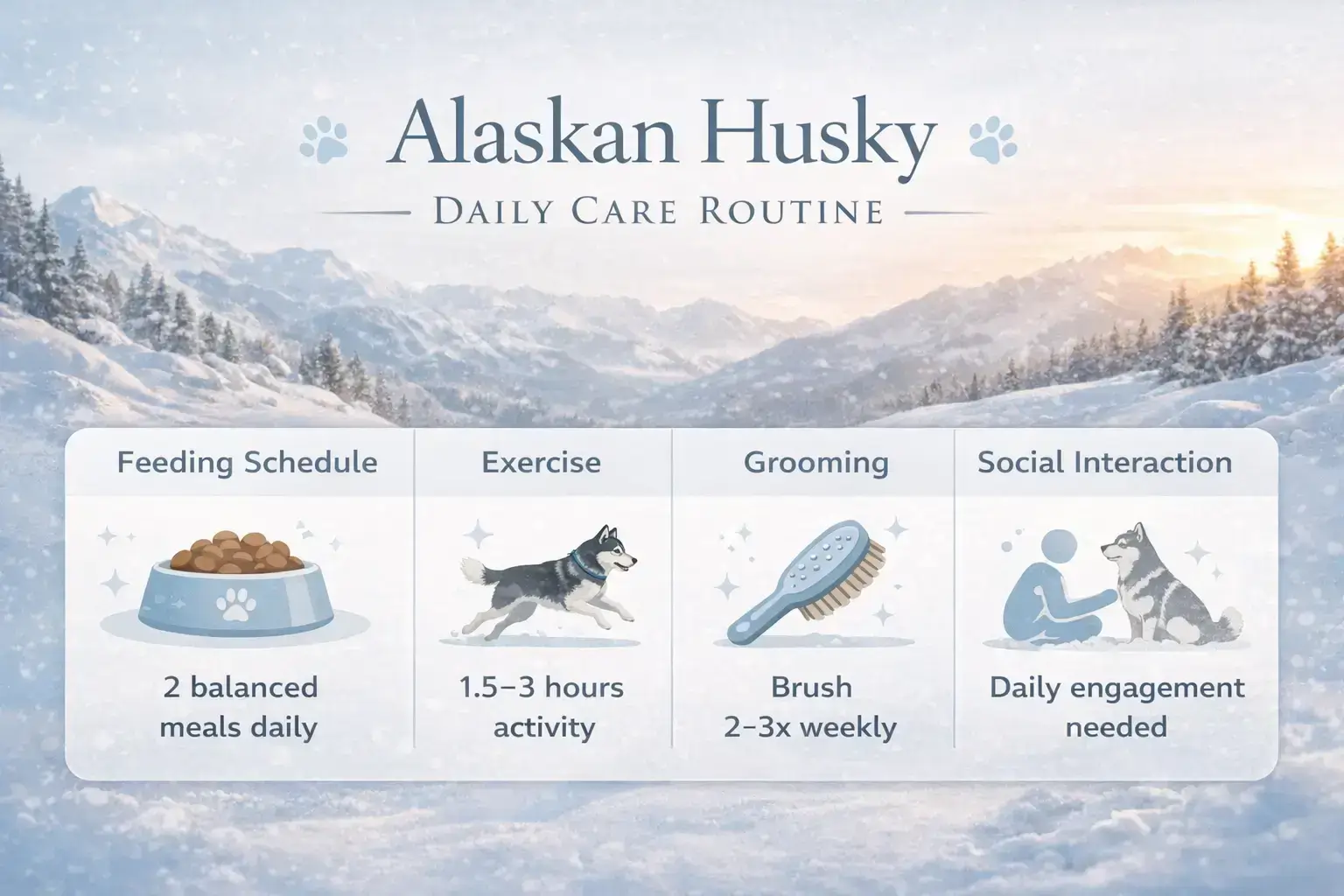
Feed your husky at consistent times each day:
- Puppies: 3 meals daily
- Adults: 2 meals daily
- Always provide fresh water
Avoid overfeeding—these dogs are efficient metabolizers but can gain weight if under-exercised.
Grooming And Coat Maintenance
Alaskan huskies have a double coat that sheds heavily, especially during seasonal changes.
Basic grooming includes:
- Brushing 2–3 times per week
- Daily brushing during shedding season
- Occasional bathing (not too frequent)
- Nail trimming and ear cleaning
Daily Exercise Requirements
This is the most critical part of care.
They need:
- 1.5–3 hours of exercise daily
- Running, hiking, or pulling activities
- Structured physical activity—not just backyard time
Without proper exercise, they can become destructive.
Alaskan huskies have similar high-energy needs to other active breeds, so if you’re comparing activity levels, this guide on Vizsla cross breeds can help you understand how demanding these working dogs can be.
Social Interaction Needs
Huskies are social animals:
- Need regular human interaction
- Benefit from dog companionship
- Can develop separation anxiety if left alone too long
Diet & Nutrition Guide
Proper Feeding Schedule Guidelines
Consistency matters more than complexity.
- Feed at the same times daily
- Avoid free feeding
- Monitor body condition, not just weight
Nutritional Needs By Life Stage
Puppies:
- High protein for growth
- Frequent small meals
- Calcium balance is important
Adults:
- Balanced protein and fat
- Adjust based on activity level
Seniors:
- Lower calorie intake
- Joint-support nutrients
Safe And Unsafe Foods
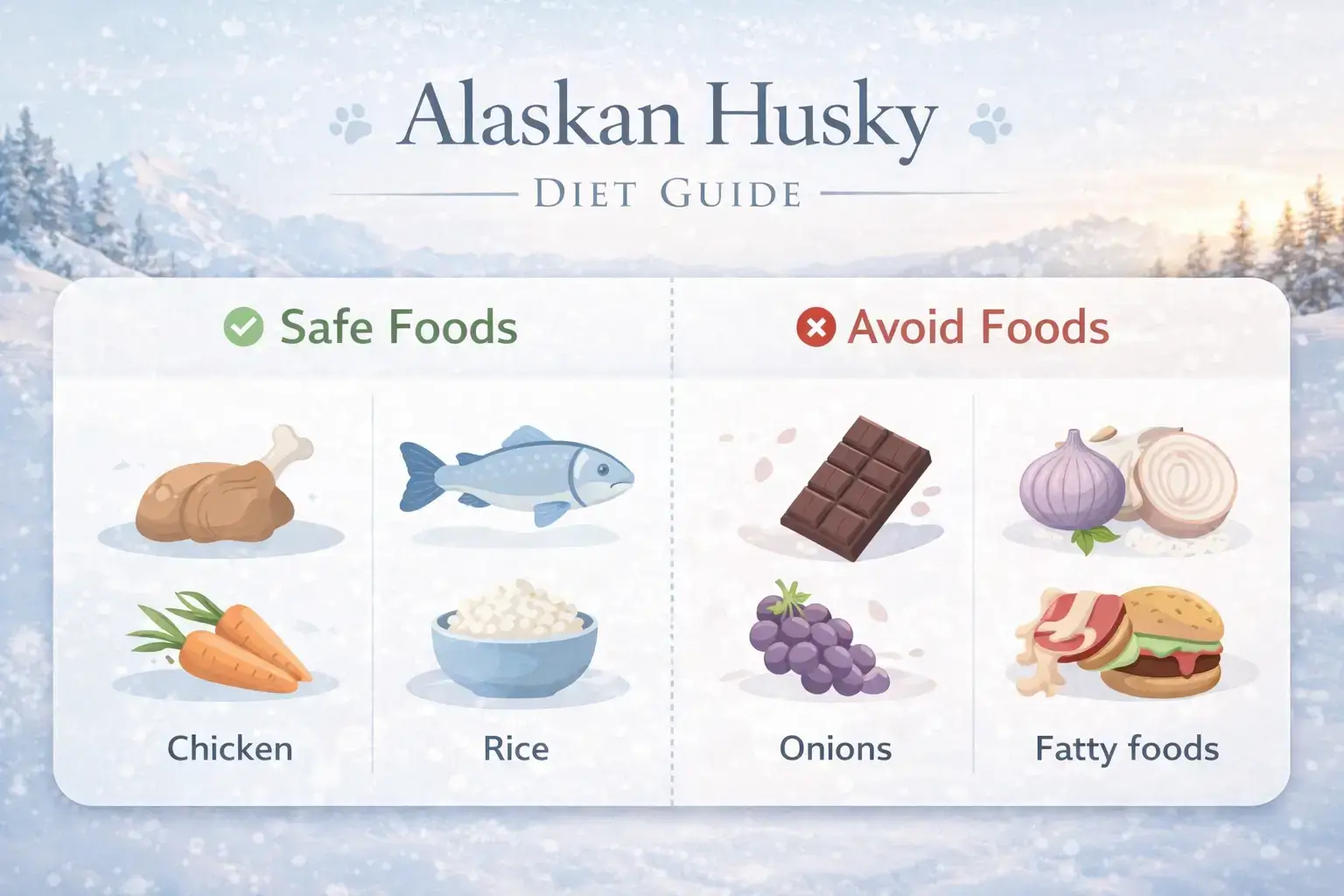
Safe foods:
- Lean meats (chicken, turkey)
- Cooked rice
- Vegetables like carrots
Avoid:
- Chocolate
- Onions and garlic
- Grapes and raisins
- Fatty or fried foods
Exercise & Mental Stimulation
Daily Activity Requirements Explained
Alaskan huskies are working dogs at heart. A simple walk is not enough.
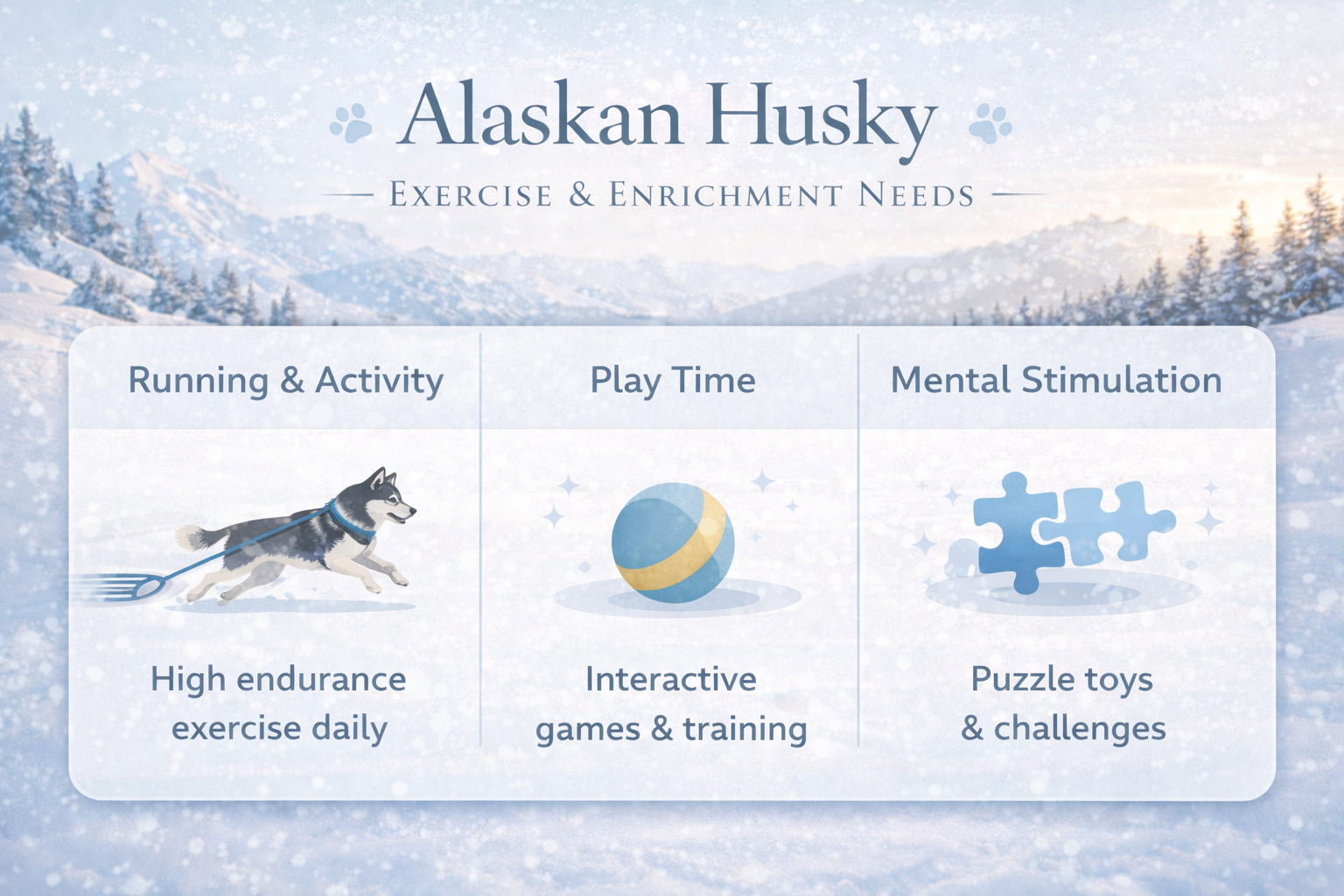
They need:
- Long runs or jogs
- Pulling activities (sledding, biking)
- Off-leash time in secure areas
Simple Enrichment Activities At Home
To prevent boredom:
- Puzzle feeders
- Hide-and-seek games
- Training drills
- Tug and fetch variations
Mental stimulation is just as important as physical exercise.
Training & Behavior Guidance
If you’re exploring how different breeds respond to training, the Miniature Irish Terrier guide offers helpful insights into managing stubborn and high-energy personalities.
Basic Obedience Training Tips
Start early and stay consistent.
Focus on:
- Recall training (very important)
- Leash manners
- Basic commands (sit, stay, come)
Use positive reinforcement—harsh training methods often backfire.
Socialization Best Practices
Expose your dog early to:
- Different people
- Other dogs
- Various environments
This helps prevent fear-based behaviors later.
Preventing Common Behavior Issues
Common issues include:
- Excessive howling
- Escaping or digging
- Destructive chewing
Prevention:
- Provide enough exercise
- Keep them mentally engaged
- Avoid long periods of isolation
Health & Climate Considerations
Heat Sensitivity And Summer Care
Despite their cold-weather origins, huskies can struggle in hot climates.
Tips:
- Walk early morning or evening
- Provide shade and cool water
- Never shave their coat completely
Cold Weather Adaptation
They thrive in cold conditions:
- Naturally insulated coat
- Enjoy outdoor activity in winter
But still need shelter and dry resting areas.
Common Health Concerns
Watch for:
- Hip dysplasia
- Eye conditions
- Skin issues
- Weight fluctuations
Regular vet checkups are essential.
Common Problems & Troubleshooting
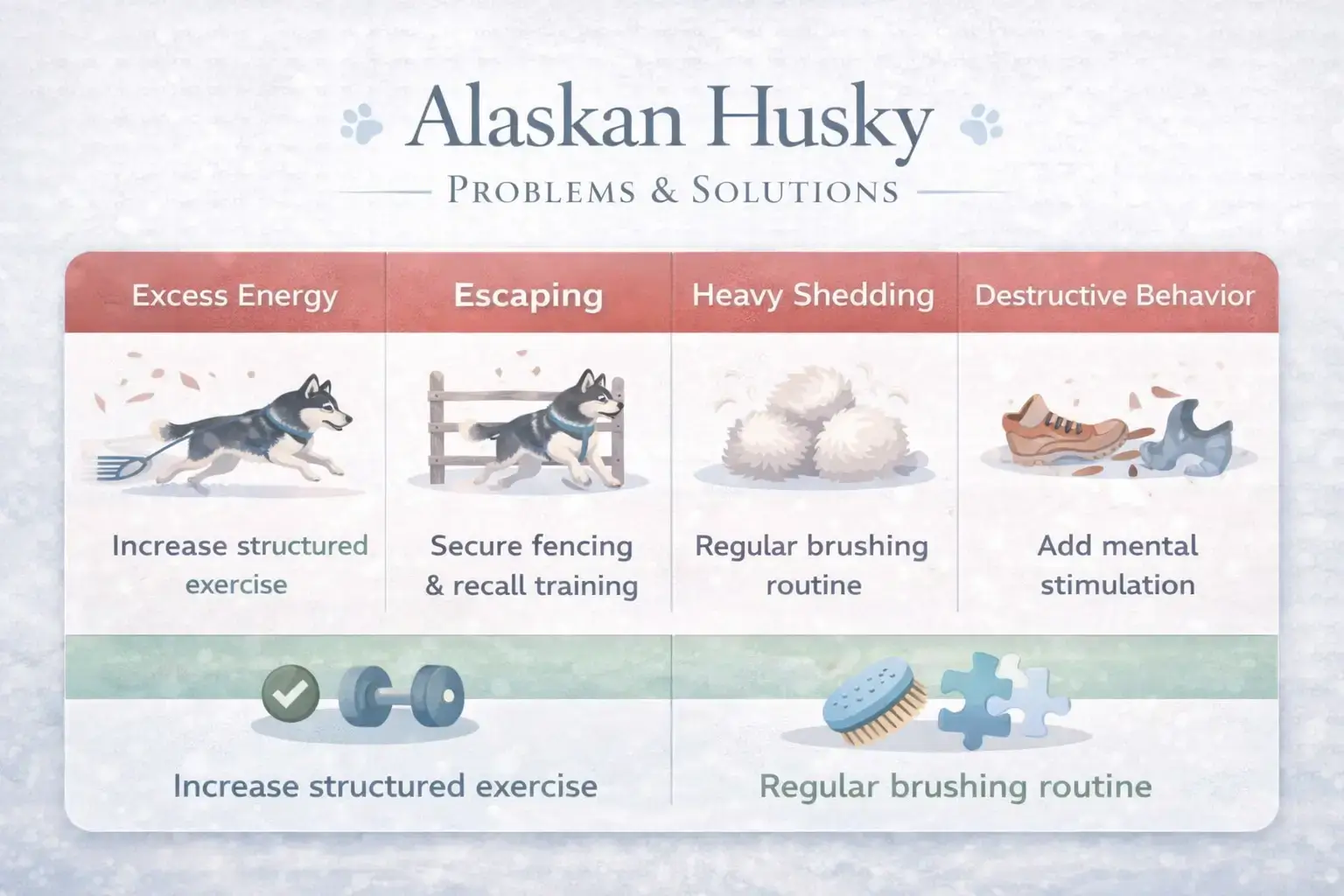
Excessive Energy And Destruction
Cause:
- Lack of exercise
Solution:
- Increase daily activity
- Add structured play
Prevention:
- Maintain consistent routine
Escaping And Running Away
Cause:
- Strong prey drive and curiosity
Solution:
- Secure fencing
- Supervised outdoor time
Prevention:
- Recall training and engagement
Poor Eating Habits
Cause:
- Stress or inconsistent feeding
Solution:
- Set feeding schedule
- Avoid frequent food changes
Prevention:
- Stick to a routine
Heavy Shedding Issues
Cause:
- Natural seasonal shedding
Solution:
- Regular brushing
Prevention:
- Maintain grooming habits
Seasonal Pet Care Tips
Spring Care Adjustments
- Increased shedding management
- Watch for allergies
- Gradually increase outdoor activity
Summer Heat Protection
- Avoid midday exercise
- Provide cooling mats or shaded areas
- Ensure constant hydration
Fall Transition Routine
- Adjust exercise as temperatures drop
- Monitor coat changes
- Check for parasites
Winter Activity And Protection
- Increase outdoor exercise
- Check paws for ice buildup
- Maintain calorie intake for energy
Additional Expert Tips
Common First-Time Owner Mistakes
- Underestimating exercise needs
- Leaving the dog alone too long
- Ignoring training early on
Simple Habits That Improve Health
- Daily structured routine
- Consistent training
- Regular vet visits
Long-Term Care Considerations
- These dogs require commitment for life
- They thrive with active lifestyles
- Not ideal as “low-maintenance” pets
Conclusion
Choosing an alaskan husky breeder is only the first step—the real responsibility begins once the dog comes home. These dogs are intelligent, energetic, and incredibly rewarding companions, but only when their needs are fully understood and met.
The most important things to remember are:
- Exercise is non-negotiable
- Training must be consistent
- Mental stimulation prevents problems
Avoid the common mistake of choosing a husky for looks alone. When matched with the right lifestyle, an Alaskan Husky becomes one of the most loyal and capable companions you can have.
FAQs
-
How much exercise does an Alaskan Husky need daily?
They need at least 1.5 to 3 hours of intense physical activity every day.
-
Are Alaskan Huskies good for beginners?
Not usually—they are better suited for experienced dog owners.
-
Do Alaskan Huskies tolerate hot weather?
They can adapt, but require careful heat management and limited daytime activity.
-
Why does my husky try to escape often?
This is due to their natural instinct to run and explore, often worsened by boredom.
-
How often should I groom an Alaskan Husky?
Brush 2–3 times weekly, and daily during heavy shedding seasons.
-
Can Alaskan Huskies live in apartments?
It’s possible but not ideal—they need space and frequent outdoor exercise.
-
What is the typical personality of an Alaskan Husky?
They are intelligent, energetic, independent, and highly driven working dogs.