
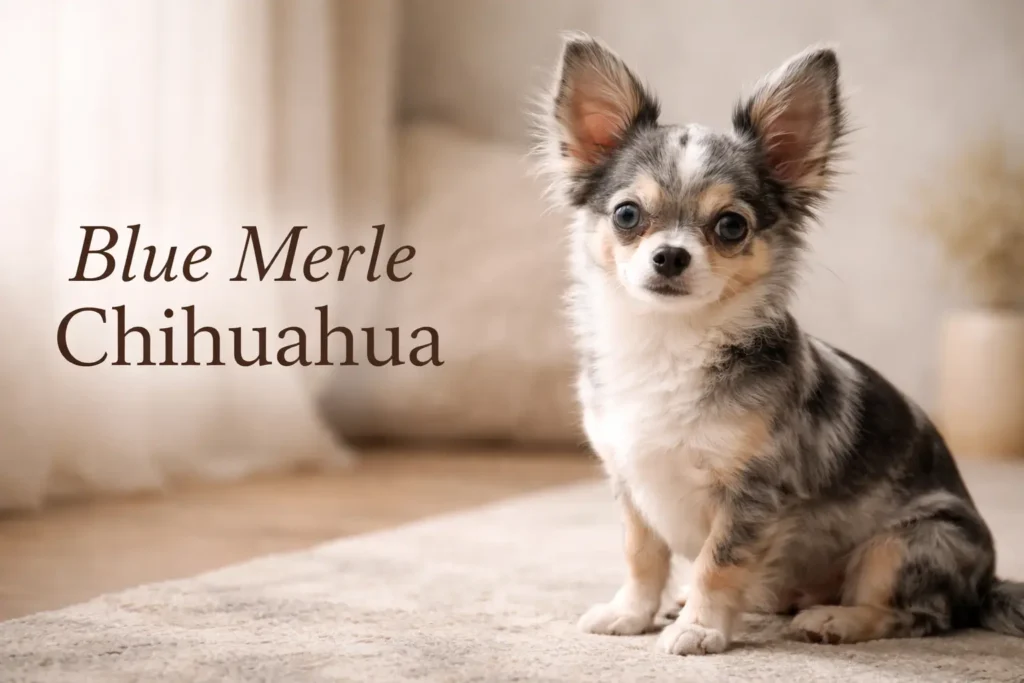
The blue merle Chihuahua is one of the most eye-catching variations of the Chihuahua breed. With its marbled coat pattern, unique color combinations, and sometimes striking blue eyes, it’s easy to see why this dog has become so popular among enthusiasts.
But beneath that beautiful appearance, this is still a very delicate, small dog with specific care needs. Many new owners are drawn to the look without understanding the responsibility—especially when it comes to health risks, temperament, and daily care.
Common mistakes include overfeeding, underestimating their sensitivity, and not properly socializing them early. This guide helps you avoid those issues and raise a healthy, happy blue merle Chihuahua.
Pet Care Insight
This guide is based on widely accepted pet care practices, veterinary guidance, and common experiences shared by responsible pet owners. The goal is to provide practical, easy-to-follow advice that helps owners keep their pets healthy, comfortable, and well cared for.
Pet Overview
Temperament And Personality Traits
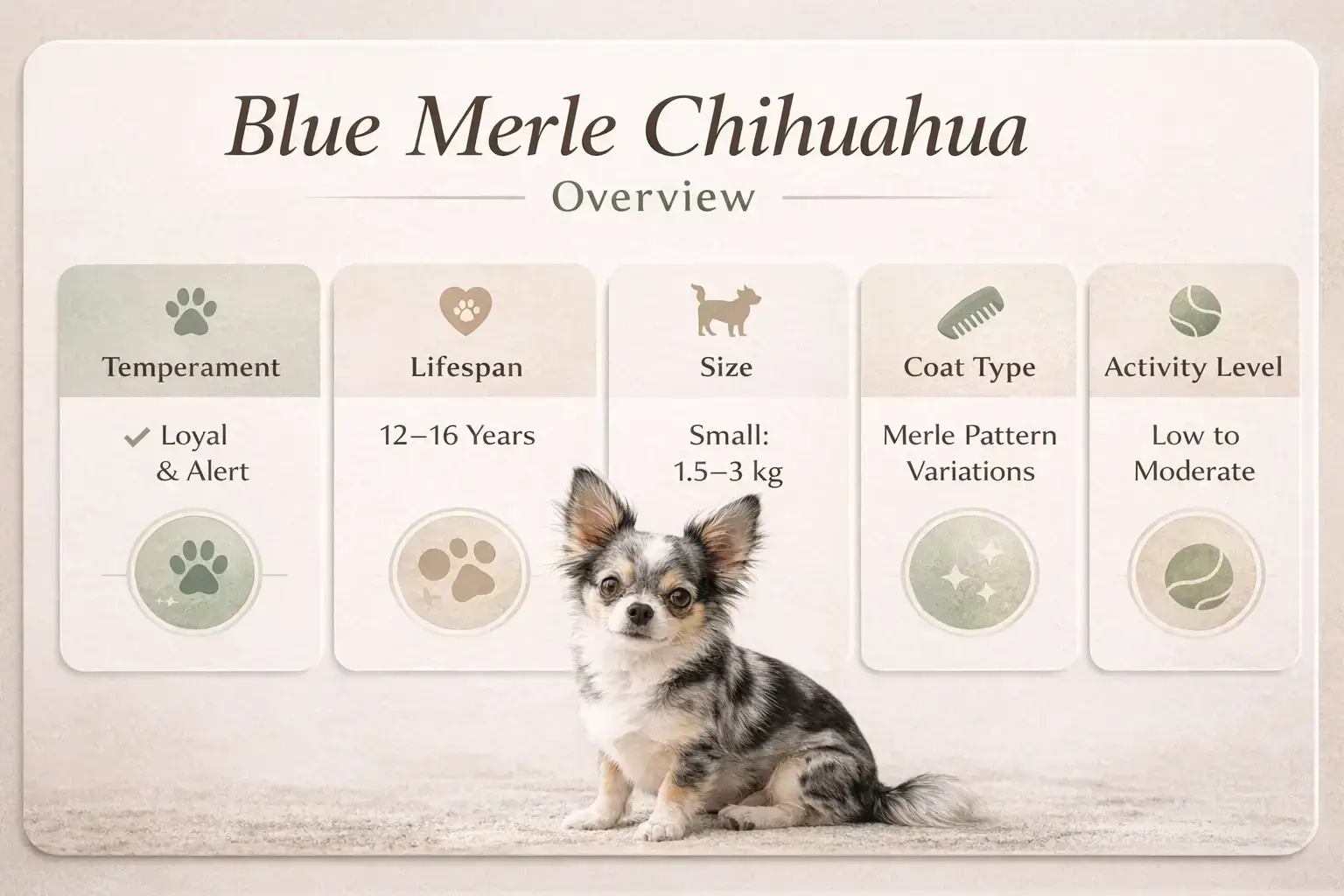
Blue merle Chihuahuas are alert, loyal, and often very attached to their owners. They tend to bond strongly with one person and can be protective despite their small size.
They are:
- Confident and bold
- Sometimes stubborn
- Naturally alert (great watchdogs)
- Sensitive to loud environments
Lifespan And Size Details
- Lifespan: 12–16 years
- Weight: 1.5–3 kg (3–6 lbs)
- Height: 15–23 cm
They are one of the smallest dog breeds, which means extra care is needed to prevent injuries.
Physical Appearance And Coat
A blue merle Chihuahua has a marbled coat pattern with mixed shades of grey, black, and sometimes white or tan. Variations include:
- Long haired blue merle Chihuahua (soft, flowing coat)
- Short hair blue merle Chihuahua (smooth and sleek)
- Blue eyed merle Chihuahua (less common but striking)
The merle pattern is a genetic trait that creates a marbled coat appearance—learn more about it through Merle (dog coat).
Suitability For Families
They can do well in families, but:
- Better suited for adults or older children
- Not ideal for rough play
- Can be wary of strangers
Activity Level And Energy
They have moderate energy levels but don’t need large spaces. Short daily activity is enough.
Daily Care Essentials
Feeding Routine And Schedule
- Feed 2–3 small meals daily
- Maintain consistent timing
- Avoid free feeding
Small dogs can develop low blood sugar, so regular meals are important.
Grooming Needs And Maintenance
- Short coat: brush once a week
- Long coat: brush 2–3 times weekly
- Clean ears weekly
- Trim nails regularly
Merle coats don’t require special grooming, but long hair types need more attention.
Exercise And Daily Activity
- 20–30 minutes of light activity daily
- Short walks + indoor play
Avoid overexertion—they tire quickly.
Social Interaction Needs
These dogs thrive on companionship. Leaving them alone for long periods can lead to anxiety.
Diet & Nutrition Guide
Balanced Diet And Nutritional Needs
A high-quality diet rich in:
- Protein (chicken, fish)
- Healthy fats
- Vitamins and minerals
Avoid low-quality fillers.
Puppy Feeding Guidelines
- Feed 3–4 small meals daily
- Focus on nutrient-dense puppy food
- Monitor weight closely
Adult Feeding Recommendations
- 2 meals per day
- Portion control is critical
Overfeeding leads to obesity quickly in small breeds.
Small breeds like Chihuahuas are especially prone to dental issues, so maintaining oral hygiene is essential—here’s a helpful guide on how vets clean dogs teeth to understand proper cleaning methods.
Senior Dog Diet Adjustments
- Lower calorie intake
- Joint-support nutrients
- Easily digestible food
Safe And Unsafe Foods
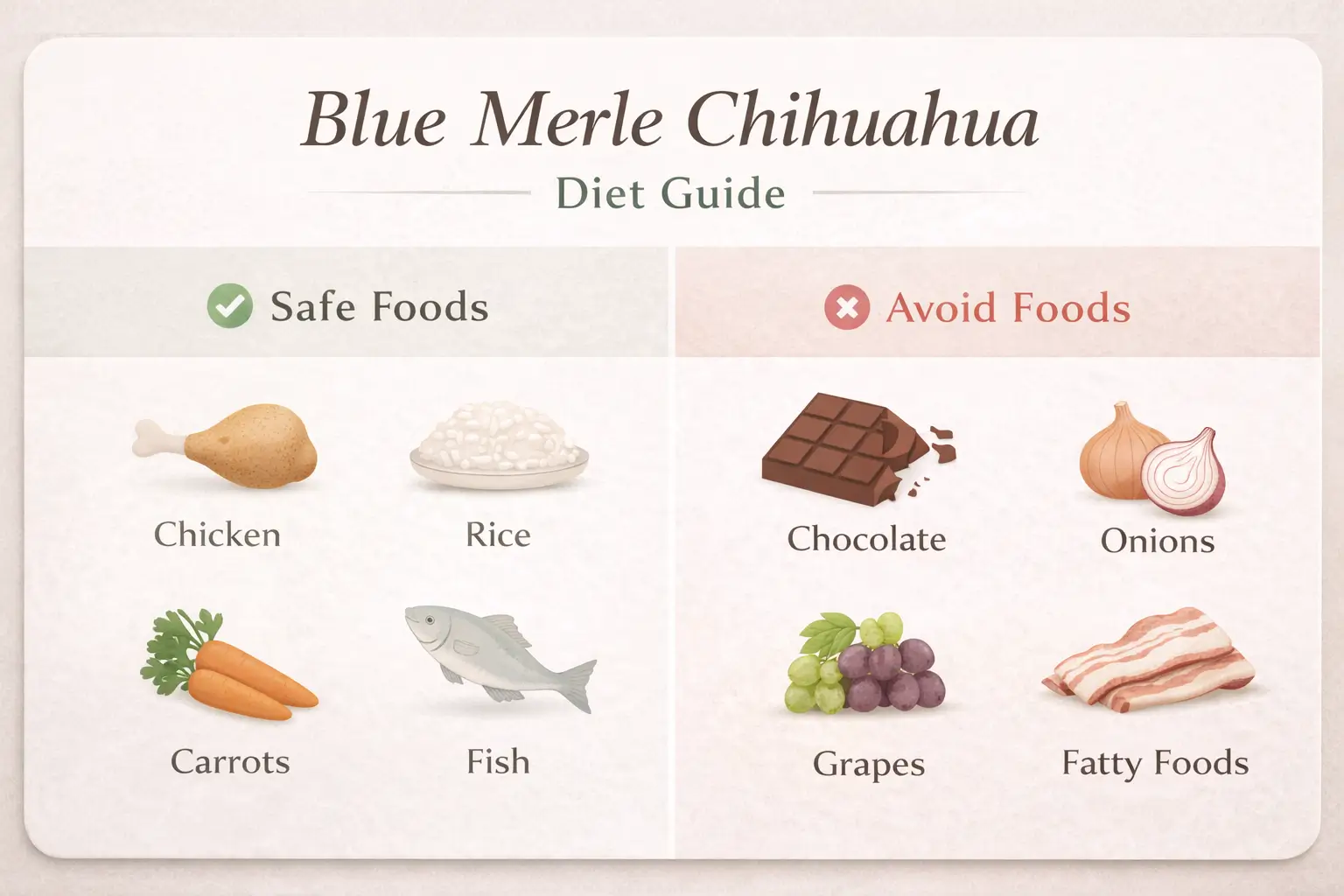
Safe foods:
- Cooked chicken
- Plain rice
- Carrots
Avoid:
- Chocolate
- Onions
- Grapes
- Fatty or spicy foods
If your Chihuahua ever develops dental problems, you may need to adjust their meals—this guide on what to feed dogs with no teeth can help you choose safe, soft food options.
Exercise & Mental Stimulation
Daily Activity Requirements
Despite their size, they need regular stimulation:
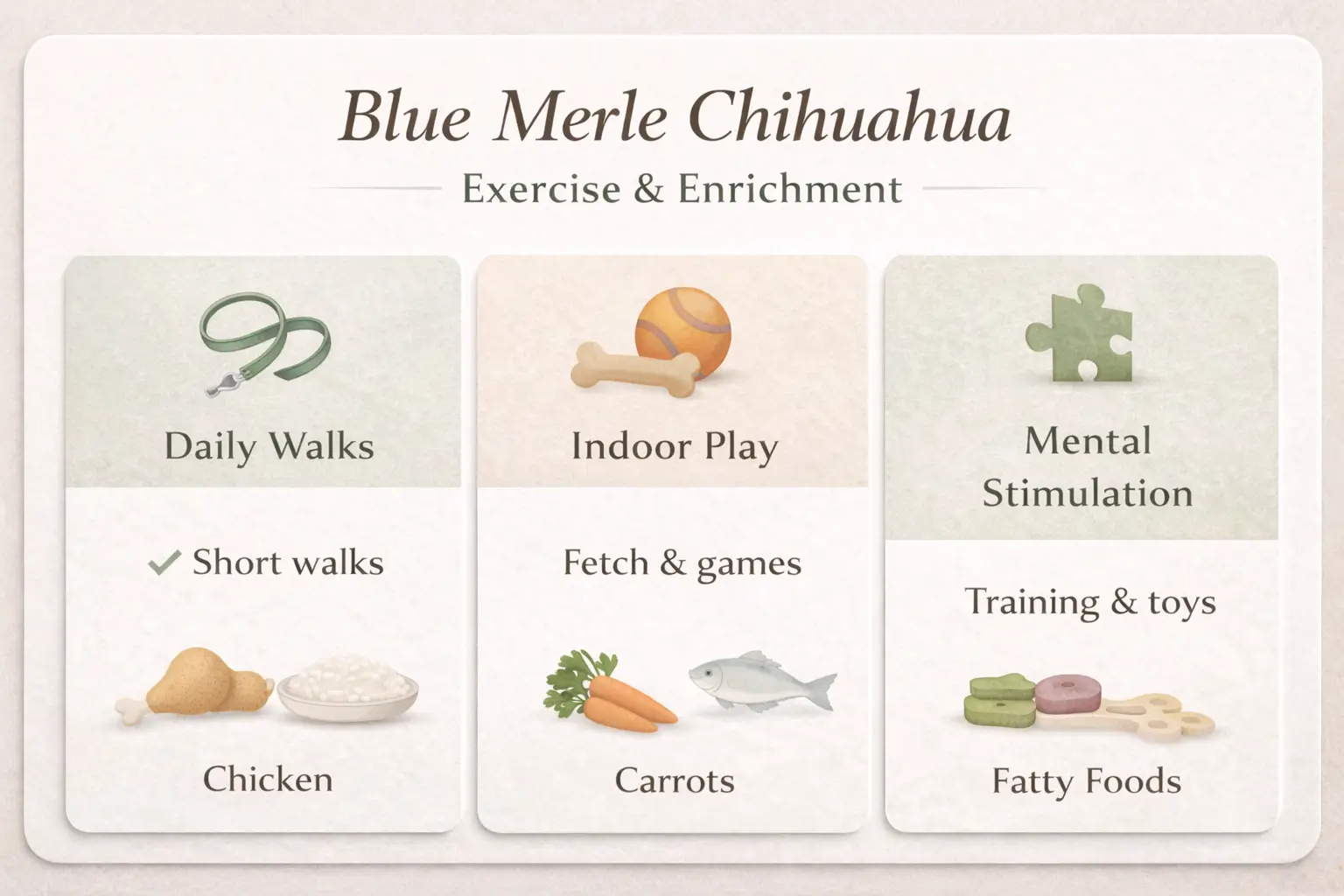
- Short walks
- Indoor play sessions
Indoor Play Ideas And Games
- Fetch with small toys
- Tug games
- Hide-and-seek
Mental Enrichment Activities
- Puzzle toys
- Basic training sessions
- Interactive play
Mental stimulation helps prevent boredom and destructive behavior.
Training & Behavior Guidance
Basic Obedience Training Tips
Start early with:
- Sit, stay, come
- Positive reinforcement
- Short training sessions
They respond best to gentle, reward-based methods.
Socialization Best Practices
Expose your puppy to:
- Different people
- Sounds
- Environments
This reduces fear and aggression later.
Preventing Behavior Issues Early
Common issues include:
- Excessive barking
- Separation anxiety
- Stubbornness
Prevent by:
- Consistent training
- Daily interaction
- Clear boundaries
Health & Climate Considerations
Common Health Concerns
Blue merle Chihuahuas may have additional risks due to the merle gene:
- Hearing problems
- Vision issues
- Skin sensitivity
Dental disease is one of the most common issues in small dogs, and early signs should never be ignored—learn the key symptoms of dog tooth infection to watch for.
Also common:
- Dental problems
- Luxating patella (knee issues)
Heat Sensitivity And Summer Care
In hot climates:
- Avoid midday walks
- Provide shade and water
- Watch for overheating
Small dogs heat up quickly.
Cold Weather Protection
They are sensitive to cold:
- Use dog sweaters
- Limit outdoor exposure
- Provide warm bedding
Hydration And Daily Care
Always ensure fresh water is available. Dehydration can happen quickly in small breeds.
Common Problems & Troubleshooting
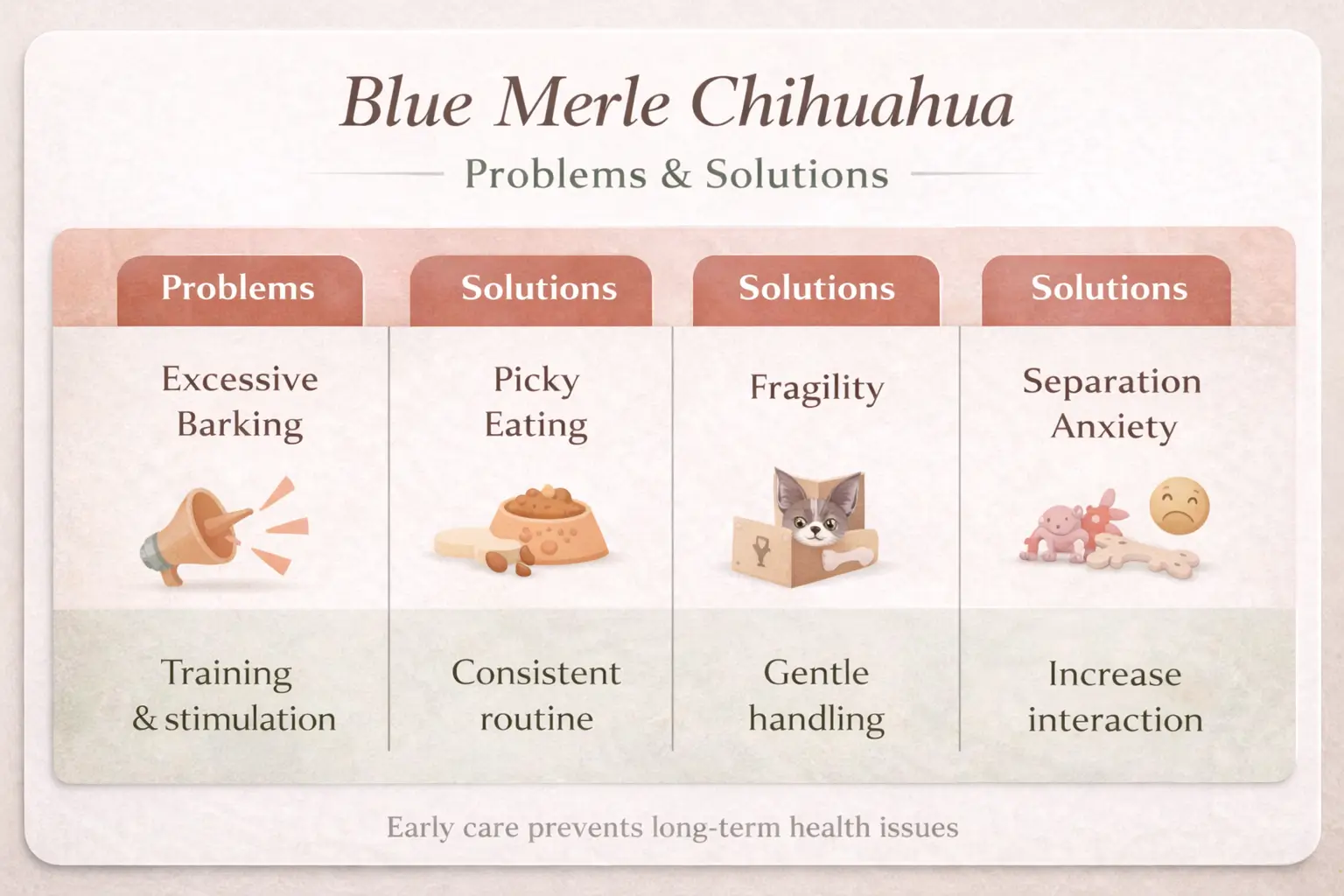
Excessive Barking Behavior
Cause:
- Alertness or boredom
Solution:
- Mental stimulation
- Training commands
Prevention:
- Early socialization
Picky Eating Habits
Cause:
- Overfeeding treats
- Frequent diet changes
Solution:
- Stick to routine
- Limit treats
Prevention:
- Consistent feeding schedule
Fragility And Injury Risk
Cause:
- Small body size
Solution:
- Handle gently
- Supervise around children
Prevention:
- Safe environment
Separation Anxiety Issues
Cause:
- Strong attachment
Solution:
- Gradual alone-time training
- Toys for distraction
Prevention:
- Avoid over-dependence
Seasonal Pet Care Tips
Spring Care Tips And Allergies
- Watch for skin irritation
- Increase outdoor activity gradually
Summer Heat Protection Tips
- Keep indoors during peak heat
- Provide cool resting areas
Fall Adjustment And Parasite Awareness
- Check for fleas and ticks
- Adjust exercise routine
Winter Cold Weather Care
- Use warm clothing
- Reduce outdoor exposure
- Increase indoor play
Additional Expert Tips
Common Owner Mistakes To Avoid
- Overfeeding small portions
- Skipping training
- Ignoring dental care
Simple Daily Habits That Improve Health
- Regular brushing (coat + teeth)
- Consistent routine
- Daily playtime
Long Term Care Considerations
- Routine vet checkups
- Monitor weight closely
- Early detection of health issues
Conclusion
The blue merle Chihuahua is a beautiful and unique companion, but it comes with responsibilities that go beyond appearance. Proper care, balanced nutrition, early training, and attention to health are essential for a long and happy life.
Avoid common mistakes like overfeeding, lack of socialization, and neglecting grooming. With the right approach, these small dogs can become loyal, loving companions for many years.
The key is simple: consistency, gentle care, and understanding their needs.
FAQs
-
What does a blue merle Chihuahua look like?
They have a marbled coat pattern with mixed shades of grey, black, and sometimes white or tan.
-
How rare is a blue merle Chihuahua?
They are less common than standard Chihuahuas due to the specific merle gene.
-
Do blue merle Chihuahuas have blue eyes?
Some do, but not all. Blue eyes are more common in merle-patterned dogs.
-
How much exercise does a blue merle Chihuahua need?
About 20–30 minutes of light daily activity is usually enough.
-
Are blue merle Chihuahuas good for families?
Yes, but they are better suited for families with older children due to their fragile size.
-
How often should I feed a blue merle Chihuahua puppy?
Puppies should be fed 3–4 small meals daily to maintain stable energy levels.
-
Do blue merle Chihuahuas have special health concerns?
Yes, they may have higher risks of hearing and vision issues due to the merle gene.




One Response