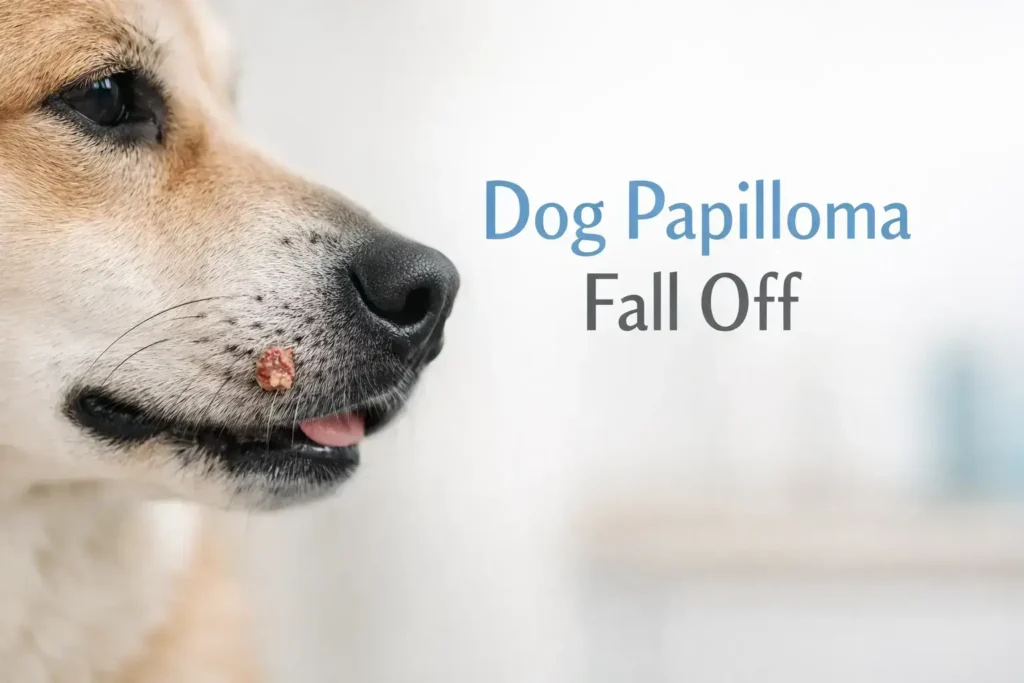
Dog papillomas (warts) are a common concern for pet owners—especially when they suddenly change, shrink, or fall off. These growths are usually linked to the canine papilloma virus and often appear around the mouth, lips, or paws.
Seeing a dog papilloma fall off can be surprising, even alarming. Many owners worry: Is this normal? Is my dog healing—or is something wrong?
In most cases, it’s actually a positive sign of recovery. But understanding the process, symptoms, and when to worry is essential for keeping your dog safe.
Pet Care Insight
This guide is based on widely accepted pet care practices, veterinary guidance, and common experiences shared by responsible pet owners. The goal is to provide practical, easy-to-follow advice that helps owners keep their pets healthy, comfortable, and well cared for.
Pet Overview
Understanding Canine Papilloma Virus
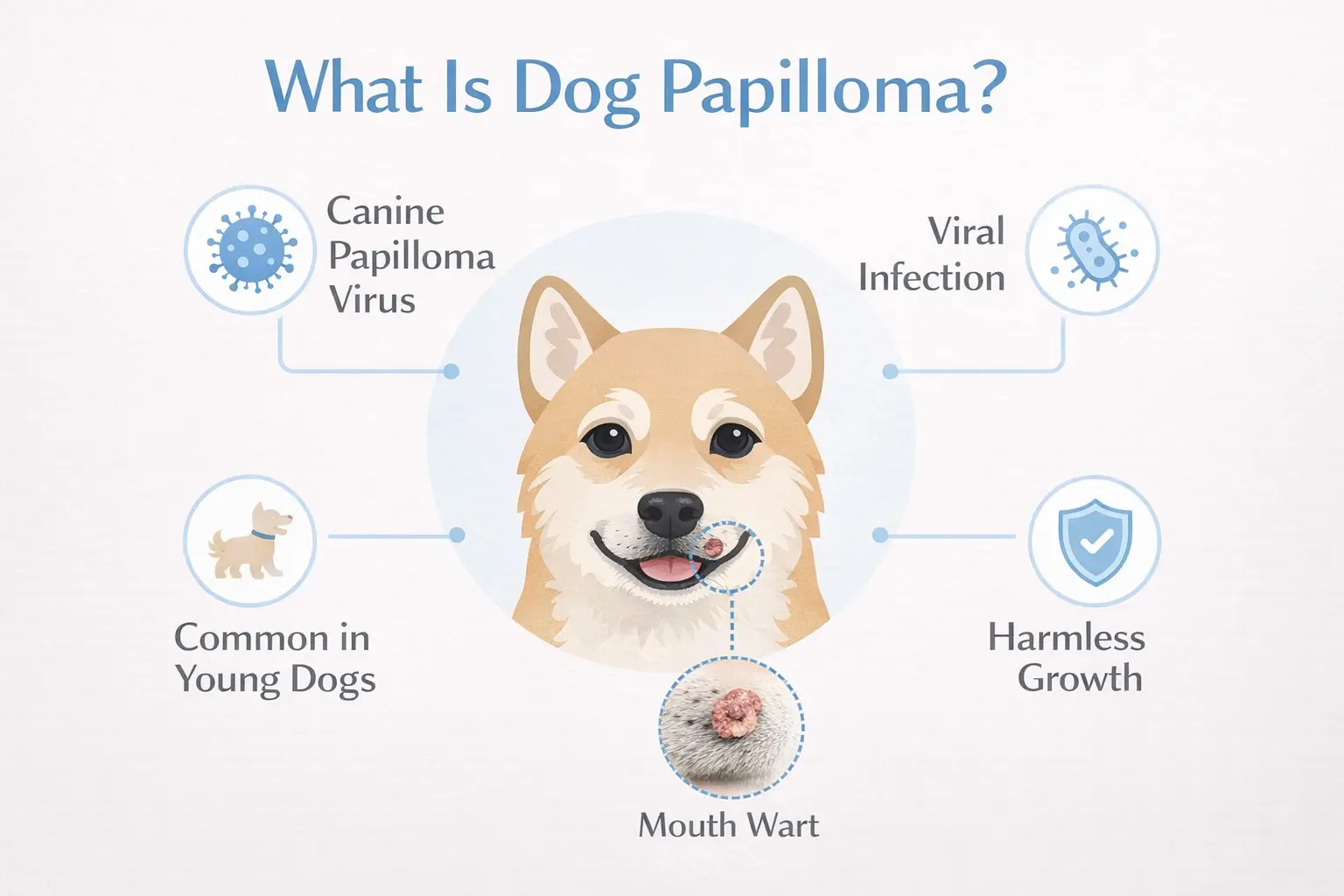
Dog papillomas are benign (non-cancerous) growths caused by the canine papillomavirus. They often look like small cauliflower-like bumps.
- Common in young dogs (under 2 years)
- Spread through contact (toys, bowls, other dogs)
- Often appear in clusters in the mouth (dog oral papilloma)
Typical Appearance And Behavior
- Rough, uneven surface (like a wart)
- Pink, white, or gray color
- Usually painless unless irritated
- May grow quickly before stabilizing
Is It Dangerous?
Most papillomas are harmless and go away on their own as the immune system fights the virus.
Daily Care Essentials
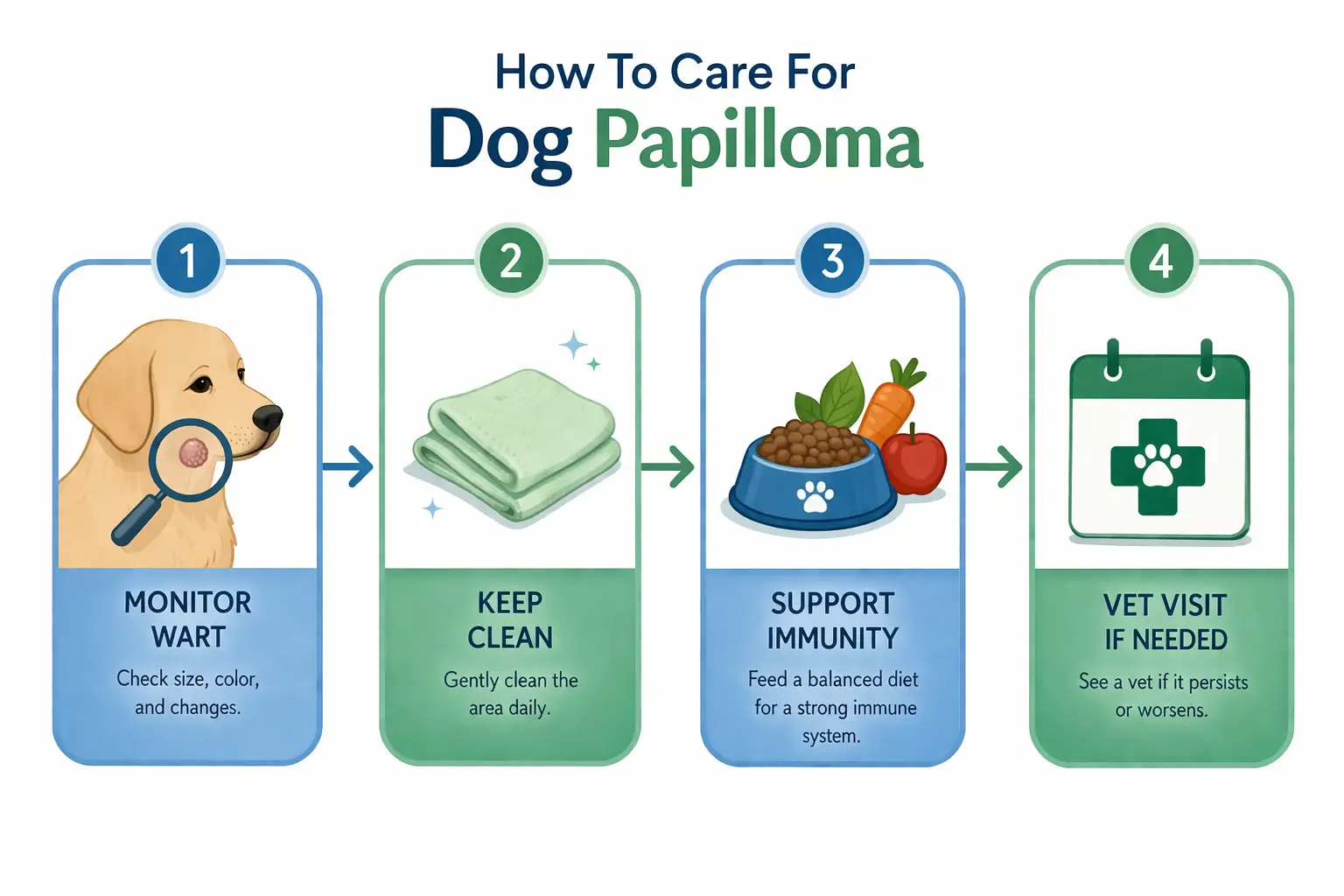
Monitoring Wart Changes Daily
Keep an eye on your dog’s wart:
- Check size, color, and texture
- Look for signs of bleeding or infection
- Note if your dog is scratching or chewing it
Keeping The Area Clean
- Gently clean with a damp cloth if dirty
- Avoid harsh chemicals or human creams
Preventing Spread
- Don’t share bowls or toys with other dogs
- Limit contact with puppies or immune-compromised dogs
Diet & Nutrition Guide
Supporting Immune Health Naturally
Since papillomas are viral, recovery depends on your dog’s immune system.
Feed a balanced diet rich in:
- High-quality protein
- Omega fatty acids
- Vitamins A, C, and E
Feeding By Life Stage
- Puppies: nutrient-rich growth diet supports immunity
- Adults: balanced maintenance diet
- Seniors: antioxidant-rich food to support aging immune systems
Foods To Avoid
- Excess processed treats
- Low-quality fillers
- Sudden diet changes (can stress immunity)
Exercise & Mental Stimulation
Keeping Your Dog Active
Regular exercise helps overall health and immune strength:
- Daily walks (20–60 minutes depending on breed)
- Light play sessions
Avoid Over-Irritation
If papillomas are in the mouth:
- Avoid rough chew toys
- Limit tug-of-war games
Mental Enrichment
- Puzzle toys
- Basic training sessions
- Calm interaction
Training & Behavior Guidance
Preventing Irritation Habits
Dogs may lick or scratch warts:
- Redirect with toys or commands
- Use gentle correction if needed
Socialization Caution
- Avoid dog parks while papillomas are active
- Prevent spreading the virus to other dogs
Health & Climate Considerations
Immune System And Recovery
Papillomas typically fall off when:
- The immune system recognizes and attacks the virus
- The wart dries, shrinks, and detaches
Climate Impact
- Hot weather: can irritate warts due to sweating and licking
- Cold weather: generally less irritation but monitor dryness
Hydration Matters
- Keep your dog well hydrated
- Proper hydration supports healing
Common Problems & Troubleshooting
Why Does My Dog Papilloma Fall Off
Cause:
- Natural immune response destroying infected cells
Solution:
- No treatment needed in most cases
Prevention:
- Maintain strong immunity
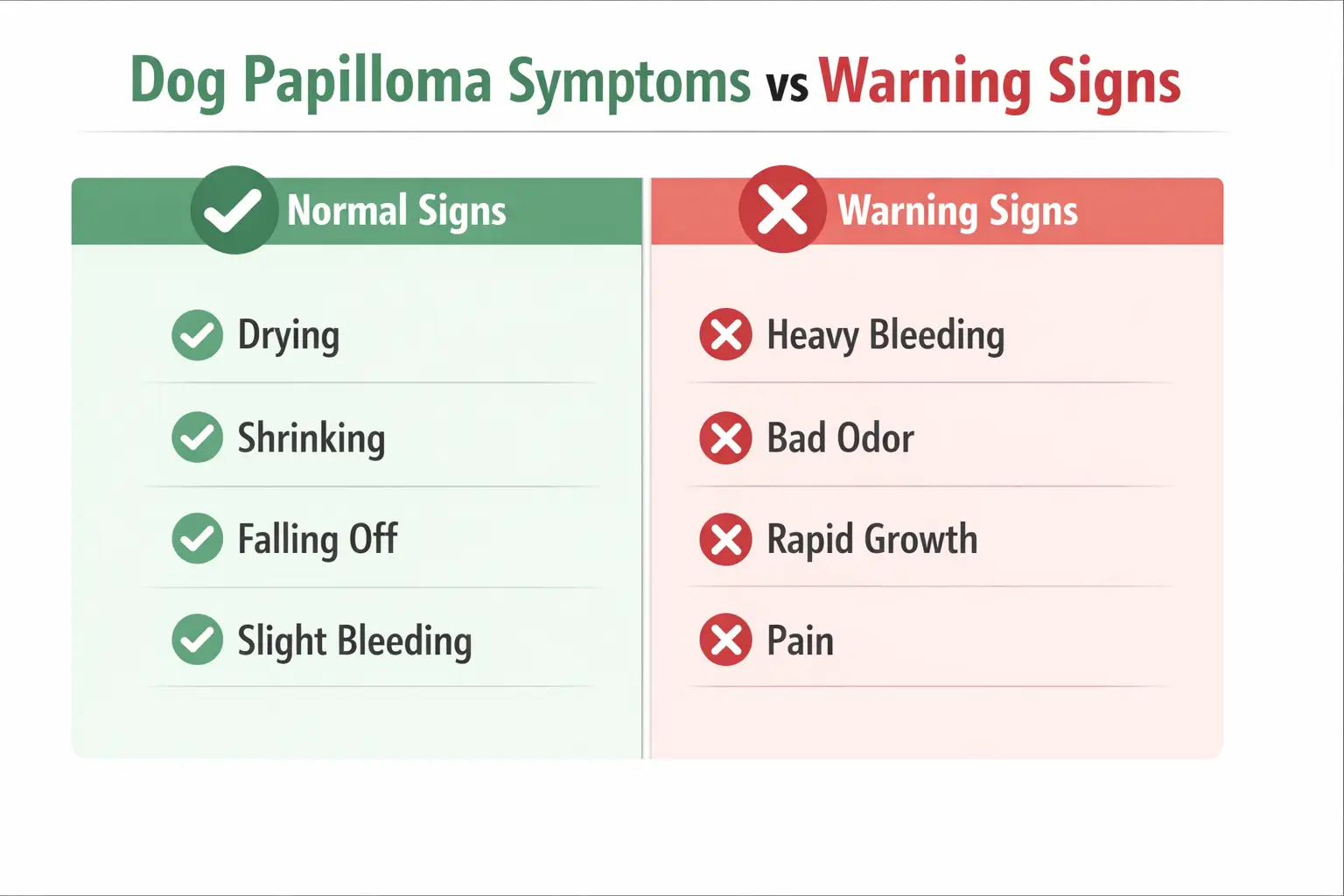
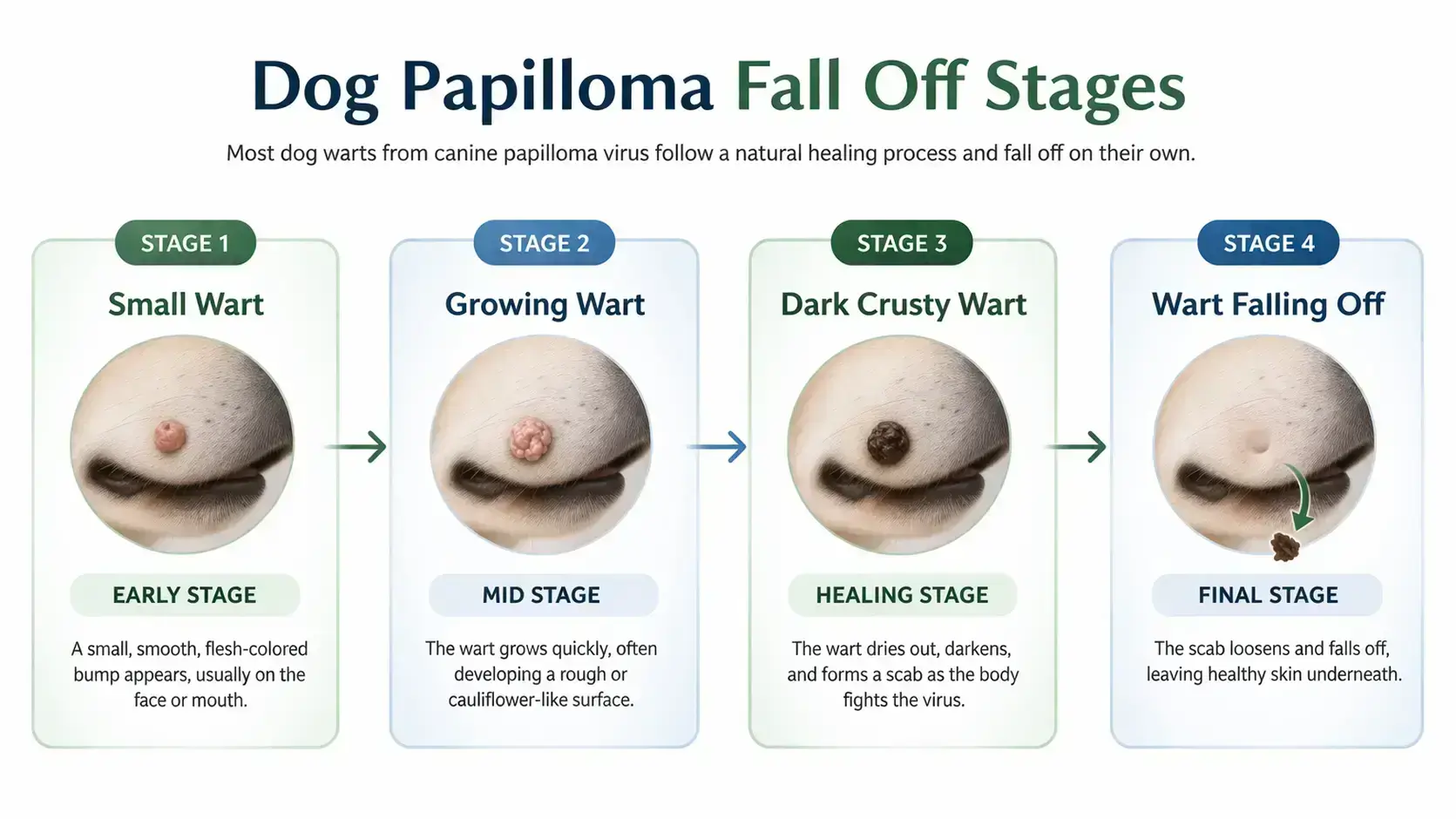
Dog Papilloma Fall Off Symptoms
You may notice:
- Wart turning dark or crusty
- Drying and shrinking
- Slight bleeding when it detaches
These are usually normal healing signs.
How Long Does Dog Papilloma Fall Off
- Typically 1–2 months after appearing
- Some may take up to 3 months
If it persists longer, consult a vet.
Bleeding Dog Wart
Cause:
- Wart falling off or being scratched
Solution:
- Apply gentle pressure with clean cloth
- Keep area clean
When to worry:
- Heavy bleeding
- Bad smell or discharge
Dog Wart Or Cancer Concern
Most papillomas are harmless, but check if:
- Rapid growth continues beyond 3 months
- Irregular shape or color
- Painful to touch
In these cases, a vet should evaluate to rule out cancerous warts on dogs.
Dog Papilloma In Mouth Issues
Cause:
- Viral growth in oral tissues
Symptoms:
- Difficulty eating
- Drooling
- Bad breath
Solution:
- Soft food temporarily
- Monitor eating habits
Do Dog Warts Fall Off On Their Own
Yes, in most cases:
- The immune system clears the virus
- Warts dry and fall off naturally
Seasonal Pet Care Tips
Spring
- Monitor increased contact with other dogs
- Watch for new growths
Summer
- Prevent excessive licking due to heat
- Keep hydration high
Fall
- Maintain nutrition as activity levels change
Winter
- Boost immunity with proper diet
- Keep indoor environment clean
Additional Expert Tips
Avoid Home Removal Methods
Do NOT:
- Cut or crush papillomas
- Use human wart removers
These can cause:
- Infection
- Pain
- Complications
When To Consider Treatment
Veterinary care may be needed if:
- Warts interfere with eating
- Multiple large growths
- Persistent beyond 3 months
Possible treatments:
- Surgical removal
- Immune support therapy
Simple Habits That Help
- Regular vet checkups
- Clean food and water bowls
- Stress reduction (important for immunity)
Conclusion
Dog papillomas can look concerning, but they are usually harmless and temporary. In many cases, a dog papilloma falling off is actually a sign of recovery, showing that your dog’s immune system is doing its job.
The key is to monitor changes carefully, keep the area clean, and avoid interfering with the natural healing process. While most warts resolve on their own, knowing when to seek veterinary advice ensures your dog stays safe and comfortable.
With proper care, patience, and attention, your dog will likely recover fully without complications.
Learn More: Blue Quaker Parrot Care Guide: Lifespan, Diet & Tips
FAQs
-
Can dog papilloma fall off on its own?
Yes, most dog papillomas fall off naturally as the immune system clears the virus.
-
How long does dog papilloma fall off?
Usually within 1 to 2 months, though some cases may take up to 3 months.
-
Why is my dog papilloma bleeding?
It may bleed slightly when falling off or if irritated, but heavy bleeding needs vet attention.
-
Does papilloma in dogs go away completely?
Yes, in most cases the virus is cleared and the wart disappears without treatment.
-
Are dog warts contagious?
Yes, papillomas caused by the canine papilloma virus can spread between dogs.
-
Should I remove my dog’s wart at home?
No, home removal can cause infection or injury. Always consult a vet if removal is needed.
-
What does a dog papilloma look like?
It usually appears as a small, rough, cauliflower-like growth, often around the mouth or paws.