
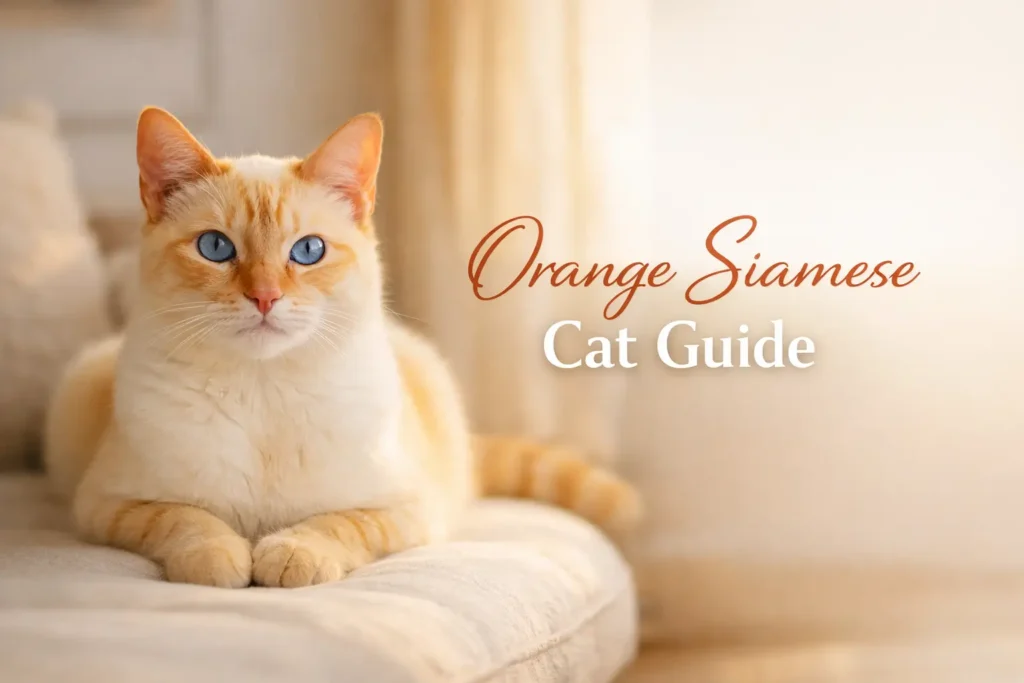
Orange Siamese cats—often called flame point Siamese—are one of the most eye-catching and affectionate feline companions. Their creamy white coats paired with soft orange or reddish points and striking blue eyes make them stand out among cat breeds. But beyond looks, their personality and care needs can surprise new owners.
Many first-time owners assume they are just like regular Siamese or typical orange tabby cats. In reality, they’re a unique mix—combining the vocal, social nature of Siamese cats with the playful warmth of orange cats. Understanding their needs early helps prevent common issues like excessive vocalization, boredom, or behavioral stress.
Pet Care Insight
This guide is based on widely accepted pet care practices, veterinary guidance, and common experiences shared by responsible pet owners. The goal is to provide practical, easy-to-follow advice that helps owners keep their pets healthy, comfortable, and well cared for.
Pet Overview
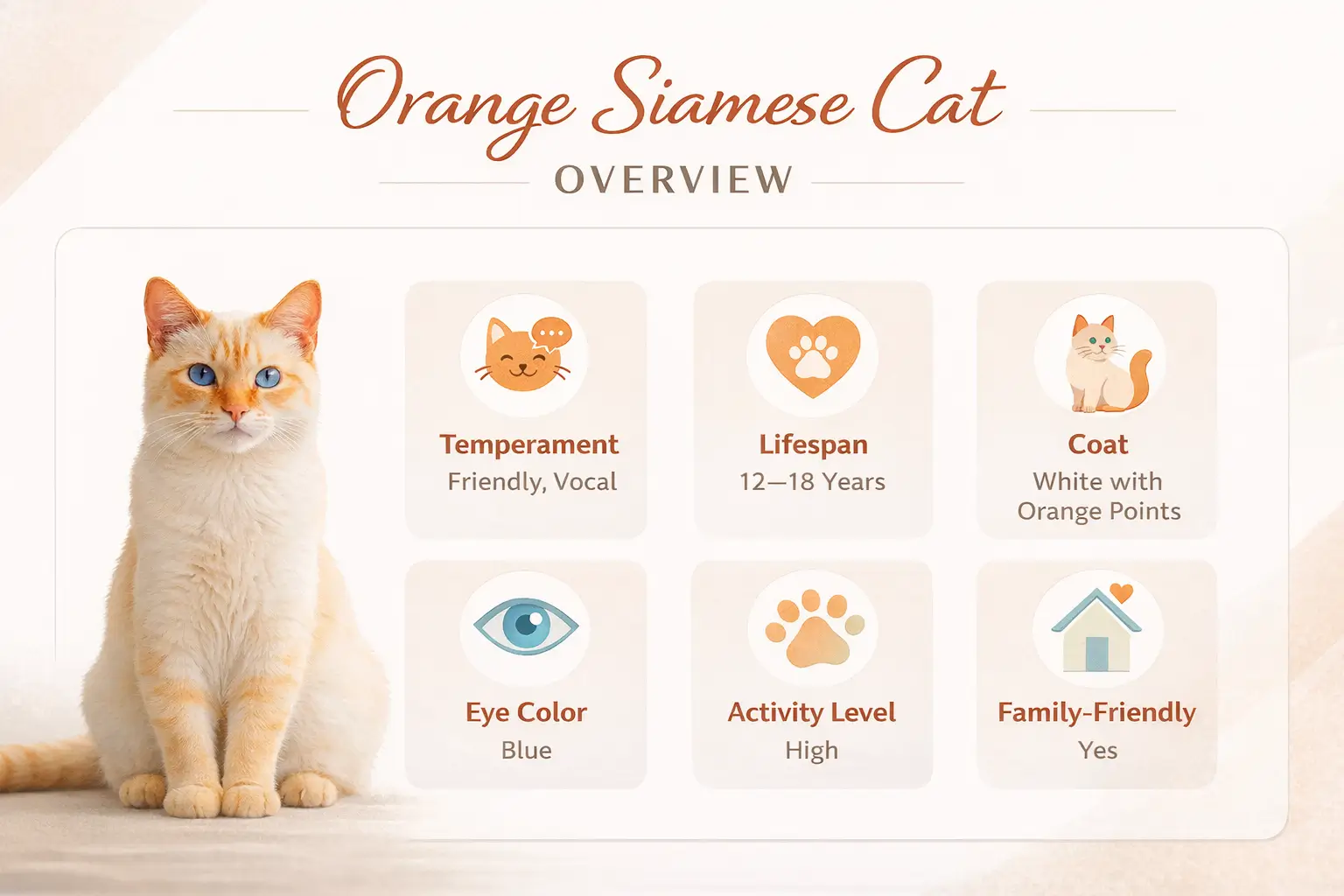
Temperament
- Highly social and people-oriented
- Vocal and expressive (classic Siamese trait)
- Affectionate and enjoys attention
- Playful well into adulthood
Lifespan
- Typically 12–18 years
- With proper care, some live beyond 20 years
Physical Characteristics
- Cream or white body with orange or flame-colored points
- Bright blue eyes
- Short or occasionally long hair (fluffy orange Siamese cat variants exist)
- Slim, elegant body similar to Siamese breed
Suitability For Families
- Excellent for families and singles
- Thrive in homes where they’re not left alone for long periods
Activity Level
- Medium to high energy
- Needs daily play and stimulation
Compatibility
- Good with children if handled gently
- Usually friendly with other cats and even dogs
Daily Care Essentials
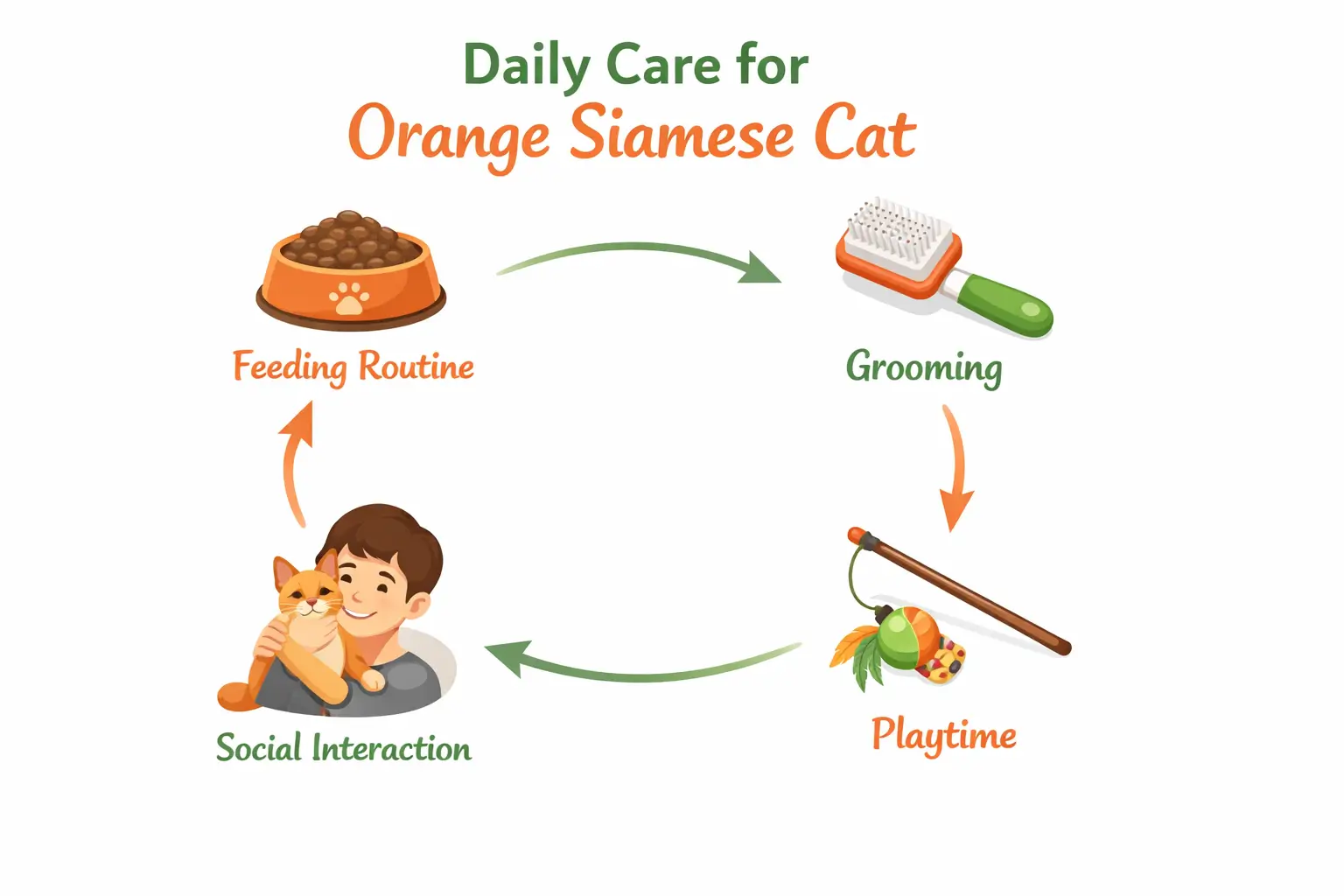
Feeding Routines
- Feed 2–3 times daily
- Maintain consistent feeding schedule
Grooming Basics
- Short-haired: brush once weekly
- Long-haired: brush 2–3 times weekly
Exercise Needs
- At least 20–30 minutes of active play daily
- Interactive toys are essential
Social Interaction
- Needs daily human interaction
- Can develop anxiety if ignored
Diet & Nutrition Guide
Feeding Schedule
-
Kittens (up to 1 year)
3–4 small meals daily
-
Adults
2 meals per day
-
Seniors
smaller, frequent meals if needed
Portion Control
- Adjust based on weight and activity level
- Avoid overfeeding (orange cats tend to gain weight easily)
Nutritional Needs
- High-protein diet (animal-based protein)
- Balanced fat levels for energy
- Taurine for heart and eye health
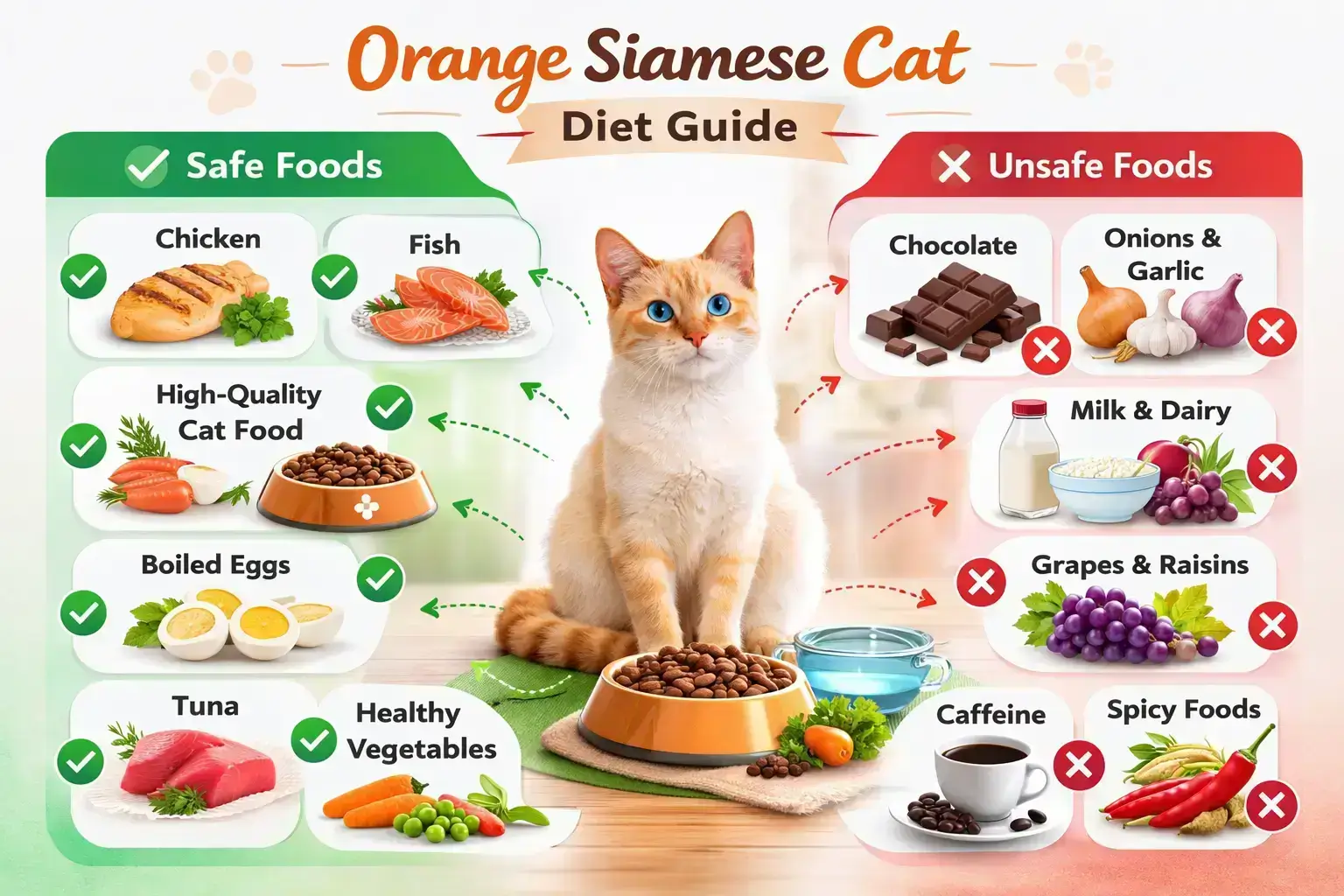
Safe Foods
- Cooked chicken or turkey (plain)
- High-quality wet and dry cat food
- Small amounts of fish
Unsafe Foods
- Chocolate
- Onions and garlic
- Dairy (can cause digestive issues)
- Raw fish or bones
Exercise & Mental Stimulation
Daily Activity Needs
- Minimum 20 minutes of interactive play
- Additional free play throughout the day
Playtime Ideas
- Feather wands
- Laser pointers (use responsibly)
- Toy mice or balls
Enrichment Activities
- Cat trees and climbing shelves
- Puzzle feeders
- Window perches for bird watching
Training & Behavior Guidance
Basic Training
- Litter training is usually easy
- Can learn commands like “come” or “sit”
Socialization Tips
- Introduce new people and pets gradually
- Reward calm behavior
Preventing Behavior Problems
- Provide enough attention
- Avoid long periods of isolation
- Use positive reinforcement instead of punishment
Health & Climate Considerations
Common Health Concerns
- Dental issues
- Respiratory sensitivity
- Obesity if inactive
Heat Considerations
-
In warm climates (like South Asia), ensure:
- Constant access to water
- Cool resting areas
- Avoid midday heat exposure
Cold Sensitivity
- Thin coats mean they can feel cold easily
- Provide warm bedding in winter
Hydration Needs
- Encourage water intake
- Wet food can help maintain hydration
Common Problems & Troubleshooting
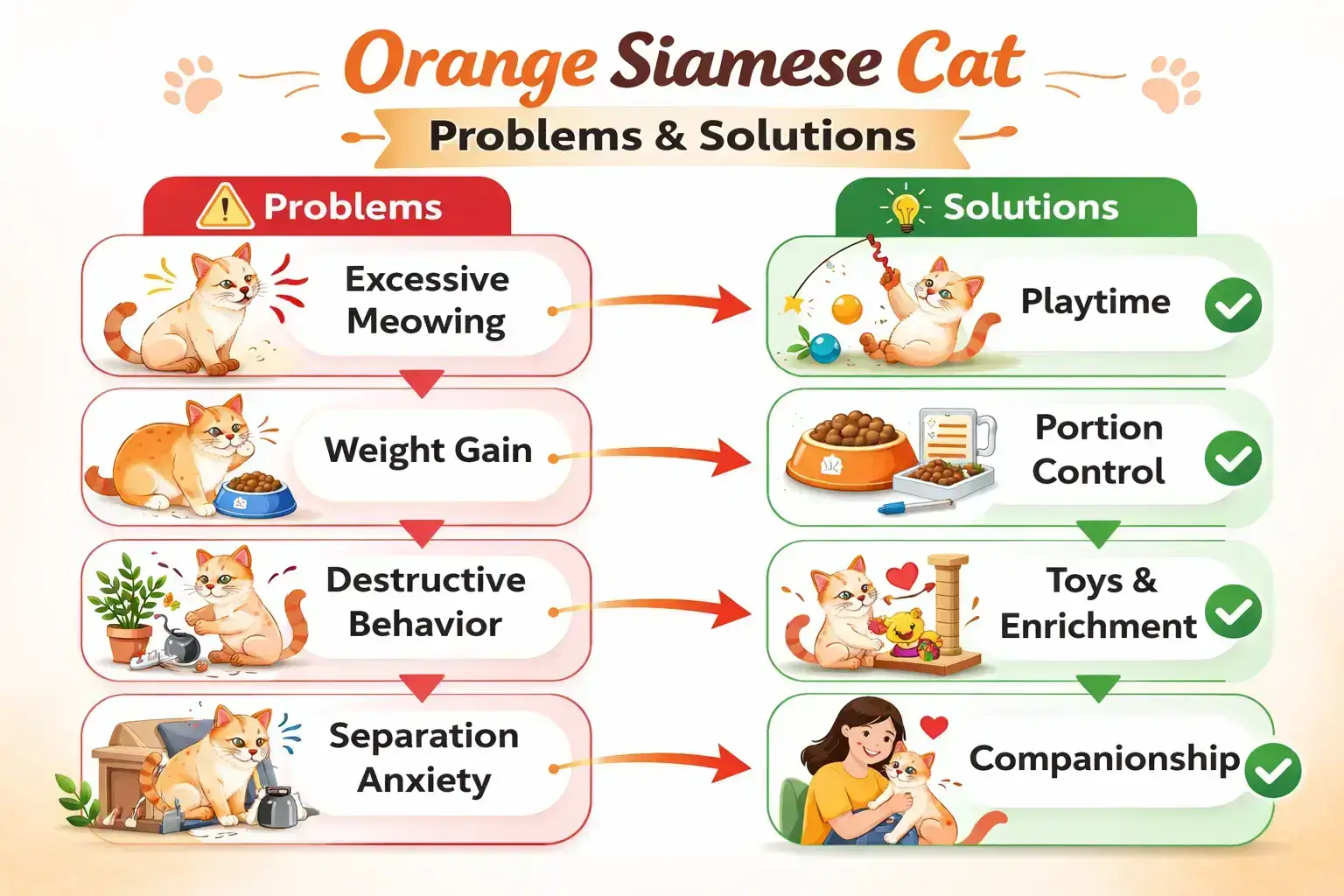
Excessive Vocalization
-
Cause
boredom or attention-seeking
-
Solution
increase playtime and interaction
-
Prevention
daily mental stimulation
Destructive Behavior
-
Cause
lack of exercise
-
Solution
provide scratching posts and toys
-
Prevention
scheduled play sessions
Weight Gain
-
Cause
overfeeding or inactivity
-
Solution
portion control and more activity
-
Prevention
regular feeding schedule
Separation Anxiety
-
Cause
being left alone too long
-
Solution
companion pet or interactive toys
-
Prevention
gradual independence training
Seasonal Pet Care Tips
Spring
- Monitor for shedding
- Increase grooming
Summer
- Keep environment cool
- Ensure constant hydration
Fall
- Adjust feeding as activity changes
- Check for parasites
Winter
- Provide warm sleeping spots
- Increase indoor play
Additional Expert Tips
Common Mistakes New Owners Make
- Underestimating their need for attention
- Not providing enough stimulation
- Overfeeding due to affectionate begging behavior
Simple Habits That Improve Health
- Daily play routine
- Regular grooming
- Routine vet checkups
Long-Term Care Considerations
- Plan for companionship (they dislike loneliness)
- Monitor weight and dental health
- Maintain a consistent routine
Conclusion
Orange Siamese cats are a beautiful blend of intelligence, affection, and playful energy. Their unique combination of Siamese personality and orange cat charm makes them incredibly engaging companions—but also means they require attention, stimulation, and consistent care.
By focusing on proper nutrition, daily interaction, and mental enrichment, you can prevent most common issues like boredom, weight gain, and behavioral problems. The key is simple: stay consistent, stay attentive, and treat your cat as the social, intelligent companion it truly is.
When cared for properly, these cats reward you with years of loyalty, companionship, and personality that truly stands out.
Learn More: Canker Sores on Dogs: Causes, Symptoms & Treatment Guide
FAQs
-
Are orange Siamese cats rare?
They are less common than standard Siamese but not extremely rare
-
What is the personality of a flame point Siamese cat?
Friendly, vocal, affectionate, and highly social
-
Do orange Siamese cats need a lot of attention?
Yes, they thrive on daily interaction and can get lonely easily
-
How much exercise does an orange Siamese cat need?
At least 20–30 minutes of active play daily
-
Are they good with children and other pets?
Yes, when properly socialized
-
Do orange Siamese cats have blue eyes?
Yes, most have bright blue eyes
-
Can they be left alone during the day?
Short periods are fine, but long isolation can cause stress




One Response