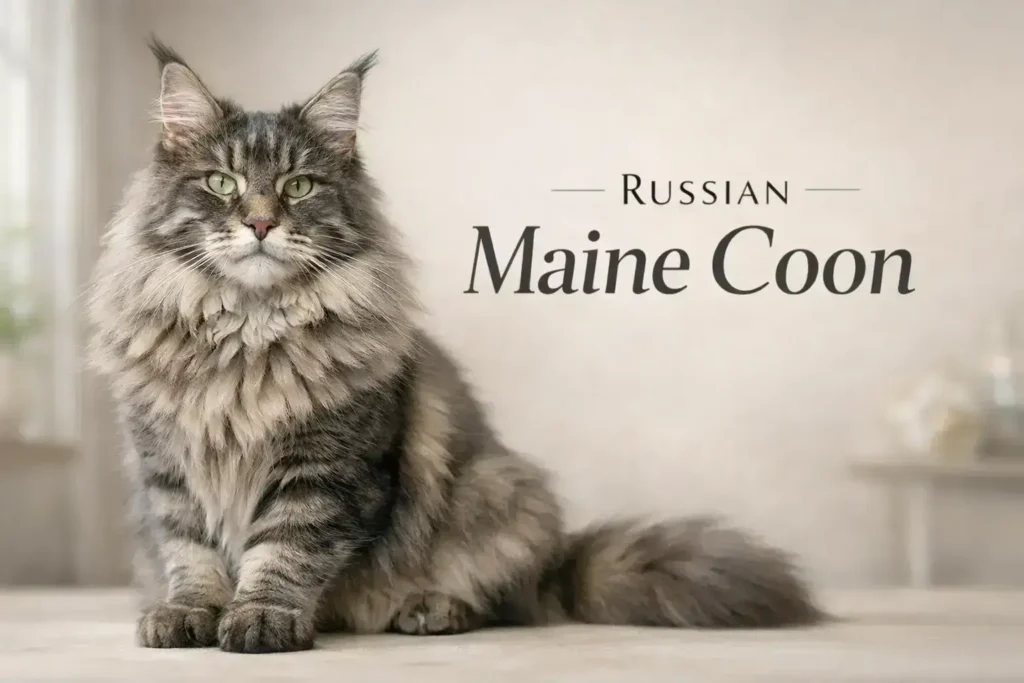
The russian maine coon has become increasingly popular among cat lovers due to its striking appearance, large size, and calm, affectionate personality. Often associated with the european maine coon type, these cats are known for their strong bone structure, thick coats, and more “wild” facial features compared to their american counterparts.
Many first-time owners are drawn to their giant size and beauty—but caring for a russian maine coon cat comes with specific responsibilities. Common mistakes include underestimating their grooming needs, overfeeding due to their size, and not providing enough mental stimulation for such an intelligent breed.
Pet Care Insight
This guide is based on widely accepted pet care practices, veterinary guidance, and common experiences shared by responsible pet owners. The goal is to provide practical, easy-to-follow advice that helps owners keep their pets healthy, comfortable, and well cared for.
Pet Overview
Temperament And Personality Traits
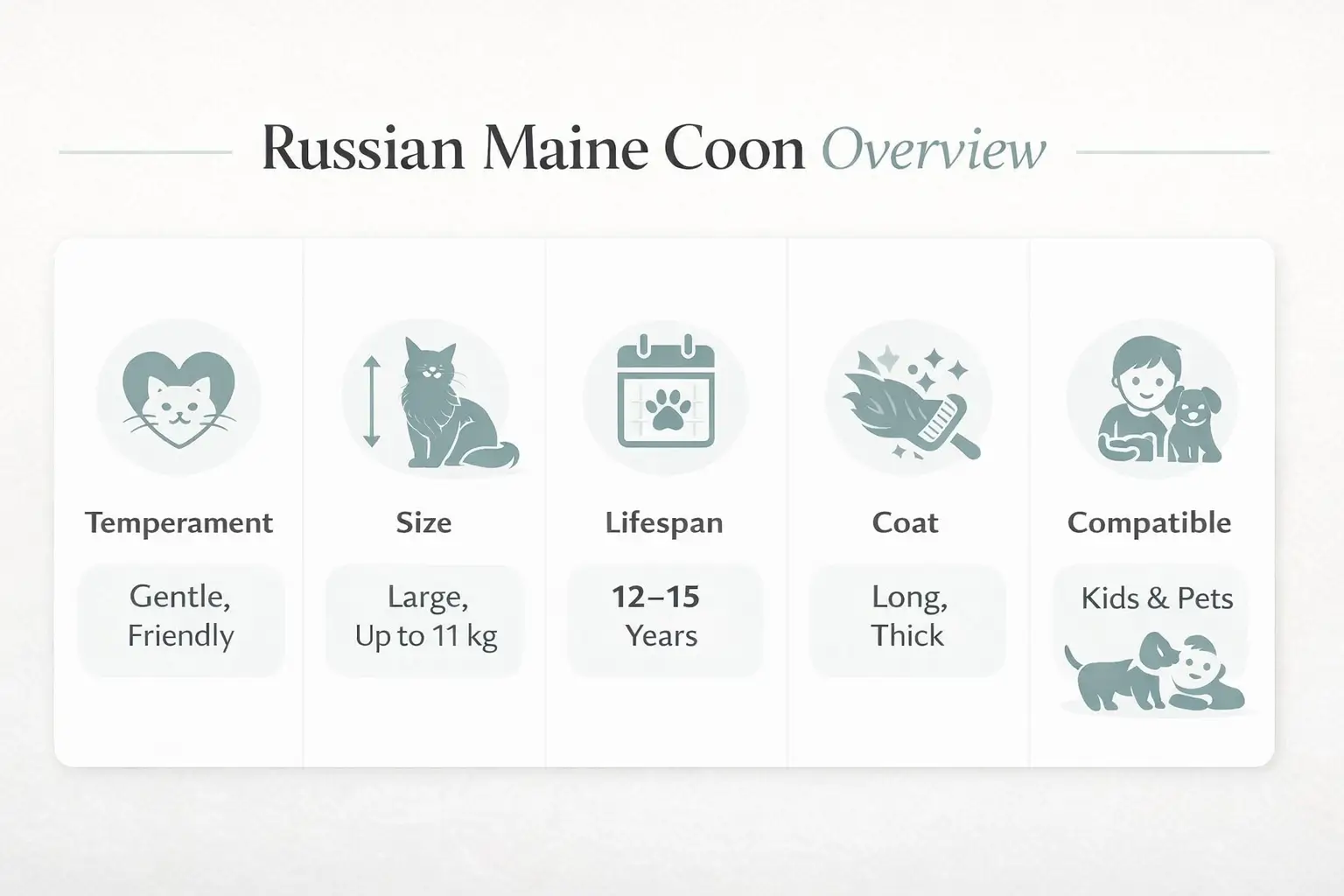
Russian maine coon cats are known for being:
- Gentle and affectionate
- Social but not overly clingy
- Intelligent and curious
- Quiet with soft vocalizations
They bond strongly with their owners and often follow them around the house.
Lifespan And General Health
- Average lifespan: 12–15 years
- With proper care, some live longer
- Generally hardy but prone to genetic conditions if poorly bred
Physical Characteristics And Size
- Large, muscular body
- Thick, water-resistant coat
- Prominent ear tufts and bushy tail
- Broader face (especially european/russian lines)
Typical russian maine coon size:
- Weight: 6–11 kg (13–24 lbs)
- Length: up to 100 cm (including tail)
Family Suitability And Compatibility
- Great with children
- Usually friendly with other pets
- Adaptable to apartments if given enough stimulation
Daily Care Essentials
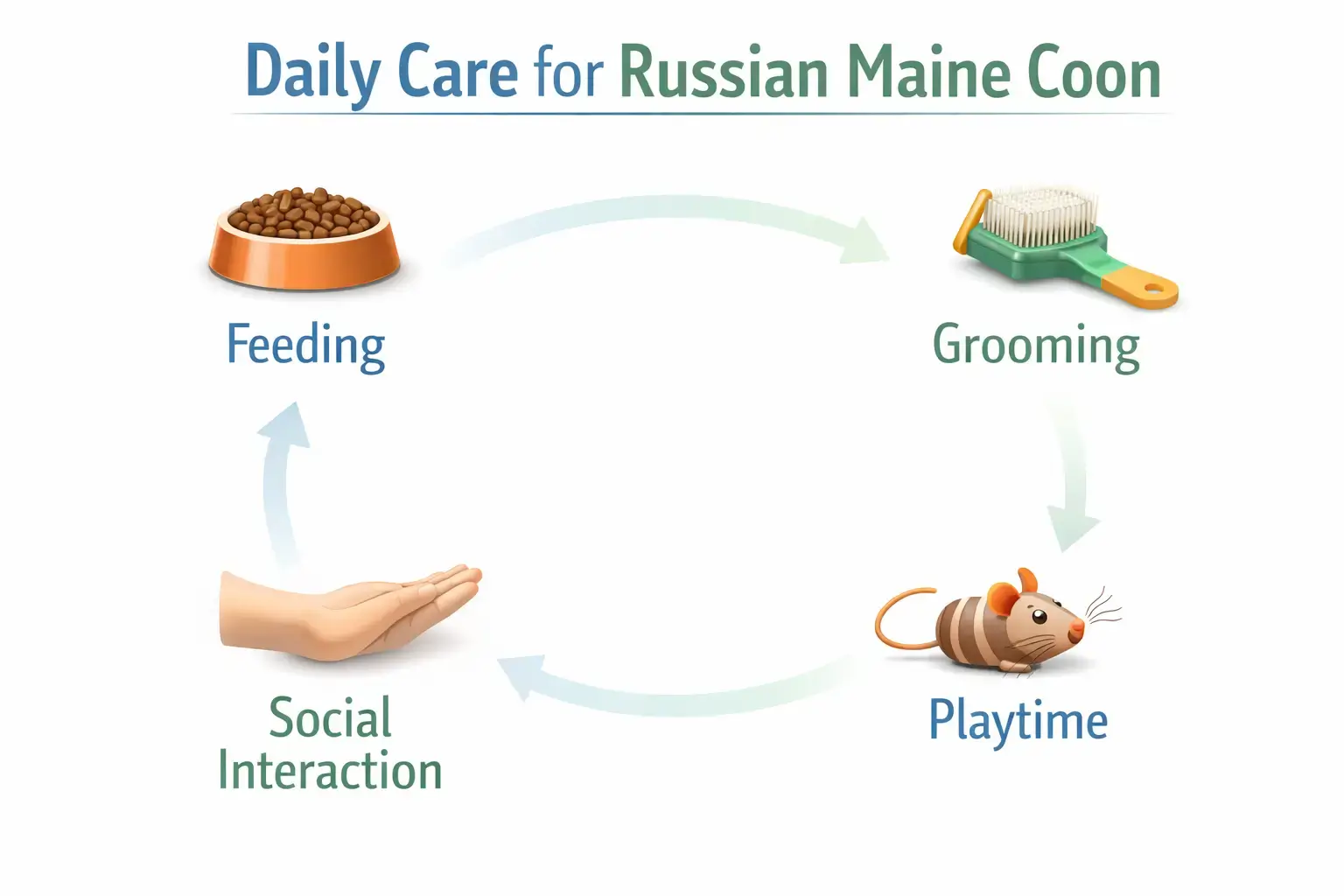
Feeding Routine Basics
- Feed 2–3 times daily
- Use high-protein cat food
- Avoid free feeding to prevent obesity
Grooming And Coat Maintenance
- Brush 3–4 times per week
- Daily brushing during shedding season
- Regular nail trimming and ear cleaning
Activity And Play Needs
- Moderate activity level
- Needs daily play sessions (15–30 minutes)
- Enjoys climbing and exploring
Social Interaction Requirements
- Needs regular interaction with owners
- Can become bored if left alone too long
- Benefits from interactive toys and companionship
Diet & Nutrition Guide
Feeding Schedule And Portions
- Kittens: 3–4 small meals daily
- Adults: 2 meals per day
- Seniors: Adjust portions based on activity
Portion control is important despite their large size.
Nutritional Needs For Growth
A healthy russian maine coon diet should include:
- High-quality animal protein
- Moderate fat
- Taurine for heart health
- Omega fatty acids for coat health
Safe Vs Unsafe Foods
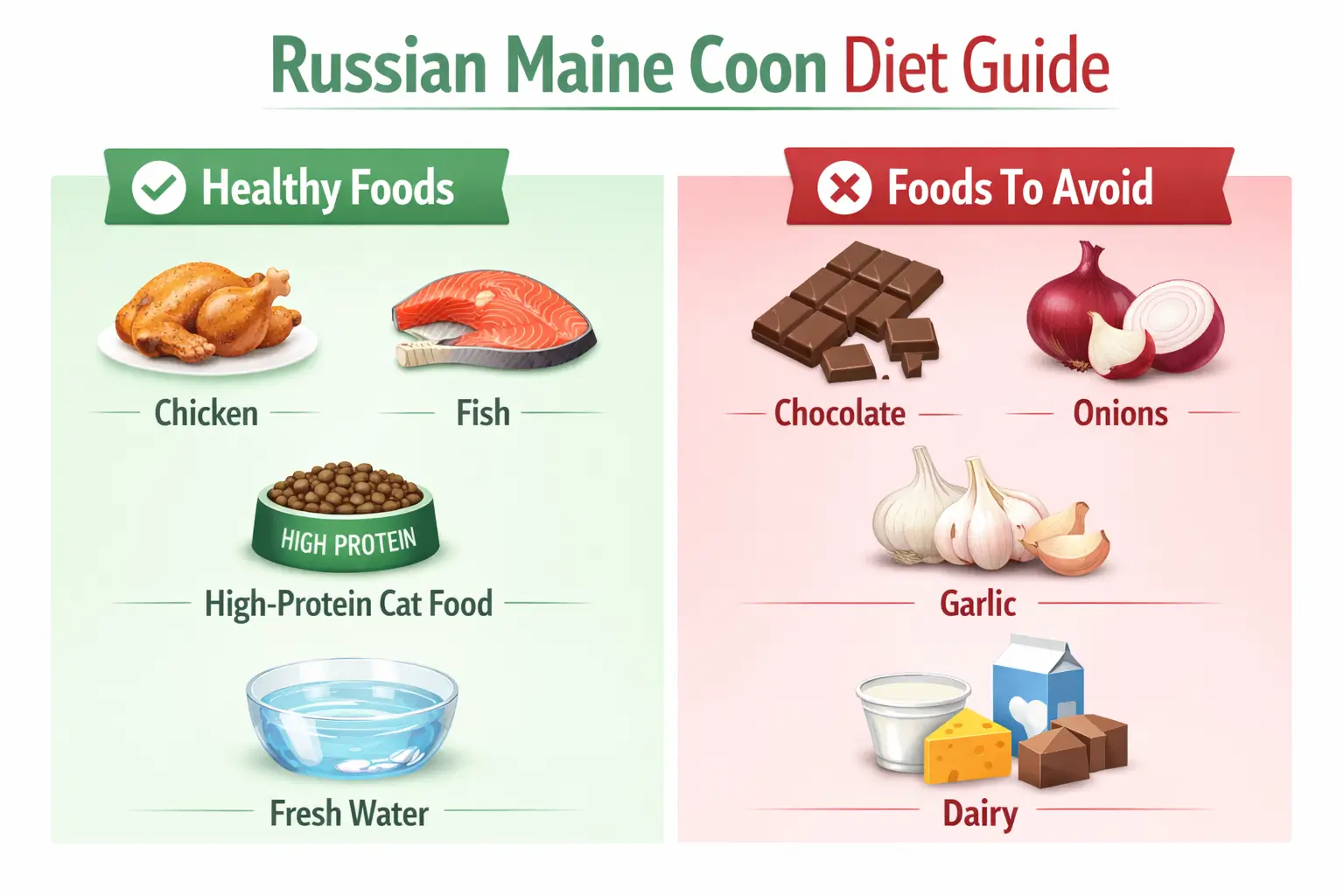
Safe foods:
- Cooked chicken
- Fish (in moderation)
- Commercial cat food
Unsafe foods:
- Chocolate
- Onions and garlic
- Dairy (can cause digestive issues)
Hydration And Water Intake
- Always provide fresh water
- Consider water fountains to encourage drinking
Exercise & Mental Stimulation
Daily Activity Requirements
Russian maine coons are not hyperactive but still need:
- Daily play sessions
- Climbing opportunities
- Space to move
Indoor Play Ideas
- Feather wand toys
- Laser pointers
- Puzzle feeders
Mental Enrichment Activities
- Training simple commands
- Interactive toys
- Rotating toys to prevent boredom
Training & Behavior Guidance
Basic Training Techniques
- Use positive reinforcement
- Reward with treats or praise
- Keep sessions short and consistent
Socialization Tips For Kittens
- Introduce new environments gradually
- Expose them to people and sounds early
- Encourage gentle handling
Preventing Behavior Problems
Common issues:
- Scratching furniture
- Boredom-related mischief
Solutions:
- Provide scratching posts
- Increase playtime and enrichment
Health & Climate Considerations
Common Health Concerns
- Hypertrophic cardiomyopathy (heart disease)
- Hip dysplasia
- Obesity if overfed
Regular vet checkups are essential.
Hot Climate Care
In warmer regions:
- Provide cool resting areas
- Ensure proper hydration
- Avoid excessive heat exposure
Cold Weather Adaptation
Their thick coat helps them tolerate cold, but:
- Indoor living is still recommended
- Avoid prolonged exposure to extreme cold
Common Problems & Troubleshooting
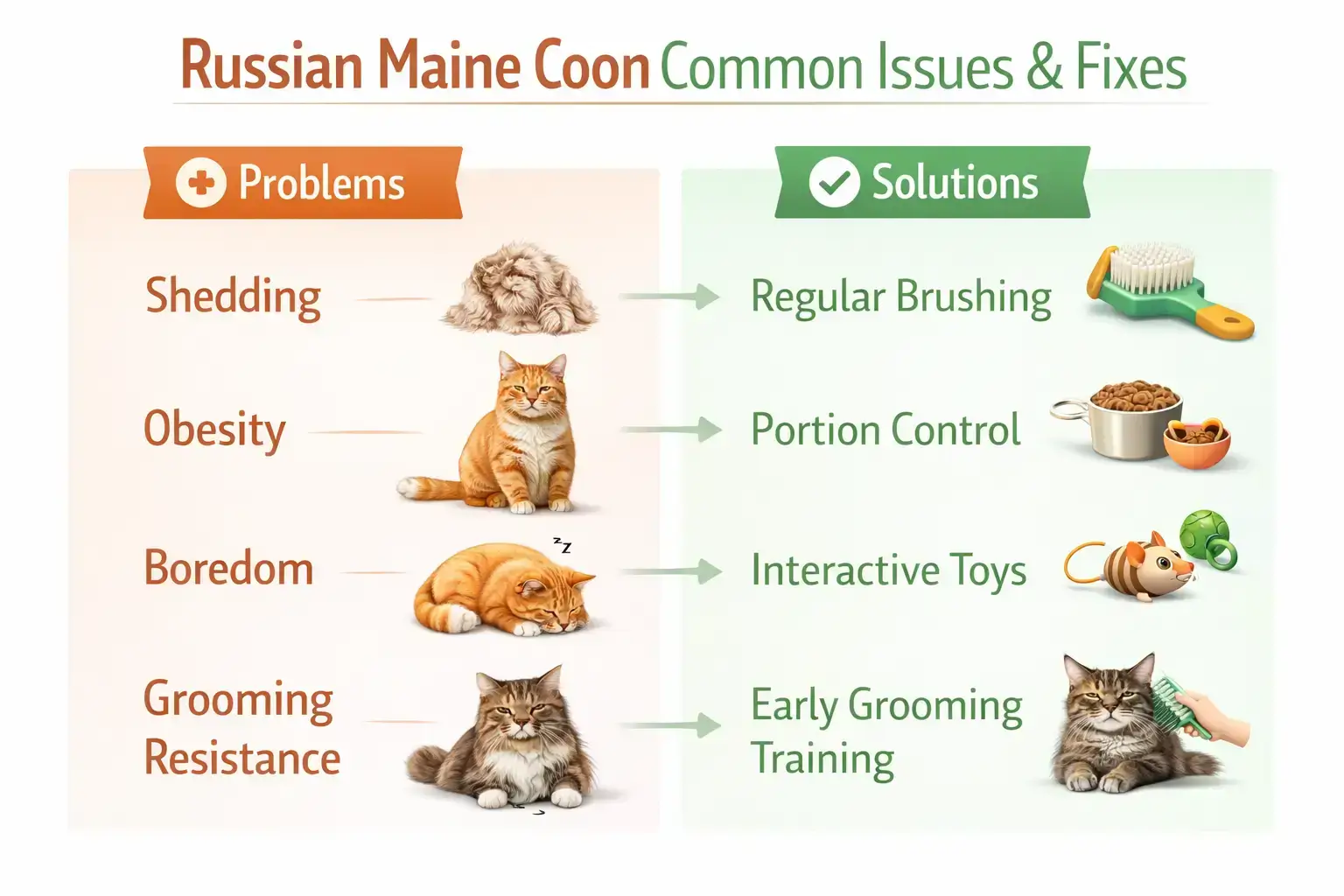
Excessive Shedding Issues
Cause:
- Seasonal coat changes
Solution:
- Increase brushing frequency
Prevention:
- Regular grooming routine
Overeating And Weight Gain
Cause:
- Free feeding
Solution:
- Controlled portions
Prevention:
- Scheduled feeding
Behavioral Boredom
Cause:
- Lack of stimulation
Solution:
- Interactive toys and playtime
Prevention:
- Daily engagement
Grooming Resistance
Cause:
- Not introduced early
Solution:
- Gradual grooming training
Prevention:
- Start grooming as a kitten
Seasonal Pet Care Tips
Spring Care Adjustments
- Increased shedding management
- Watch for allergies
Summer Heat Protection
- Keep environment cool
- Provide fresh water at all times
Fall Preparation Tips
- Adjust feeding as activity changes
- Maintain grooming routine
Winter Comfort Care
- Provide warm bedding
- Encourage indoor activity
Additional Expert Tips
Avoid Common Owner Mistakes
- Don’t assume large size means high food needs
- Avoid skipping grooming
- Don’t ignore mental stimulation
Build Healthy Daily Habits
- Regular feeding schedule
- Daily playtime
- Weekly grooming checks
Long-Term Care Considerations
- Invest in quality nutrition
- Schedule annual vet visits
- Monitor weight and activity levels
Conclusion
Caring for a russian maine coon requires understanding their unique needs—from their large size and thick coat to their intelligent and social nature. With proper nutrition, regular grooming, and consistent interaction, these cats thrive as loving companions.
Avoid common mistakes like overfeeding or neglecting mental stimulation, and focus on building a routine that supports both their physical and emotional well-being. With the right care, a russian maine coon cat can be a loyal, gentle, and impressive addition to your home.
Learn More: Dog Papilloma Fall Off: Signs, Healing & Timeline
FAQs
-
How big does a russian maine coon get?
They can weigh between 6–11 kg and grow up to 100 cm in length, making them one of the largest domestic cat breeds.
-
What is the difference between russian maine coon vs american maine coon?
Russian (European) types usually have a more rugged look, larger build, and stronger facial features compared to the softer appearance of american maine coons.
-
How often should I groom a russian maine coon?
At least 3–4 times per week, and daily during heavy shedding seasons.
-
Are russian maine coon kittens hard to care for?
They require attention, socialization, and frequent feeding but are generally manageable with a consistent routine.
-
Do russian maine coon cats need a lot of exercise?
They need moderate daily activity and mental stimulation but are not overly energetic.
-
Can russian maine coons live in hot climates?
Yes, but they need proper cooling, hydration, and shade to stay comfortable.


One Response