Senior dog tooth extraction recovery begins the moment you bring your furry companion home from dental surgery, and it’s a mix of relief and anxiety. The bad teeth causing them pain are finally gone, but now you’re in charge of a groggy, potentially sore companion and you’re not entirely sure what “normal” recovery looks like. The most common mistake well-meaning owners make is rushing the process—offering hard food too soon or letting them gnaw on a favorite toy before the surgical site has a chance to heal. This guide is here to walk you through it, step by gentle step.
Quick Summary
-
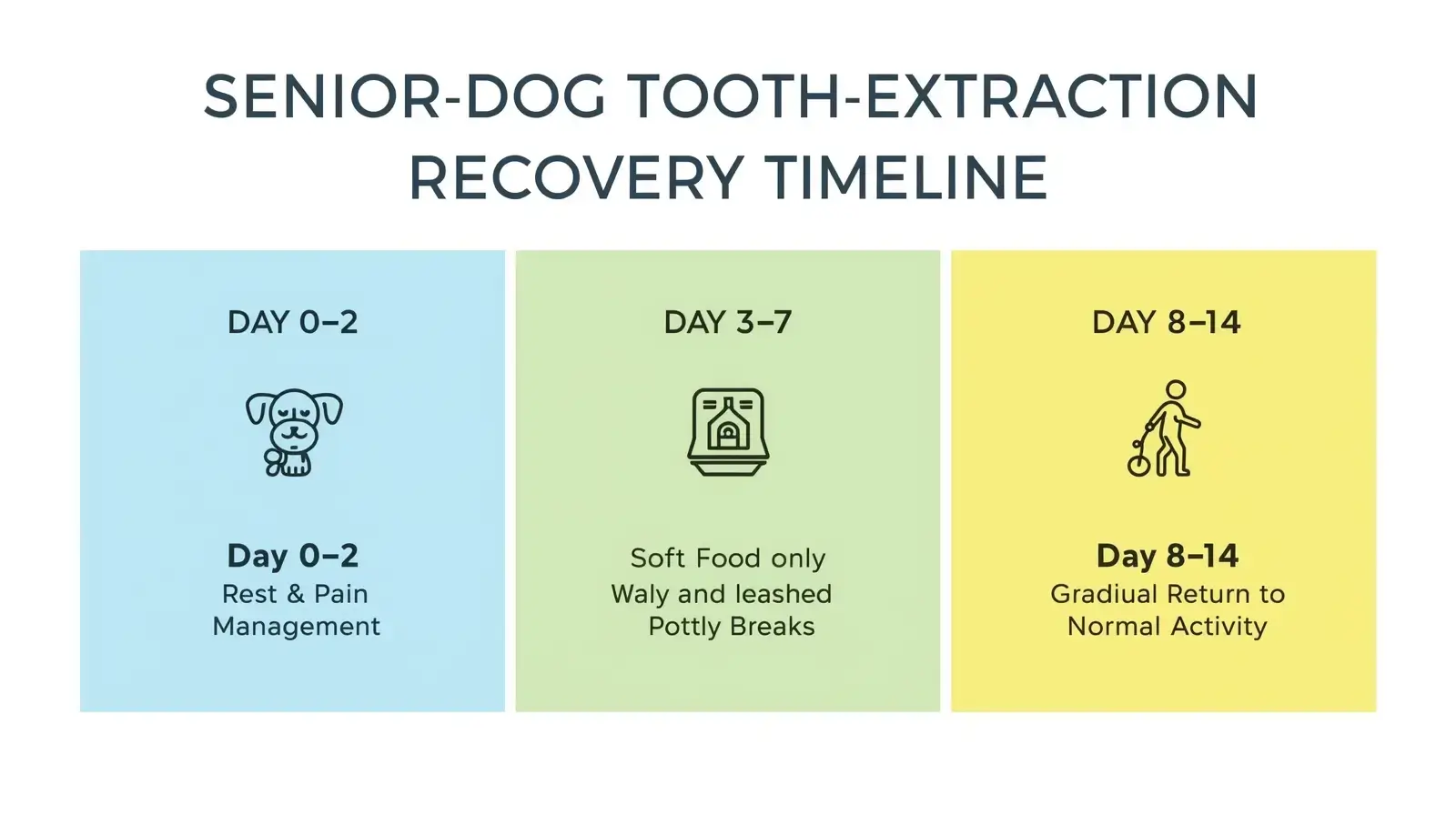
Total Recovery Time
While initial grogginess fades in 24-48 hours, complete healing of the extraction site in a senior dog typically takes 10-14 days.
-
Crucial First 48 Hours
This is all about rest, managing pain, and ensuring your dog is warm, comfortable, and hydrated.
-
The Number One Rule Soft Food Only
Absolutely no hard kibble, crunchy treats, bones, or chew toys for at least 10-14 days.
-
Pain Management Is Key
Senior dogs are stoic. If your vet sent home pain medication, use it as directed for the entire prescribed course, even if your dog seems “fine.”
-
Monitor Closely
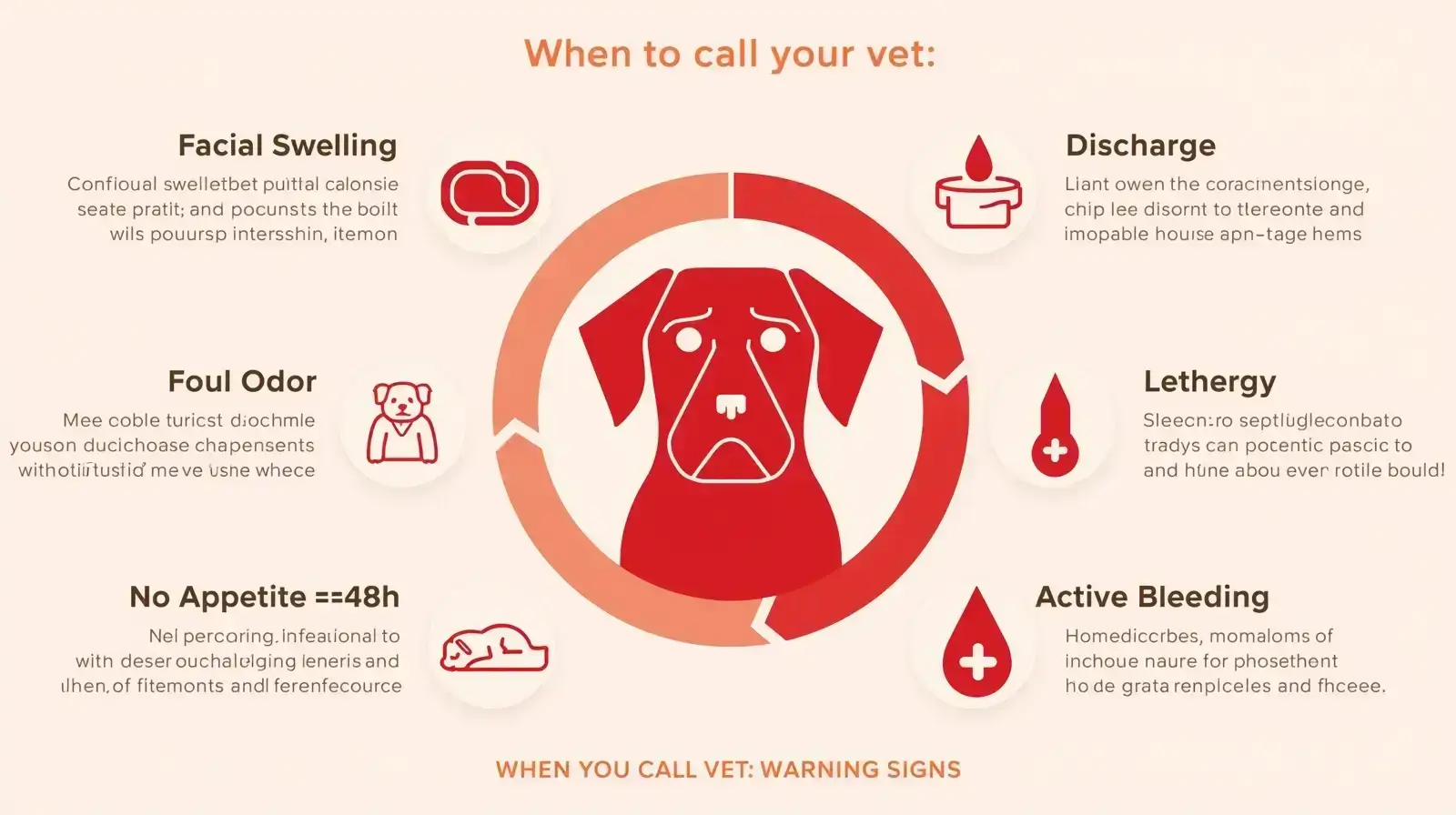
You are their best advocate. Watch for signs of complications like swelling, discharge, or refusing food after the first couple of days.
Pet Care Insight
This guide is based on widely accepted veterinary care practices, expert guidance from board-certified veterinary dentists, and the real-life experiences of devoted pet owners. Our goal is to give you the confidence and practical know-how to navigate your senior dog’s recovery smoothly and safely.
Senior Dog Overview:
Why Recovery Is Different
-
Temperament and Lifespan Considerations
Senior dogs are often calmer and more set in their ways, which can actually be a blessing during recovery. They may be more content to rest and cuddle. Their lifespan expectations vary widely by breed, but their overall health status is the most important factor in surgical recovery.
-
Physical Traits and Activity Level
Older dogs may have existing conditions like arthritis, making them stiffer and more sensitive after a long procedure. Their activity level is generally lower than a puppy’s, but they still need gentle, short-term adjustments to prevent them from overdoing it once they feel a bit better.
-
Family Suitability and Compatibility
A quiet, predictable home environment is ideal for a senior dog’s recovery. They thrive on routine and gentle handling. This is a time to ask visiting grandchildren to be “gentle helpers” and keep other pets calm.
Daily Care Essentials:
The First 10-14 Days
The first two weeks are a delicate dance of providing comfort while protecting the healing extraction sites.
-
Feeding Routine After Surgery
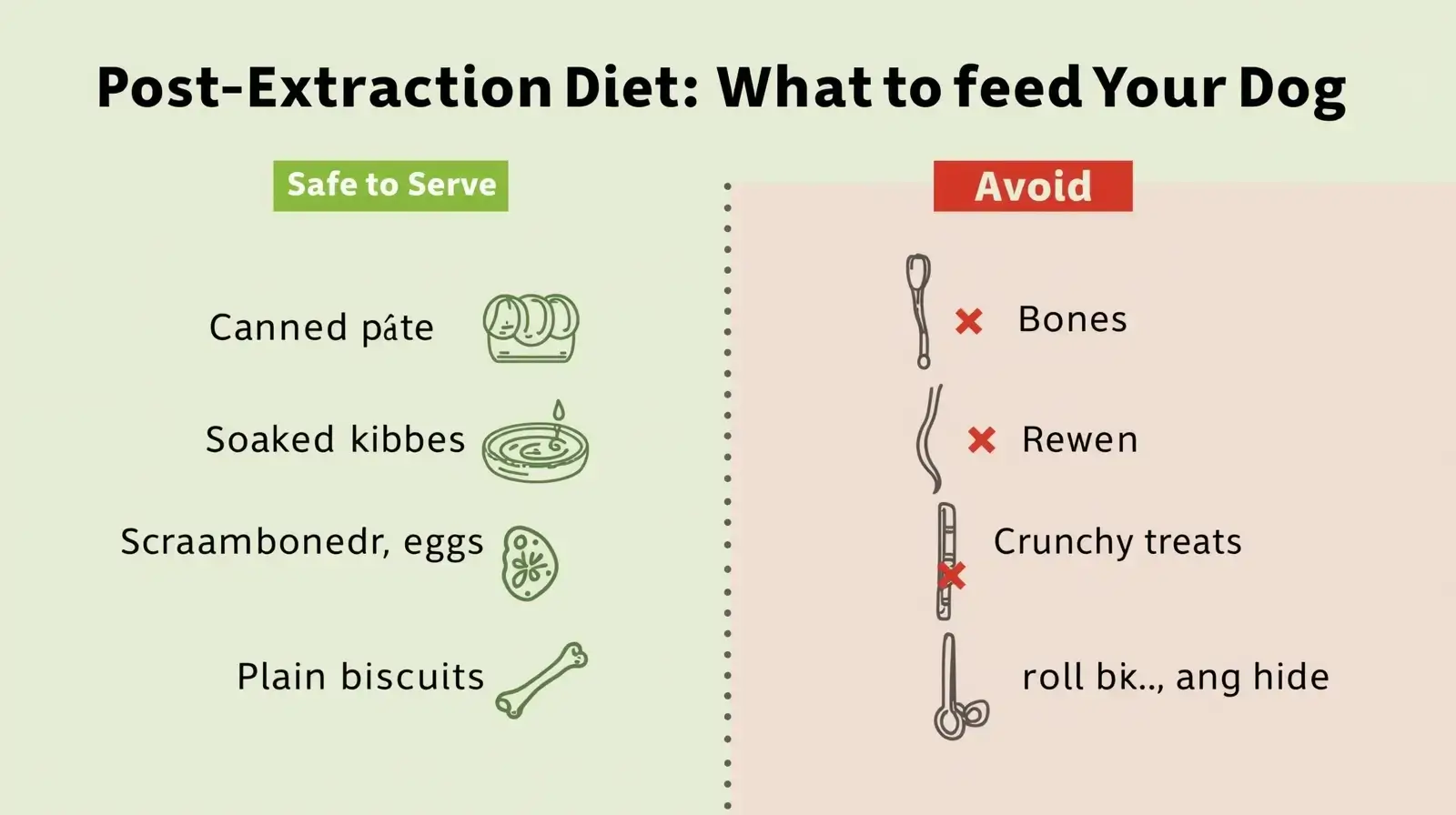
The first day home involves small, light meals. Offer a quarter portion of soft food a few hours after arriving home. Prioritize water and encourage small, frequent drinks. For the next two weeks, switch entirely to a soft-food diet including pâté style canned food, kibble soaked until mushy, or a bland home-cooked diet of poached chicken and rice. A common real-life tip is to prepare several days of soft food in advance and store it in the fridge. A common mistake is placing the bowl on the floor and expecting normal eating. Instead, offer soft food on a lick mat or from your fingers to stimulate appetite without painful chewing.
-
Grooming and Hygiene Basics
Do not brush your dog’s teeth, use oral rinses, or offer dental chews until your vet gives the all-clear at the two-week recheck. For face cleaning, some blood-tinged drool is normal for the first day. Gently wipe the chin with a warm, damp cloth, avoiding the mouth itself. Full baths should be avoided due to stress; spot-clean with pet wipes if necessary.
-
Exercise and Social Needs
Strict rest is best for the first five to seven days. Restrict activity to short, leashed potty breaks only. This prevents blood pressure spikes that disrupt healing clots. For more detailed post-operative guidance, VCA Animal Hospitals provides an excellent overview of post-operative instructions in dogs covering everything from feeding to incision care.
Diet and Nutrition Guide:
Fueling Healing
-
Nutritional Needs and Portion Control
High-quality, easily digestible protein is essential for tissue repair. Safe foods include canned pâté, poached shredded chicken, scrambled eggs, plain yogurt, and plain pumpkin puree. Unsafe foods to avoid completely include hard kibble, crunchy treats, bones, antlers, rawhide, and toxic foods like onions or grapes. A feeding schedule of three to four smaller meals per day is often easier on a sore mouth than one or two large meals. For long-term meal planning beyond the recovery period, our guide on what to feed dogs with no teeth offers additional creative and nutritious soft food ideas.
-
Clarifying Confusing Feeding Advice
Many owners worry about calories with soft food, but during recovery, maintaining energy and hydration is more important than strict portion control. Canned recovery diets are specifically formulated to be nutrient-dense, so you do not need to feed a large volume to meet nutritional requirements.
Exercise and Mental Stimulation:
Calm Enrichment
-
Daily Activity Needs and Adjustments
Confining a senior dog is necessary but challenging. Replace physical walks with a five-minute “sniffari” on-leash, allowing them to sniff every blade of grass. This is mentally tiring and fulfills exploration needs without strain.
-
Easy At-Home Activities
Brush up on low-movement tricks like “touch” (nose to hand) using soft treats. Rotate their soft toys to maintain interest, or place a soft treat in a cardboard box they can nuzzle without needing to crunch or chew.
Training and Behavior Guidance:
Post-Surgery Patience
-
The E-Collar and Medication Struggles
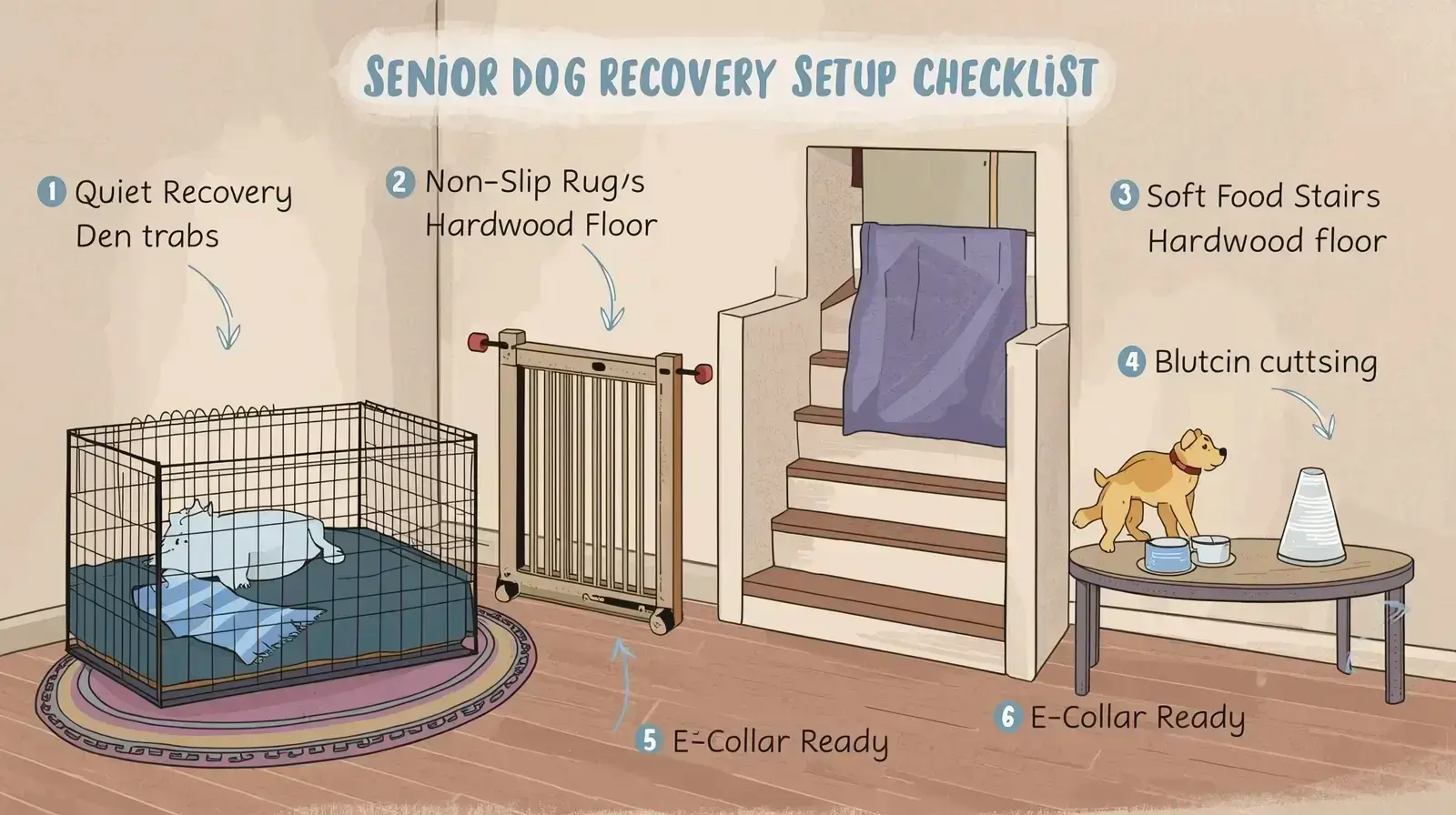
The protective cone is non-negotiable if sutures are present. It takes seconds for a dog to rip out stitches. Make the experience positive by feeding treats through the cone. For medication, seniors are often masters at spitting out pills. Hide medication in a small meatball of canned food or a bit of cream cheese to ensure they receive the full pain relief dose.
-
Hiding Behavior and Comfort
Senior dogs may instinctively hide when feeling unwell. Create a quiet “recovery den” with a soft bed in a low-traffic area. Allow them to retreat undisturbed, checking on them periodically without forcing interaction.
Health and Climate Considerations
-
Heat Safety and Hydration
A dog wearing an E-collar cannot pant as effectively. In warm weather, ensure they are in an air-conditioned space. Hydration is critical; if reluctant to drink, add a splash of low-sodium broth to water or offer ice cubes to lick.
-
Cold Care and Comfort
Anesthesia lowers body temperature. Provide a warm bed with soft blankets. A pet-safe heating pad on a low setting under a blanket can be comforting for achy senior joints.
| Feature | Lick Mat with Soft Food | Soft Plush Toy (No Squeaker) | Hard Dental Chew / Bone / Rawhide |
|---|---|---|---|
| Safety Level | Very High | High (Requires Supervision) | Extremely Low – Dangerous |
| Suitability | Excellent for mental stimulation and delivering medication without chewing. | Good for comfort and gentle cuddling. Provides a sense of normalcy. | Not suitable under any circumstances during recovery. |
| Risks | None, provided only soft food is used. | Ingestion of stuffing or fabric if the toy is destroyed. Always supervise use. | Dislodged sutures, wound reopening, severe pain, infection, risk of jaw fracture. |
| Purpose | Soothes anxiety, promotes licking (a natural calming behavior), and provides a safe activity. | Serves as a comfort item and mimics companionship during confinement. | High risk of causing a surgical complication requiring emergency veterinary care. |
| Recommended? | Yes, highly recommended. | Yes, with caution and constant supervision. | No. Avoid at all costs until cleared by a veterinarian. |
Common Problems and Troubleshooting
Problem Pawing at Face
Cause
Discomfort or sensation of suture material.
Solution
Ensure E-collar is fitted correctly. Distract with a lick mat. Behavior is normal for first 48 hours.
Prevention
Strict adherence to pain medication schedule.
When to See a Vet
If pawing is frantic, constant, or persists beyond 48 hours.
Problem Foul Breath After Extraction
Cause
Often normal initially, but a sudden rotten odor signals infection or dry socket.
Solution
Monitor closely.
Prevention
Follow soft-food diet strictly.
When to See a Vet
If smell is new and foul 3-5 days post-op, or accompanied by swelling or appetite loss. Familiarizing yourself with common symptoms of dog tooth infection can help you identify a problem before it becomes an emergency.
Problem Excessive Drooling With Blood
Cause
Sore gums or slight oozing from site. Blood-tinged drool is expected for 24 hours.
Solution
Gently wipe chin with damp cloth.
Prevention
Normal part of healing.
When to See a Vet
If there is active, dripping blood that does not stop after 10-15 minutes of gentle pressure with gauze.
Seasonal Pet Care Tips
-
Spring Considerations
If your dog has seasonal allergies and is on medication, inform your vet. Post-surgical inflammation can mimic an allergic flare-up.
-
Summer Heat Protection
The biggest risk is overheating with an E-collar. Keep your senior in a cool, well-ventilated space at all times.
-
Fall Routine Changes
As household schedules change, ensure the quiet recovery space remains undisturbed and medication times stay consistent.
-
Winter Indoor Care
Provide extra warmth with cozy blankets. Cold air makes a sore mouth more sensitive; shorten potty breaks to avoid prolonged exposure.
Additional Expert Tips
-
Pre-Op Bloodwork Is Crucial
Never skip pre-anesthetic bloodwork for a senior dog. It ensures liver and kidney function are safe for metabolizing anesthetic drugs.
-
Understanding Senior Dog Tooth Extraction Cost
Costs vary by region and complexity but average between $60 and $150 per tooth, plus the cost of the anesthetic dental cleaning which can range from $500 to $1,000. This is an investment in long-term comfort.
-
Anesthesia Safety in Older Dogs
Age is not a disease. Modern protocols with IV catheters and constant monitoring make anesthesia very safe for seniors when proper screening is done.
-
Long-Term Payoff of Dental Surgery
Within a few weeks of healing, most owners report a dramatic improvement in energy, mood, and breath. Dogs often act years younger once free from chronic dental pain.
Conclusion
The path to recovery requires strict rest, a soft diet, and consistent pain management. The biggest mistake is letting your guard down too soon. Trust your instincts and follow veterinary instructions precisely. You are giving your senior dog the gift of a pain-free mouth and more happy, healthy years together. Many owners worry about how their dog will cope, but the truth is that dogs with no teeth adapt remarkably well and can live full, joyful lives with just a few simple adjustments.
FAQs
-
How long is senior dog tooth extraction recovery time?
Full healing of the gum tissue takes 10-14 days, though they may act like themselves sooner. Bone healing takes weeks to months.
-
What are dog tooth extraction complications symptoms?
Watch for facial swelling, foul odor, yellow or green discharge, decreased appetite after day two, or lethargy.
-
What do dog tooth extraction healing stages look like?
Initially the site has a blood clot and sutures. By day 3-4, redness decreases. By day 7-10, the gum tissue begins to close over the site, appearing pink and smooth.
-
Can my dog eat dry food during recovery?
No. Only soft food should be fed for a minimum of 10-14 days. Your vet will clear the transition back to dry food at the recheck.
-
When can a senior dog chew on a bone again?
Not until cleared by your veterinarian at the post-operative recheck, typically two weeks or more after surgery.
-
Is it safe for an older dog to have anesthesia for dental extraction?
Yes, safety depends on overall health, not age. A thorough pre-operative exam and bloodwork are essential to tailor a safe protocol.
-
What if my dog refuses pain medication?
Try hiding pills in cream cheese, liverwurst, or a meatball of canned food. If refusal continues, contact your vet for a liquid alternative or different formulation.