
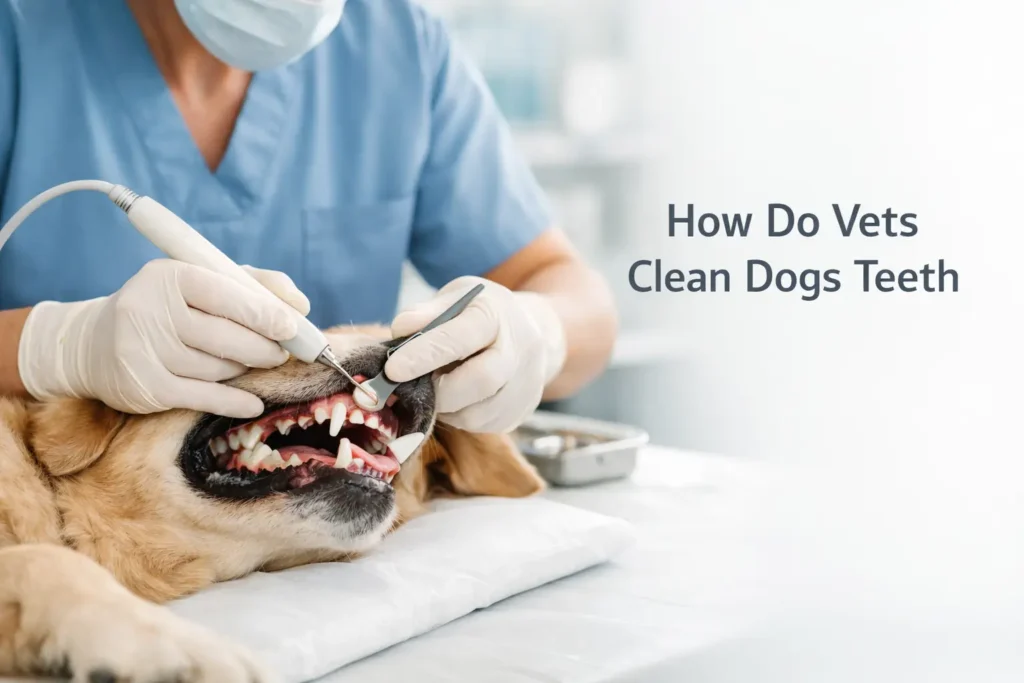
Dogs are one of the most loved companions in the world, but one area many owners overlook is dental care. Just like humans, dogs can suffer from plaque buildup, gum disease, and painful infections if their teeth aren’t properly maintained. A common question many owners ask is: how do vets clean dogs teeth, and is it really necessary?
Many first-time dog owners assume chewing toys or occasional treats are enough to keep teeth clean. Unfortunately, that’s one of the biggest mistakes. Professional dental cleaning plays a critical role in your dog’s long-term health and comfort.
Pet Care Insight
This guide is based on widely accepted pet care practices, veterinary guidance, and common experiences shared by responsible pet owners. The goal is to provide practical, easy-to-follow advice that helps owners keep their pets healthy, comfortable, and well cared for.
Pet Overview
Dog General Characteristics
Dogs vary widely in size, breed, and temperament, but all share similar dental structures that require consistent care. Adult dogs have 42 teeth, which are prone to plaque and tartar buildup over time.
Temperament And Lifestyle Needs
Dogs are social, active animals that rely on their owners for proper hygiene. Their oral health directly affects their appetite, energy, and behavior.
Lifespan And Dental Importance
Most dogs live between 10–15 years. Without proper dental care, many develop periodontal disease by age three, making routine dental cleaning essential.
Family Compatibility
Dogs are excellent family pets, but children often don’t notice early dental issues. Owners must take responsibility for regular checks and care.
Daily Care Essentials
Feeding And Oral Health Routine
Food plays a major role in dental health. Dry kibble can help reduce plaque slightly, while soft foods may stick to teeth more easily.
Grooming Basics Including Teeth
Dental care should be part of grooming. Ideally:
- Brush teeth daily or several times a week
- Check gums for redness or swelling
- Watch for bad breath
Exercise And Overall Health
Regular exercise supports immune health, which helps prevent infections—including gum disease.
Social Interaction And Monitoring
Dogs often hide pain. Spend time observing:
- chewing habits
- appetite changes
- sensitivity around the mouth
Diet & Nutrition Guide
Feeding Schedule By Age
- Puppies: 3–4 small meals daily
- Adults: 2 meals daily
- Seniors: 2 smaller, softer meals if needed
Nutritional Needs For Dental Health
Look for:
- high-quality protein
- crunchy kibble (helps mild cleaning)
- dental-support formulas
Safe And Unsafe Foods
Safe:
- carrots (natural teeth cleaners)
- dental chews
- vet-approved treats
Unsafe:
- sugary foods
- sticky human snacks
- cooked bones (can damage teeth)
Hydration And Oral Health
Fresh water helps wash away food particles and bacteria.
Exercise & Mental Stimulation
Daily Activity Needs
Dogs need regular activity to stay healthy overall, which indirectly supports oral health.
Chewing As Natural Cleaning
Chewing is one of the best ways to clean dogs teeth without brushing:
- rubber toys
- dental chews
- rope toys
Enrichment Activities
- treat-dispensing toys
- frozen chew treats
- safe natural chews
These reduce plaque buildup and keep dogs mentally engaged.
Training & Behavior Guidance
Getting Dogs Used To Mouth Handling
Start early:
- gently touch gums
- reward calm behavior
- build positive association
Preventing Resistance To Dental Care
Consistency is key. Short sessions work best.
Socialization And Vet Comfort
Dogs familiar with handling are easier to examine, making it easier for vets to check dogs teeth and perform cleanings.
Health & Climate Considerations
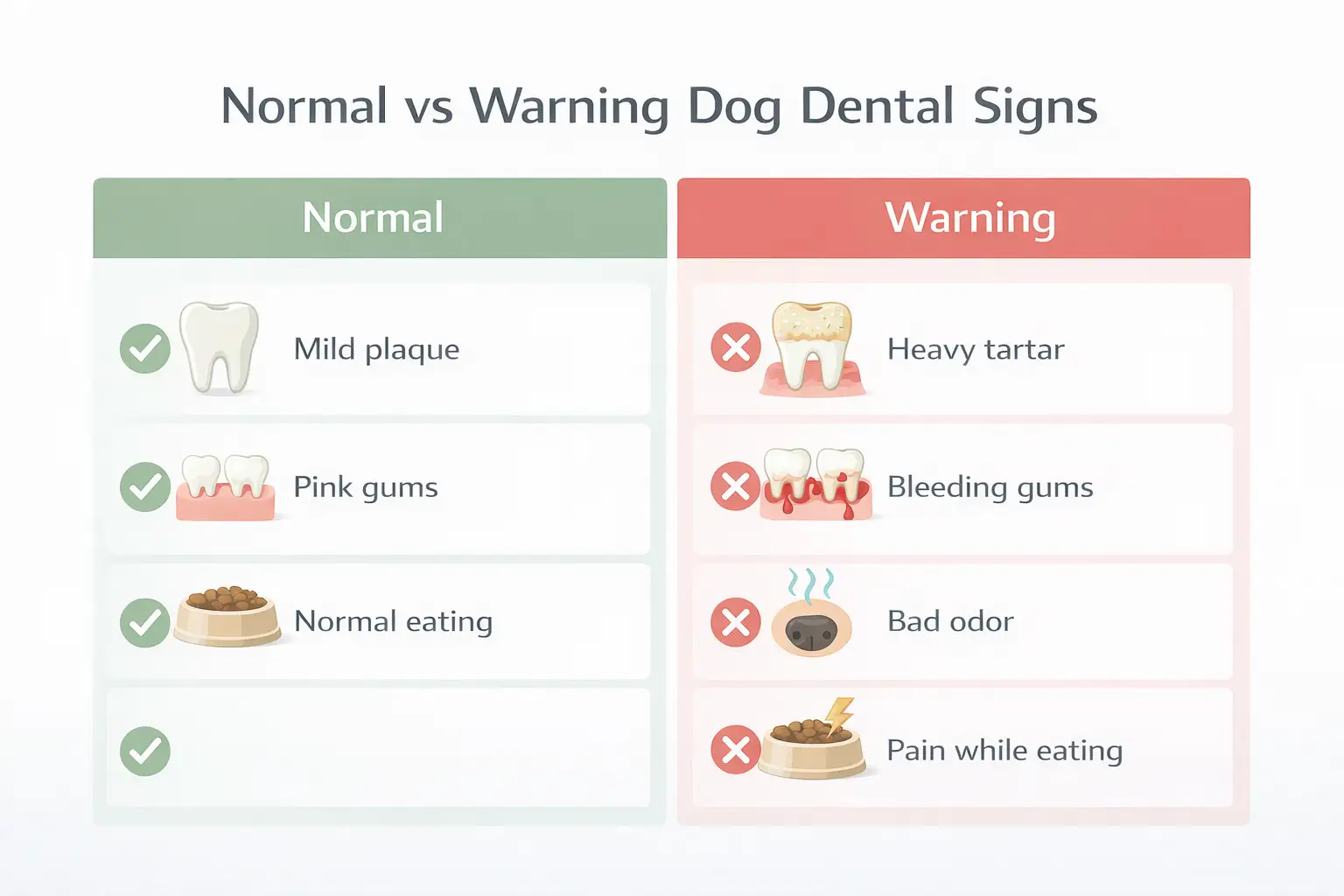
Dental Disease Risks
Common issues include:
- plaque and tartar buildup
- gingivitis
- periodontal disease
Climate Impact On Oral Health
Hot climates can reduce appetite and hydration, leading to dry mouth and increased bacteria.
Hydration Importance
Always provide clean water, especially in warm regions.
How Vets Clean Dogs Teeth
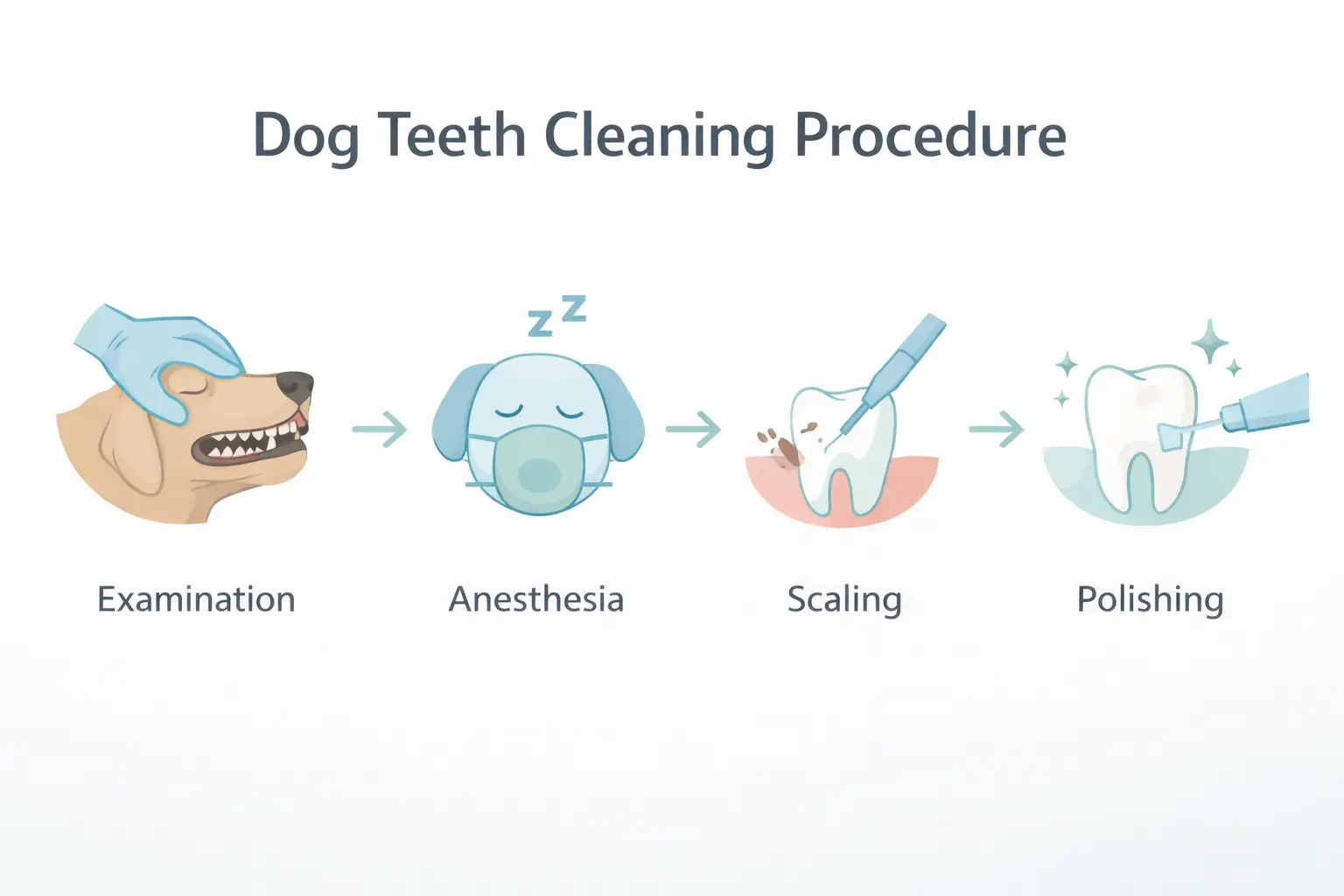
Pre Cleaning Examination
Before cleaning, vets perform a full oral exam:
- check gums and teeth
- look for infections
- sometimes take X-rays
This answers the common question: how do vets check dogs teeth — they assess both visible and hidden issues.
Anesthesia Process Explained
Most professional cleanings are done under anesthesia to:
- keep the dog still
- reduce stress and pain
- allow deep cleaning under the gums
Scaling And Plaque Removal
Vets use special tools to:
- remove tartar above and below the gum line
- clean areas brushing cannot reach
This is the core of how do vets professionally clean dogs teeth.
Polishing And Finishing
After scaling:
- teeth are polished
- surfaces are smoothed to slow plaque buildup
Recovery And Aftercare
Dogs usually recover quickly:
- mild grogginess for a few hours
- normal eating resumes within a day
How Do Vets Clean Dogs Teeth Without Anesthesia
Non Anesthetic Cleaning Overview
Some clinics offer cleaning without anesthesia using:
- ultrasonic tools
- manual scaling
Limitations And Risks
This method:
- only cleans visible surfaces
- does not treat deep gum disease
- may cause stress in some dogs
It’s not a replacement for full veterinary dental cleaning but may help for maintenance.
How Often Do Vets Clean Dogs Teeth
Recommended Frequency
Most dogs need professional cleaning:
- once a year
- or every 6–12 months depending on buildup
Factors Affecting Frequency
- breed (small breeds need more frequent cleaning)
- diet
- home care routine
Cost Of Dog Teeth Cleaning
What Influences Cost
Dog dental cleaning cost depends on:
- location
- clinic
- severity of dental issues
- need for extractions
General Cost Range
While prices vary:
- basic cleaning: moderate cost
- advanced treatment: higher cost
Owners often search how much is dog teeth cleaning or how much do vets charge to clean dogs teeth — the answer varies widely but increases if dental disease is present.
Ways To Clean Dog Teeth Without Brushing
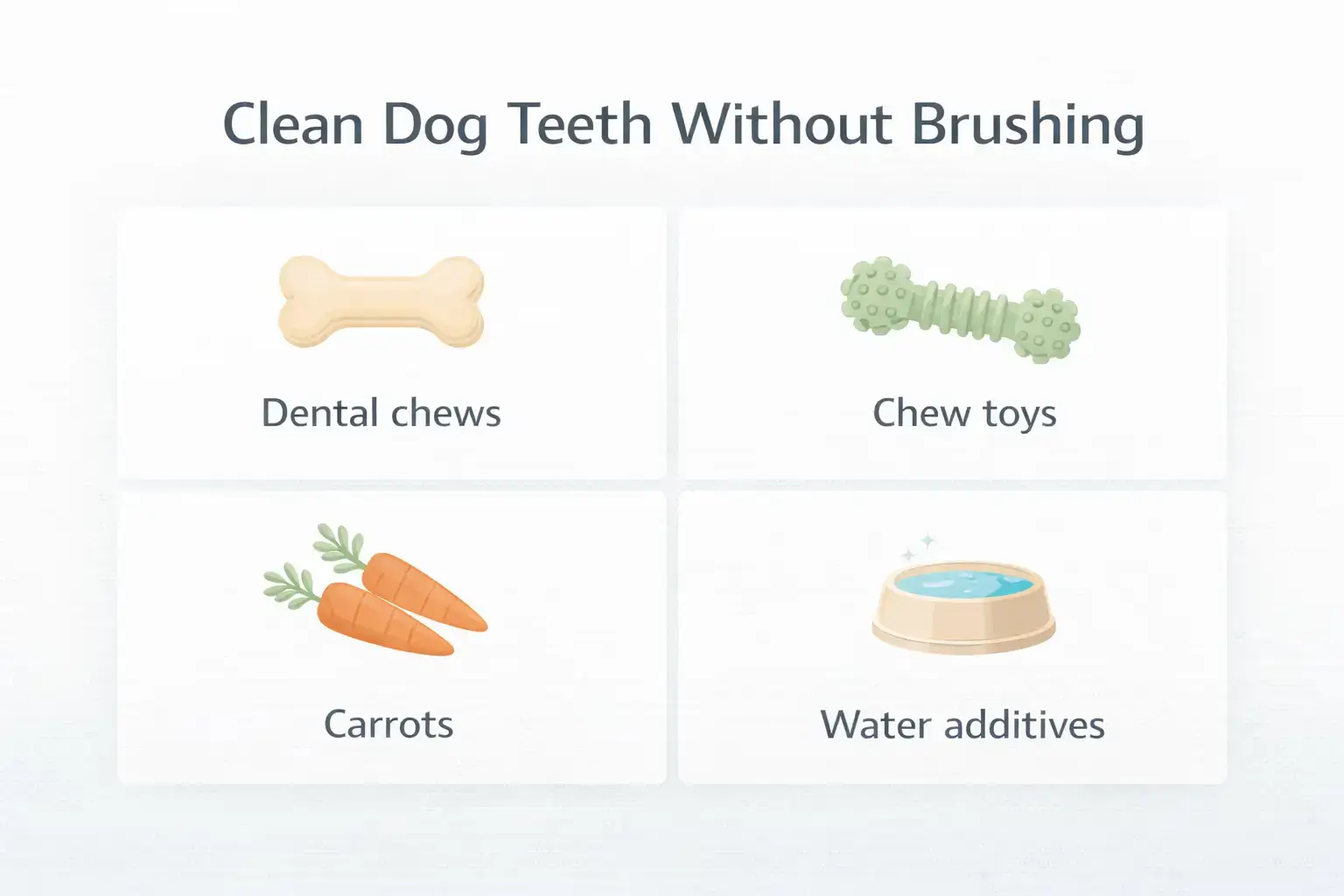
Natural Alternatives
If brushing isn’t possible:
- dental chews
- raw vegetables like carrots
- chew toys
At Home Cleaning Options
Some owners explore:
- ultrasonic dog teeth cleaning at home
- water additives
- dental powders
Effectiveness Of Alternatives
These methods help reduce plaque but do not replace professional cleaning.
Common Problems & Troubleshooting
Bad Breath
Cause: bacteria buildup
Solution: regular cleaning and dental chews
Prevention: consistent oral care
Yellow Or Brown Teeth
Cause: tartar buildup
Solution: professional cleaning
Prevention: brushing and chew toys
Bleeding Gums
Cause: gum disease
Solution: vet visit immediately
Prevention: early dental care
Difficulty Eating
Cause: pain or infection
Solution: veterinary check
Prevention: routine dental exams
Seasonal Pet Care Tips
Summer Care
- keep dogs hydrated
- avoid overheating during chew sessions
Winter Care
- monitor reduced activity
- maintain chewing habits indoors
Spring And Fall
- watch for allergies affecting gums
- increase outdoor play and chewing
Additional Expert Tips
Simple Habits That Help
- check your dog’s mouth weekly
- introduce dental care early
- use vet-approved dental products
Common Owner Mistakes
- ignoring bad breath
- delaying dental cleaning
- relying only on treats
Long Term Dental Care Strategy
- combine home care + vet visits
- monitor changes in behavior
- stay consistent
Conclusion
Keeping your dog’s teeth clean is not just about appearance—it’s essential for their overall health. Understanding how vets clean dogs teeth helps you make better decisions about your pet’s care.
The most effective approach combines professional dental cleaning with simple at-home habits like chewing, monitoring, and occasional brushing. Ignoring dental care can lead to serious health issues, while consistent care keeps your dog happy, pain-free, and active.
Learn More: Yellow Quaker Parrot Care Guide: Personality & Lifespan
FAQs
-
How do vets clean dogs teeth safely?
Vets use anesthesia, scaling tools, and polishing techniques to clean both visible and hidden areas safely.
-
How often should dogs get professional teeth cleaning?
Most dogs need cleaning once a year, but some may need it more often depending on dental health.
-
Can I clean my dog’s teeth without brushing?
Yes, you can use dental chews, toys, and certain foods, but these are not as effective as brushing or vet cleaning.
-
Is anesthesia necessary for dog dental cleaning?
Yes, for deep and thorough cleaning, anesthesia is usually required to ensure safety and effectiveness.
-
How do I know if my dog needs teeth cleaning?
Signs include bad breath, yellow teeth, bleeding gums, and difficulty eating.
-
Are ultrasonic dog teeth cleaners effective?
They can help remove surface plaque but cannot replace professional veterinary cleaning.
-
How long does a dog dental cleaning take?
Typically, the procedure takes 30 minutes to a few hours depending on the condition of the teeth.




8 Responses