
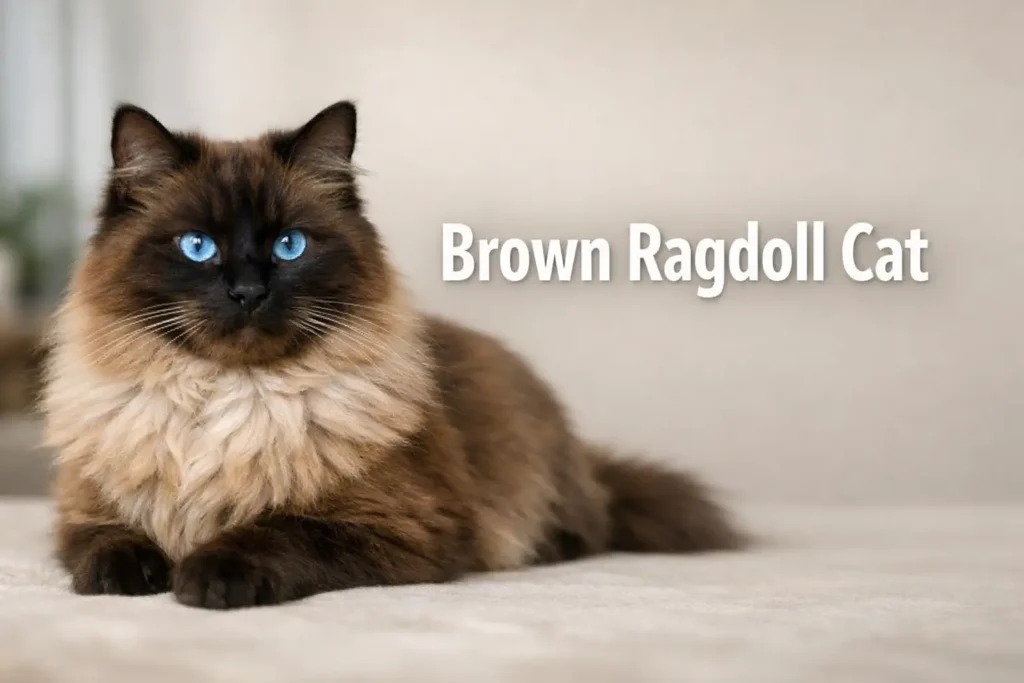
Brown Ragdoll cats are gaining popularity for their stunning coat shades, gentle personality, and striking blue eyes. Whether you’re drawn to a chocolate brown ragdoll cat or a softer cinnamon tone, these cats are known for their calm nature and affectionate behavior. However, many new owners misunderstand their care needs—especially grooming, diet, and emotional attention—which can lead to avoidable problems.
Pet Care Insight
This guide is based on widely accepted pet care practices, veterinary guidance, and common experiences shared by responsible pet owners. The goal is to provide practical, easy-to-follow advice that helps owners keep their pets healthy, comfortable, and well cared for.
Pet Overview
Temperament And Personality Traits
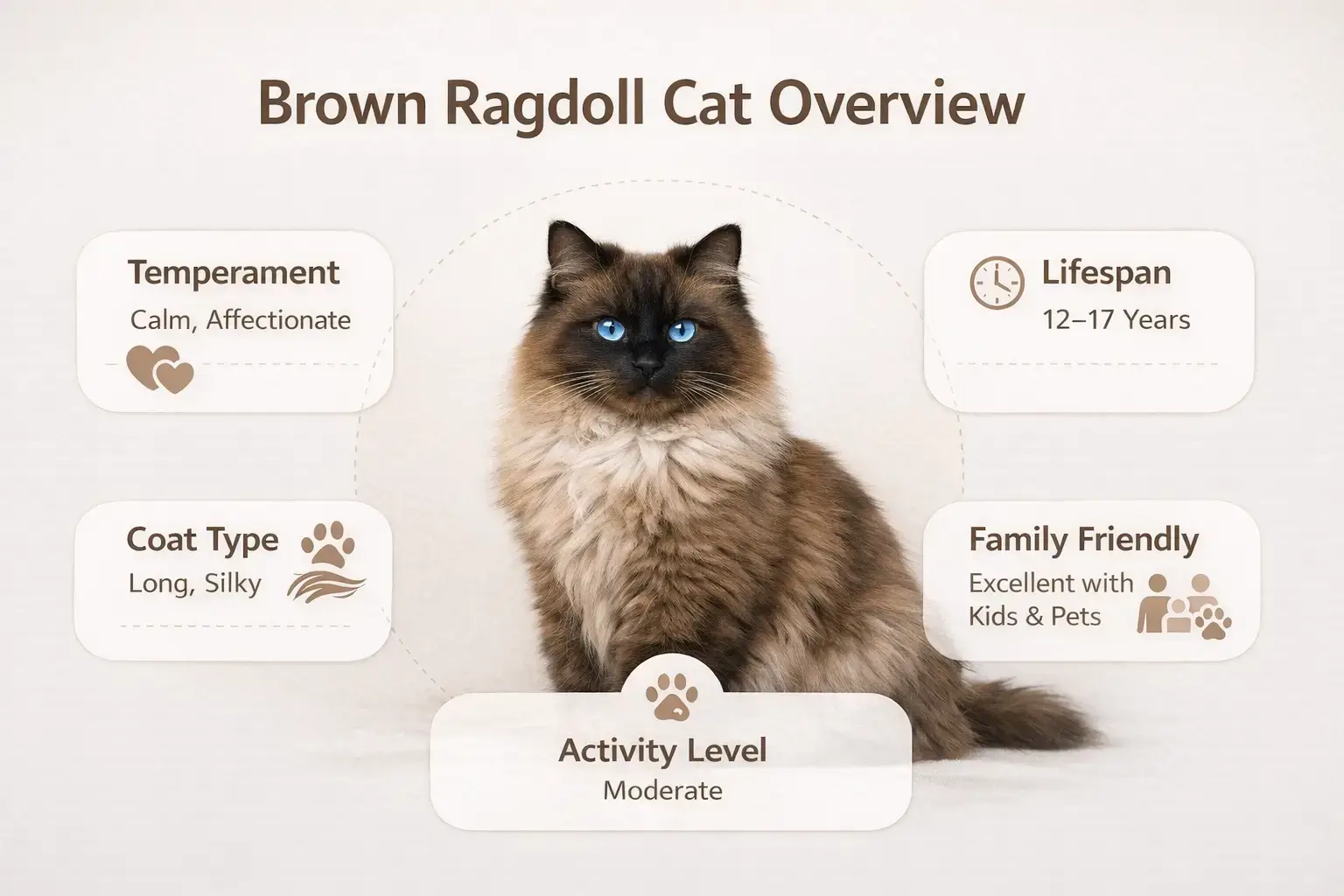
Brown ragdoll cats are known for their calm, affectionate, and people-oriented personality. They often follow their owners around and enjoy being held, which is why they’re sometimes called “puppy-like” cats.
Lifespan And Growth Pattern
Most ragdolls live between 12–17 years. They mature slowly, often taking up to 3–4 years to reach full size and coat development.
Physical Appearance And Coat Types
Brown ragdoll cats can appear in different shades such as:
- chocolate brown ragdoll cat
- cinnamon brown ragdoll cat
- dark brown ragdoll cat
They typically have long, silky fur and bright blue eyes, even in darker coat variations.
Family Compatibility And Behavior
These cats are excellent for families:
- gentle with children
- tolerant of other pets
- low aggression levels
Activity Level And Lifestyle Needs
They are moderately active. They enjoy playtime but are not overly energetic, making them ideal for indoor living.
Daily Care Essentials
Feeding Routine And Schedule
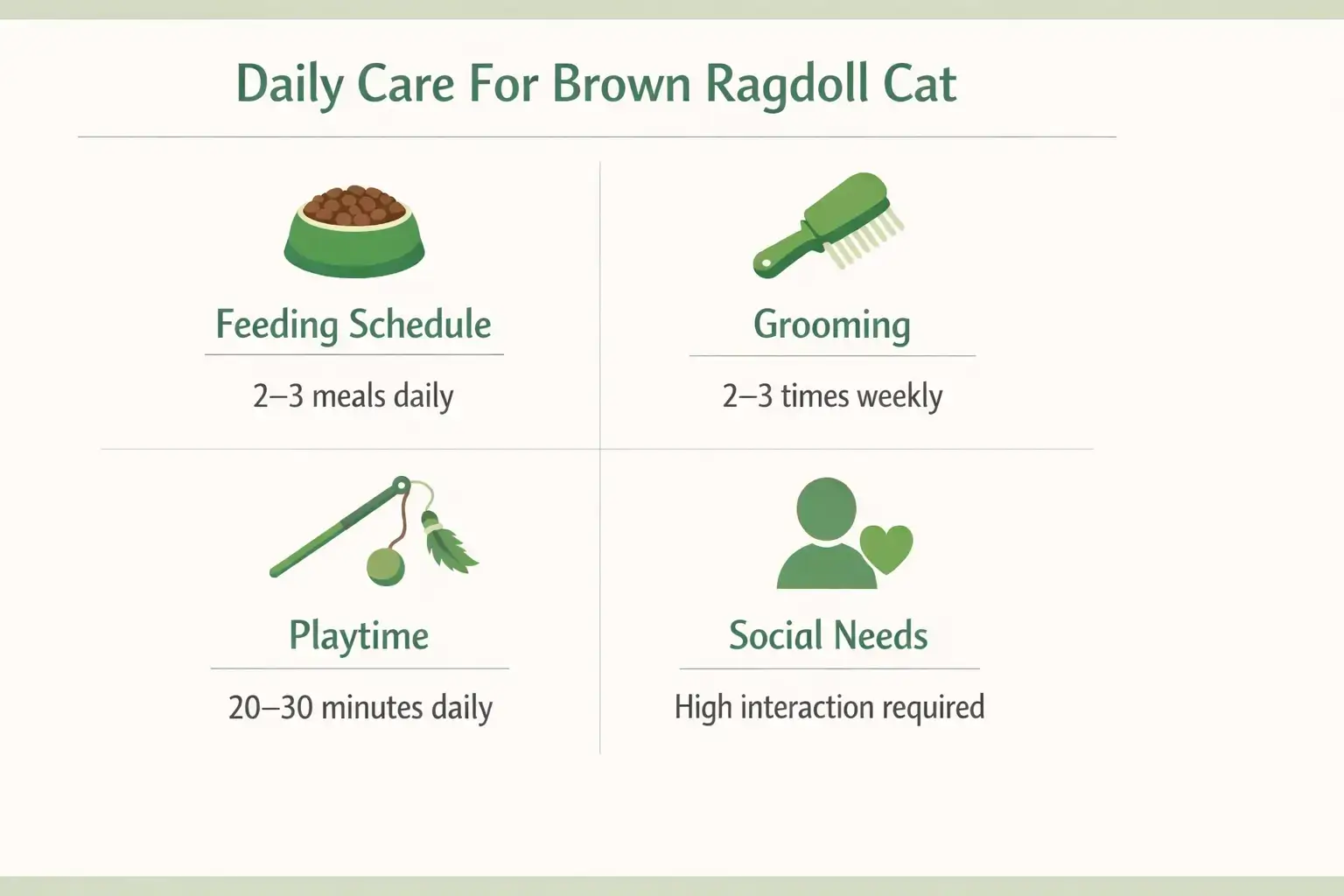
Feed your brown ragdoll cat:
- 2–3 meals daily for adults
- 3–4 smaller meals for kittens
Consistency is key to maintaining digestion and energy levels.
Grooming Needs And Coat Maintenance
Despite their fluffy coat:
- brush 2–3 times weekly
- increase brushing during shedding seasons
Their fur is less prone to matting than other long-haired breeds but still needs regular care.
Exercise And Movement Needs
Provide:
- short play sessions (20–30 minutes daily)
- climbing structures or cat trees
Social Interaction Requirements
Ragdolls crave attention. Leaving them alone for long periods can lead to stress or boredom.
Diet & Nutrition Guide
Nutritional Requirements For Growth
A balanced diet should include:
- high-quality protein (chicken, fish)
- moderate fat
- essential vitamins and taurine
Feeding Guidelines By Age Group
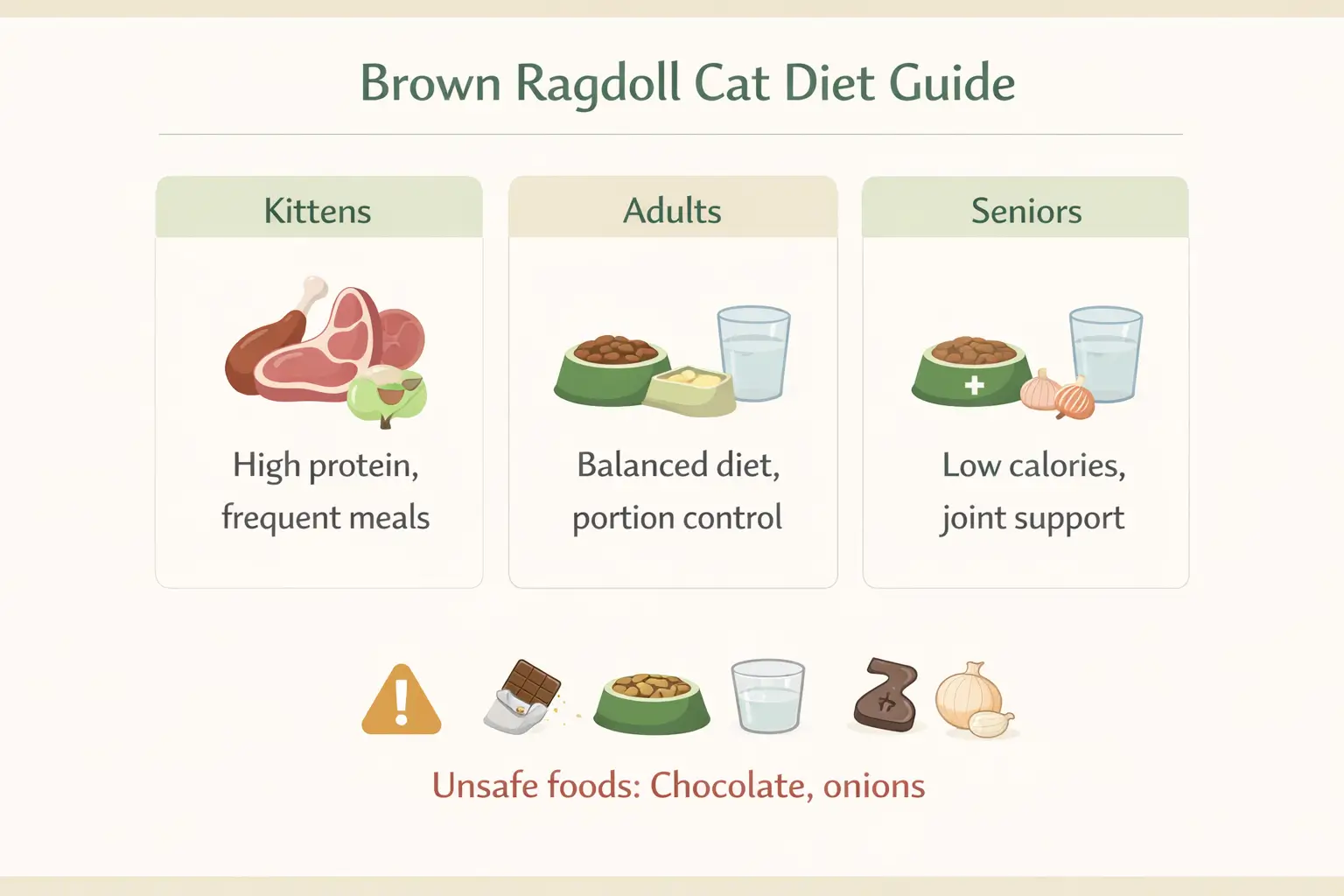
Kittens:
- higher protein and calorie intake
- frequent meals
Adults:
- controlled portions
- balanced nutrients
Seniors:
- lower calories
- joint-support nutrients
Safe And Unsafe Foods
Safe:
- cooked chicken
- plain fish
- vet-approved cat food
Unsafe:
- chocolate
- onions and garlic
- dairy (can cause digestive issues)
Hydration And Feeding Tips
Always provide fresh water. Some ragdolls prefer running water, so fountains can help increase intake.
Exercise & Mental Stimulation
Daily Activity Requirements
Brown ragdolls need moderate activity:
- 20–30 minutes of play
- light movement throughout the day
Indoor Play Ideas
Try:
- feather wands
- laser toys
- soft balls
Mental Enrichment Activities
Keep them mentally engaged with:
- puzzle feeders
- interactive toys
- window perches for bird watching
Training & Behavior Guidance
Basic Training And Commands
Ragdolls can learn:
- name recognition
- simple commands like “come”
Use positive reinforcement such as treats and praise.
Socialization With People And Pets
Start early:
- introduce gradually
- reward calm behavior
Preventing Common Behavior Issues
Avoid:
- lack of stimulation
- inconsistent routines
Provide structure to reduce unwanted behaviors like scratching furniture.
Health & Climate Considerations
Common Health Concerns
Watch for:
- obesity (due to low activity)
- heart conditions (like hypertrophic cardiomyopathy)
- dental issues
Regular vet visits are essential.
Heat Sensitivity And Summer Care
In hot climates:
- keep indoors during peak heat
- ensure cool resting areas
- maintain hydration
Cold Weather Adaptation
Their thick coat helps in cooler weather, but they should still be indoor cats for safety.
Grooming And Hygiene Health Tips
- regular brushing prevents hairballs
- check ears and teeth weekly
Common Problems & Troubleshooting
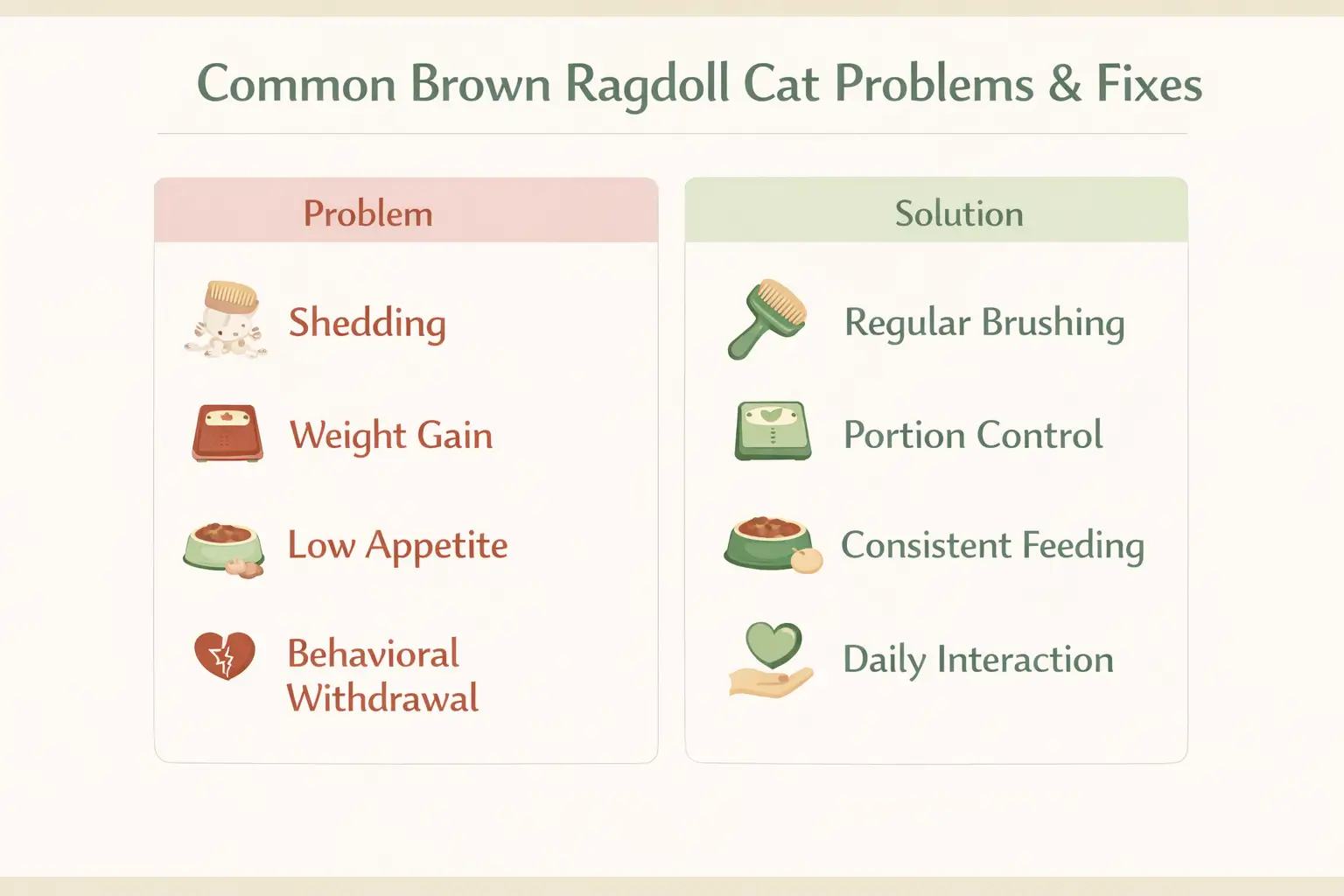
Excessive Shedding Issues
Cause:
- seasonal changes
Solution: - increase brushing frequency
Prevention: - consistent grooming routine
Lack Of Appetite Problems
Cause:
- stress or illness
Solution: - monitor behavior and consult a vet
Prevention: - maintain feeding schedule
Behavioral Withdrawal Signs
Cause:
- loneliness or boredom
Solution: - increase interaction
Prevention: - daily playtime and companionship
Weight Gain And Obesity Risks
Cause:
- overfeeding
Solution: - portion control
Prevention: - regular exercise
Seasonal Pet Care Tips
Spring Care Adjustments
- manage shedding
- monitor allergies
Summer Protection Tips
- provide cooling areas
- avoid overheating
Fall Preparation Guide
- adjust diet slightly if activity changes
- maintain grooming
Winter Care Essentials
- ensure warm indoor spaces
- increase indoor playtime
Additional Expert Tips
Common Owner Mistakes To Avoid
- overfeeding due to their begging behavior
- neglecting grooming because of soft coat
- leaving them alone too often
Simple Daily Habits For Better Health
- consistent feeding times
- daily short play sessions
- regular grooming checks
Long Term Care Considerations
- invest in quality food
- maintain regular vet checkups
- provide emotional bonding time
Conclusion
Brown ragdoll cats are beautiful, affectionate companions that thrive in calm, loving environments. Their unique coat colors—from chocolate to cinnamon—make them visually stunning, while their gentle temperament makes them ideal for families.
To keep your ragdoll healthy and happy:
- maintain a balanced diet
- provide regular grooming
- ensure daily interaction and play
Avoid common mistakes like overfeeding or neglecting emotional needs. With proper care, your brown ragdoll will be a loyal and loving companion for many years.
Learn More: How Do Vets Clean Dogs Teeth? Full Process Guide
FAQs
-
Do brown ragdoll cats always have blue eyes?
Yes, most ragdoll cats, including brown variations, typically have blue eyes, which is a breed standard.
-
How often should I groom a brown ragdoll cat?
Brush 2–3 times per week, and more during shedding seasons.
-
Are brown ragdoll cats good for small apartments?
Yes, their calm nature makes them well-suited for indoor and apartment living.
-
Why is my brown ragdoll cat less active?
They are naturally relaxed cats, but low activity can also be due to heat, diet, or boredom.
-
How much should I feed my ragdoll daily?
It depends on age and weight, but generally 2–3 measured meals per day for adults.
-
Do ragdoll cats get along with dogs?
Yes, they are known for being friendly and adaptable with other pets.
-
Can brown ragdoll cats live in hot climates?
Yes, but they need indoor cooling, hydration, and protection from extreme heat.




8 Responses