
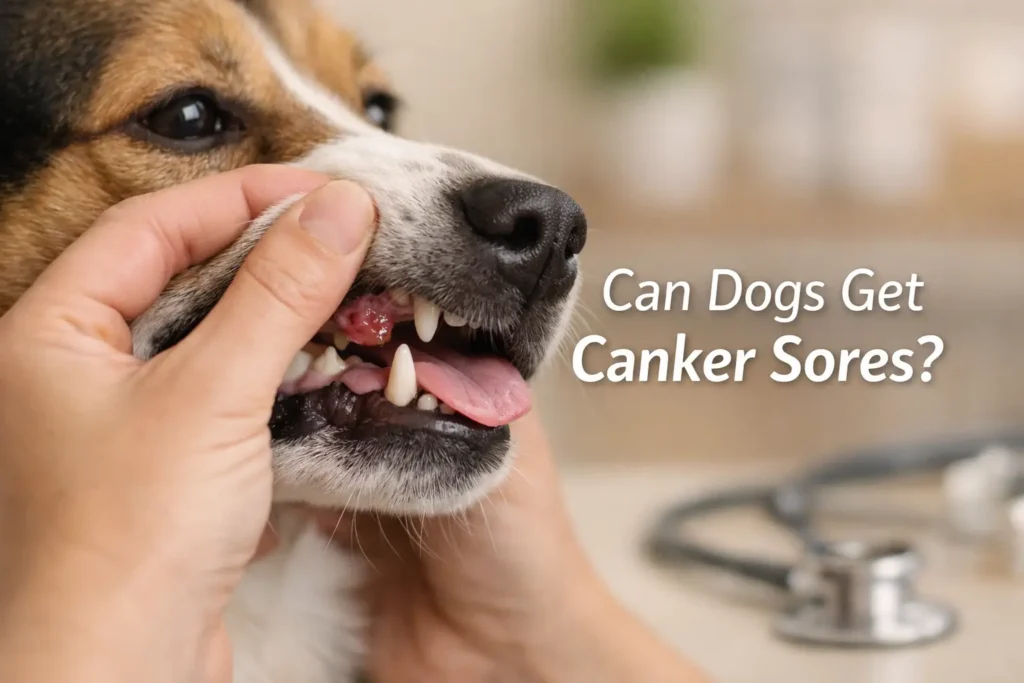
Dogs are one of the most loved pets in the world, known for their loyalty, companionship, and playful personalities. Because they’re so closely bonded with their owners, even small health issues—like sores in the mouth—can quickly become a concern.
One common question many dog owners ask is: can dogs get canker sores? The short answer is no—dogs don’t get true human-style canker sores. However, they can develop mouth ulcers, sores, and other oral issues that look very similar.
Understanding the difference is important so you can recognize problems early and take the right action.
Pet Care Insight
This guide is based on widely accepted pet care practices, veterinary guidance, and common experiences shared by responsible pet owners. The goal is to provide practical, easy-to-follow advice that helps owners keep their pets healthy, comfortable, and well cared for.
Pet Overview
Dogs General Characteristics
Dogs come in many breeds, sizes, and personalities, but most share a few common traits:
- Loyal and social animals
- Lifespan typically 10–15 years (varies by breed)
- Require regular interaction and care
- Highly adaptable to family environments
Dogs Temperament And Lifestyle
Dogs are:
- Social and thrive on companionship
- Active and need daily mental and physical stimulation
- Generally good with children (depending on breed and training)
Because dogs explore the world with their mouths, they’re more prone to mouth injuries and infections than many owners expect.
Daily Care Essentials
Feeding Routine Basics
- Feed 1–2 times daily for adults
- Puppies need 3–4 smaller meals
- Always provide fresh water
Grooming And Oral Hygiene
- Brush teeth regularly (2–3 times per week minimum)
- Provide safe chew toys to reduce plaque
- Check mouth weekly for sores, swelling, or bad smell
Exercise And Social Needs
- Daily walks and playtime
- Interaction with humans and other dogs
- Mental stimulation through toys or training
Diet & Nutrition Guide
Balanced Nutrition Needs
A proper diet supports oral health and reduces the risk of dog mouth sores:
- High-quality protein
- Vitamins (especially A, C, and E for tissue health)
- Omega fatty acids
Feeding By Life Stage
- Puppies: nutrient-rich food for growth
- Adults: balanced maintenance diet
- Seniors: softer foods if dental issues develop
Safe Vs Unsafe Foods
Safe:
- Lean meats
- Dog-safe vegetables
- Commercial dog food
Unsafe:
- Sharp bones (can cause mouth injury)
- Very hot food
- Toxic foods like chocolate, onions
Poor diet or chewing hard objects is a common cause of dog mouth ulcers and sores.
Exercise & Mental Stimulation
Daily Activity Needs
Dogs need:
- 30 minutes to 2 hours of activity (depending on breed)
- Regular outdoor time
Enrichment Activities
- Chew toys (safe and non-sharp)
- Puzzle feeders
- Training games
Avoid giving extremely hard objects, as they can damage gums and lead to mouth ulcers.
Training & Behavior Guidance
Basic Training Importance
Training helps prevent behaviors that may cause oral injuries:
- Stop chewing on inappropriate objects
- Encourage safe play habits
Socialization And Safety
- Introduce dogs to safe toys
- Monitor interactions with objects
Dogs that chew on rocks, sticks, or metal objects are at higher risk of developing mouth sores.
Health & Climate Considerations
Can Dogs Get Canker Sores?
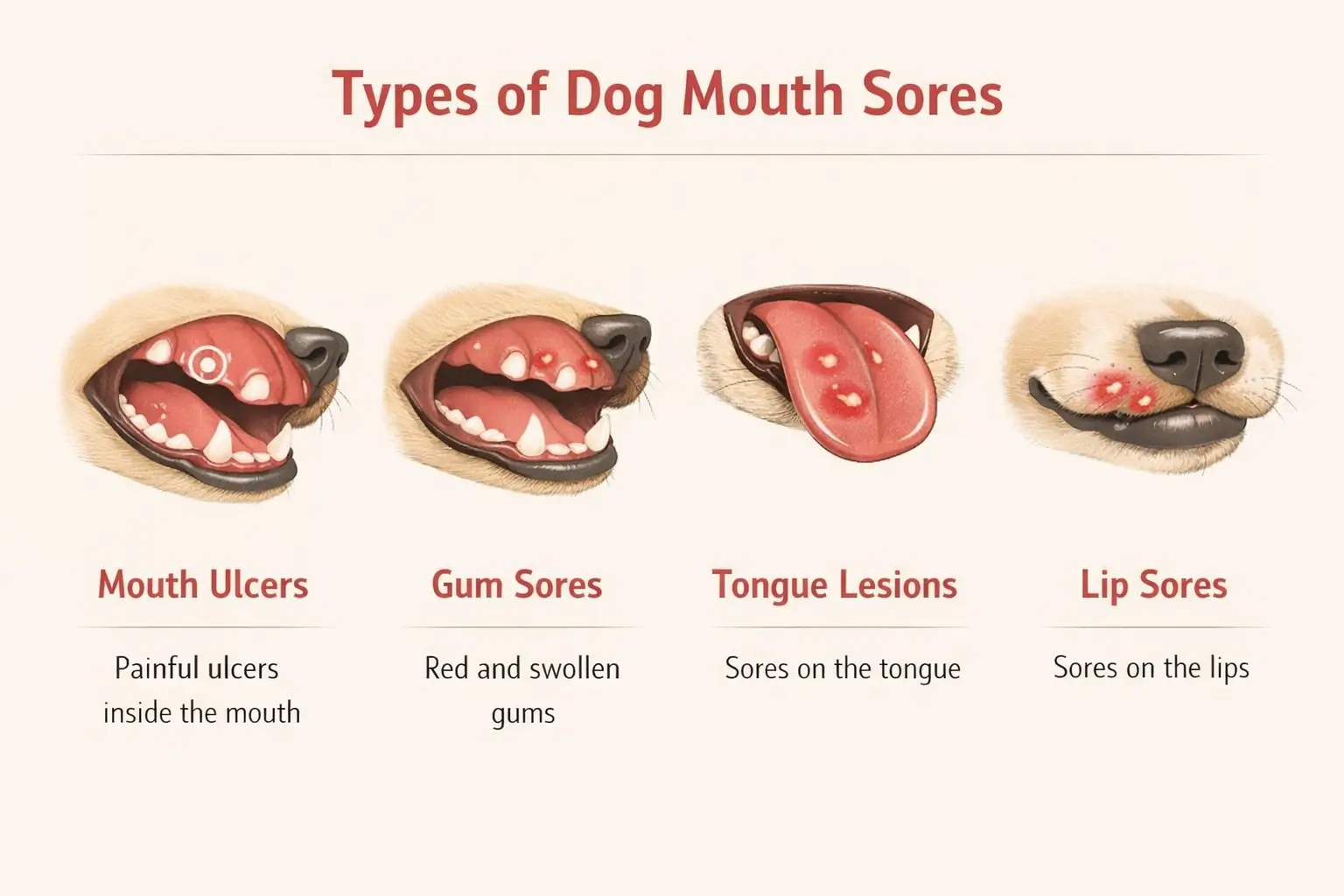
No—dogs do not get true canker sores like humans. However, they can develop:
- Dog mouth ulcers
- Gum sores
- Tongue lesions
- Lip sores
- These conditions may look similar to canker sores in dogs’ mouths.
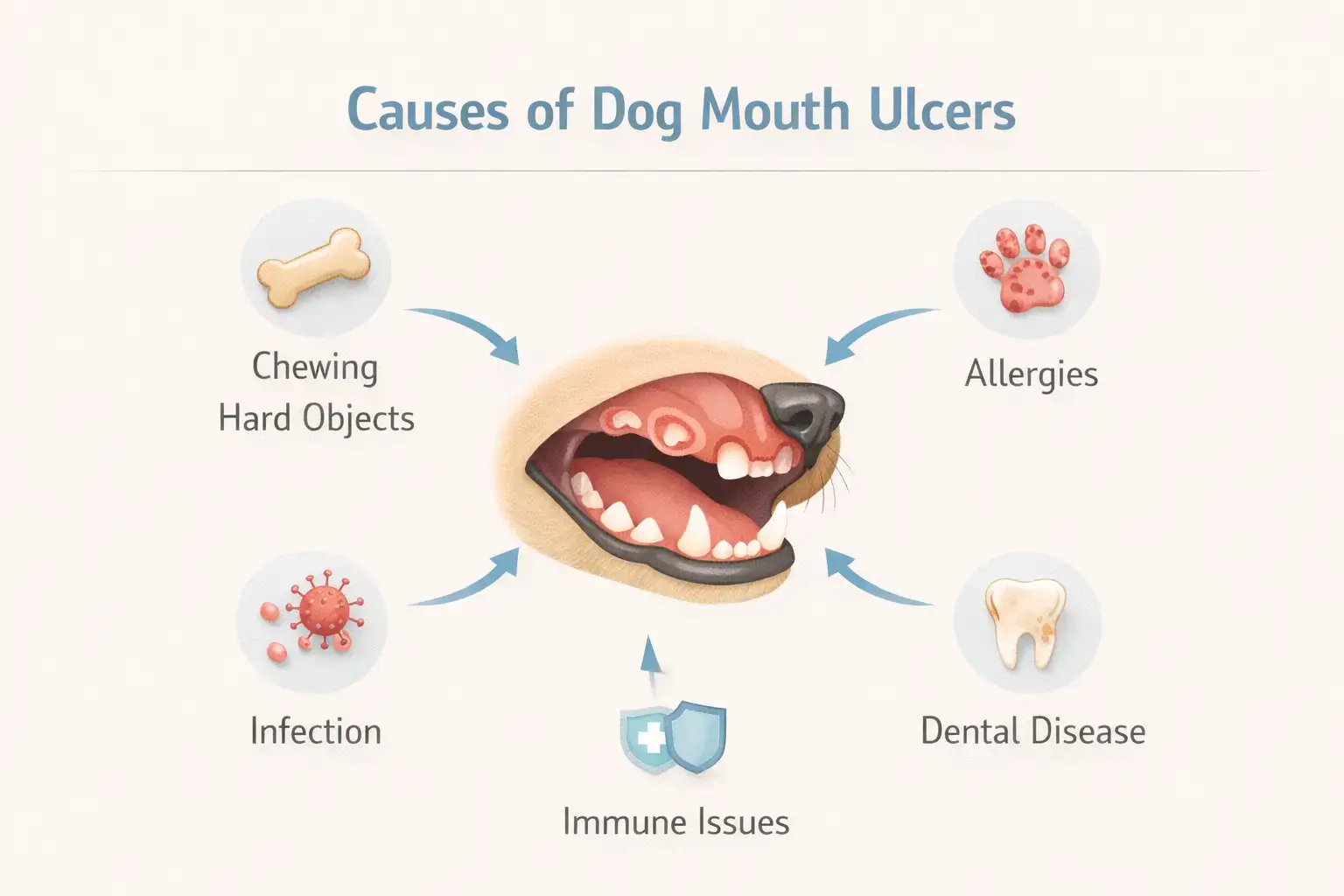
Common Causes Of Dog Mouth Sores
- Injury from chewing hard objects
- Bacterial or viral infections
- Allergic reactions
- Dental disease
- Immune system issues
Are Dog Mouth Sores Contagious?
- Dogs cannot get canker sores from humans
- Humans cannot get canker sores from dogs
- Some infections (rarely) may spread between dogs
Common Problems & Troubleshooting
Mouth Sores Or Ulcers
Possible Causes:
- Trauma from chewing
- Infection
- Poor oral hygiene
Symptoms:
- Red or white sores in mouth
- Drooling
- Difficulty eating
- Bad breath
Solution:
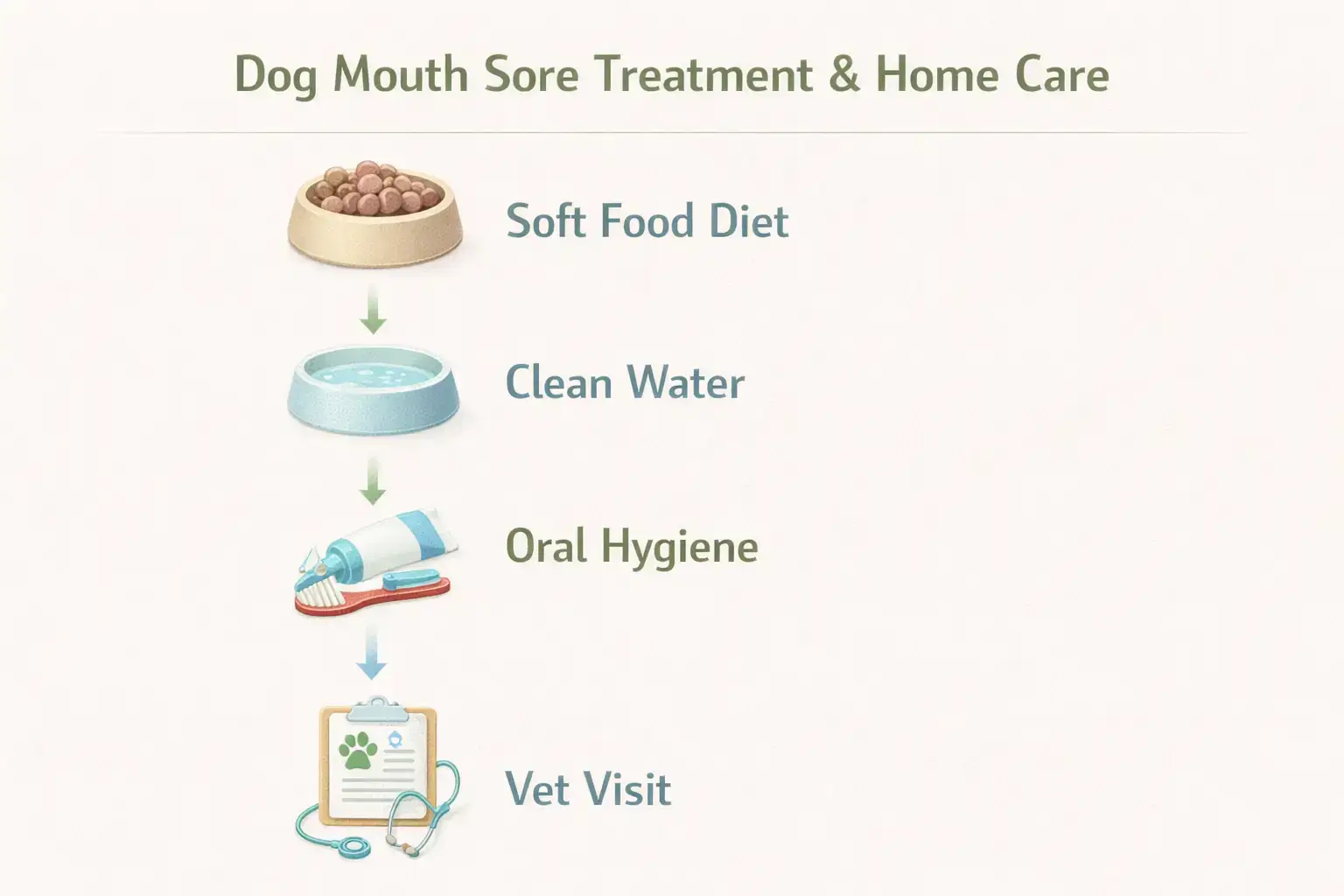
- Offer soft food temporarily
- Keep water clean and accessible
- Schedule a vet check
Prevention:
- Avoid hard chew items
- Maintain oral hygiene
Sores Around Dog Mouth
Possible Causes:
- Allergies
- Skin infections
- Irritation from food bowls
Solution:
- Clean food bowls regularly
- Switch to stainless steel bowls
- Monitor for spreading
Dog Mouth Cancer Warning Signs
Some serious cases may involve oral cancer in dogs.
Watch for:
- Persistent sores that don’t heal
- Bleeding lumps
- Swelling in mouth
- Weight loss
These may resemble cancerous dog mouth sores pictures often seen online. Immediate veterinary care is critical.
Do Dog Mouth Ulcers Heal On Their Own?
- Minor sores may heal within a few days
- Persistent ulcers need veterinary attention
Never ignore sores lasting more than 5–7 days.
Seasonal Pet Care Tips
Summer Heat Protection
- Keep dogs hydrated
- Avoid hot surfaces that may cause stress and immune suppression
Winter Care Considerations
- Maintain indoor humidity
- Prevent dry mouth conditions
Spring And Fall Awareness
- Monitor allergies
- Watch for increased chewing behavior outdoors
Seasonal changes can influence oral health indirectly through allergies and behavior changes.
Additional Expert Tips
Early Detection Habits
- Check your dog’s mouth weekly
- Look for unusual colors, swelling, or sores
Common Owner Mistakes
- Ignoring small sores
- Giving unsafe chew toys
- Delaying vet visits
Long-Term Oral Health Care
- Regular dental cleanings
- Balanced nutrition
- Routine vet checkups
Home Remedies For Dog Mouth Sores
- For mild cases only:
- Soft food diet
- Rinsing with vet-approved solutions
- Keeping mouth clean
Avoid using human medications unless approved by a vet.
Conclusion
Dogs cannot get true canker sores, but they can develop mouth ulcers, sores, and other oral issues that may look similar. These problems can range from minor injuries to serious conditions like infections or even oral cancer.
The key to keeping your dog healthy is early detection, proper oral care, and knowing when to seek veterinary help. Never ignore persistent sores, and always prioritize safe chewing habits and a balanced diet.
With consistent care and attention, most mouth issues in dogs can be prevented or treated effectively.
Learn More: Baby Chinchilla Care Guide: Diet, Size & Lifespan
FAQs
-
Can dogs get canker sores on their tongue?
Dogs don’t get true canker sores, but they can develop tongue ulcers or sores from injury or infection.
-
What do early stage dog mouth sores look like?
They may appear as small red or white spots, swelling, or irritated patches inside the mouth.
-
Why does my dog have sores around his mouth?
Common causes include allergies, infections, irritation, or excessive drooling.
-
Can dogs get canker sores from humans?
No, canker sores are not contagious and cannot spread between humans and dogs.
-
Do dog mouth ulcers heal on their own?
Minor ones may heal, but any sore lasting more than a few days should be checked by a vet.
-
What is the best home remedy for dog mouth sores?
Soft food, clean water, and maintaining oral hygiene help, but always consult a vet for proper treatment.
-
How can I tell if a mouth sore is cancerous?
Signs include growth, bleeding, bad odor, and failure to heal. A vet diagnosis is required.




One Response