
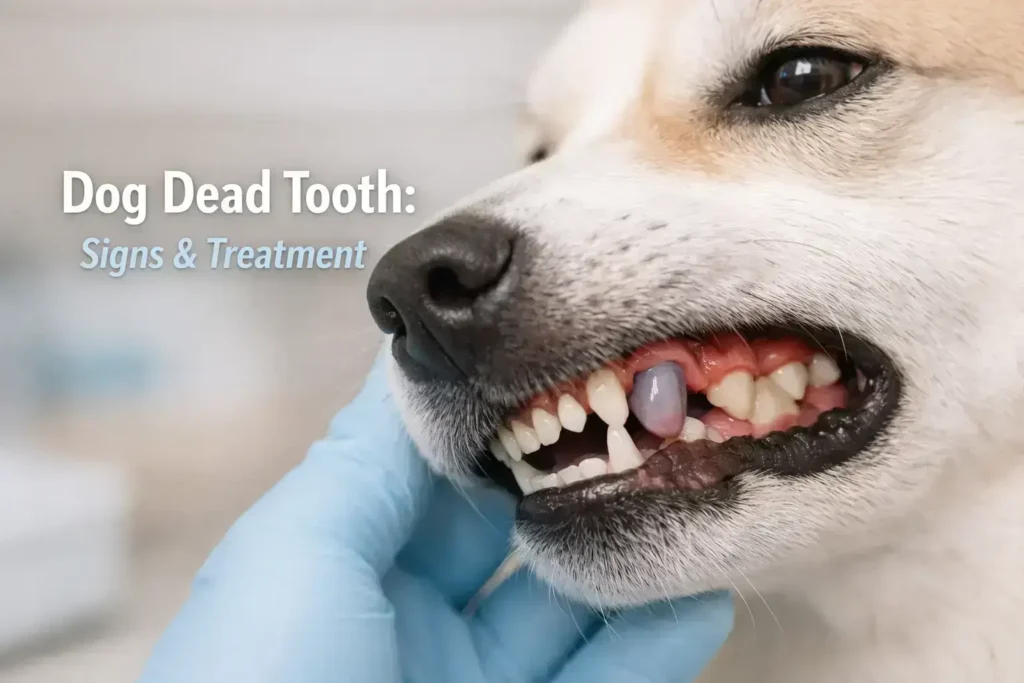
A dog’s dental health is often overlooked until a problem becomes painful or visible. One common issue many pet owners face is a dog dead tooth—a tooth that has lost its blood supply and vitality. This can lead to discomfort, infection, and long-term health problems if ignored.
Dogs are naturally good at hiding pain, which means a dead tooth can go unnoticed for weeks or even months. Many owners only realize something is wrong when they see discoloration or changes in behavior. Understanding the early signs and proper care can make a big difference in your dog’s comfort and health.
Table of Contents
TogglePet Care Insight
This guide is based on widely accepted pet care practices, veterinary guidance, and common experiences shared by responsible pet owners. The goal is to provide practical, easy-to-follow advice that helps owners keep their pets healthy, comfortable, and well cared for.
Pet Overview
Dog Temperament And Behavior
Dogs are loyal, social animals that rely on their owners for care and comfort. They often hide pain, which makes dental issues like a dead tooth harder to detect.
Lifespan And Physical Traits
Most dogs live between 10–15 years depending on breed. Their teeth are essential for eating, playing, and overall health, making dental care a key part of their wellbeing.
Family Compatibility And Activity
Dogs are generally great companions for families, children, and other pets. However, dental discomfort can make even friendly dogs irritable or withdrawn.
Daily Care Essentials
Feeding Routine Basics
Feed your dog consistent meals with balanced nutrition. Avoid overly hard foods if dental issues are suspected.
Grooming And Oral Hygiene
Brush your dog’s teeth regularly using dog-safe toothpaste. Dental hygiene is critical in preventing issues like tooth decay and pulpitis in dogs.
Exercise And Social Needs
Regular walks and play keep your dog physically and mentally healthy. A healthy routine also helps you notice behavioral changes linked to pain.
Diet & Nutrition Guide
Feeding Schedule And Portions
- Puppies: 3–4 small meals daily
- Adults: 2 meals daily
- Seniors: Smaller, softer meals if dental issues exist
Nutritional Needs
A balanced diet rich in protein, vitamins, and minerals supports dental and overall health.
Safe Vs Unsafe Foods
Safe foods:
- Soft cooked meats
- Wet dog food
- Dental-friendly treats
Unsafe foods:
- Hard bones (can worsen tooth damage)
- Sugary human foods
- Sticky foods that promote decay
Exercise & Mental Stimulation
Daily Activity Requirements
Dogs need daily walks and playtime to stay healthy. Pain from a dead tooth may reduce activity levels.
Enrichment Ideas At Home
- Puzzle toys
- Gentle tug toys (avoid if mouth pain is present)
- Training games
Training & Behavior Guidance
Basic Obedience Training
Consistent commands and positive reinforcement help maintain behavior even when your dog is uncomfortable.
Socialization Tips
Expose your dog to different environments early. Monitor behavior changes, as pain can lead to aggression or withdrawal.
Preventing Behavior Issues
If your dog suddenly avoids toys, food, or interaction, it could be due to dental pain rather than behavioral problems.
Health & Climate Considerations
Dental Health Awareness
A dog dead tooth often results from trauma, decay, or untreated infection. It may appear:
- Gray or purple (dog tooth turning gray or purple)
- Discolored compared to other teeth
- Cracked or worn
Hydration And Climate Impact
Hot climates can reduce appetite, making dental issues harder to notice. Always ensure fresh water is available.
Seasonal Sensitivities
Changes in weather can affect eating habits and energy levels, which may mask symptoms of dental pain.
Common Problems & Troubleshooting
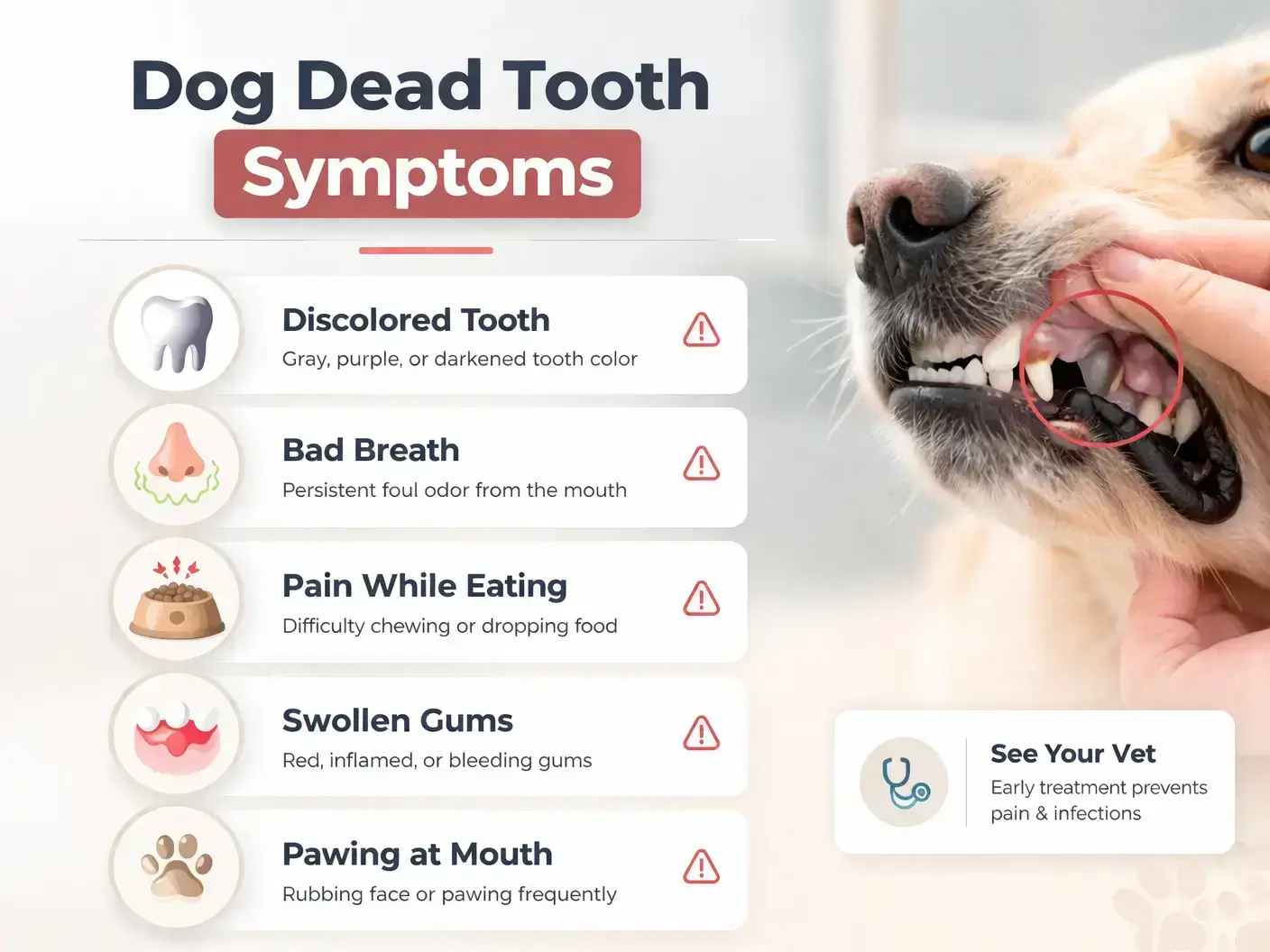
Signs Of A Dead Tooth
- Discolored tooth (gray, purple, or pink dog tooth)
- Bad breath
- Difficulty eating
- Pawing at the mouth
- Swelling or gum disease
Causes Of Tooth Death
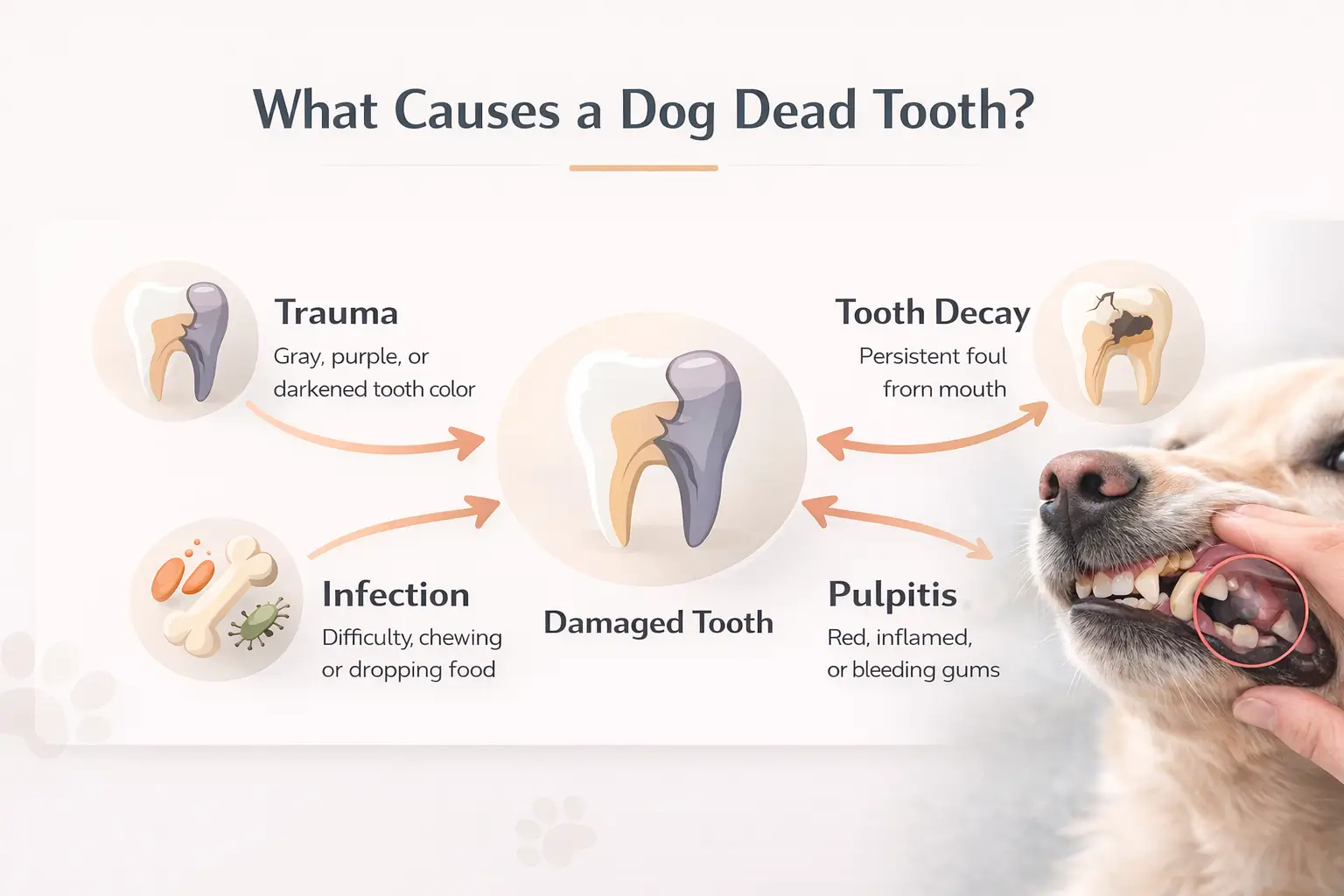
- Trauma (chewing hard objects)
- Untreated cavities
- Infection (dog dead tooth infection)
- Pulpitis (inflammation inside the tooth)
Practical Solutions
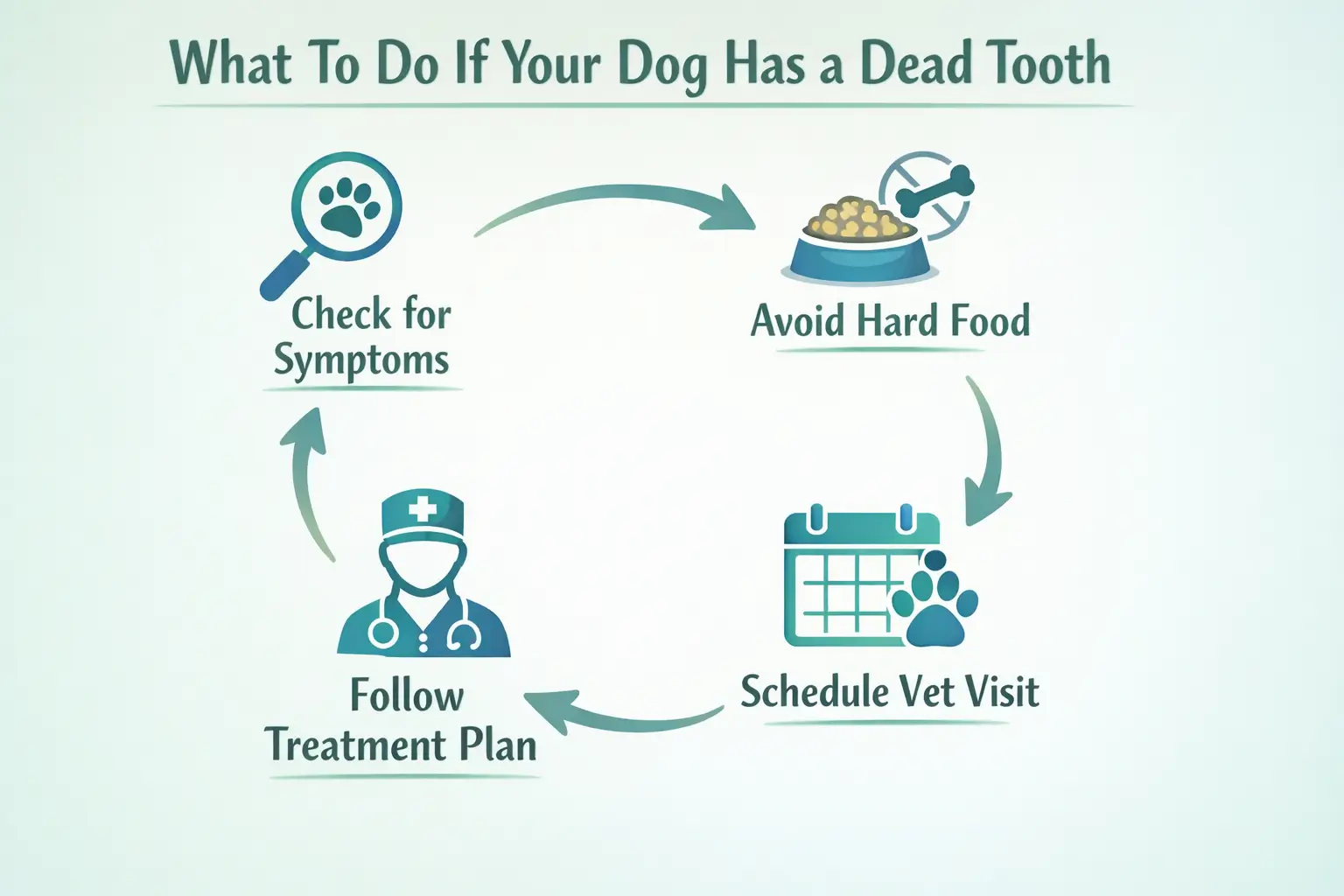
- Schedule a vet dental exam immediately
- Avoid hard foods
- Monitor for worsening symptoms
Does A Dead Tooth Need Removal
In most cases, yes. A dead tooth often requires:
- Extraction (dog dead tooth removal)
- Root canal treatment
Leaving it untreated can lead to infection spreading.
Treatment Options And Cost
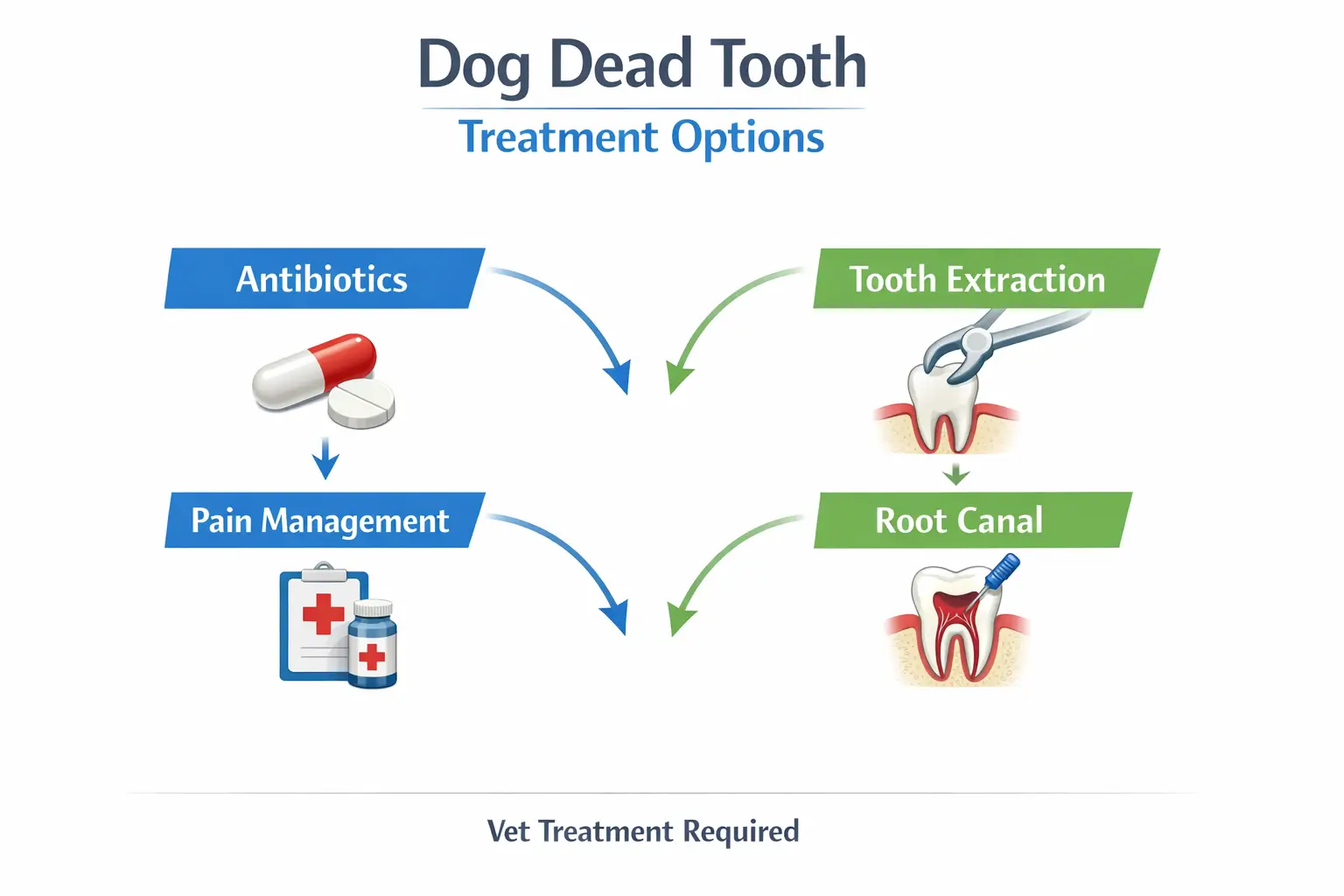
Dog dead tooth treatment may include:
- Antibiotics for infection
- Tooth extraction
- Root canal therapy
Costs vary depending on severity and location, but early treatment is always more affordable than advanced procedures.
Can A Dog Live With A Dead Tooth
Technically yes, but it is not recommended. A dead tooth can cause chronic pain and infection, affecting overall health.
Home Care And Limitations
Some owners look for a dog dead tooth treatment home remedy, but home remedies cannot fix a dead tooth. They may only:
- Reduce temporary discomfort
- Support oral hygiene
Professional veterinary care is essential.
Seasonal Pet Care Tips
-
Spring Dental Check Awareness
Schedule a dental check as outdoor activity increases.
-
Summer Hydration And Monitoring
Watch for reduced eating due to heat or pain.
-
Fall Routine Health Checks
Maintain consistent feeding and observe chewing habits.
-
Winter Soft Food Adjustments
Provide softer food if your dog shows signs of dental discomfort.
Additional Expert Tips
- Avoid giving extremely hard chew toys
- Start dental care early in your dog’s life
- Watch for subtle behavior changes
- Schedule regular vet dental cleanings
- Do not ignore tooth discoloration
Conclusion
A dog dead tooth is more than just a cosmetic issue—it can lead to pain, infection, and serious health complications if left untreated. Early detection, proper dental care, and timely veterinary treatment are key to keeping your dog healthy and comfortable.
Many owners underestimate dental health, but small signs like discoloration or changes in eating habits should never be ignored. With consistent care and attention, you can prevent serious problems and ensure your dog enjoys a happy, pain-free life.
Learn More: Do Capybaras Bite? Safety, Behavior & Bite Facts
FAQs
-
How to tell if a dogs tooth is dead?
Look for discoloration (gray or purple), bad breath, and signs of pain while eating.
-
Will my dog’s dead tooth fall out on its own?
Sometimes, but it is not safe to rely on this. Veterinary care is recommended.
-
Why is my dog’s tooth purple?
A purple tooth often indicates internal damage or loss of blood supply.
-
Can I treat my dog’s tooth infection at home?
Home remedies may ease symptoms, but they cannot cure the infection.
-
Does a dog dead tooth cause pain?
Yes, although dogs may hide it, dead teeth can be very painful.
-
What does a dead dog tooth look like?
It may appear gray, purple, or darker than surrounding teeth.
-
How serious is pulpitis in dogs?
It is a painful condition that can lead to tooth death if untreated.




4 Responses