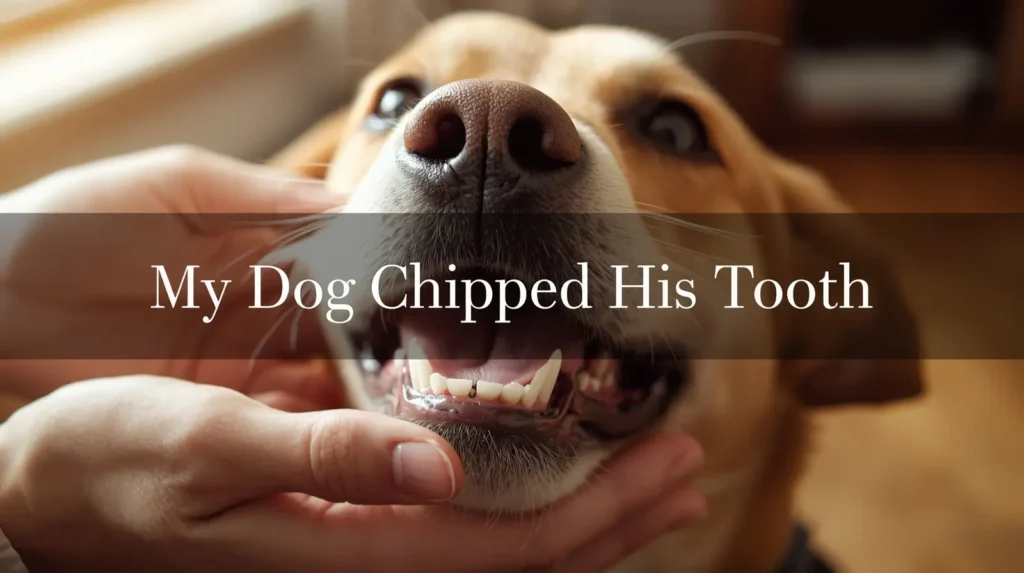
Discovering a jagged edge on your dog’s tooth during a Saturday morning belly rub is a heart-stopping moment. The most confusing part for owners is that dogs are masters of disguise; they often act completely normal even when a nerve is exposed, leading many beginners to mistakenly assume no pain means no problem. This guide cuts through the confusion to help you make the right decision quickly.
Quick Summary
-
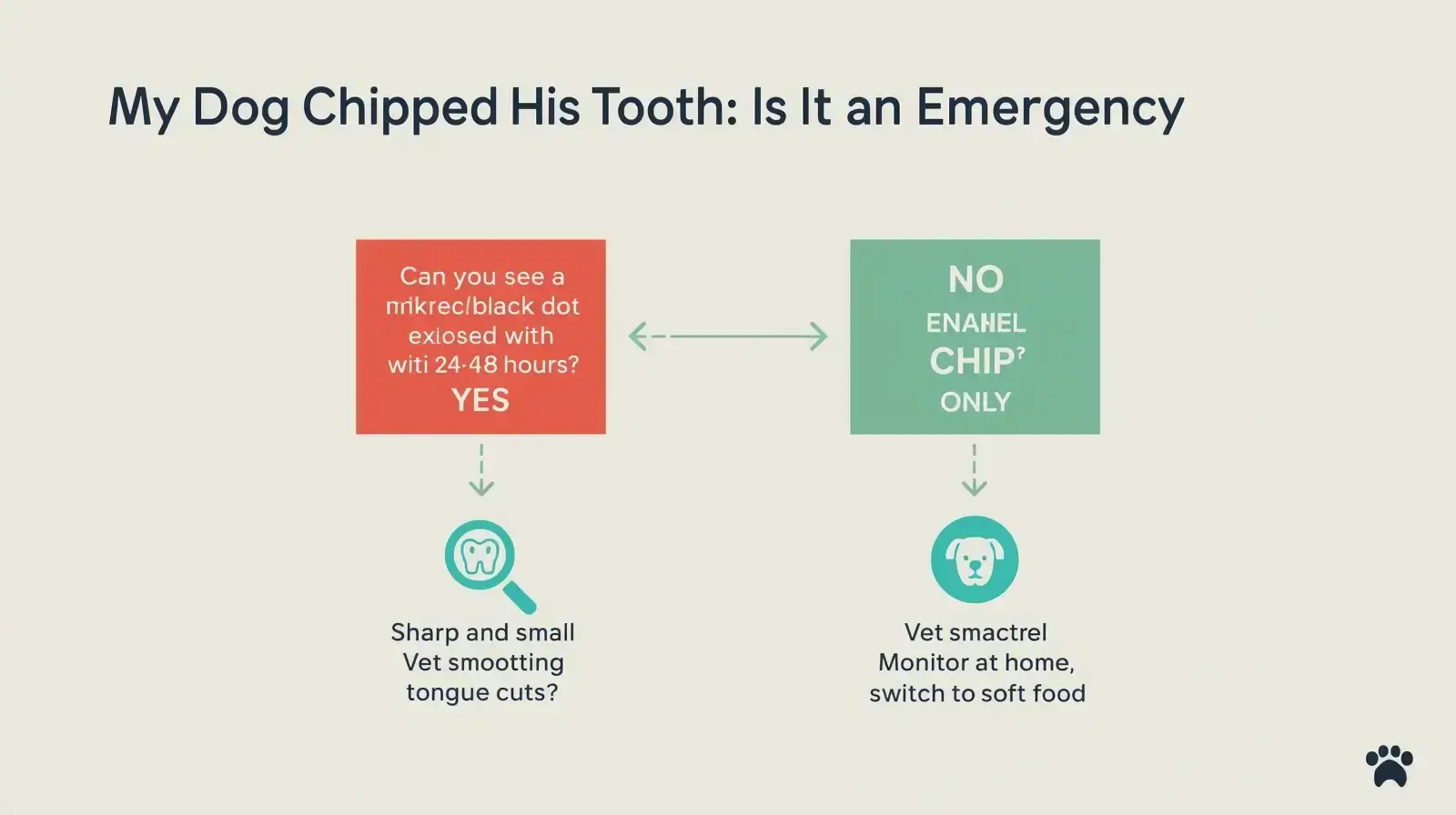
Is A Broken Dog Tooth An Emergency
If the pulp (the inner pink or black dot) is exposed, yes, it requires urgent veterinary attention within 24-48 hours to prevent abscess and severe infection.
-
My Dog Chipped His Tooth But Has No Pain
Dogs instinctively hide oral pain. A lack of whimpering does not mean the tooth is healthy. The underlying nerve may be dying, which is a silent but serious process.
-
Chipped Dog Tooth Treatment At Home
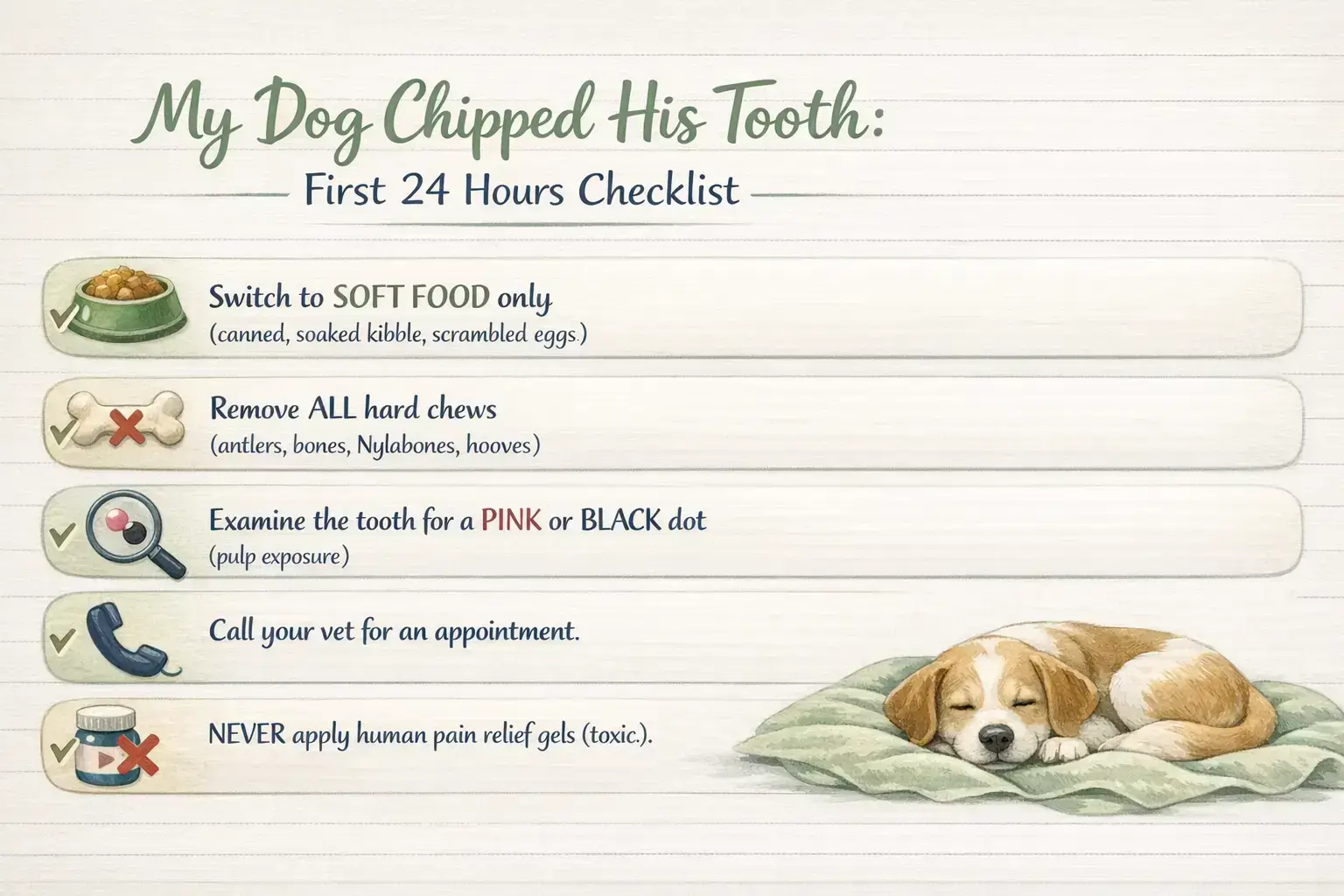
There is no safe, effective home remedy for a fractured tooth. Do not apply human pain relievers (toxic). Rinse with water and switch to soft food while waiting for the vet.
-
How To Fix A Chipped Dog Tooth
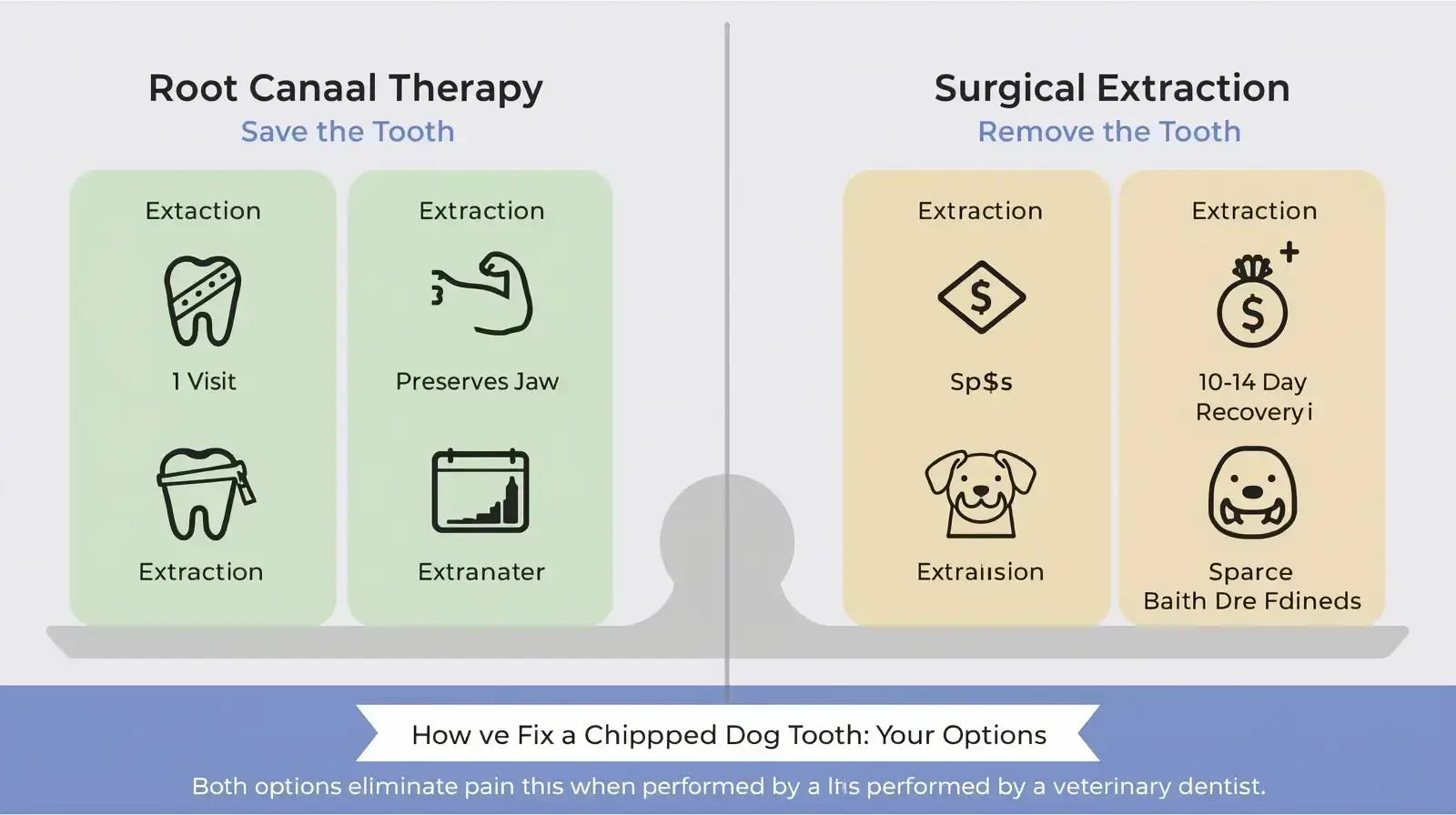
Treatment is not optional for pulp exposure. Options include Root Canal Therapy (saves the tooth) or Extraction (removes the problem). Small enamel chips may only need monitoring.
-
Chipped Dog Tooth Repair Cost
Cost varies by location and tooth type but generally ranges from $1,500-$3,000 for a root canal or $600-$1,200 for a surgical extraction of a large canine tooth.
Pet Care Insight
This guide is based on widely accepted veterinary dental practices, guidance from board-certified veterinary dentists, and the real-life experiences of pet owners who have navigated the stress of dental emergencies. The goal is to provide practical, easy-to-follow advice for everyday pet care.
Understanding Chipped Teeth In Dogs
-
Temperament And Pain Masking Instincts
Even the most affectionate and vocal breeds will often mask dental pain. Unlike a limp, a chipped tooth is a silent injury. Owners must rely on visual inspection and knowledge of their dog’s chewing habits rather than waiting for behavioral changes.
-
Physical Traits And Tooth Vulnerability
Dogs have 42 teeth designed for ripping and crushing. The most commonly fractured teeth are the large upper fourth premolars (carnassial teeth used for shearing) and the canine teeth. Brachycephalic breeds (Pugs, Bulldogs) are prone to chipped molars due to tooth crowding.
-
Family Suitability And Chewing Risks
Homes with multiple dogs who share toys or families who rely heavily on hard chews (antlers, bones) are at the highest risk for dental fractures. This is a “lifestyle” injury that can happen to any dog at any age, though seniors may have weaker enamel.
Daily Care Essentials:
Immediate Steps
-
Feeding Routine After A Chip
The moment you notice my dog chipped his tooth, you must change the feeding routine. Do not feed hard kibble, crunchy treats, or frozen items. Switch immediately to canned food, soaked kibble mush, or scrambled eggs. This prevents further fracture of the weakened tooth and reduces pain from pressure.
-
Grooming And Oral Hygiene
Pause all tooth brushing until the tooth is evaluated by a vet. Brushing a fractured tooth with exposed pulp can cause excruciating pain and push bacteria deeper into the pulp chamber. Gently wipe the outer muzzle with a damp cloth if there is drool.
-
Exercise And Chew Toy Removal
A common mistake owners make is letting the dog have their “comfort” chew toy. You must perform a toy audit immediately. Remove all hard chews: antlers, bones, Nylabones, hooves, and even hard plastic toys. Once your dog is fully healed and cleared by the vet, you can explore safer alternatives by reviewing our recommendations for the best dental chew for dogs that won’t risk fracturing teeth.
Diet And Nutrition Guide
For Recovery
-
Feeding Schedule And Portion Control
If you are waiting for a veterinary appointment, smaller, more frequent meals of soft food are best. This keeps blood sugar stable and reduces the strain on the jaw muscles.
-
Nutritional Needs And Safe Foods
Focus on high-protein, soft textures. Safe options include plain yogurt, pureed pumpkin, baby food (meat flavors with no onion/garlic), and commercial recovery diets. Unsafe foods to avoid include anything sticky (can pull on the broken fragment) or crunchy.
-
Clarifying Confusing Feeding Advice
Many owners ask if they can use bone broth. While broth is soft, some commercial broths contain onion and garlic powder which are toxic. Always check labels or make plain poached chicken water at home.
Exercise And Mental Stimulation
-
Daily Activity Needs During Monitoring
You do not need to restrict physical exercise unless the dog is post-surgical. However, you must restrict access to sticks and rocks during walks. A dog who just chipped a tooth on a bone will often seek out a stick to soothe their gums—this can wedge into the fracture and make it worse.
-
Easy At-Home Activities
Replace destructive chewing with mental puzzles. A snuffle mat with soft treats or a lick mat with peanut butter (xylitol-free) smeared on it is a safe way to tire them out without risking the tooth.
Training And Behavior Guidance
-
Basic Training For Mouth Handling
This is a wake-up call to train a “Gentle” or “Drop It” cue. In a real-life scenario, you need to be able to look in your dog’s mouth without a fight. Practice lifting the lip gently (without touching the broken tooth) daily and rewarding with soft cheese.
-
Socialization And Play Prevention
Monitor play with other dogs closely. A game of tug-of-war with a rope toy can easily snag on a chipped canine tooth and shear off the remaining enamel.
Health And Climate Considerations
-
Heat Safety And Hydration
If the pulp is exposed, drinking cold water can cause a sharp, shooting pain (similar to human tooth sensitivity). Some dogs may drink less as a result. In summer, this increases dehydration risk. Offer room-temperature water to encourage drinking.
-
Cold Care And Tooth Sensitivity
Conversely, inhaling freezing winter air through the mouth can trigger nerve pain in a dog with a chipped canine tooth. Keep walks short and breathing steady.
Comparison:
Treatment Options For A Fractured Tooth
Understanding the difference between monitoring, extraction, and saving the tooth is crucial for making an informed decision at the vet. For a more detailed clinical overview of why these injuries occur and how they are treated, VCA Animal Hospitals provides an excellent resource on fractured teeth in dogs.
| Feature | Monitoring (Enamel Chip Only) | Root Canal Therapy | Surgical Extraction |
|---|---|---|---|
| Safety Level | High (if pulp is NOT exposed) | High (Gold Standard Care) | Moderate (Surgical Procedure) |
| Suitability | Superficial chips on the tip of the tooth with no pink/black dot visible. | Dogs with healthy roots and exposed pulp. Ideal for large functional teeth like canines. | Severely fractured teeth below gumline, or if owner finances preclude root canal. |
| Risks | Tooth may later fracture further; requires vigilance. | Anesthesia required; potential for future crown wear. | Anesthesia required; loss of tooth function; longer bone healing time. |
| Purpose | Avoid unnecessary surgery. | Preserve tooth structure and jaw strength; eliminates pain while keeping the tooth. | Remove source of infection and pain; stops problem permanently. |
Common Problems And Troubleshooting
Problem My Dog Chipped His Tooth But I Cannot Afford The Vet Right Now
Cause
Financial constraints and emergency vet bills are a real-world stressor.
Solution
Call local veterinary schools or low-cost clinics. Explain you have a dog with a suspected pulp exposure. Even if you cannot afford a root canal, an extraction is significantly less expensive than treating a resulting jaw abscess months later. Never ignore it.
Prevention
Consider pet insurance that covers dental accidents or start a dedicated pet emergency fund.
When To See A Vet
Immediately for assessment. Even if you opt to wait for extraction scheduling, the vet needs to prescribe antibiotics and pain relief.
Problem There Is A Pink Or Black Spot On The Broken Tooth
Cause
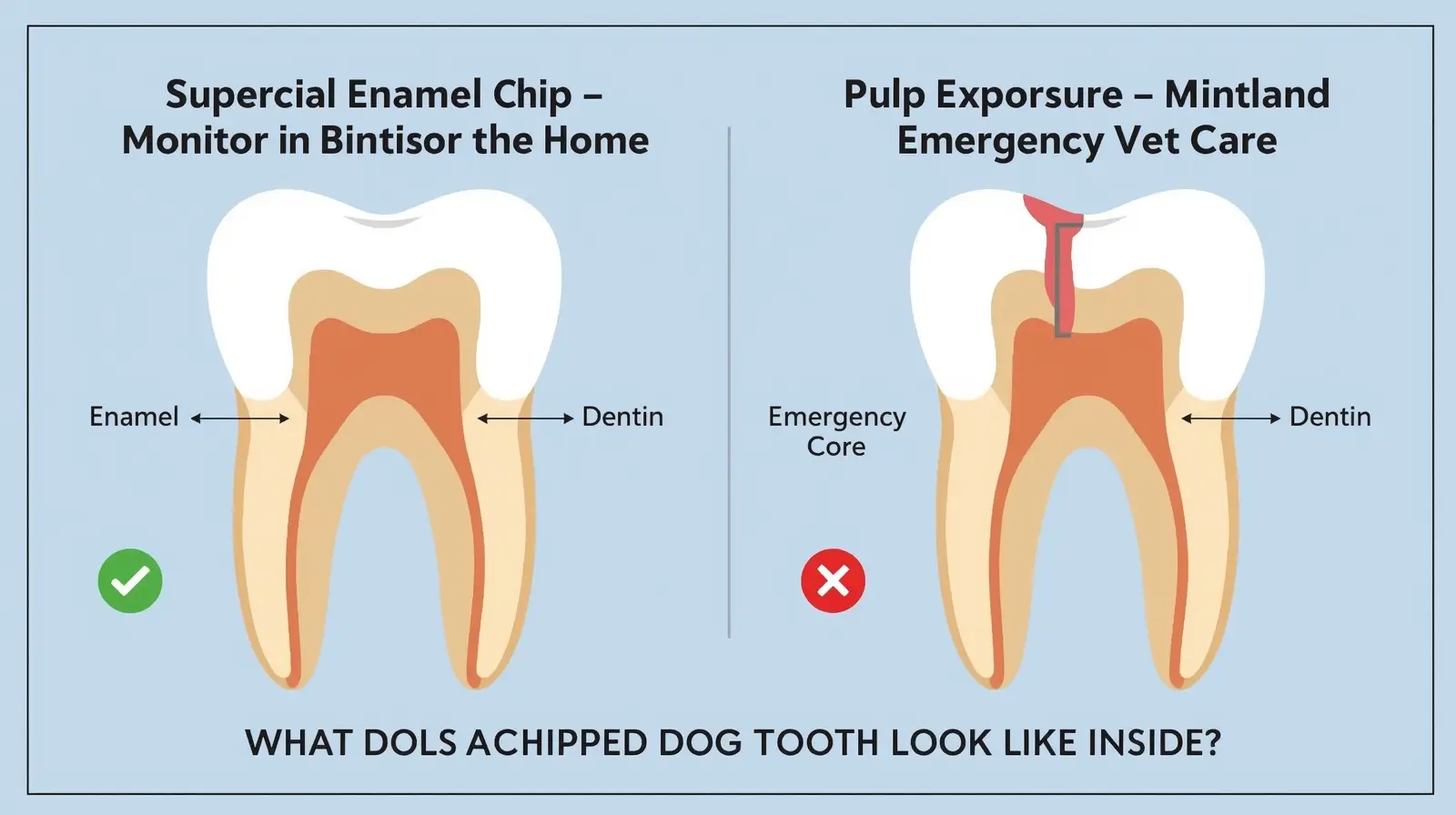
This is the pulp exposure. The tooth nerve is exposed to air, food, and bacteria.
Solution
This is not a wait-and-see situation. The tooth is dying and will abscess. Treatment (Root Canal or Extraction) is required within days to weeks to prevent severe pain and facial swelling.
Prevention
Avoid hard chews to prevent this type of injury in the first place.
When To See A Vet
When to See a Vet: Within 24-48 hours to start pain medication and antibiotics. Being able to recognize the early symptoms of dog tooth infection can help you act before the problem escalates into a facial abscess.
Problem Dog Chipped Canine Tooth Tip With No Pain
Cause
The very tip of the canine (the “cusp”) can wear down or chip off from digging or crate chewing.
Solution
If the chip is small (less than 1-2mm) and you see solid white dentin underneath with no pink dot, your vet may smooth the sharp edge with a dental burr (odontoplasty) and monitor it.
Prevention
Use soft bedding for crate diggers; apply bitter spray to crate bars.
When To See A Vet
At your next routine checkup for a quick visual, or sooner if you notice any discoloration.
Seasonal Pet Care Tips
-
Spring Allergies And Chewing
Spring pollen allergies cause itchy gums. Dogs may seek out hard objects to chew on to relieve the itch. Provide frozen, soft options like a frozen Kong with yogurt to satisfy the urge without breaking teeth.
-
Summer Heat Protection
Hot pavement increases panting. A dog with a chipped canine tooth experiencing nerve pain will pant differently (shallow, rapid breaths). Keep them cool to minimize this stress.
-
Fall Routine Changes
As you prep for the holidays, be vigilant about guests dropping bones or hard candies on the floor. A single dropped rib bone is a common cause of “my dog chipped his molar.”
-
Winter Indoor Care
Increased indoor boredom leads to chewing furniture legs. This is a high-risk activity for chipping front teeth. Increase indoor enrichment during cold snaps.
Additional Expert Tips
-
Hidden Mistakes Owners Make
The biggest hidden mistake is using human oral pain relief gels (Orajel/Benzocaine). These are toxic to dogs and can cause methemoglobinemia, a fatal blood disorder. Never put anything in your dog’s mouth not prescribed by a vet.
-
Simple Habits For Long-Term Care
Perform a weekly “lip lift” during cuddle time. Early detection of a chip on the back molar (carnassial) is critical because you cannot see it easily. Get used to the look of your dog’s healthy teeth.
-
Understanding Why The Tooth Died
If a tooth turns gray or purple weeks after a chip, it means the pulp has died (non-vital tooth). Even if the dog is not crying, this dead tissue is a breeding ground for bacteria. For a more detailed look at this specific condition, our guide on identifying and treating a dog dead tooth explains why timely intervention matters.
Conclusion
The moment you realize my dog chipped his tooth, the most responsible action is a veterinary examination. The major mistake is assuming a dog not crying is a dog not hurting. Dental fractures are internal wounds. Whether you choose to fix a chipped dog tooth with a root canal or remove it, addressing the problem restores your companion’s quality of life and prevents future emergency vet visits.
FAQs
-
What does a chipped dog tooth look like?
A chipped dog tooth can look like a small flat spot on the tip, a jagged edge on the side, or a deep crater with a visible pink, red, or black center indicating exposed pulp.
-
Is a broken dog tooth an emergency?
Yes, if the pulp is exposed (pink/black dot). This is an open gateway for bacteria into the jawbone. If the chip is purely superficial enamel, it is not an immediate emergency but should be monitored.
-
Will a chipped dog tooth heal on its own?
No. Unlike skin, tooth enamel does not regenerate or heal over. The fracture will remain permanently unless treated by a veterinary dentist.
-
How much does it cost to fix a chipped dog tooth?
Cost varies widely by location and procedure. Root canal therapy on a canine tooth often ranges from $1,500 to $3,000. Surgical extraction of a large tooth ranges from $600 to $1,200.
-
Can a dog live with a chipped tooth?
A dog can survive with a chipped tooth, but if the pulp is exposed, they are living with chronic, silent pain and risk of systemic infection. Quality of life is significantly improved with treatment.
-
What to do for a chipped dog tooth at home?
Switch to soft food, remove all hard chews, and schedule a vet visit. You cannot treat the tooth itself at home; do not apply human medications.
-
My puppy chipped a baby tooth. Is it serious?
If it’s a baby (deciduous) tooth and the puppy is under 6 months, the tooth will likely fall out naturally. However, sharp edges can cut the tongue or gums. A vet should smooth it or remove it early if it’s causing trauma.