
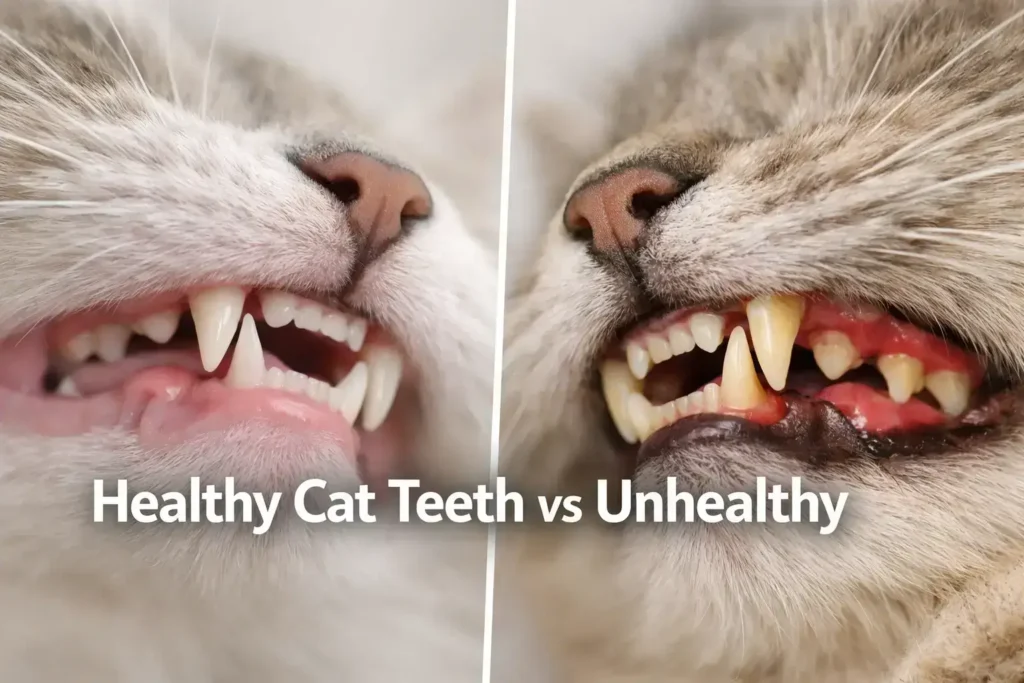
Cats are known for their independence and cleanliness, but dental health is one area many owners overlook. Understanding the difference between healthy cat teeth vs unhealthy ones is crucial because dental issues can quietly lead to pain, infections, and even serious health problems.
Many cat owners assume bad breath or slight discoloration is normal—but in reality, these can be early warning signs of deeper issues. Learning what healthy cat teeth look like and spotting problems early can make a big difference in your cat’s comfort and longevity.
Pet Care Insight
This guide is based on widely accepted pet care practices, veterinary guidance, and common experiences shared by responsible pet owners. The goal is to provide practical, easy-to-follow advice that helps owners keep their pets healthy, comfortable, and well cared for.
Pet Overview
Understanding Cat Dental Structure
Cats have 30 adult teeth designed for tearing and chewing. A normal healthy cat teeth structure includes sharp, white teeth with clean edges and firm gums.
Key Characteristics Of Healthy Teeth
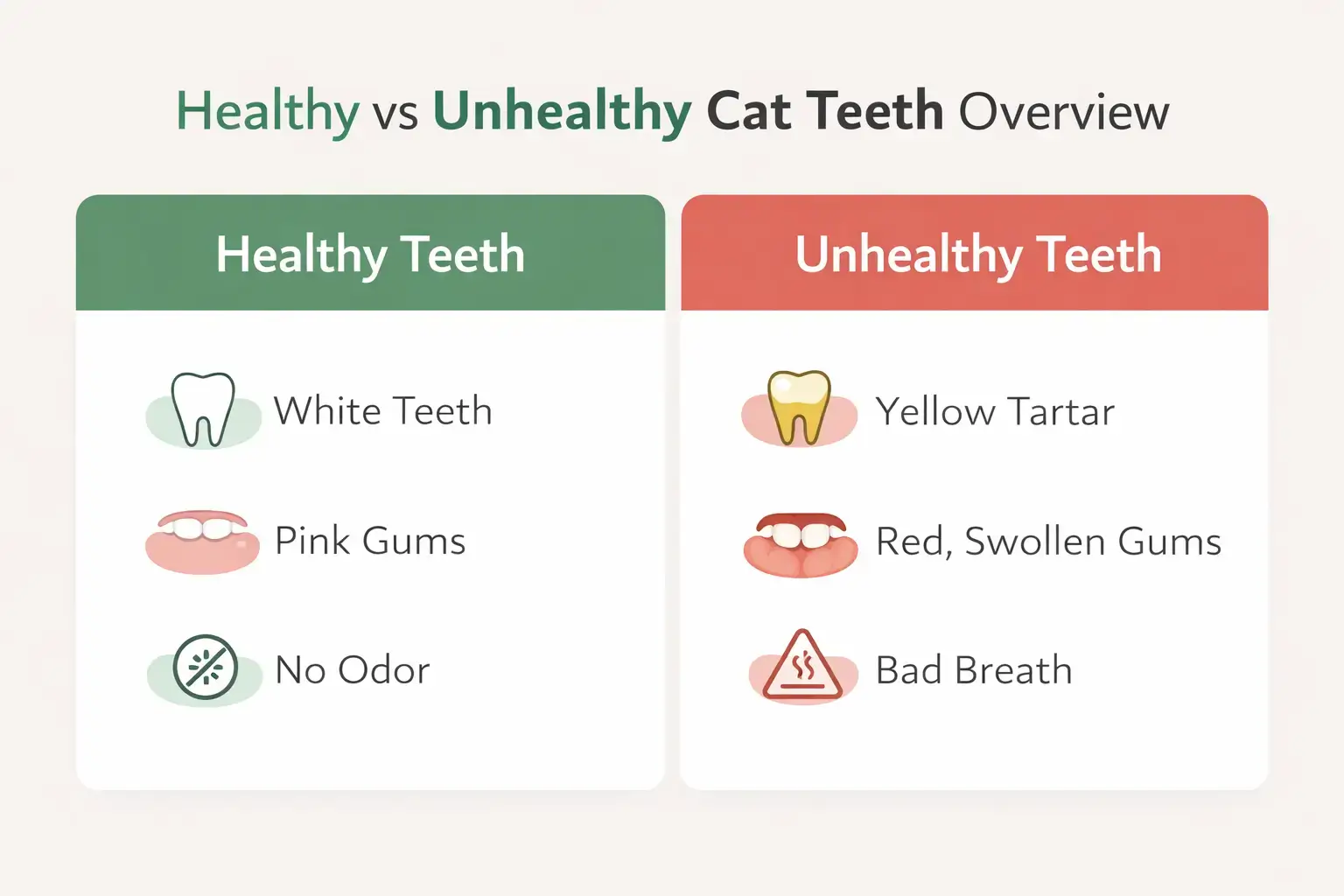
Healthy cat teeth and gums vs unhealthy ones differ clearly:
- Teeth are white or slightly off-white
- Gums are pink (not red or pale)
- No visible tartar buildup
- No bad odor
Signs Of Unhealthy Teeth
Unhealthy cat teeth often show:
- Yellow or brown tartar buildup
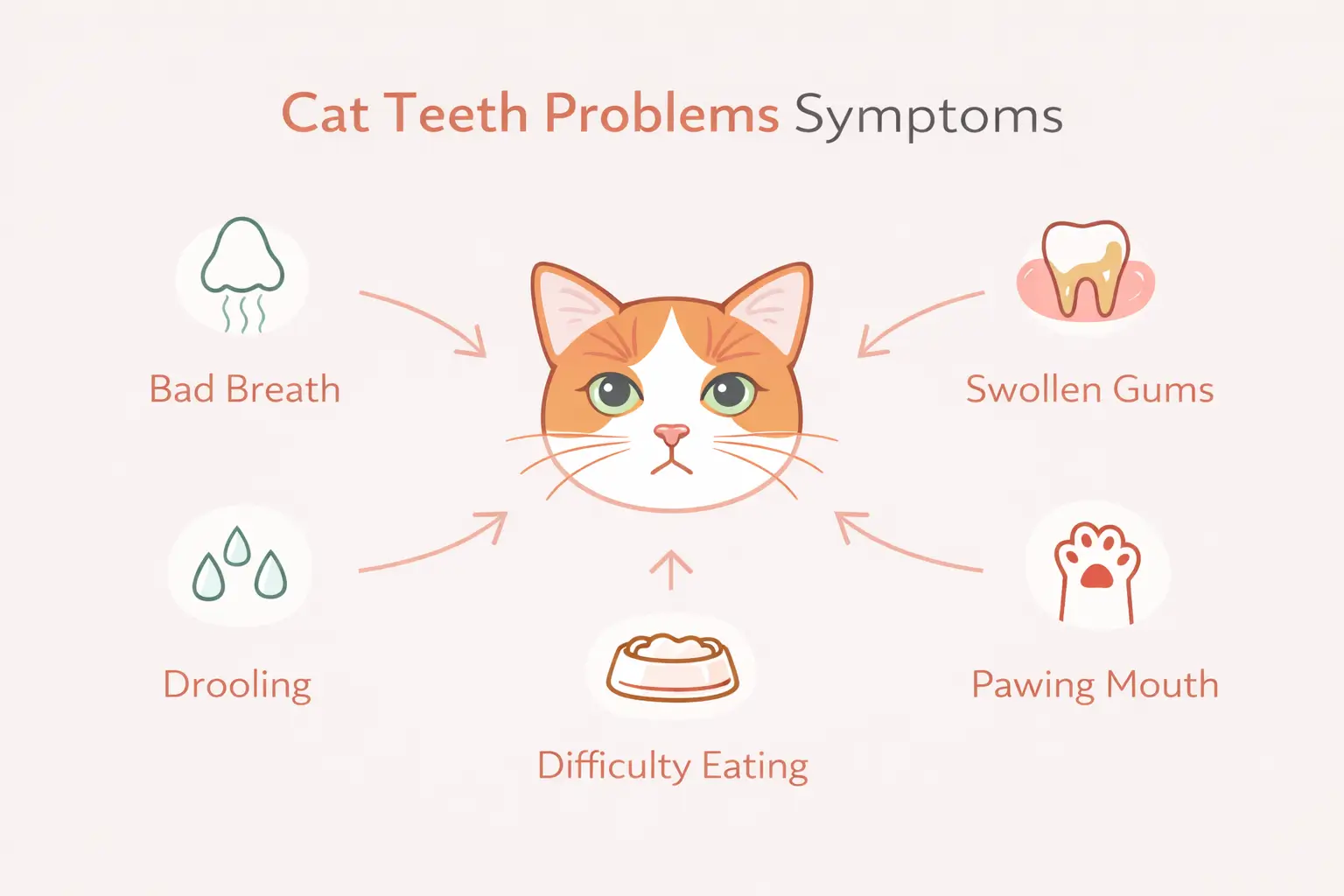
- Red, swollen, or bleeding gums (unhealthy cat gums)
- Loose or missing teeth
- Strong bad breath
- Difficulty eating
Daily Care Essentials
Maintaining Daily Oral Hygiene
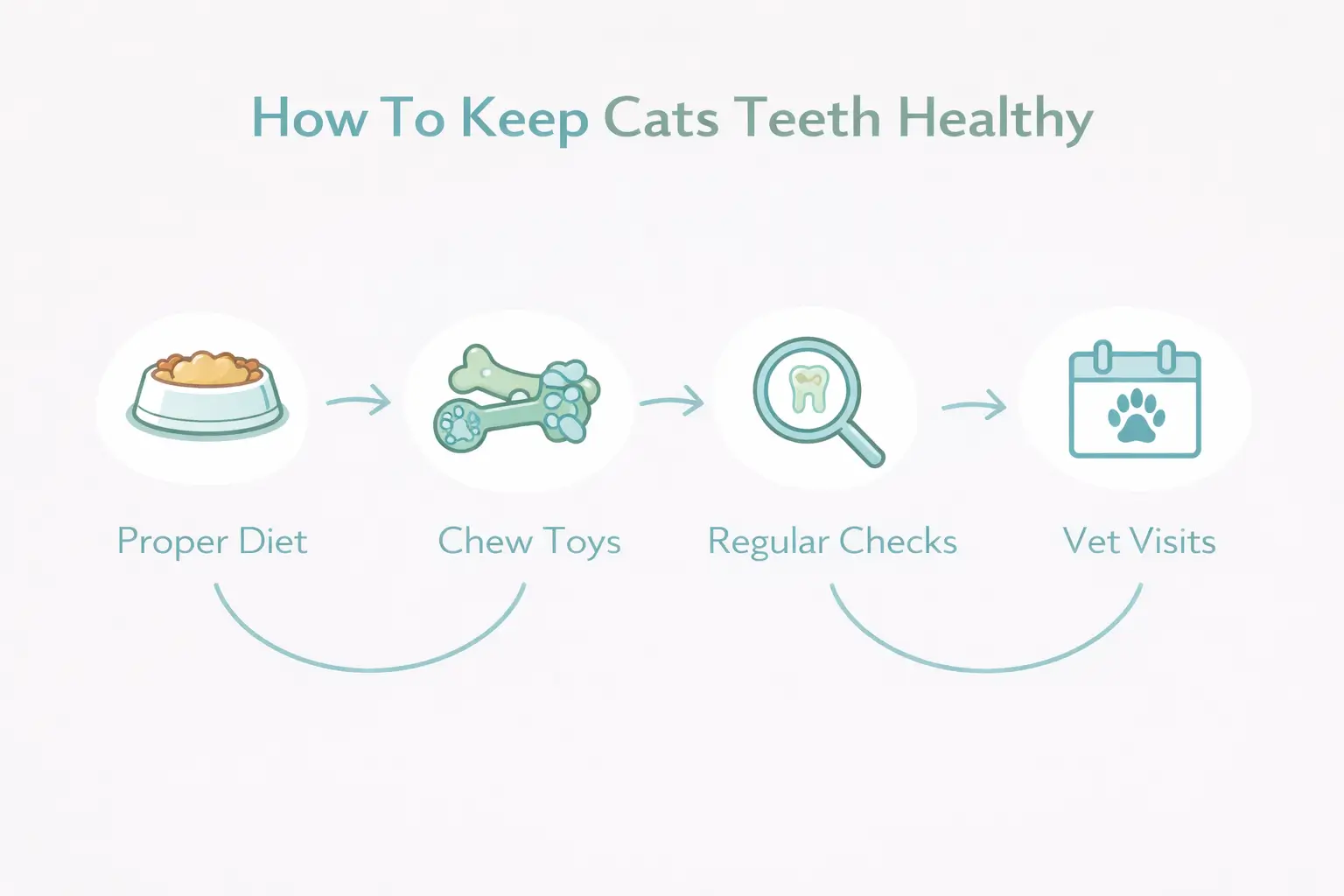
Even without brushing, you can support your cat’s dental health:
- Provide dental-friendly dry food
- Offer chew toys designed for oral health
- Ensure access to clean water
Observing Daily Changes
Check your cat regularly for:
- Changes in eating habits
- Drooling or pawing at the mouth
- Sudden bad breath
Diet & Nutrition Guide
Feeding For Dental Health
Proper nutrition plays a big role in preventing teeth issues in cats:
- Dry kibble can help reduce plaque buildup
- Balanced diet supports gum health
Age-Based Feeding Needs
Kittens:
- Soft food initially, transition to kibble
Adults:
- Combination of wet and dry food
Seniors:
- Softer food if dental issues develop
Safe Vs Risky Feeding Habits
Safe:
- High-quality cat food
- Dental treats (in moderation)
Avoid:
- Sugary foods
- Human snacks
Exercise & Mental Stimulation
Encouraging Chewing Behavior
Chewing helps clean teeth naturally:
- Use safe chew toys
- Rotate toys to keep interest
Interactive Play For Health
Regular play improves overall health, which indirectly supports dental wellness.
Training & Behavior Guidance
Building Positive Dental Habits
Start early:
- Get your cat used to mouth handling
- Introduce dental care gradually
Reducing Resistance
Use gentle techniques and reward calm behavior to make dental care easier.
Health & Climate Considerations
Dental Health And Overall Wellness
Dental problems can lead to:
- Infections
- Weight loss
- Organ complications if untreated
Hydration Importance
Adequate water intake helps maintain oral cleanliness and reduce bacteria.
Common Problems & Troubleshooting
Plaque And Tartar Buildup
Cause:
- Lack of dental care
Solution:
- Improve diet
- Introduce dental cleaning routines
Prevention:
- Regular monitoring
Gum Disease (Gingivitis)
Cause:
- Bacterial buildup
Symptoms:
- Red, swollen gums
- Bleeding
Treatment for cat gum disease:
- Veterinary cleaning
- Medication if needed
Tooth Pain Or Sensitivity
Signs:
- Avoiding food
- Drooling
What can you give a cat for tooth pain:
- Only vet-approved medication
Bad Breath
Cause:
- Infection or decay
Solution:
- Dental check-up
Seasonal Pet Care Tips
Summer Dental Care Tips
- Keep water fresh to prevent bacteria buildup
- Watch for dehydration affecting gums
Winter Dental Care Tips
- Monitor reduced activity and appetite
- Ensure consistent feeding routines
Year-Round Care
- Regular oral checks
- Maintain consistent diet
Additional Expert Tips
Simple Habits That Help
- Check your cat’s mouth weekly
- Use dental-friendly toys
- Monitor eating behavior
Common Mistakes To Avoid
- Ignoring bad breath
- Delaying vet visits
- Assuming cats don’t need dental care
Long-Term Dental Care
- Annual vet dental exams
- Early intervention prevents costly treatments
Healthy Cat Teeth Vs Unhealthy: Quick Comparison
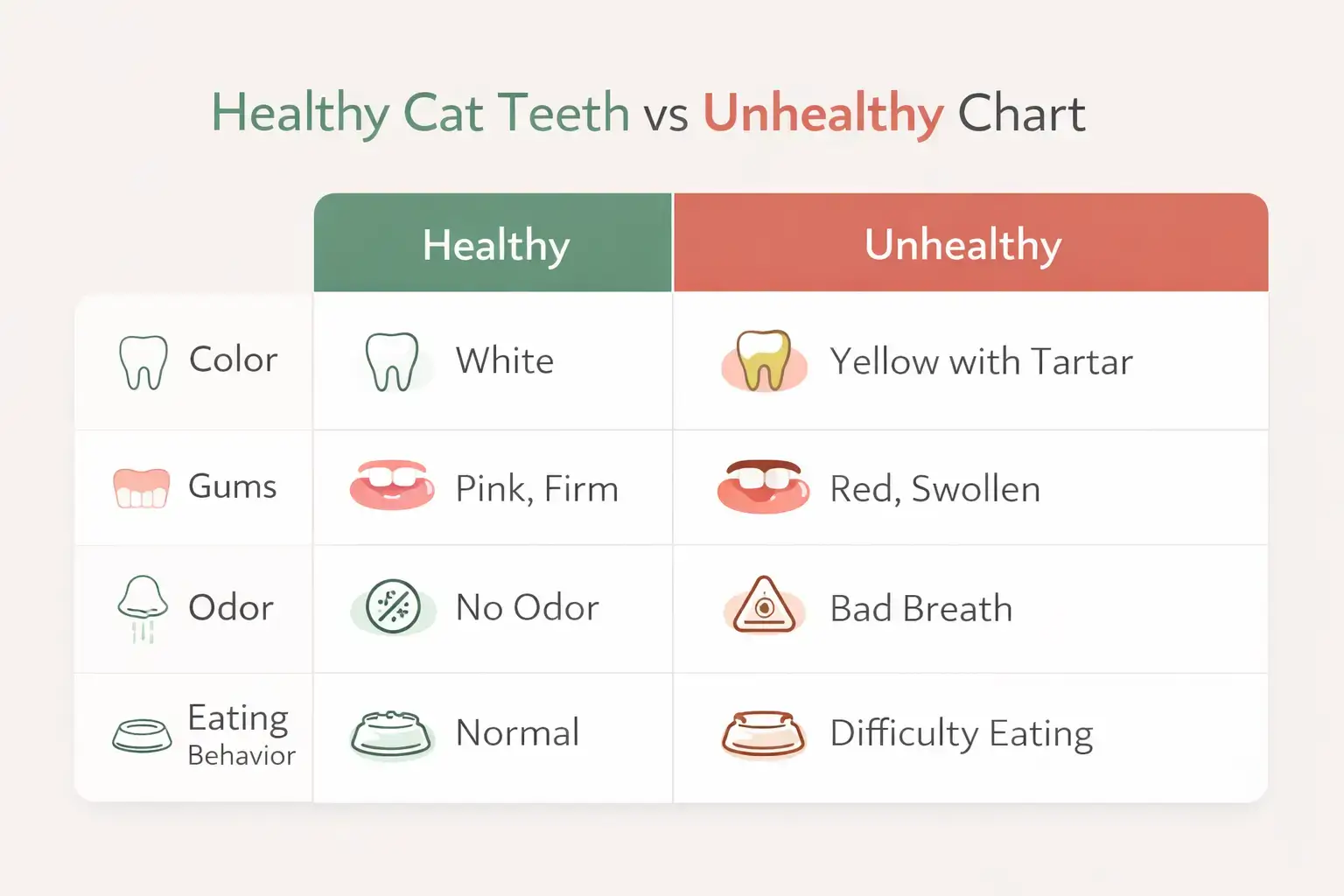
What Healthy Teeth Look Like
- Clean, white teeth
- Pink gums
- No odor
What Unhealthy Teeth Look Like
- Yellow/brown buildup
- Red or bleeding gums
- Bad breath
This works like a simple healthy cat teeth vs unhealthy chart for quick reference.
Conclusion
Maintaining your cat’s dental health is essential for their overall well-being. The difference between healthy cat teeth vs unhealthy ones can be subtle at first but becomes serious if ignored.
By understanding early signs, providing proper nutrition, and maintaining simple daily habits, you can prevent most dental issues. The key is consistency and early action—small steps today can save your cat from pain and major health problems later.
Learn More: Baby Ferrets Care Guide: Diet, Behavior & Tips
FAQs
-
What do healthy cat teeth look like?
Clean, white teeth with pink gums and no bad smell.
-
What do unhealthy cat teeth look like?
Yellow buildup, red gums, bad breath, and possible tooth loss.
-
How do you keep cats teeth healthy without brushing?
Provide dry food, dental treats, chew toys, and regular vet checkups.
-
What are common cat teeth problems symptoms?
Bad breath, drooling, difficulty eating, and swollen gums.
-
Can cats live with dental disease?
They can, but it causes pain and can lead to serious health issues if untreated.
-
How often should I check my cat’s teeth?
At least once a week at home, plus yearly vet exams.
-
What causes unhealthy cat gums?
Plaque buildup, poor diet, and lack of dental care.




3 Responses