

Cats are one of the most beloved pets in the world, but they have unique needs that many owners overlook. Whether you’ve just brought home a kitten or you’ve had cats for years, understanding the fundamentals of cat care makes a real difference in your pet’s quality of life.
This guide covers the key pillars of responsible cat ownership — from nutrition and health to grooming and seasonal care. Each section gives you a clear overview and links to deeper resources so you can explore what matters most to you.
You don’t need to be an expert to give your cat an excellent life. You just need the right starting points — and that’s exactly what this guide provides.
What Is a Cat Care Guide?
A cat care guide is a structured resource that covers every major aspect of owning and raising a healthy, happy cat. It brings together knowledge on health, nutrition, grooming, behavior, and veterinary care under one roof.
Key benefits of following a structured cat care approach:
- Prevents common health problems before they start
- Helps you understand your cat’s behavior and signals
- Saves money on avoidable vet visits
- Strengthens the bond between you and your cat
- Ensures your cat lives a longer, healthier life
Quick Cat Care Checklist
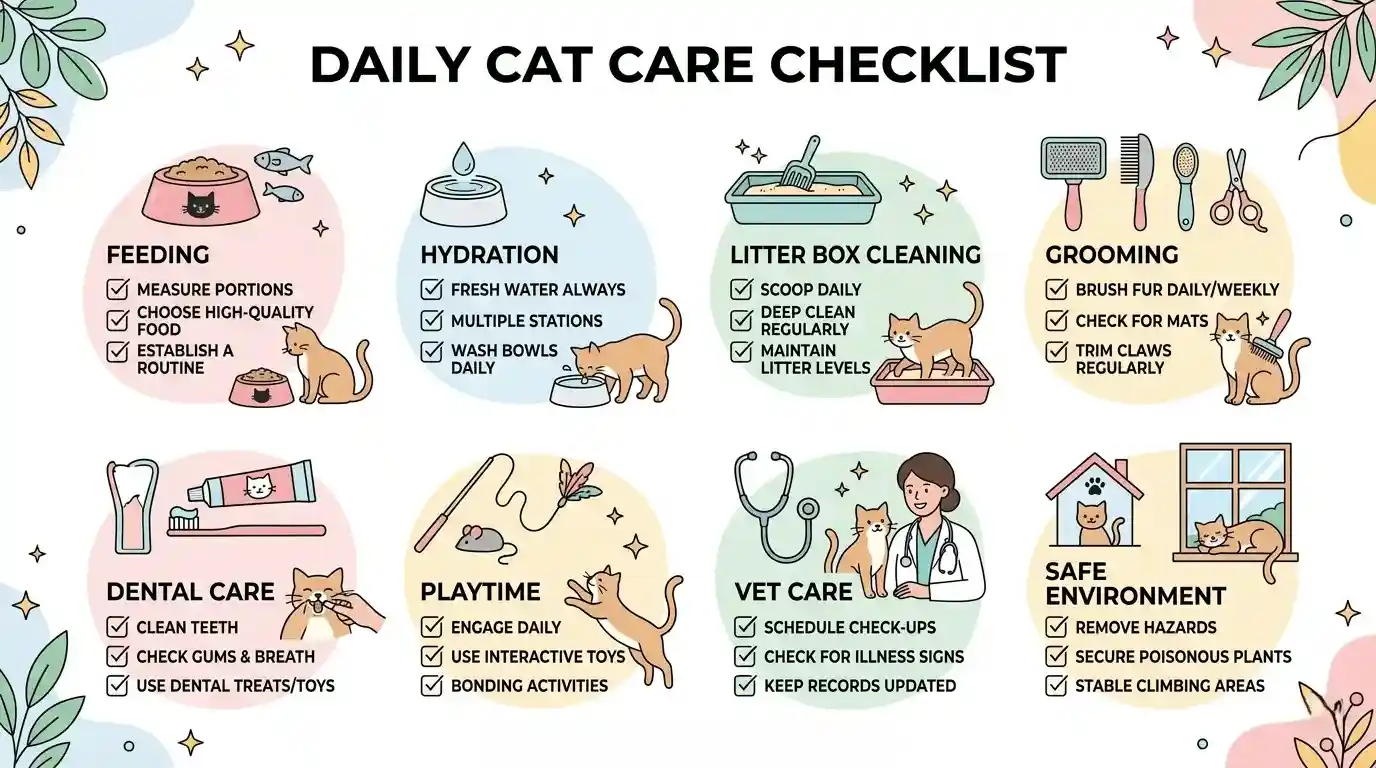
| Factor | Key Focus |
| Nutrition | Species-appropriate diet, wet + dry food balance |
| Hydration | Fresh water daily, consider a fountain |
| Grooming | Regular brushing, nail trims, dental care |
| Veterinary Care | Annual wellness exams, vaccinations |
| Litter Box | 1 box per cat + 1 extra, cleaned daily |
| Exercise & Play | 15–20 min of active play per day |
| Environment | Safe indoor space, enrichment, scratching posts |
| Mental Stimulation | Puzzle feeders, window perches, social interaction |
🌿 For expert insight into how breed affects care needs, explore “Smoke Maine Coon Kittens”.
🌿 Understanding Your Cat’s Environment
Indoor vs. Outdoor Living
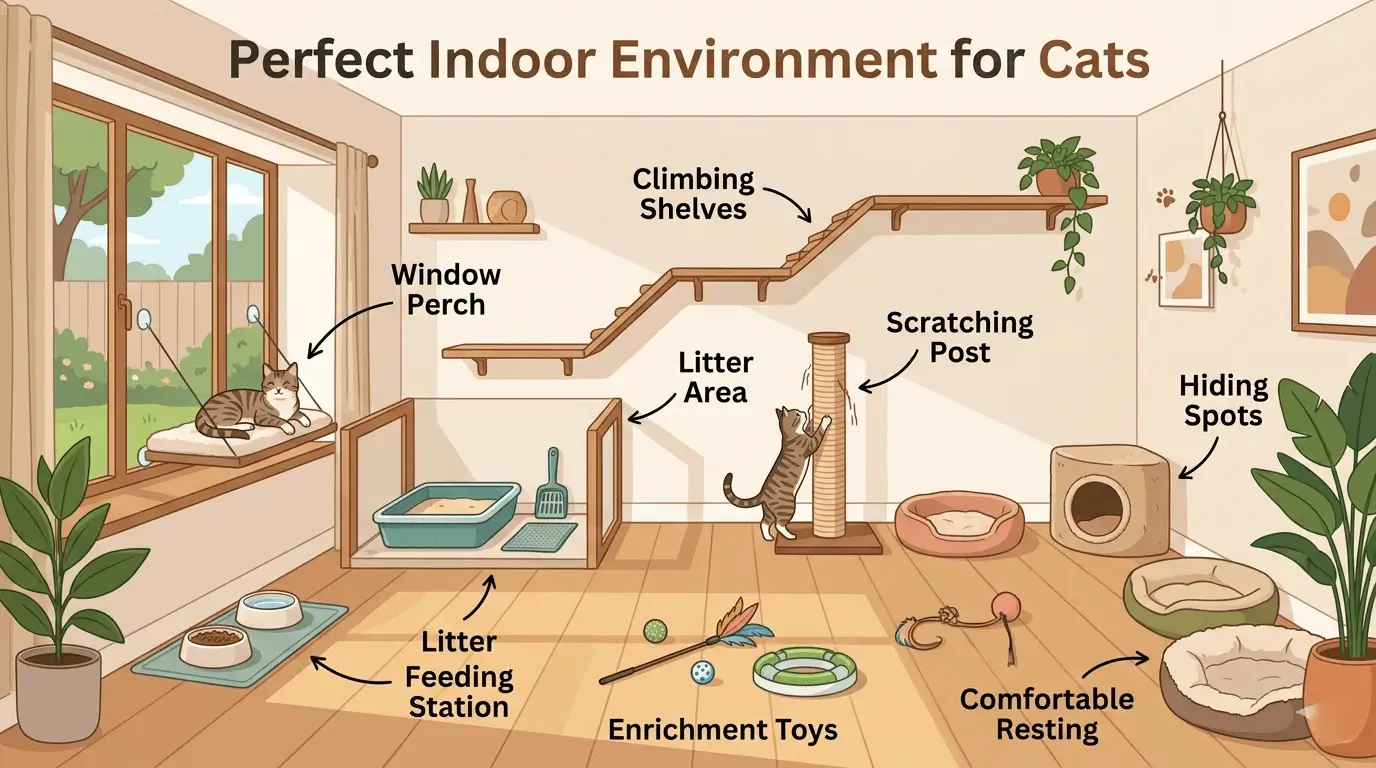
Indoor cats typically live significantly longer than outdoor cats due to reduced exposure to predators, traffic, and disease. Creating a rich indoor environment with perches, hiding spots, and toys keeps your cat mentally engaged without outdoor risks.
Territory and Space
Cats are territorial animals that need defined spaces they feel safe in. Vertical space — like cat trees and shelves — is just as important as floor space for a cat’s sense of security and confidence.
Multi-Cat Households
In homes with multiple cats, resource competition is a common stressor. Each cat needs its own food bowl, water source, and litter box to reduce conflict and maintain peace.
🌿 For a great example of breed-specific space needs, explore “Scottish Fold Munchkin”.
🌱 Cat Nutrition Fundamentals
Understanding Protein Needs
Cats are obligate carnivores, meaning they must get essential nutrients — like taurine and arachidonic acid — from animal-based protein. A diet built around quality meat sources is non-negotiable for their long-term health.
Wet vs. Dry Food
Wet food provides critical hydration and more closely mimics a cat’s natural prey diet. Dry food can be convenient but should not be the sole diet, especially for cats prone to urinary issues.
What to Avoid
Certain foods are toxic to cats, including onions, garlic, grapes, and chocolate. Many cats also develop food sensitivities over time, which can manifest as digestive issues or skin problems.
🌿 To understand food-related sensitivities, explore “What Are Cats Allergic To Food”.
🌿 For guidance on hairballs — a common nutrition-linked issue — explore “Are Hairballs Normal for Cats”.
💧 Cat Health and Hydration
Encouraging Water Intake
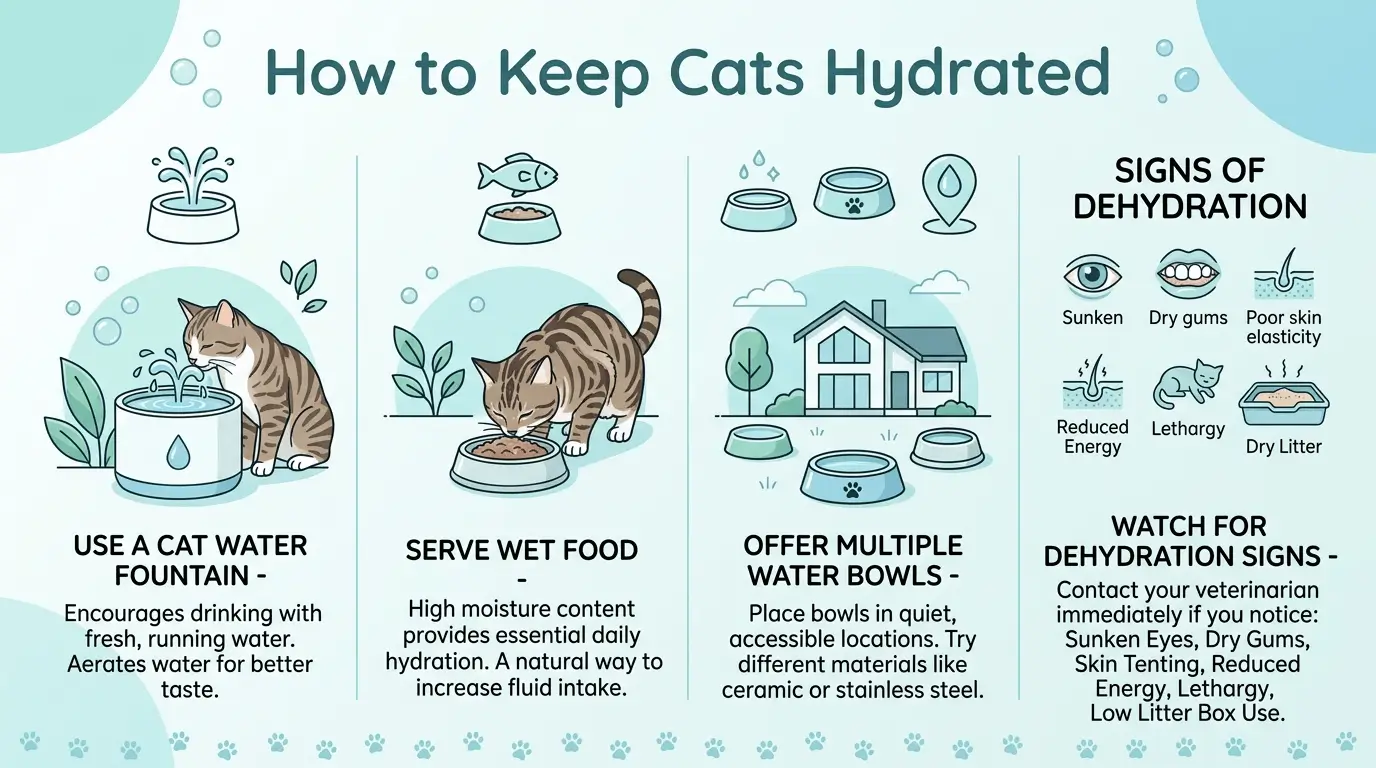
Many cats are poor water drinkers, which puts them at risk of urinary and kidney problems. A cat water fountain can significantly increase daily intake by making water more appealing and oxygenated.
Urinary Health
Male cats and those on dry-food-only diets are especially vulnerable to urinary crystal formation. Monitoring litter box habits — frequency, consistency, straining — is one of the easiest health checks you can do at home.
Signs of Dehydration
- Sunken or dull eyes
- Loss of skin elasticity (skin tent test)
- Lethargy or reduced appetite
- Dry, tacky gums
Signs of Urinary Problems
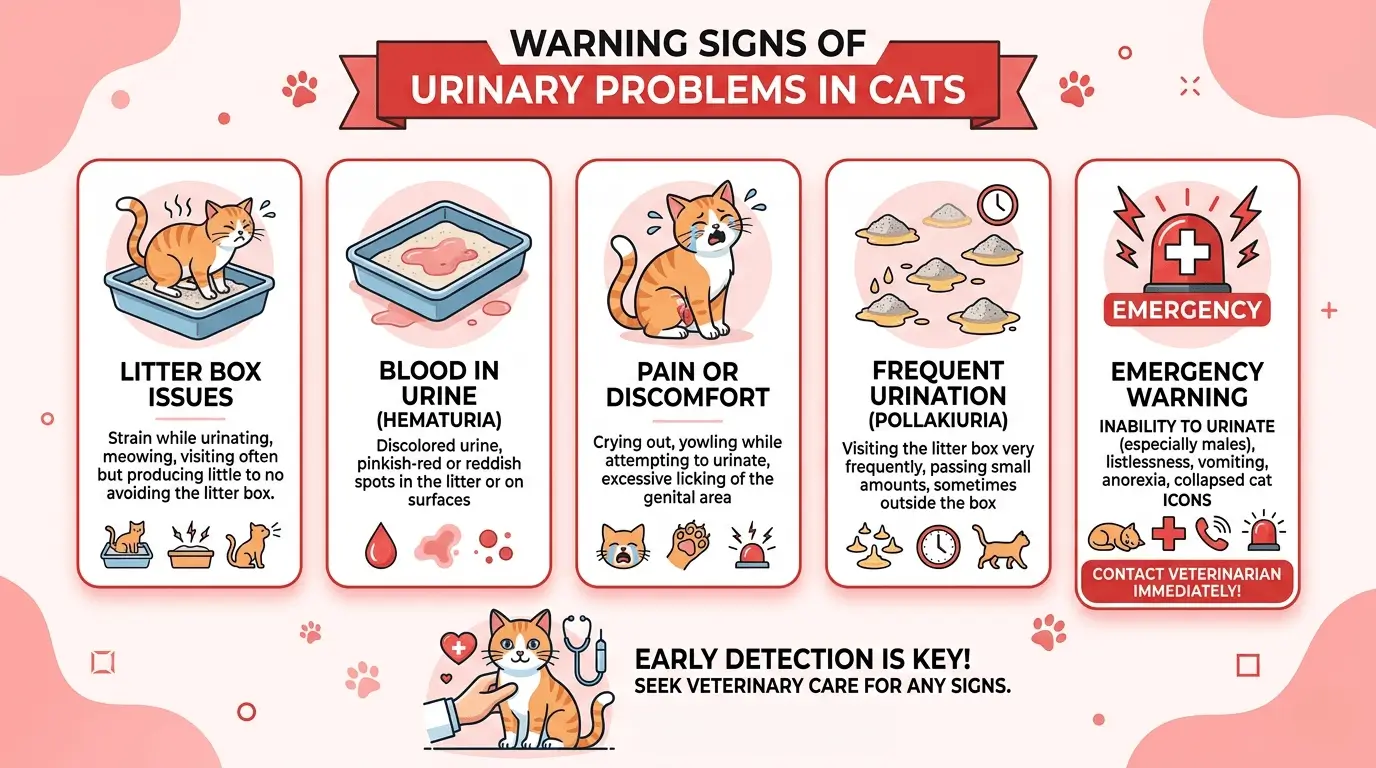
- Frequent trips to the litter box with little output
- Crying or straining while urinating
- Blood-tinged urine
- Urinating outside the litter box
🌿 For in-depth information on urinary health, explore “What Causes Crystals in Cat Urine”.
🌿 If your cat is showing breathing difficulty alongside these signs, explore “My Cat Is Having a Hard Time Breathing”.
🌾 Cat Grooming Essentials
Coat Care by Breed
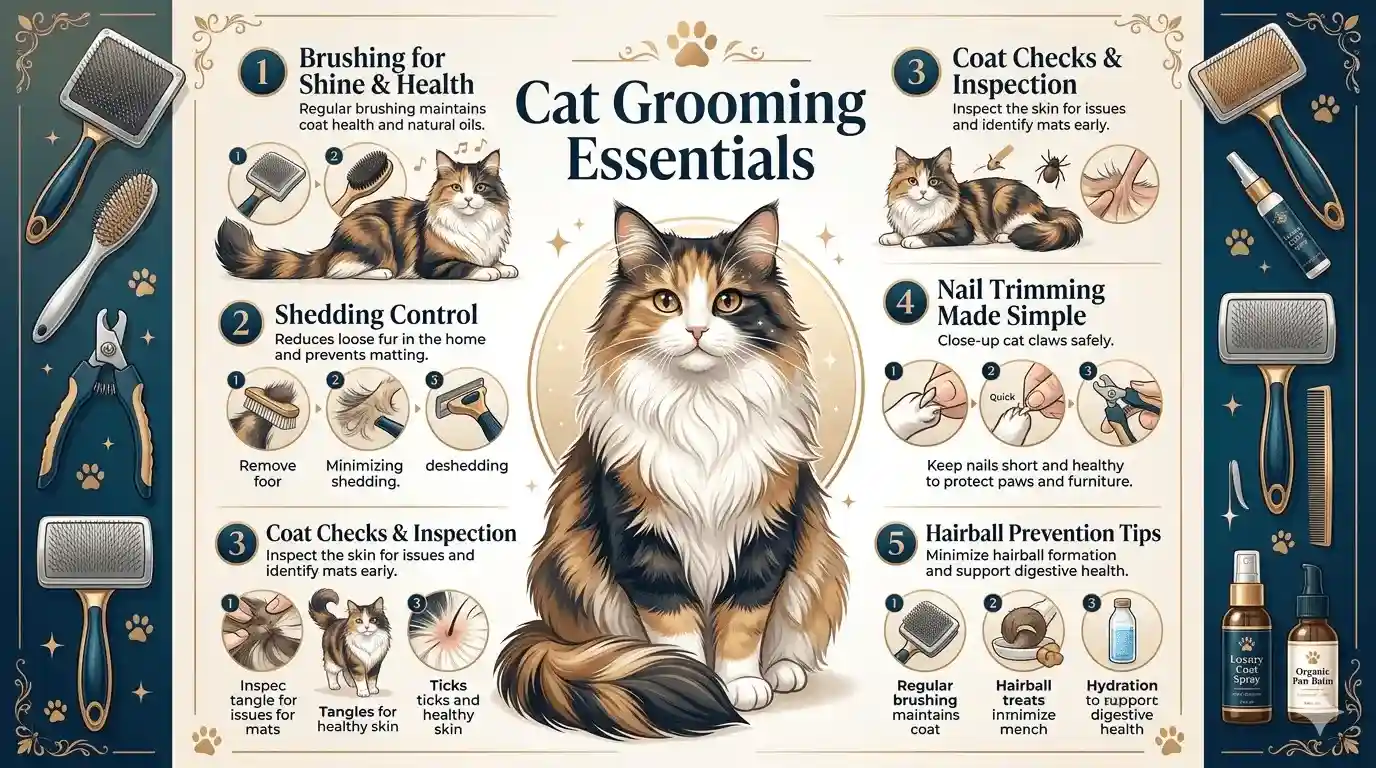
Short-haired cats generally need weekly brushing, while long-haired breeds like Maine Coons and Persians may require daily grooming. Regular brushing reduces shedding, prevents mats, and minimizes hairballs.
Nail and Ear Maintenance
Trimming your cat’s nails every 2–3 weeks prevents overgrowth and furniture damage. Ears should be checked weekly for wax buildup, odor, or debris — early signs of infection.
Seasonal Schedule
Cats shed more heavily in spring and fall as their coat adjusts to seasonal temperature changes. Increasing brushing frequency during these periods reduces the amount of loose hair your cat ingests while grooming itself.
🌿 For breed-specific grooming insights, explore “Golden British Shorthair”.
🌿 To understand coat variations and how they affect grooming needs, explore “British Shorthair Chinchilla Cat”.
Cat Dental Care
When to Start Dental Hygiene
Dental care should ideally begin when your cat is still a kitten to build tolerance for brushing. Adult cats can also be introduced to dental hygiene slowly using finger brushes and cat-safe toothpaste.
Brushing vs. Dental Treats
Daily brushing is the gold standard for preventing plaque and tartar buildup. Dental treats, water additives, and chews are useful supplements but are not substitutes for mechanical cleaning.
The Risk of Ignoring Dental Health
Untreated dental disease doesn’t just cause pain — it can lead to systemic infections affecting the heart, kidneys, and liver. Regular professional cleanings and home care are both essential parts of responsible cat ownership.
🌿 To understand what healthy cat teeth look like, explore “Healthy Cat Teeth vs Unhealthy”.
🌿 If your cat has had dental work done, explore “Cat Tooth Extraction Recovery”.
Do Cats Get Cavities?
Unlike humans, cats rarely get traditional sugar-driven cavities — but they can develop a similar and often more painful condition called tooth resorption. Recognizing the difference early helps you get the right treatment before the tooth is damaged beyond saving.
🌿 To understand this condition in detail, explore “Can Cats Get Cavities”.
Post-Surgery Dental Care
After a dental procedure or extraction, cats often refuse water or food due to lingering anesthesia effects or mouth discomfort. Knowing when this is normal versus a red flag can prevent a minor recovery hiccup from becoming an emergency.
🌿 If your cat won’t drink water after a dental procedure, explore “Cat Not Drinking Water After Dental Surgery”.
🐞 Pest and Disease Management
Common Pests
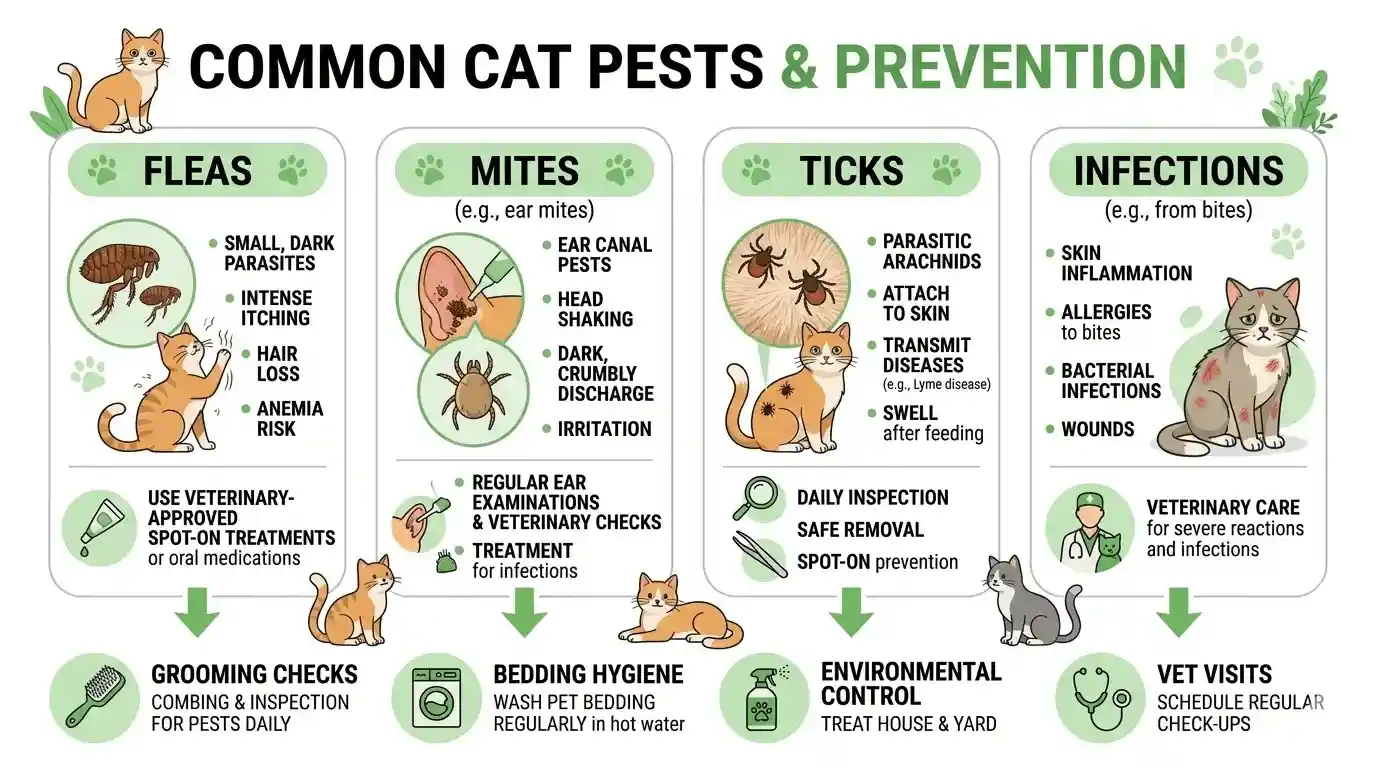
The most common external parasites in cats include fleas, ticks, and ear mites. Internal parasites like roundworms, tapeworms, and giardia are also widespread, especially in outdoor or multi-pet households.
Organic Solutions
When chemical treatments aren’t your preference, several natural options can help manage mild infestations:
- Diatomaceous earth (food grade) sprinkled in bedding areas
- Regular vacuuming of carpets, furniture, and cat bedding
- Apple cider vinegar diluted rinses on fur (with vet guidance)
- Neem oil-based sprays for environment treatment
- Regular grooming with a fine-tooth flea comb
🌿 For a closer look at infectious disease risks, explore “Do Cats Get Parvo”.
🌿 To understand bacterial risks in cats, explore “Can Cats Get Leptospirosis”.
🫁 Cat Respiratory Health
How Cats Develop Pneumonia
Pneumonia in cats often develops as a complication of an untreated upper respiratory infection, aspiration, or a weakened immune system. Catching the early signs — labored breathing, lethargy, appetite loss — can make the difference in recovery time and outcome.
🌿 To understand causes and warning signs, explore “How Do Cats Get Pneumonia”.
Ear Mites and Infection Risk
Ear mites are highly contagious among cats and, left untreated, can lead to painful secondary infections and hearing damage. Regular ear checks during grooming sessions are one of the simplest ways to catch an infestation early.
🌿 To learn how cats pick up ear mites and how to treat them, explore “How Do Cats Get Ear Mites”.
🪴 Choosing the Right Cat Breed
Finding the right breed for your lifestyle is just as important as daily care routines. Some cats are highly energetic and social, while others are calm and independent — matching temperament to your household makes ownership far more enjoyable.
Popular cat breeds known for distinct traits:
- Ragdoll — gentle, floppy, and highly affectionate
- Maine Coon — large, playful, and dog-like in personality
- British Shorthair — calm, easygoing, and low-maintenance
- Siberian — active, intelligent, and often considered lower-allergen
- Persian — quiet, loving, and suited to calm households
🌿 To explore a unique color variation before choosing your breed, explore “Seal Mink vs Lilac Mink Ragdoll”.
🌼 Seasonal Cat Care Calendar
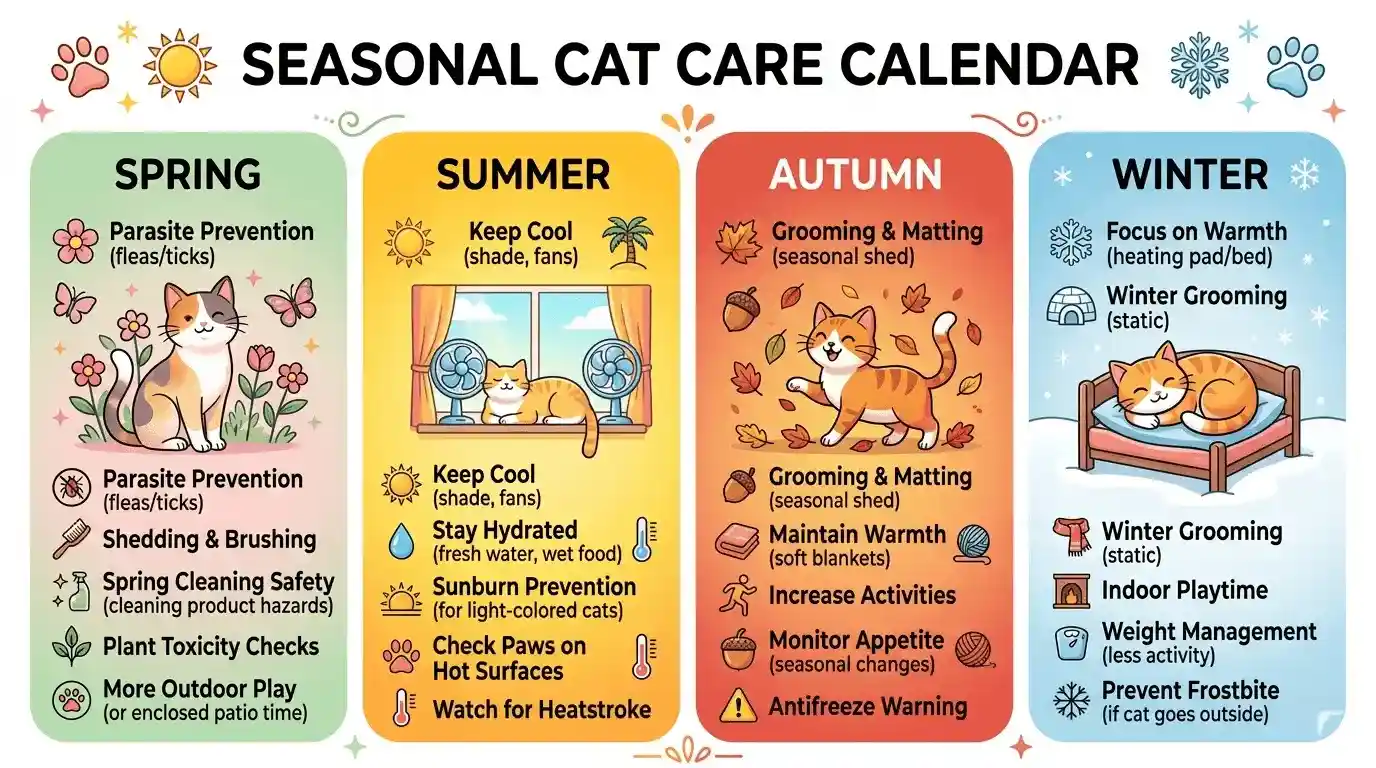
A cat’s needs shift subtly across the seasons. Being proactive with care adjustments keeps your cat comfortable year-round.
🌸 Spring — Shedding season begins; increase brushing frequency and check for fleas as temperatures rise.
☀️ Summer — Watch for overheating, especially in flat-faced breeds; ensure fresh water is always available.
🍂 Autumn — Second shedding season arrives; update flea and parasite prevention before the season ends.
❄️ Winter — Indoor heating dries the air and your cat’s skin; consider a humidifier and watch for lethargy.
| Season | Key Tasks | Purpose |
| Spring | Increase brushing, flea check | Manage coat blow, prevent infestation |
| Spring | Vet wellness exam | Vaccinations, parasite screening |
| Summer | Hydration monitoring | Prevent heat stress |
| Summer | Limit outdoor access | Reduce predator and heat exposure |
| Autumn | Parasite prevention update | Pre-winter protection |
| Autumn | Diet review | Adjust calories for activity level |
| Winter | Skin and coat moisture | Combat dry indoor heating effects |
| Winter | Indoor enrichment boost | Replace lost outdoor stimulation |
🌿 For eye and respiratory symptoms that worsen seasonally, explore “Cats Eyes Watering and Sneezing”.
🌿 To understand kitten-specific seasonal health needs, explore “Kitten Eye Watering and Sneezing”.
Common Cat Care Mistakes to Avoid
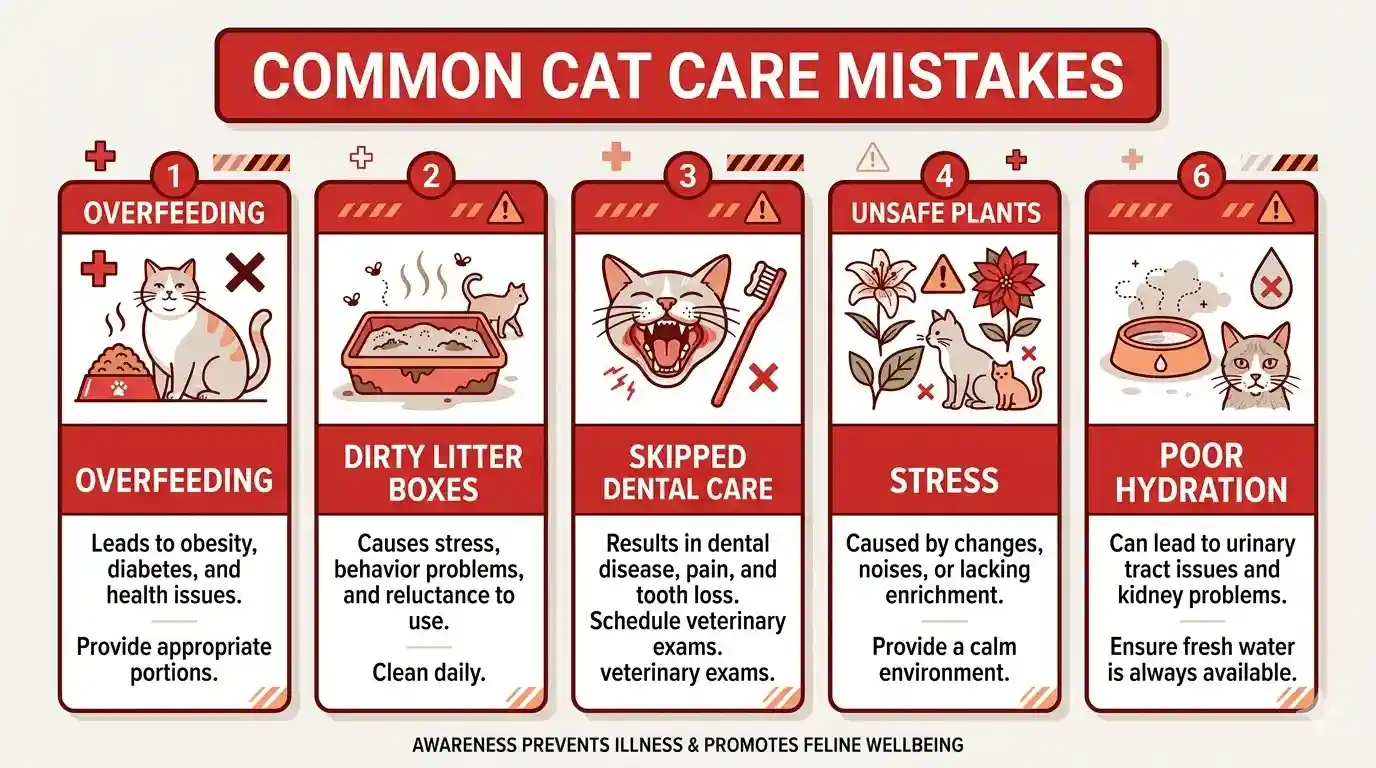
- Feeding a dry-food-only diet without supplementing hydration
- Skipping annual vet visits because the cat “seems fine”
- Using dog flea treatments on cats (can be fatal)
- Ignoring dental hygiene until problems become visible
- Providing only one litter box in a multi-cat home
- Punishing cats for unwanted behavior instead of redirecting
- Assuming a fat cat is a healthy cat — obesity shortens cat lives significantly
Beginner vs. Experienced Cat Owner Approach
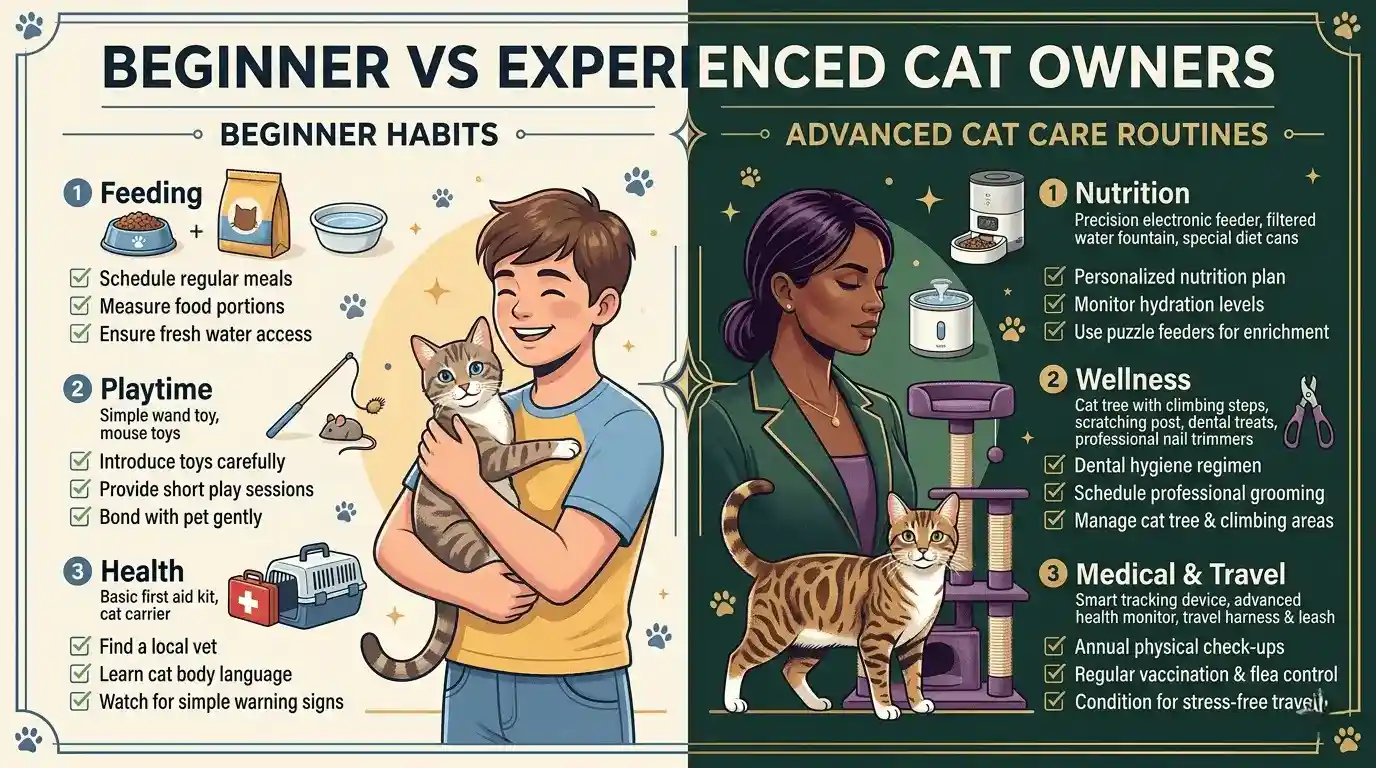
Beginner Focus
- Learn to read your cat’s body language and vocalizations
- Establish a daily feeding, play, and cleaning routine early
- Schedule the first vet visit within a week of bringing your cat home
- Start dental and grooming habits young to build tolerance
Experienced Focus
- Tailor nutrition to life stage, breed, and health history
- Rotate environmental enrichment to prevent boredom and behavioral issues
- Monitor subtle changes in litter box habits as early health indicators
- Work with a vet to create a preventive care plan tailored to your cat
🐾 Senior Cat Care
As cats age past 7–10 years, their nutritional, medical, and comfort needs shift significantly. Senior cats need more frequent vet checkups, joint support, and closer monitoring for conditions like kidney disease, hyperthyroidism, and arthritis.
🌿 For a full breakdown of aging cat care needs, explore “Senior Cats”.
🌍 Sustainable and Eco-Friendly Cat Care Practices
Responsible cat ownership extends beyond your pet — it includes making choices that are kinder to the planet. Choosing sustainably sourced cat food, biodegradable litter (like wood pellet or paper-based options), and eco-friendly toys made from natural materials all reduce your cat’s environmental footprint.
Supporting ethical breeders or adopting from shelters is another impactful choice. When cats are bred responsibly and homes are matched thoughtfully, fewer animals end up in rescue situations — which benefits both individual animals and the wider ecosystem.
🌿 To find ethical adoption options, explore “Birman Cats for Adoption”.
🪴 Troubleshooting Common Cat Problems
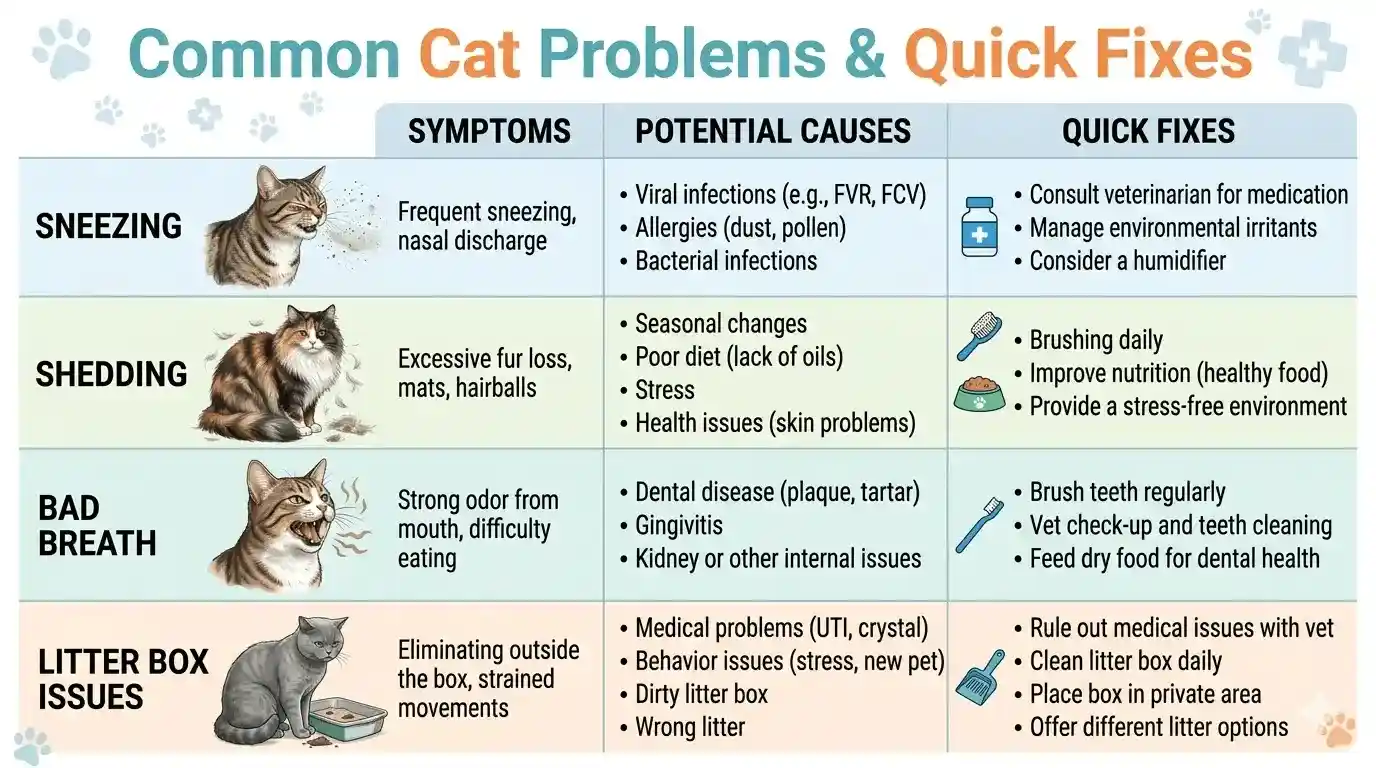
| Symptom | Likely Cause | Quick Fix |
| Sneezing frequently | Upper respiratory infection | Vet visit; warm steam environment |
| Watery or red eyes | Infection or irritant exposure | Eye drops (vet-prescribed) |
| Refusing water after surgery | Post-anesthesia nausea | Offer broth or wet food instead |
| Vomiting hairballs often | Excessive grooming or poor diet | Increase fiber, brush more often |
| Straining in litter box | Urinary blockage or constipation | Urgent vet visit required |
| Hiding or lethargy | Pain, illness, or stress | Vet evaluation needed |
| Sneezing with blood | Upper respiratory damage or polyp | Immediate vet attention |
| Breathing difficulty | Respiratory illness or heart issue | Emergency vet care |
🌿 For deeper information on eye-related symptoms, explore “Cat Eye Infection Treatment”.
Explore Detailed Cat Care Guides
Here are all the in-depth cluster articles available on this site, grouped by category:
Cat Breeds & Coat Variations
- Smoke Maine Coon Kittens
- Seal Mink vs Lilac Mink Ragdoll
- Golden British Shorthair
- Neva Masquerade Siberian Kittens
- Ragdoll Blue Point Bicolor
- White Maine Coon Kitten
- Black Maine Coon Blue Eyes
- Golden Shaded British Shorthair
- Seal Point Blue Ragdoll
- Torbie Maine Coon
- Lilac Seal Point Ragdoll
- British Shorthair Cat Silver Tabby
- Cinnamon Ragdoll Cat
- Chocolate Point Ragdoll
- Grey Himalayan Cat
- Himalayan Ragdoll Cat
- Seal Point Persian Cat
- Black Siberian Cat
- Orange Himalayan Cat
- Grey Abyssinian Cat
- Obese Sphynx Cat
- Silver Bengal Cat
- Ragdoll Cat Orange
- Brown Ragdoll Cat
- Russian Maine Coon
- Red Persian Kitten
- Persian Cat Tortoiseshell
- Black Persian Kitten
- Doll Face Persian Kittens
- White Persian Kittens
- White Siamese Cat
- British Shorthair Chinchilla Cat
- Black Siamese Cat
- Orange Siamese Cat
Cat Breeders, Adoption & Kittens
- Angora Cat Breeder
- Birman Cats for Adoption
- Tonkinese Cat Breeders
- Egyptian Mau Kitten
- Ocicat Cat Breeders
- Serval Cat Kittens
- Savannah Cat Breeders
- Norwegian Forest Kittens Breeders
- Curly Devon Rex Kittens
- Scottish Fold Munchkin
- Calico Critters Persian Cat Triplets
Cat Eye, Respiratory & Infection Health
- Kitten Eye Watering and Sneezing
- Cat Sneezing and Vomiting
- Cat Sneeze Blood
- Cat Eye Infection Treatment
- Why Is My Cat’s Eye Red
- Cats Eyes Watering and Sneezing
- My Cat Is Having a Hard Time Breathing
- Why Do Kittens Get Eye Infections
- Do Cats Get Parvo
- Can Cats Get Leptospirosis
Cat Dental, Teeth & Oral Care
- Cat Not Drinking Water After Dental Surgery
- Cat Tooth Extraction Recovery
- Healthy Cat Teeth vs Unhealthy
- Can Cats Eat Without Teeth
Cat Nutrition, Allergies & General Health
- Are Russian Blue Cats Hypoallergenic
- Are Hairballs Normal for Cats
- What Causes Crystals in Cat Urine
- What Are Cats Allergic To Food
🌿 Final Thoughts
Caring for a cat is one of the most rewarding relationships you can build. When you invest in understanding your cat’s needs — their diet, health signals, grooming habits, and environment — you’re not just preventing problems; you’re building a foundation of trust and wellbeing that lasts their entire life.
Every cat is different, and that’s part of the joy. Use this guide as your starting map, explore the deeper articles linked throughout, and don’t hesitate to work closely with a trusted veterinarian. Your cat depends on you — and with the right knowledge, you’re more than ready for the role.
🌿 FAQs – Cat Care Guide
How often should I take my cat to the vet?
Healthy adult cats should have a wellness exam once a year. Kittens, senior cats (7+), or cats with health conditions typically need visits every 6 months.
What should I feed my cat every day?
A balanced combination of high-quality wet food and dry kibble works well for most cats. Always choose formulas with named animal protein as the first ingredient.
How do I know if my cat is sick?
Watch for changes in eating, drinking, litter box habits, energy level, or coat condition. Any sudden or persistent change warrants a vet call.
Do indoor cats need vaccinations?
Yes — even indoor cats need core vaccines like rabies and FVRCP. Some diseases can be transmitted through indirect contact, open windows, or when cats visit the vet.
How can I keep my cat entertained indoors?
Rotate toys regularly, provide window perches, use puzzle feeders, and schedule at least one interactive play session daily using a wand or laser pointer.




4 Responses