

Ocicat cat breeders are often searched by new pet owners who fall in love with this wild-looking but friendly breed. However, many people misunderstand their care needs, personality, and daily routine. Choosing the right breeder and knowing how to care for an Ocicat properly can make a huge difference in your pet’s health and happiness.
Table of Contents
ToggleQuick Summary
- Ocicats are highly active, social cats that need daily interaction and mental stimulation
- They are not hypoallergenic and require regular grooming and cleaning
- A balanced, high-protein diet is essential for maintaining their muscular build
- They thrive in interactive homes and can even be trained like dogs
- Responsible ocicat cat breeders focus on health testing and early socialization
Pet Care Insight
This guide is based on widely accepted pet care practices, veterinary guidance, and real-life experiences from responsible pet owners. The goal is to provide practical, easy-to-follow advice for everyday pet care.
Pet Overview
What Is An Ocicat Cat
The Ocicat is a fully domestic breed despite its wild appearance, originally developed through selective breeding. If you’re researching similar hybrid-looking breeds, guides on Savannah cat breeders can also help you understand differences in temperament and care.
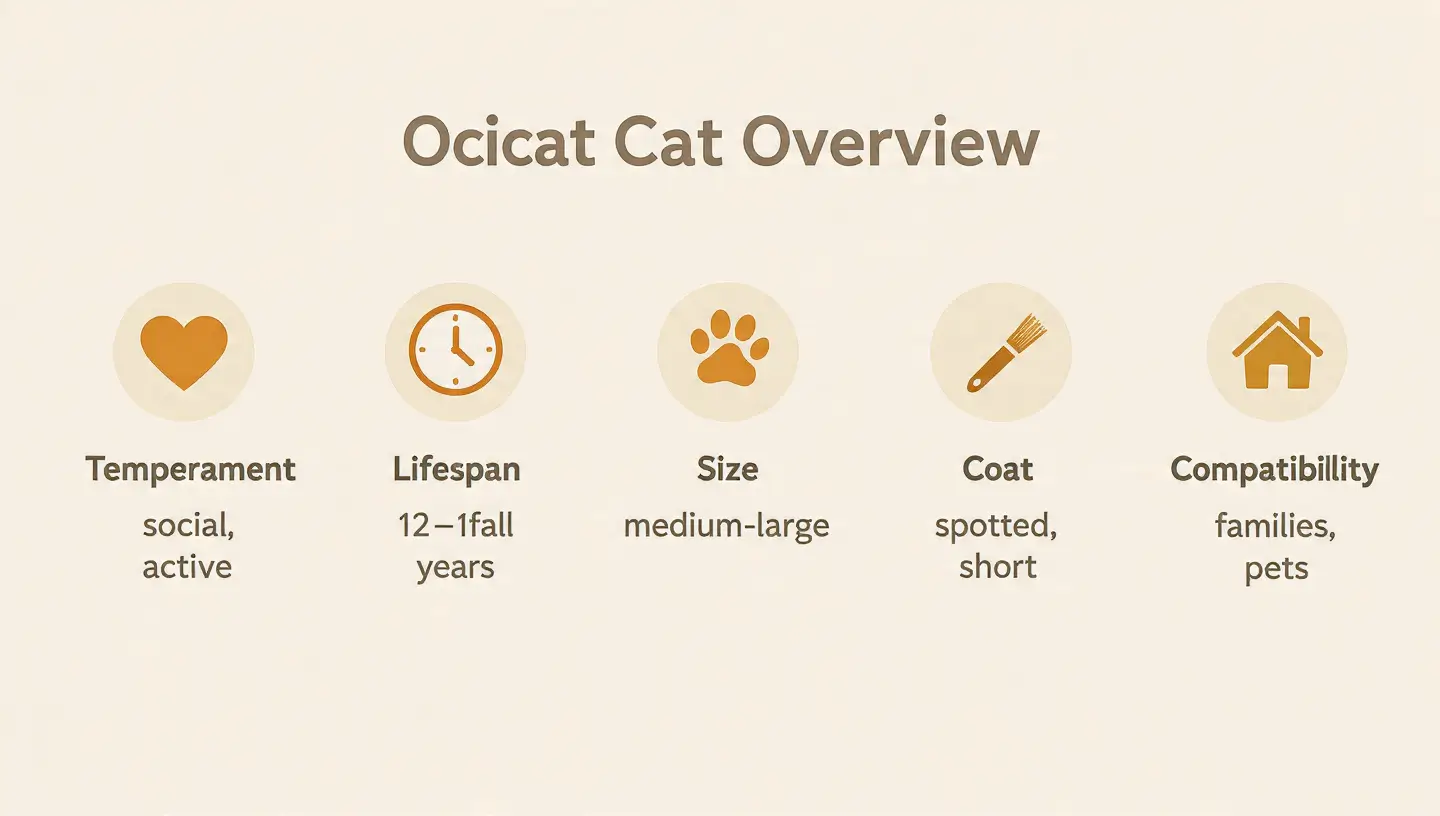
Temperament And Personality Traits
- Extremely social and people-oriented
- Curious and intelligent
- Often follows owners around like a dog
- Can learn tricks and commands
Physical Appearance And Size
- Muscular, medium-to-large build
- Spotted coat (various ocicat colors like tawny, chocolate, cinnamon)
- Short, sleek fur
Lifespan And Family Compatibility
- Lifespan: 12–18 years
- Great with families, kids, and even other pets
- Not ideal for people who are away all day
Daily Care Essentials
Feeding Routine And Schedule
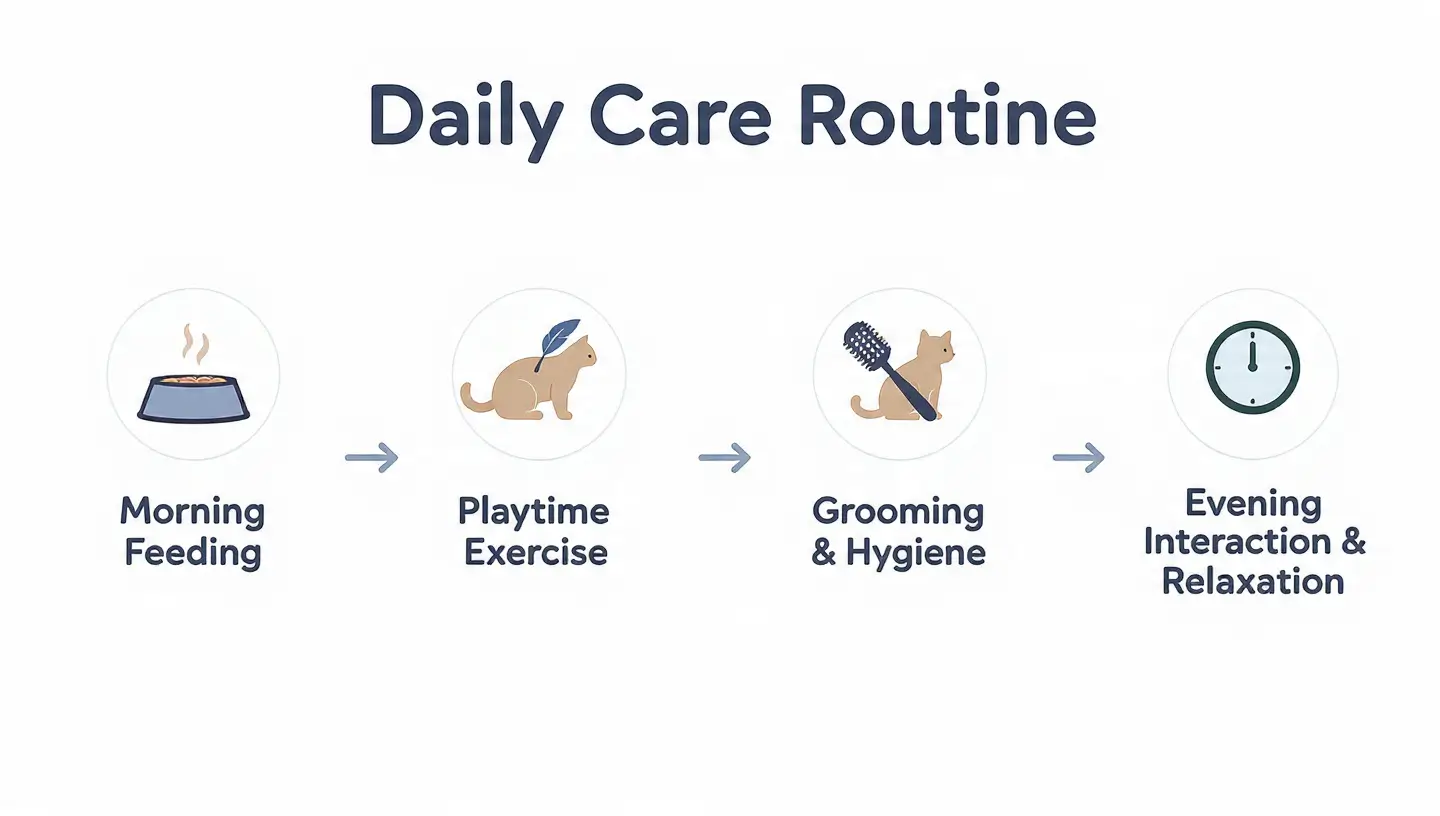
- Feed twice daily (morning and evening)
- Maintain consistent meal times
Grooming Basics And Maintenance
- Brush once weekly
- Clean ears and trim nails regularly
Exercise Needs And Playtime
- Needs at least 30–60 minutes of active play daily
- Loves climbing trees and puzzle toys
Social Interaction And Bonding
- Requires daily human interaction
- Can develop separation anxiety if left alone too long
Real-life routine example:
A typical Ocicat owner starts the day with feeding, followed by 10–15 minutes of play. In the evening, interactive toys or training sessions help burn energy before bedtime.
Common mistakes:
- Treating them like low-energy cats
- Ignoring mental stimulation
- Leaving them alone for long hours
Diet & Nutrition Guide
Feeding Schedule By Age Group
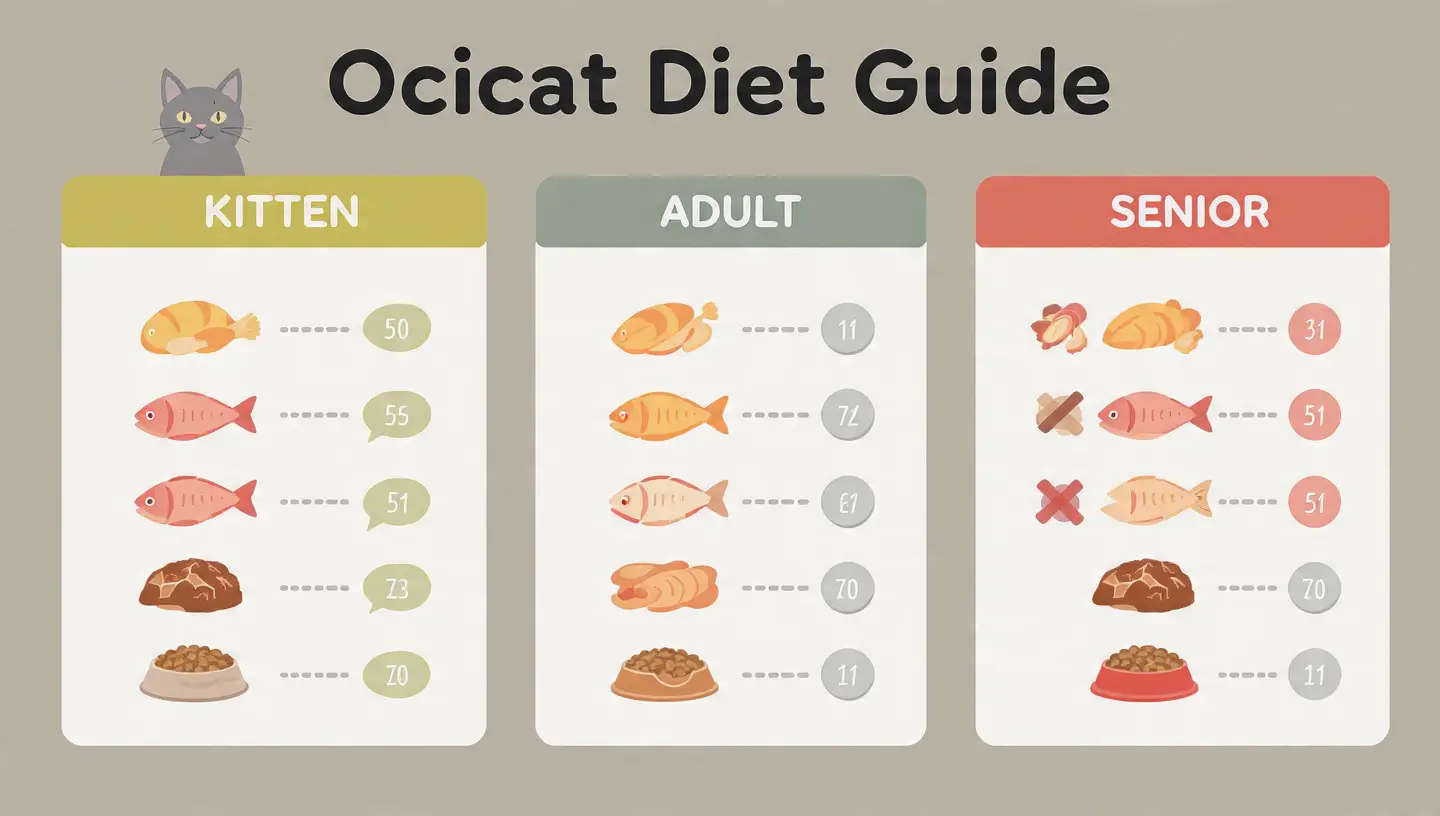
- Kittens: 3–4 small meals daily
- Adults: 2 meals daily
- Seniors: 2 smaller, easily digestible meals
Understanding basic feline nutrition needs is essential for long-term health.
Portion Control And Balanced Diet
- High-protein diet is essential
- Avoid overfeeding (they can gain weight quickly indoors)
Essential Nutrients Explained Simply
- Protein: muscle maintenance
- Taurine: heart and eye health
- Omega fatty acids: coat health
Maintaining proper nutrition is also essential for dental health, so it’s helpful to understand the difference between healthy cat teeth vs unhealthy conditions.
Safe And Unsafe Foods List
Safe:
- Cooked chicken
- Fish (in moderation)
- Commercial cat food
Unsafe:
- Chocolate
- Onions
- Raw bones
Practical tip: Many new owners searching “how much does an ocicat cost” forget to budget for high-quality food—this is just as important as the initial ocicat price.
Exercise & Mental Stimulation
Daily Activity Needs Explained
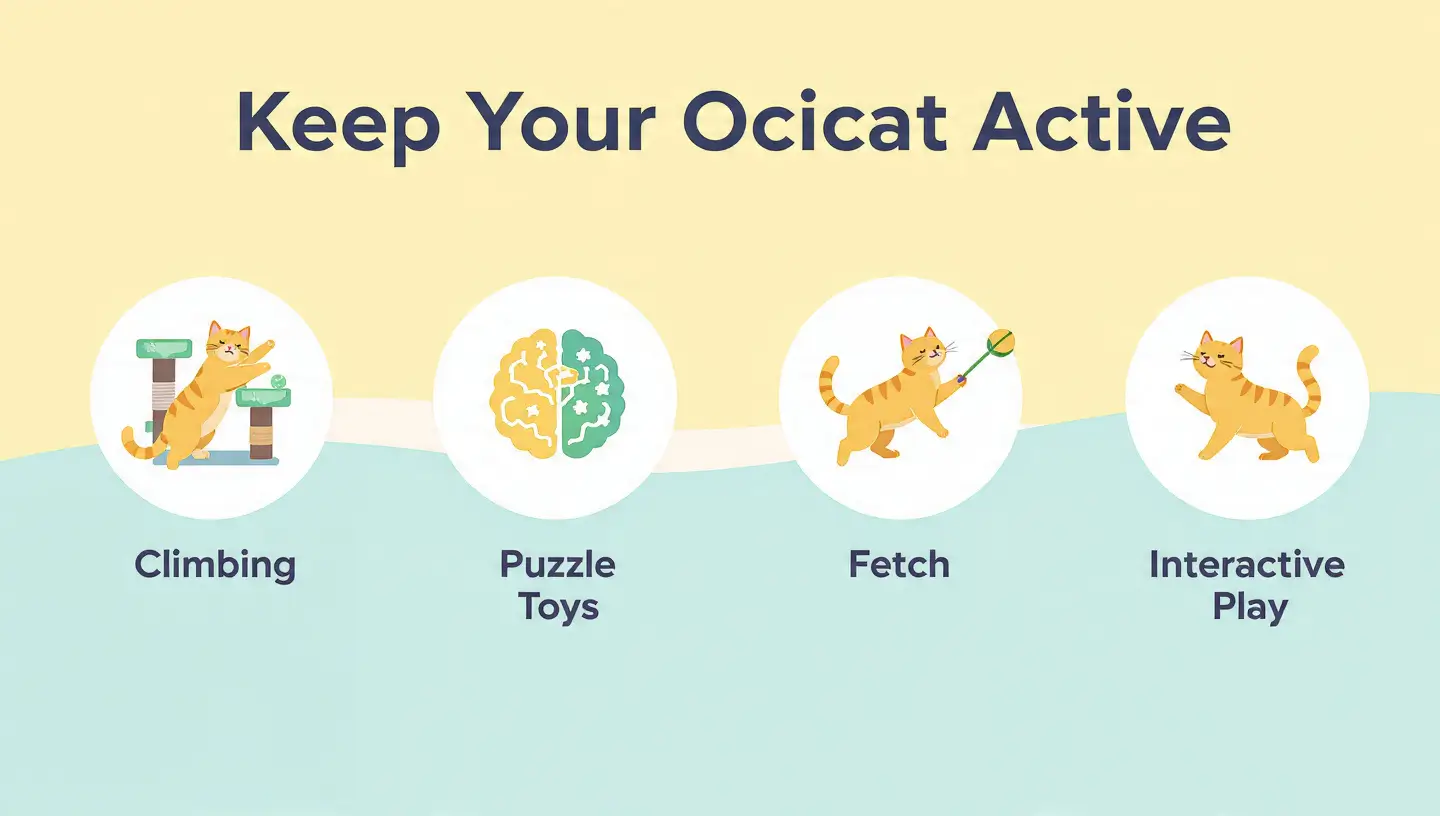
Ocicats are one of the most active breeds. Without exercise, they can become destructive.
Easy Indoor Play Ideas
- Laser pointers
- Feather wands
- Puzzle feeders
Enrichment Activities For Smart Cats
- Teach fetch
- Use treat-dispensing toys
- Rotate toys weekly
Training & Behavior Guidance
Basic Training Techniques That Work
- Use positive reinforcement
- Reward immediately after good behavior
Socialization Tips For Beginners
- Introduce new people early
- Gradually expose them to other pets
Preventing Common Behavior Problems
- Provide scratching posts
- Keep them mentally engaged
Health & Climate Considerations
Heat Safety And Hydration Tips
In warm climates (like Senegal or South Asia):
- Ensure constant access to water
- Avoid play during peak heat
Cold Weather Care Basics
- Provide warm bedding
- Limit exposure to cold floors
Common Health Concerns To Watch
- Dental disease
- Obesity
- Heart conditions
Respiratory symptoms like sneezing or nasal discharge should never be ignored—learn more about when cat sneezing and vomiting becomes a serious concern.
Comparison Section:
Ocicat vs Other Active Cat Breeds
| Feature | Ocicat | Typical Domestic Cat | Bengal Cat |
|---|---|---|---|
| Activity Level | Very High | Moderate | Very High |
| Social Needs | Very High | Medium | High |
| Trainability | Excellent | Moderate | High |
| Grooming Needs | Low | Low | Low |
| Risk Of Boredom | High | Medium | High |
Insight: Ocicats need more engagement than most breeds—similar to Bengals but often more people-focused.
If you’re comparing active and exotic-looking breeds, you may also want to explore the Silver Bengal Cat for its similar energy levels and striking coat patterns.
Common Problems & Troubleshooting
Cat Becoming Too Destructive
- Cause: boredom
- Solution: increase playtime
- Prevention: daily enrichment
- Vet: if behavior suddenly changes
Refusing Food Or Eating Poorly
- Cause: stress or diet change
- Solution: gradual food transition
- Prevention: consistent feeding routine
Excessive Meowing Or Clinginess
- Cause: lack of attention
- Solution: schedule interaction time
- Prevention: avoid long isolation periods
Seasonal Pet Care Tips
Spring Allergy And Shedding Care
- Brush more frequently
- Watch for skin irritation
Summer Heat Protection Tips
- Provide cool resting areas
- Keep water bowls in multiple locations
Fall Routine Adjustment Advice
- Adjust feeding as activity changes
- Maintain indoor enrichment
Winter Indoor Care Essentials
- Increase playtime indoors
- Provide warm sleeping spots
Additional Expert Tips
- Don’t rely only on “ocicat cat breeders near me”—research breeder reputation carefully
- Early socialization shapes lifelong behavior
- Rotate toys to prevent boredom
- Invest in vertical spaces (cat trees)
- Avoid treating them like independent cats—they are highly interactive
Conclusion
Choosing from responsible ocicat cat breeders is only the first step. These energetic, intelligent cats need consistent care, interaction, and mental stimulation. The biggest mistakes owners make are underestimating their activity level and social needs. With proper care, Ocicats become loyal, playful companions that thrive in active households.
FAQs
-
What is an ocicat cat?
A domestic breed that looks like a wild cat but has a friendly, social personality.
-
How much does an ocicat cost?
Costs vary widely, but ongoing care (food, vet, enrichment) is just as important as the initial price.
-
Are ocicat cats hypoallergenic?
No, they are not hypoallergenic and still produce allergens.
-
How do I identify my cat breed?
Look at coat pattern, body shape, and behavior—but a vet or DNA test is most accurate.
-
Do ocicats need a lot of attention?
Yes, they require daily interaction and mental stimulation.
-
Are ocicats good for first-time owners?
Yes, but only if the owner is prepared for their high energy and social needs.
-
What makes good ocicat cat breeders?
Responsible breeders focus on health testing, proper socialization, and ethical breeding practices.




2 Responses