

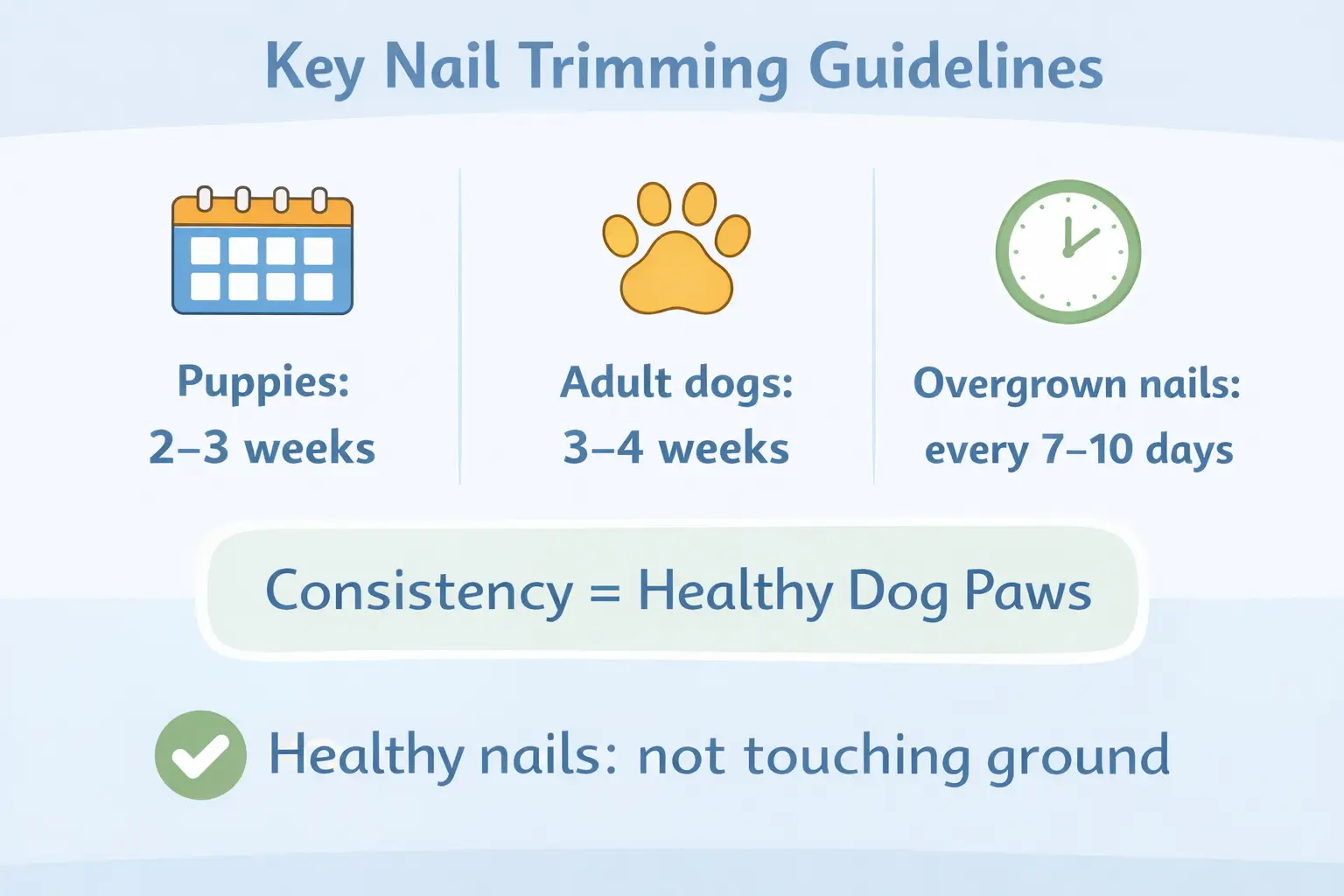
Most dogs need nail trimming every 3–4 weeks, but it can vary based on activity level, breed, and nail growth. Puppies often need trims more frequently—every 2–3 weeks—to train proper nail habits early.
If you hear clicking sounds on the floor or notice long, curved nails, it’s already time to trim. Let’s break down everything—from schedules and tools to expert tips and common mistakes—so you can confidently care for your dog’s paws at home.
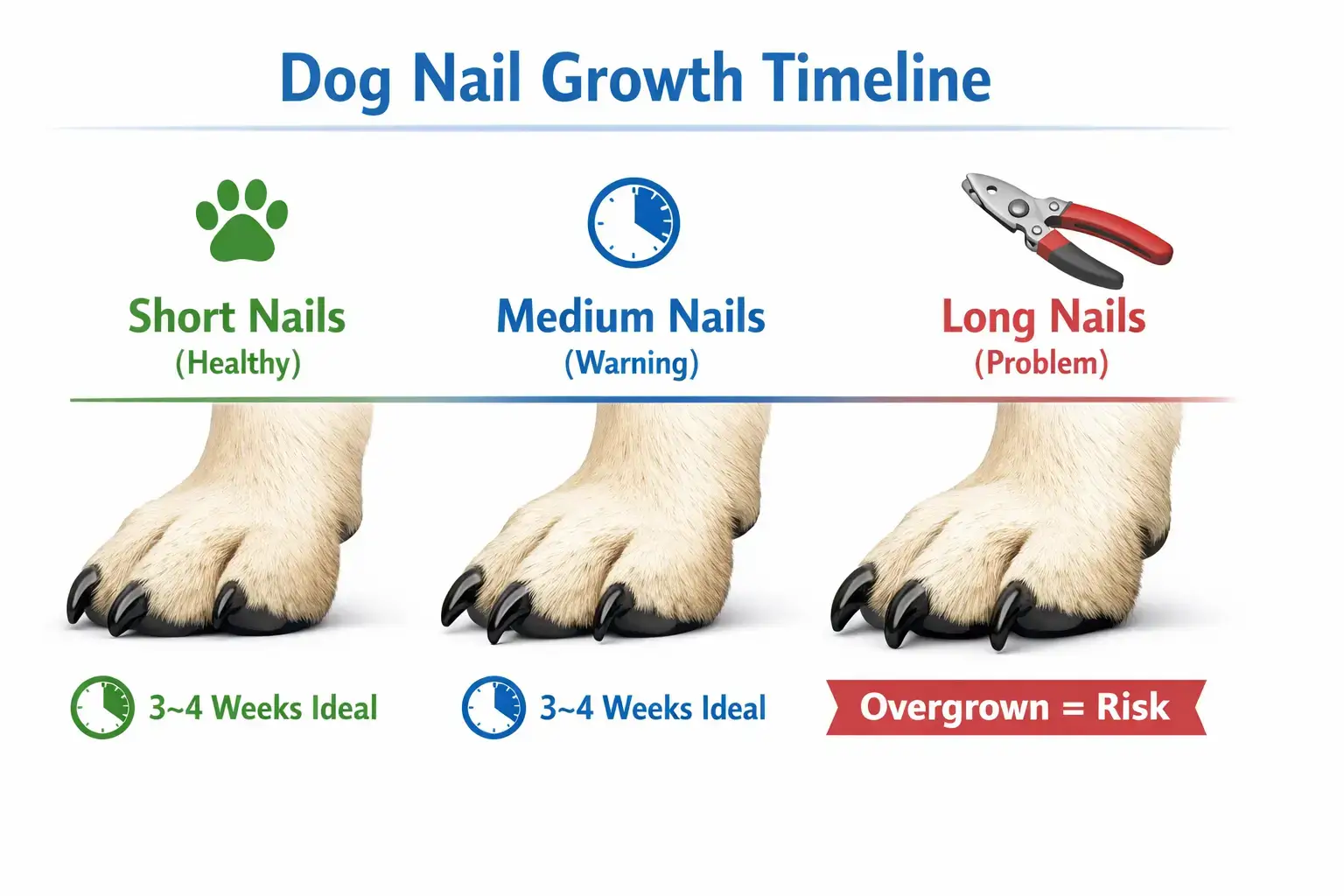
🐾 How Often Should You Trim Dog Nails?
Quick answer: Every 3–4 weeks for most dogs.
Highly active dogs may need it less often, while indoor dogs may need more frequent trims.
Nail growth varies, but here’s a simple rule:
👉 If nails touch the ground while standing, they’re too long.
What affects how often to trim dog nails?
- Activity level: Dogs walking on pavement wear nails down naturally.
- Breed & size: Smaller dogs (like Chihuahuas) often need more frequent trims.
- Age: Puppies’ nails grow faster.
- Surface type: Grass vs. concrete makes a big difference.
Fact: According to veterinary guidance from the American Kennel Club (AKC), most dogs need nail trims every 3–4 weeks to prevent overgrowth and discomfort.
🐶 How Often to Trim Dog Nails Puppy?
Short answer: Every 2–3 weeks.
Puppies need more frequent trimming because their nails grow faster and habits form early.
Regular trimming helps:
- Prevent fear of grooming later
- Encourage proper paw handling
- Avoid painful overgrowth
👉 Start slow. Even touching the paws daily builds trust before introducing clippers.
✂️ How Often to Cut Dog Nails to Shorten the Quick?
The quick contains nerves and blood vessels, making it sensitive to pressure or injury.
Answer first: Trim every 7–10 days if you’re trying to shorten long nails and recede the quick.
The “quick” is the sensitive part inside the nail. When nails grow too long, the quick grows with them.
How to shorten it safely:
- Trim small amounts frequently
- Avoid cutting too deep
- Stay consistent for several weeks
Fact: Frequent trims encourage the quick to gradually recede, allowing shorter, healthier nail length over time.
🏠 How Often to Trim Dog Nails at Home?
Simple answer: Every 3–4 weeks, or weekly for maintenance.
Home trimming works best when:
- You stick to a routine
- Your dog is calm and trained
- You use the right tools
Consistency is more important than perfection. Small, regular trims beat occasional big cuts.
📏 What Is the Ideal Dog Nail Length?
Quick answer: Nails should not touch the ground when your dog stands.
Dog nail length chart (simple guideline):
✅ Nails hover slightly above the ground
❌ Nails click on hard floors
❌ Nails curve or twist
Fact: Long nails can change a dog’s posture and lead to joint stress or arthritis over time, according to veterinary orthopedic studies. For a deeper breakdown, check our full dog nail trim frequency database by breed and life stage, covering puppies through seniors across 50+ breeds.
It’s a handy reference if you own multiple dogs or want exact numbers instead of general estimates.
⚠️ How to Trim Dog Nails That Are Too Long?
Just like nail overgrowth, untreated oral infections in dogs can lead to serious complications if ignored for too long.
Answer first: Trim a little every week until the nails reach a healthy length.
Long nails require patience.
Step-by-step:
- Trim just the tip
- Wait 5–7 days
- Repeat consistently
Avoid cutting too much at once—it can cause bleeding and pain.
⚫ How to Cut Dog Nails That Are Black?
Short answer: Trim in tiny increments and look for a gray/white center.
Black nails hide the quick, making it tricky.
Tips:
- Use good lighting
- Trim slowly
- Stop when you see a dark center dot
Fact: Black nails are not more dangerous—just less visible, which is why gradual trimming is recommended by vets.
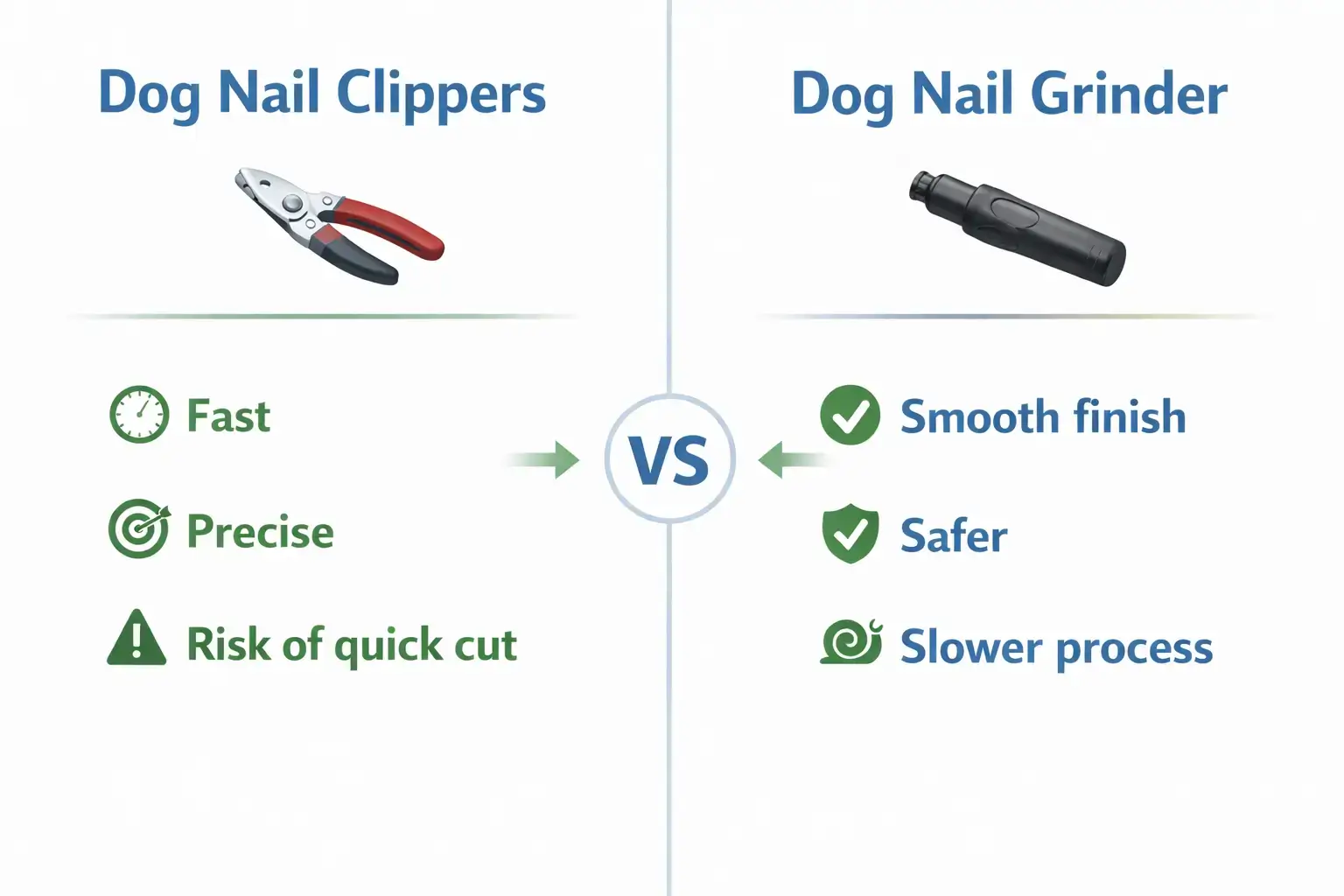
🛠️ Dog Nail Clippers vs Dog Nail Grinder: Which Is Better?
Regular grooming also includes dental care, and vets often recommend professional cleaning to avoid oral issues that can worsen overall pet health.
Quick answer: Both work—choose based on your dog’s comfort.
| Feature | Dog Nail Clippers | Dog Nail Grinder |
|---|---|---|
| Ease of Use | Quick and simple | Takes practice |
| Safety | Higher risk of cutting the quick | Safer for beginners |
| Speed | Very fast | Slower |
| Finish | Can leave sharp edges | Smooth, rounded finish |
| Noise | Silent | Makes noise (may scare dogs) |
| Best For | Calm, trained dogs | Nervous or first-time dogs |
| Control | Less gradual | More controlled trimming |
Clippers:
- Fast and precise
- Ideal for calm dogs
Nail grinders:
- Smooth edges
- Safer for beginners
Fact: Nail grinders reduce the risk of cutting the quick but take longer and may require training your dog to tolerate the noise.
🔁 How Often to Trim Dog Nails to Recede Quick?
Answer first: Every 7–10 days until nails shorten, then switch to monthly maintenance.
This method works especially well for:
- Rescue dogs with overgrown nails
- Indoor pets with low activity
Consistency is key—skipping weeks slows progress.
🐕 How Often Should I Cut My Dog’s Nails Based on Breed?
Short answer: Small dogs need more frequent trims than large, active dogs.
Examples:
- Chihuahua: Every 2–3 weeks
- Labrador: Every 3–5 weeks
- Indoor dogs: More frequent trims
Small breeds’ nails don’t wear down as naturally.
Not sure where your dog fits in? Use our free dog nail trimming schedule finder tool to get a personalized trim frequency based on your dog’s exact breed and size.
It takes the guesswork out of scheduling and adjusts recommendations as your dog ages from puppy to senior.
💬 How Often to Trim Dog Nails Reddit Advice vs Expert Advice
Answer first: Stick to vet-backed guidance over internet opinions.
While forums like Reddit can be helpful:
- Advice may vary widely
- Not all tips are safe
👉 Always prioritize guidance from veterinarians or trusted organizations like AKC or RSPCA.
⚠️ Common Mistakes When Trimming Dog Nails
Quick answer: Cutting too much, trimming too rarely, and using dull tools are the biggest mistakes.
Avoid these:
❌ Cutting into the quick
❌ Waiting too long between trims
❌ Not rewarding your dog
❌ Using poor-quality clippers
Fact: Infrequent trimming leads to longer quicks, making future trims harder and more painful.
Poor grooming habits don’t only affect nails—issues like broken teeth or infections can also happen during at-home care, as explained in this guide on dog tooth injuries and grooming safety.
💰 Cost: Professional vs DIY Nail Trimming
Answer first: DIY is cheapest, but professional grooming costs $10–$30 per session.
Professional grooming:
- Safer for beginners
- Good for anxious dogs
DIY trimming:
- Cost-effective long-term
- Builds bonding
Fact: Many veterinary clinics offer nail trimming services for under $20.
🧠 Expert Tips for Stress-Free Nail Trimming
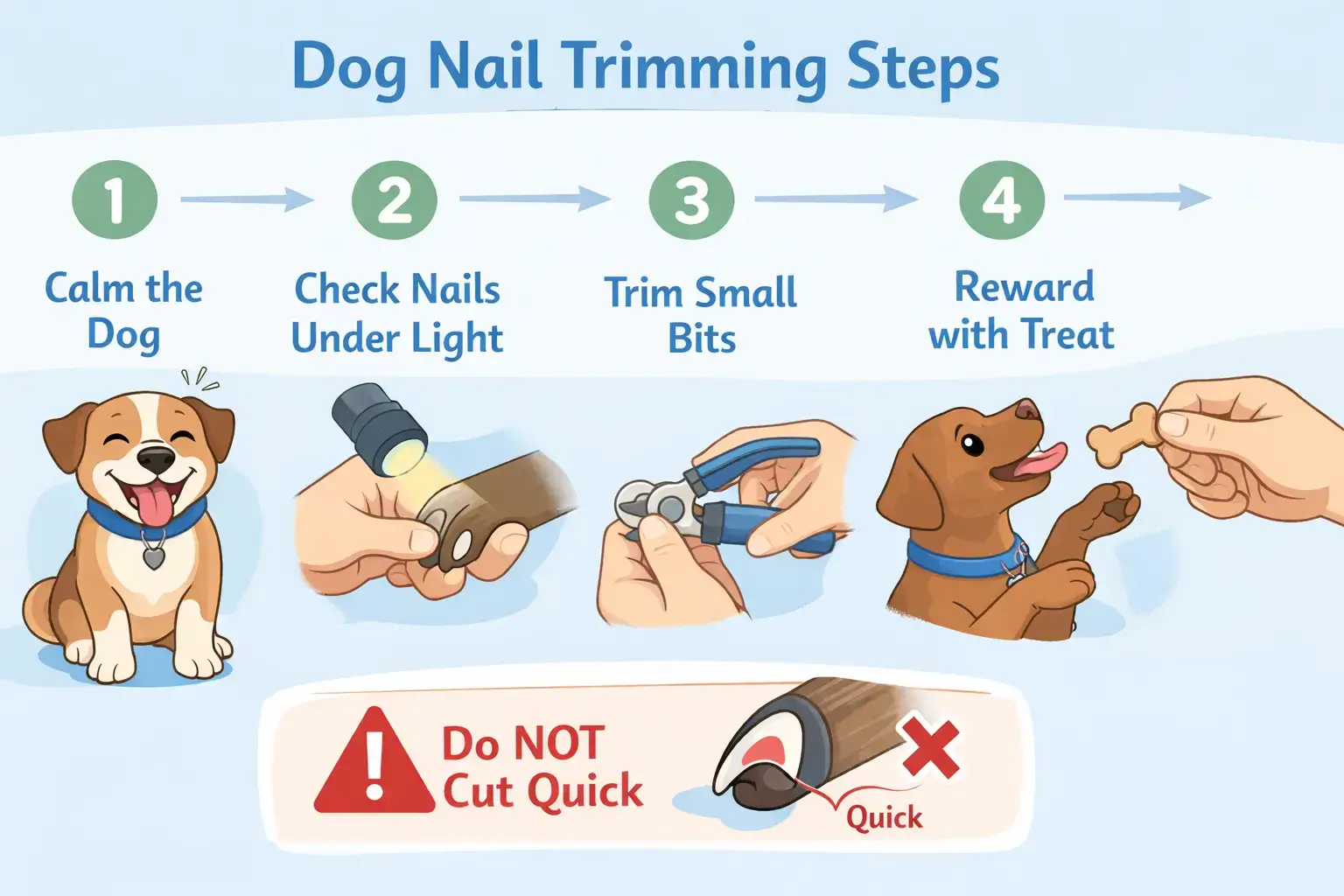
Quick answer: Keep sessions short, reward your dog, and stay consistent.
Pro tips:
- Trim after walks (dog is calmer)
- Use treats generously
- Start slow—one nail at a time
- Use a grinder for finishing
A relaxed dog makes everything easier.
❓ How Often Do You Need to Trim Dog Nails Overall?
Final answer:
- Most dogs: every 3–4 weeks
- Puppies: every 2–3 weeks
- Long nails: every 7–10 days temporarily
The goal isn’t just trimming—it’s maintaining healthy nail length and comfort. Want a printable version? Access our dog nail trimming frequency chart in Google Sheets for quick reference on your phone or fridge.
It’s laid out by age and breed size so you can track your dog’s next trim date at a glance.
🐾 Final Thoughts
How often to trim dog nails depends on your dog—but consistency matters more than exact timing.
A simple routine:
- Check nails weekly
- Trim regularly
- Keep sessions calm and positive
Healthy nails mean better posture, happier walks, and fewer vet visits.
❓ FAQs: How Often to Trim Dog Nails
1. How often should I trim my dog’s nails?
Short answer: Every 3–4 weeks for most dogs.
If your dog is very active on hard surfaces, you may trim less often. Indoor or small dogs usually need more frequent trimming. Always check if nails are touching the ground—that’s your sign.
2. How often should I cut my dog’s nails if they are too long?
Short answer: Every 7–10 days until the nails shorten.
Frequent, small trims help the quick recede safely. Avoid cutting too much at once, as it can cause pain and bleeding.
3. How do I know if my dog’s nails are too long?
Short answer: If you hear clicking on floors, they’re too long.
Other signs include:
- Nails touching the ground while standing
- Curved or twisted nails
- Changes in walking posture
Healthy nails should stay slightly above the ground.
4. Can I trim my dog’s nails at home?
Short answer: Yes, and it’s recommended with proper care.
Use quality dog nail clippers or a dog nail grinder, go slowly, and reward your dog. Start with small trims and build confidence over time.
5. What happens if you don’t trim your dog’s nails?
Short answer: Long nails can cause pain, posture issues, and injuries.
Overgrown nails may:
- Curl into the paw
- Cause joint stress
- Increase risk of breaking or infection
Regular trimming prevents long-term health problems.




3 Responses