
Introduction
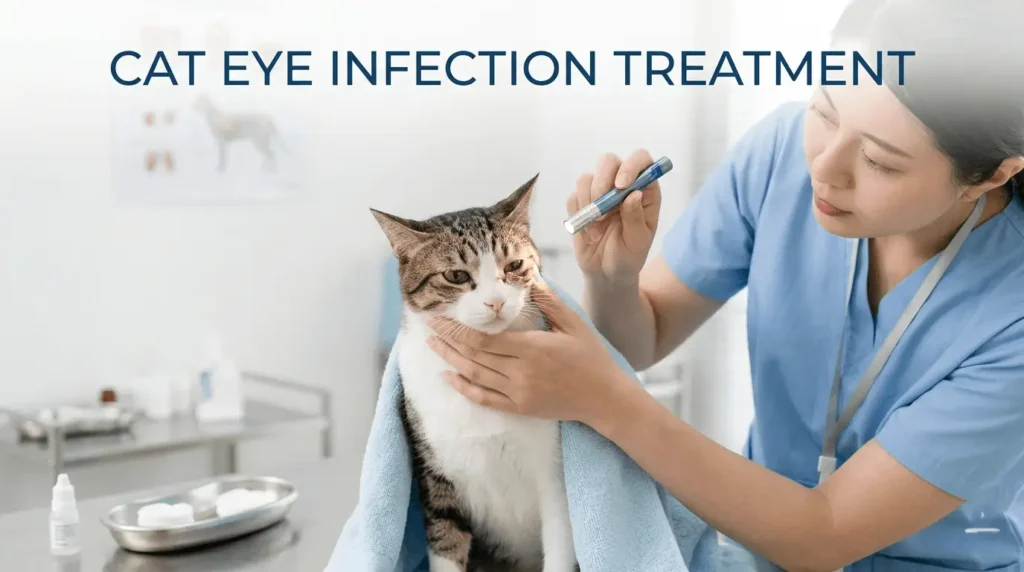
Cat eye infection treatment refers to the methods used to diagnose, manage, and resolve infections affecting a cat’s eyes, including bacterial, viral, and environmental causes. Proper treatment is essential to prevent complications such as vision loss or chronic irritation. Understanding symptoms, treatment options, and when veterinary care is required helps ensure safe and effective care. Early identification of a cat eye infection helps reduce discomfort and prevents the condition from worsening, especially in multi-cat environments where infections may spread more easily.
Quick Summary
- Cat eye infections are commonly caused by bacteria, viruses, or irritants and require targeted treatment.
- Treatments include cleaning, antibiotic eye drops for cats, and sometimes oral antibiotics for cat eye infection.
- Some mild cases may be managed at home, but severe infections require veterinary care.
- Misuse of human medications (like bacitracin) can be unsafe without guidance.
What Is a Cat Eye Infection?
A cat eye infection is an inflammatory condition affecting the eye, typically involving the conjunctiva (conjunctivitis) or the cornea. It can result from bacterial, viral, or injury-related causes and may vary in severity.
Common types of eye infection in cats include:
- Bacterial infections: Often produce yellow or green discharge
- Viral infections: Commonly linked to feline herpesvirus (Feline herpesvirus-1)
- Injury-related infections: Caused by scratches, debris, or trauma
A cat with eye infection may show visible irritation, discharge, and discomfort, which requires timely treatment to prevent complications. Cat eye infections often involve inflammation of the conjunctiva, known as conjunctivitis, a common eye condition in animals and humans.
Common Causes of Eye Infections in Cats
Cat eye infections are typically caused by infectious agents or environmental factors that irritate or damage the eye.
- Bacterial infections: Often require antibiotic eye drops for cats
- Viral infections: Such as feline herpes, requiring cat viral eye infection treatment
- Allergies and irritants: Dust, smoke, or chemicals in the environment
- Physical trauma: Scratches from other animals or foreign particles
- Breed-related risks: Flat-faced breeds like Persian cats are more prone due to tear duct structure
- Environmental exposure: Outdoor cats face higher risk from debris and pollutants
Some infections may be linked to underlying health issues affecting overall wellbeing. Learn more in what causes crystals in cat urine to understand related internal health factors.
Signs and Symptoms to Watch For
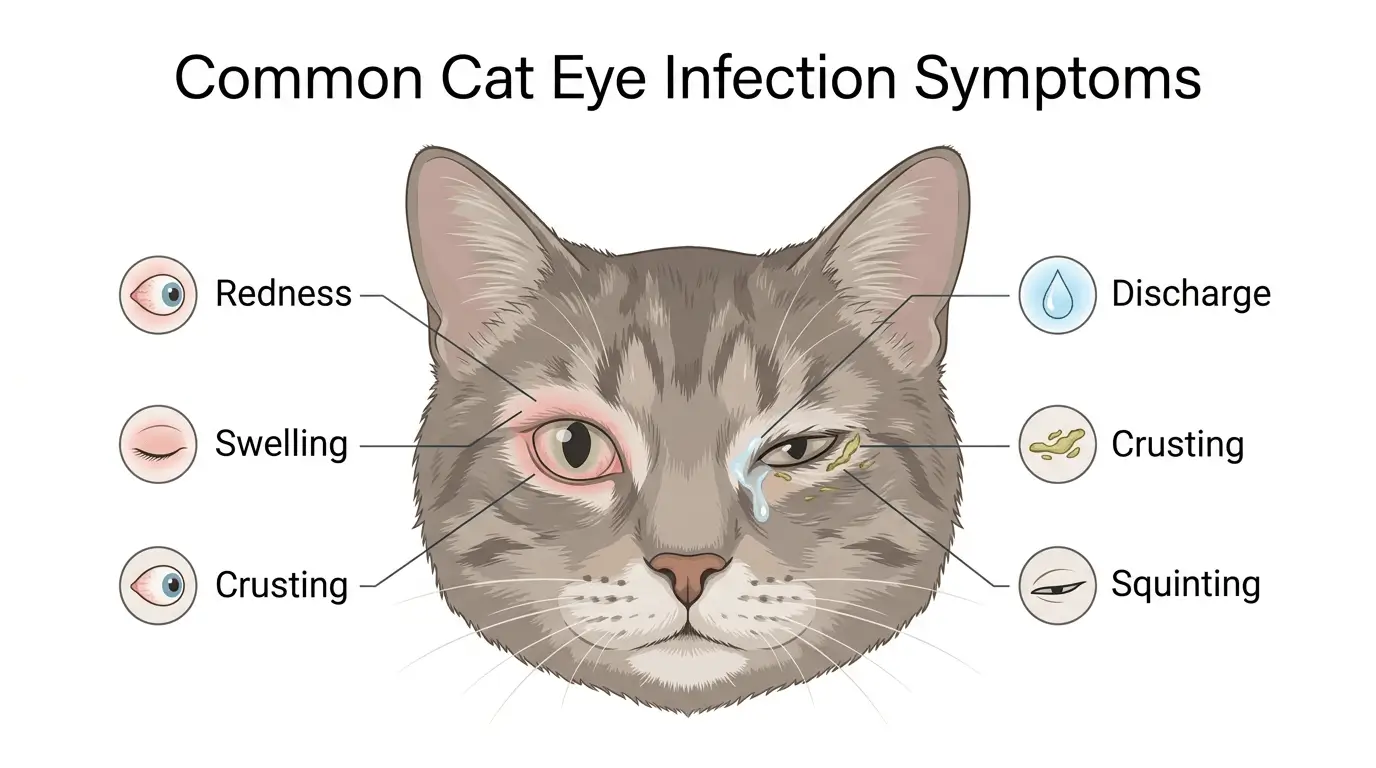
A cat eye infection can be identified through visible physical changes and behavioral signs. Early recognition is important for effective treatment.
Cats may exhibit:
- Redness and swelling of the eye
- Clear, watery, or pus-like discharge
- Squinting or excessive blinking
- Increased tearing
- Bulging eye in severe cases
- Behavioral changes such as rubbing eyes or hiding
Key Symptoms Breakdown
- Watery or thick discharge
- Eye crusting or sticking shut
- Sensitivity to light
- Swollen eyelids
Eye infections may sometimes appear alongside respiratory symptoms in kittens. If your cat is also sneezing, read kitten eye watering and sneezing for a deeper understanding of related conditions.
How to Treat Cat Eye Infection Safely
Cat eye infection treatment involves proper cleaning, medication, and monitoring to ensure recovery. The approach depends on the underlying cause and severity.
Step-by-Step Treatment Process
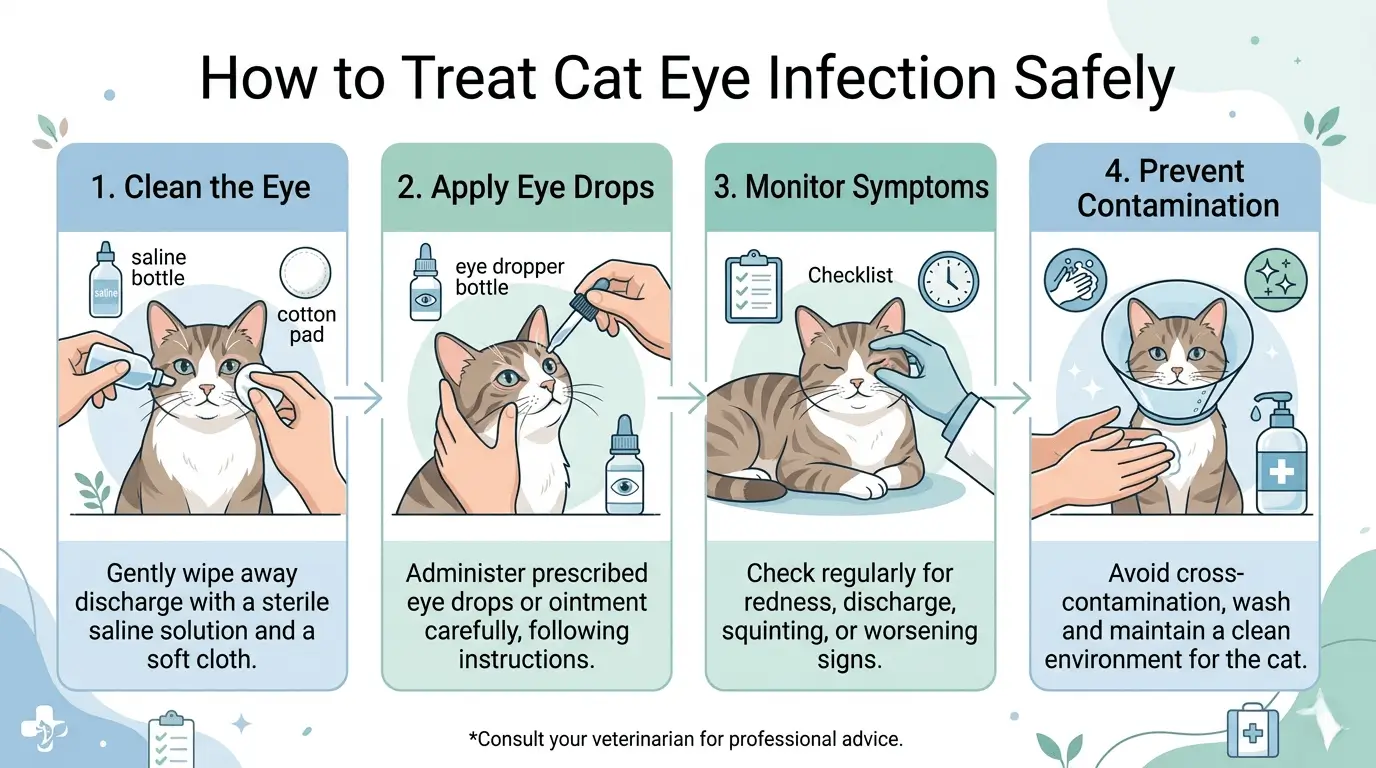
- Clean the eye gently with sterile saline solution
- Apply prescribed cat eye infection medicine as directed
- Monitor symptoms daily for improvement
- Prevent cross-contamination, especially in multi-cat households
Timely and consistent care is essential when treating eye infection in cats to avoid complications.
Medical Treatment Options for Cat Eye Infections
Veterinary treatment is often required for moderate to severe infections. Treatment depends on whether the infection is bacterial, viral, or inflammatory.
Antibiotic Eye Drops for Cats
- Used primarily for bacterial infections
- Considered a first-line treatment
- Must be administered with correct dosage and duration
Oral Antibiotics for Cat Eye Infection
- Prescribed for severe or systemic infections
- Often used alongside topical treatments
- Helps eliminate deeper infections
Other Cat Eye Infection Medicines
- Antiviral medications: Used for herpes-related infections
- Anti-inflammatory drops: Reduce swelling and irritation
- Pain management options: Improve comfort during recovery
Can You Use Bacitracin for Cats? Safety Explained
Bacitracin is not generally recommended for cats unless specifically approved by a veterinarian. While it is a topical antibiotic, improper use can cause complications.
Key Safety Considerations
- Not all human ointments are safe for cats
- Cats may ingest ointment while grooming
- Some combination products contain harmful ingredients
- Always consult a veterinarian before use
At-Home Treatment for Mild Cat Eye Infections
Mild cat eye infections may be managed at home with proper hygiene and supportive care. However, monitoring is essential to ensure the condition does not worsen.
Safe Home Care Methods
- Use a warm compress to clean discharge
- Rinse eyes with sterile saline solution
- Maintain a clean and dust-free environment
What NOT to Do
- Avoid using unprescribed medications
- Do not apply random over-the-counter human products
- Do not delay veterinary care if symptoms worsen
When to See a Veterinarian
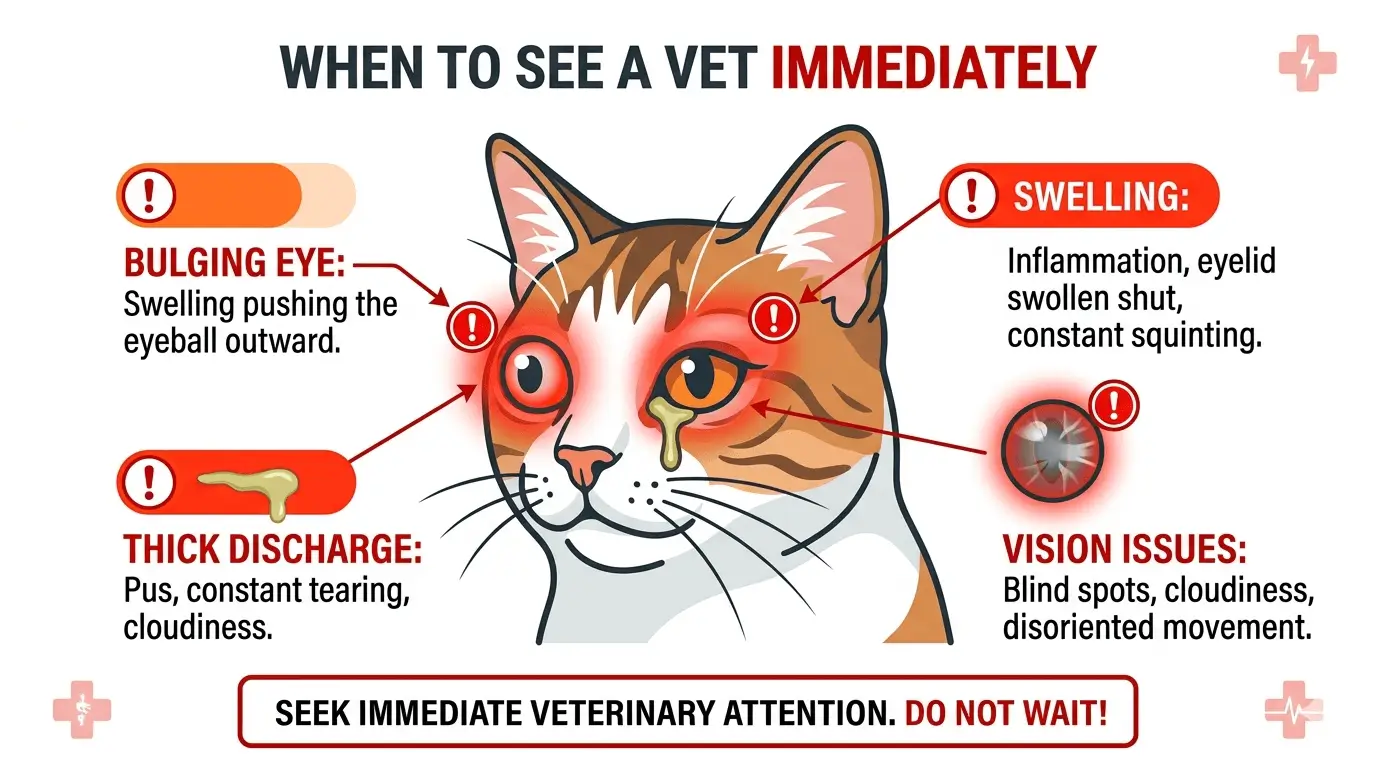
Veterinary care is necessary when symptoms indicate a severe or worsening infection. Early intervention helps prevent long-term damage.
Warning Signs Requiring Immediate Care
- Thick yellow or green discharge
- Noticeable eye swelling or bulging
- Changes in vision or eye clarity
- No improvement within 48 hours
Treatment Options Comparison
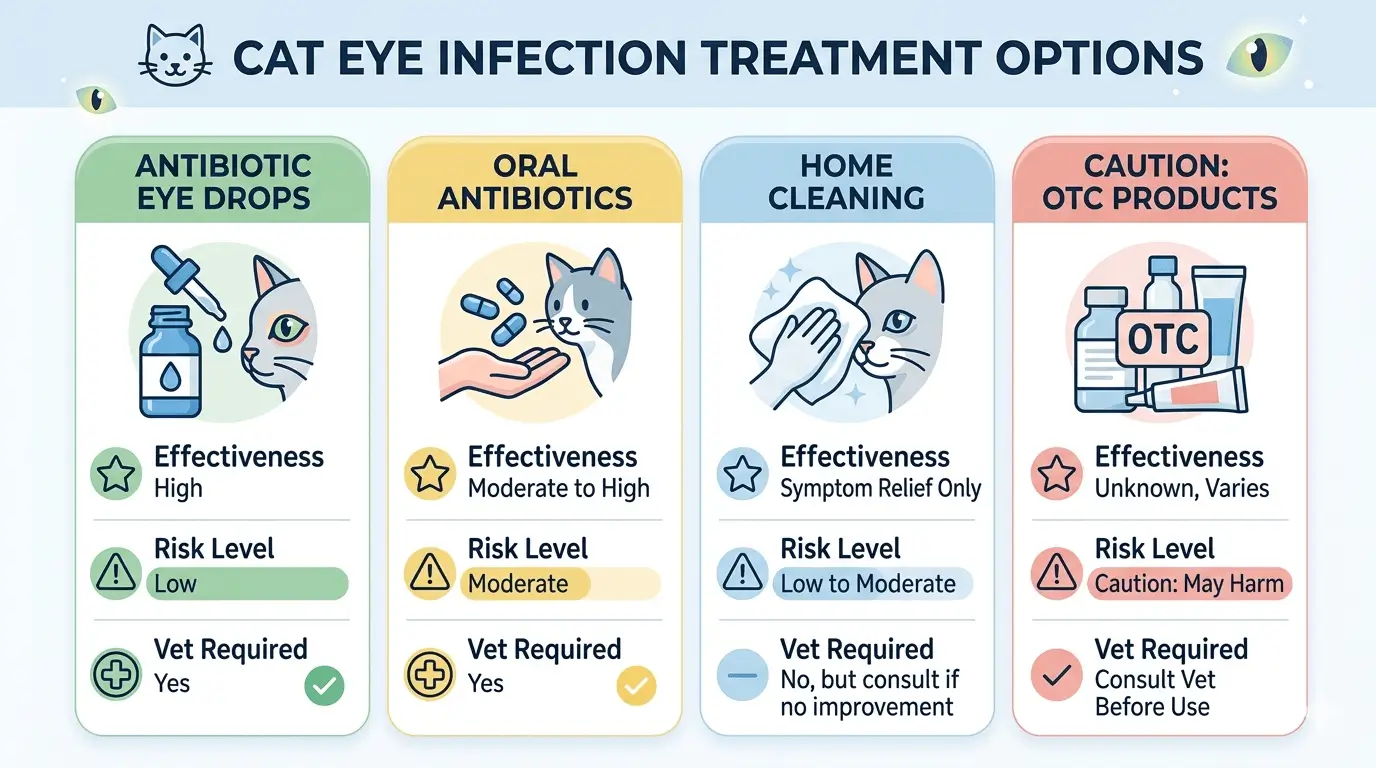
| Treatment Type | Best For | Requires Vet | Risk Level | Effectiveness |
| Antibiotic eye drops | Bacterial infections | Yes | Low | High |
| Oral antibiotics | Severe infections | Yes | Moderate | High |
| Home cleaning | Mild irritation | No | Low | Moderate |
| OTC products | Limited use | Sometimes | Variable | Low–Moderate |
Special Cases: Breed, Environment, and Condition-Based Treatment
Certain factors influence how cat eye infection treatment is approached.
- Persian cats: More prone due to tear duct issues
- Stray or feral cats: Treatment may be delayed or inconsistent
- Viral vs bacterial infections: Require different medications
- Environmental triggers: Dust, smoke, and outdoor exposure increase risk
Common Mistakes in Treating Cat Eye Infections
Improper treatment can worsen the infection or delay recovery.
Mistakes to Avoid
- Using human medication without veterinary guidance
- Stopping antibiotics before completing the course
- Ignoring mild symptoms early on
- Maintaining poor hygiene during treatment
Problem-Solution: Why Eye Infections Keep Returning
Recurring eye infections often indicate underlying issues that are not fully addressed.
Why Recurrence Happens
- Untreated viral infections
- Weak immune system
- Constant exposure to environmental irritants
How to Fix and Prevent
- Complete the full treatment course
- Improve hygiene and living conditions
- Schedule regular veterinary checkups
Preventing Eye Infections in Cats
Preventive care reduces the likelihood of infections and supports overall eye health.
Preventive Tips
- Regularly clean your cat’s eyes
- Provide balanced nutrition for immune support
- Ensure vaccinations are up to date
- Maintain a clean living environment
Maintaining proper hygiene helps prevent many common feline issues. You can also explore are hairballs normal for cats to better understand routine cat health concerns.
Conclusion
Cat eye infection treatment involves identifying the cause, applying the correct medication, and ensuring consistent care. While mild cases may improve with home support, proper veterinary treatment—such as antibiotic eye drops for cats or oral antibiotics—is often necessary for full recovery. Safe practices, early intervention, and preventive care are essential to protect your cat’s eye health and prevent recurring infections.
FAQs
How do I know if my cat’s eye infection is serious?
Severe discharge, swelling, vision changes, or no improvement within 48 hours indicate the need for veterinary care.
Can I treat my cat’s eye infection at home?
Mild cases may be managed with cleaning and hygiene, but most infections require prescription medication.
What is the best antibiotic for cat eye infection?
The best antibiotic depends on the cause; veterinarians typically prescribe antibiotic eye drops for cats based on diagnosis.
Is bacitracin safe for treating cat eye infections?
Bacitracin is not generally recommended unless specifically approved by a veterinarian.
How long does it take for a cat eye infection to heal?
Mild infections may improve within a few days, while severe cases can take 1–2 weeks with proper treatment.
Can cat eye infections spread to other pets?
Yes, especially bacterial and viral infections, so isolation and hygiene are important to prevent transmission.




2 Responses