
Introduction
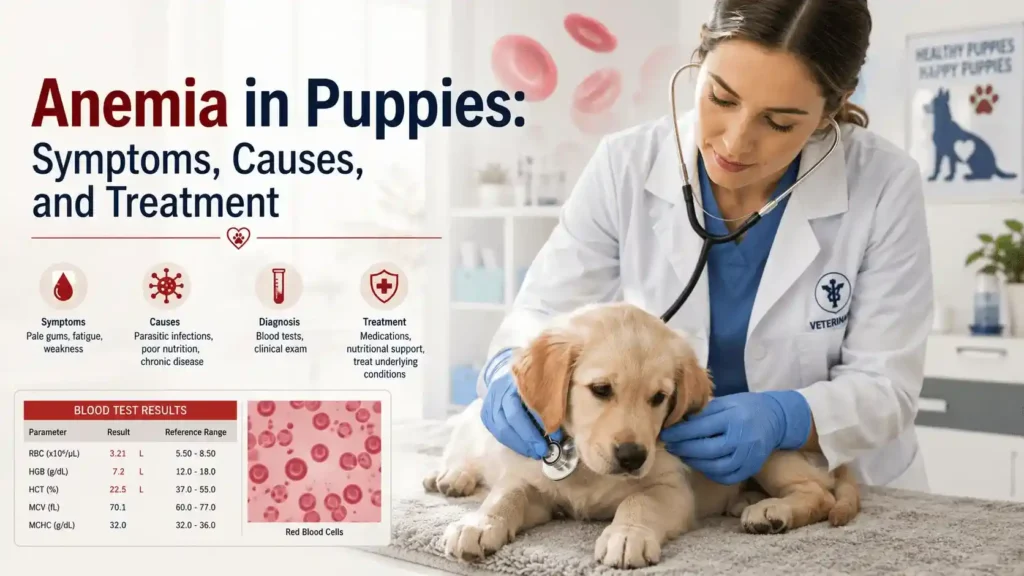
Anemia in puppies is a condition in which the body does not have enough healthy red blood cells to carry oxygen efficiently. This form of dog anemia can reduce oxygen delivery to tissues, muscles, and organs, leading to weakness and serious health complications. Puppies are more vulnerable to anemia in dogs because their immune systems and blood reserves are still developing. Common signs of anemia in dogs include pale gums, fatigue, poor appetite, and rapid breathing. Symptoms of anemia in puppies may progress quickly, especially when caused by parasites, infections, toxins, or blood loss. Anemia is usually not a disease itself but a warning sign of an underlying medical problem that requires prompt veterinary attention.
Quick Summary
- Anemia in puppies happens when red blood cells are too low to carry enough oxygen through the body.
- Common causes include parasites, blood loss, infections, toxins, and nutritional deficiencies.
- Symptoms often include pale gums, weakness, tiredness, rapid breathing, and poor appetite.
- Early diagnosis and proper treatment are important because severe anemia in puppies can become life-threatening.
What Is Anemia in Dogs and Puppies?
Anemia in dogs occurs when the number of healthy red blood cells or the amount of hemoglobin in the blood becomes too low. Hemoglobin is the iron-containing protein responsible for oxygen transport throughout the body. When oxygen circulation decreases, organs and tissues cannot function properly. Red blood cells rely on hemoglobin to transport oxygen efficiently throughout the body, and reduced hemoglobin levels are a major factor in canine anemia.
Puppies are especially sensitive to anemia because they are still growing rapidly and require constant oxygen delivery for development. Even mild drops in blood cell levels can affect energy, growth, and immune function.
Mild anemia may cause subtle weakness and reduced activity, while severe anemia can lead to collapse, organ stress, and life-threatening oxygen deprivation.
Normal role of red blood cells
- Carry oxygen from the lungs to body tissues
- Remove carbon dioxide from the body
- Support healthy organ and muscle function
- Maintain normal energy levels
What happens when blood cell counts drop
- Oxygen delivery decreases
- Heart and lungs work harder
- Weakness and fatigue develop
- Organs may become stressed
Why growing puppies need healthy oxygen circulation
- Rapid growth increases oxygen demand
- Developing organs require stable blood supply
- Young immune systems are less resilient
- Puppies can deteriorate faster than adults
Signs and Symptoms of Anemia in Puppies
Early Symptoms of Anemia in Puppies
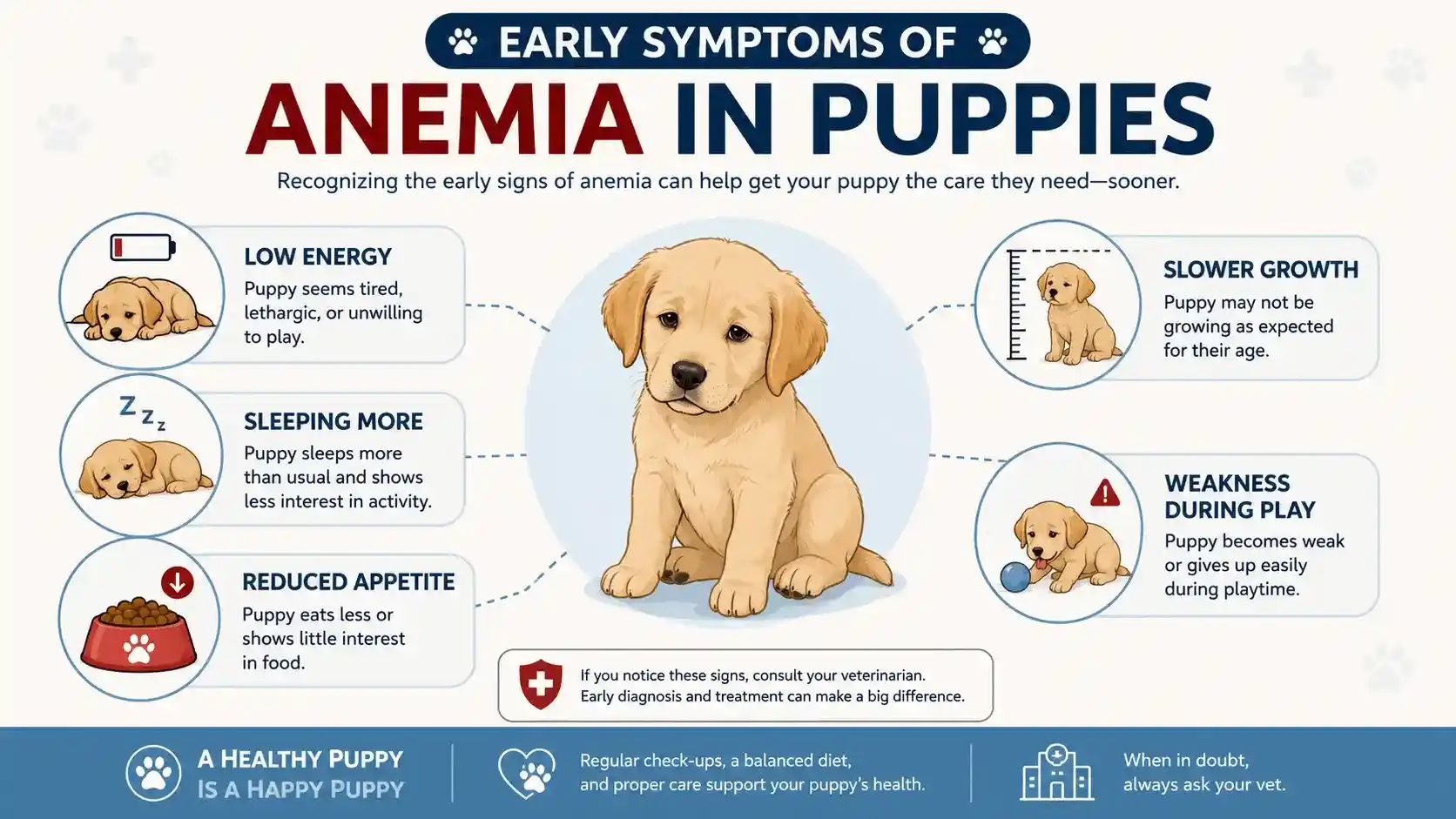
Early symptoms of anemia in puppies are often subtle and easy to overlook. Mild anemia in puppies may gradually affect activity, appetite, and normal growth patterns before severe symptoms appear.
Common anemia signs in puppies include reduced stamina and lower interest in play. Some puppies simply appear quieter than usual.
Common early symptoms
- Low energy
- Sleeping more than usual
- Reduced appetite
- Slower growth
- Weakness during play
Severe Anemia Symptoms That Require Immediate Care
Severe anemia in puppies can become an emergency because oxygen deprivation affects the brain, heart, and organs very quickly. Immediate veterinary care is necessary when symptoms rapidly worsen.
Young puppies have limited blood reserves, which means sudden blood loss or red blood cell destruction can become life-threatening within hours.
Emergency warning signs
- Pale or white gums
- Rapid breathing
- Collapse or fainting
- Fast heart rate
- Cold extremities
- Bloody stool or vomiting
Common Signs of Anemia in Dogs Compared With Puppies
Signs of anemia in dogs vary depending on age, severity, and underlying cause. Puppies often show symptoms earlier and deteriorate faster than adult dogs because their bodies cannot compensate as effectively for low oxygen levels.
| Symptom | Puppies | Adult Dogs |
| Energy decline | Rapid | Gradual |
| Gum color changes | More noticeable | Variable |
| Risk of collapse | Higher | Moderate |
| Parasite-related anemia | Very common | Less common |
What Causes Anemia in Puppies?
What causes anemia in puppies depends on whether red blood cells are being lost, destroyed, or poorly produced. Causes of anemia in dogs are generally grouped into three categories:
- Blood loss
- Red blood cell destruction
- Reduced blood cell production
Parasites and Blood Loss
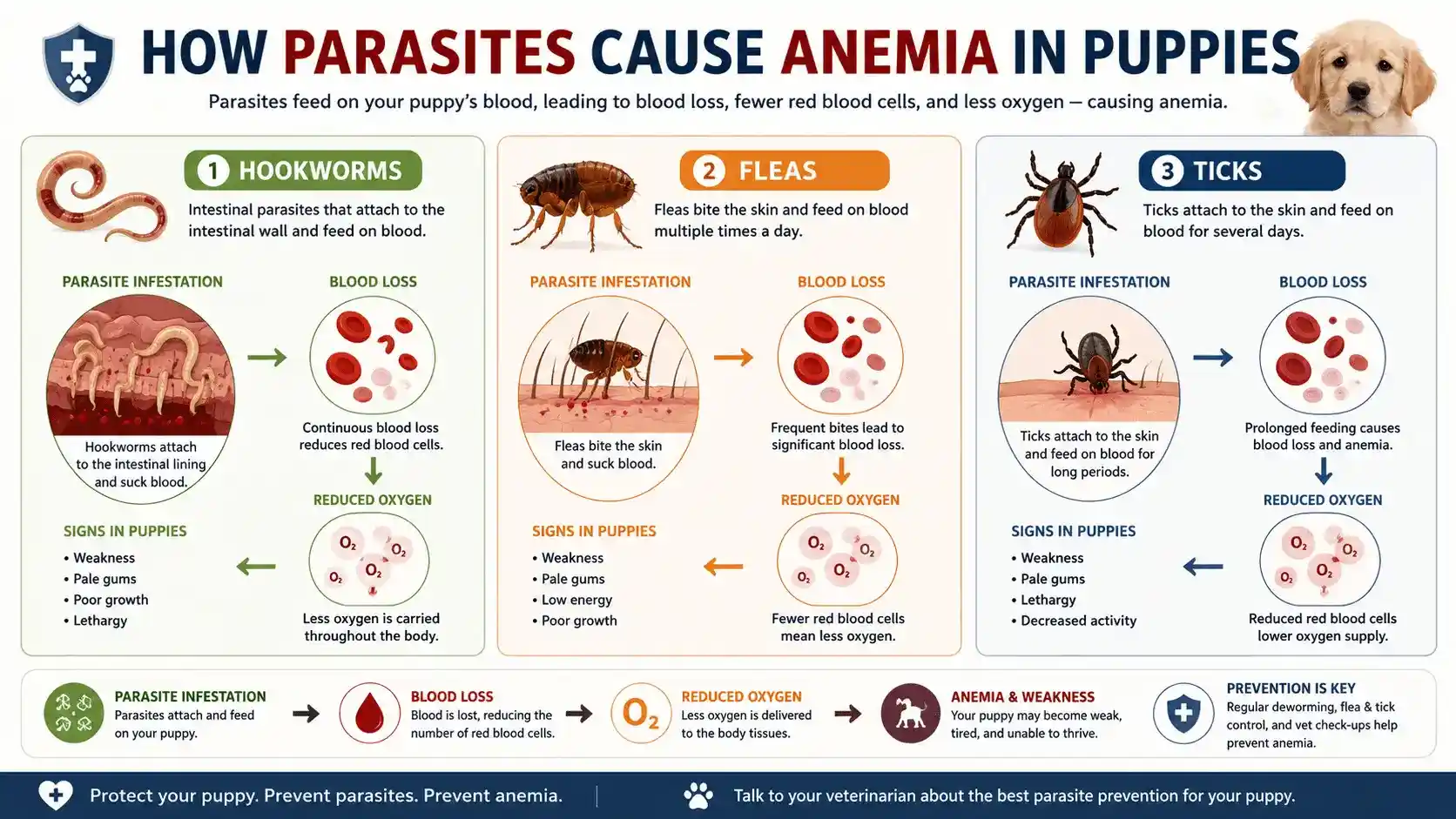
Hookworm anemia in puppies and flea anemia in puppies are among the most common causes of severe blood loss in young dogs. Parasites feed directly on blood and can weaken small puppies rapidly. Heavy flea infestations can quickly weaken young dogs, especially in warm environments where parasites spread rapidly, so owners should understand the importance of paw and outdoor protection alongside flea prevention discussed in How to Protect Dogs Feet From Hot Pavement.
Poor sanitation, crowded living conditions, and inadequate parasite prevention increase the risk significantly.
Common parasite-related causes
- Hookworms feeding on intestinal blood
- Heavy flea infestations
- Internal bleeding risks
- Poor sanitation and overcrowding
| Parasite | How It Causes Anemia | Most Common in |
| Hookworms | Blood feeding in intestines | Young puppies |
| Fleas | Chronic blood loss | Small breeds |
| Ticks | Blood feeding and disease transmission | Outdoor dogs |
Nutritional Deficiencies and Poor Diet
Iron deficiency and poor nutrition may contribute to anemia in puppies, especially during rapid growth stages. Feeding mistakes can interfere with healthy blood cell production.
Some owners unknowingly feed nutritionally incomplete homemade diets or low-quality foods lacking essential nutrients.
Feeding-related risk factors
- Unbalanced homemade diets
- Severe malnutrition
- Foods interfering with nutrient absorption
- Long-term poor feeding habits
Certain foods can also contribute to anemia risk. Questions about what food can cause anemia in dogs commonly involve onions, garlic, or diets lacking sufficient iron and protein.
Toxins That Can Cause Anemia in Dogs
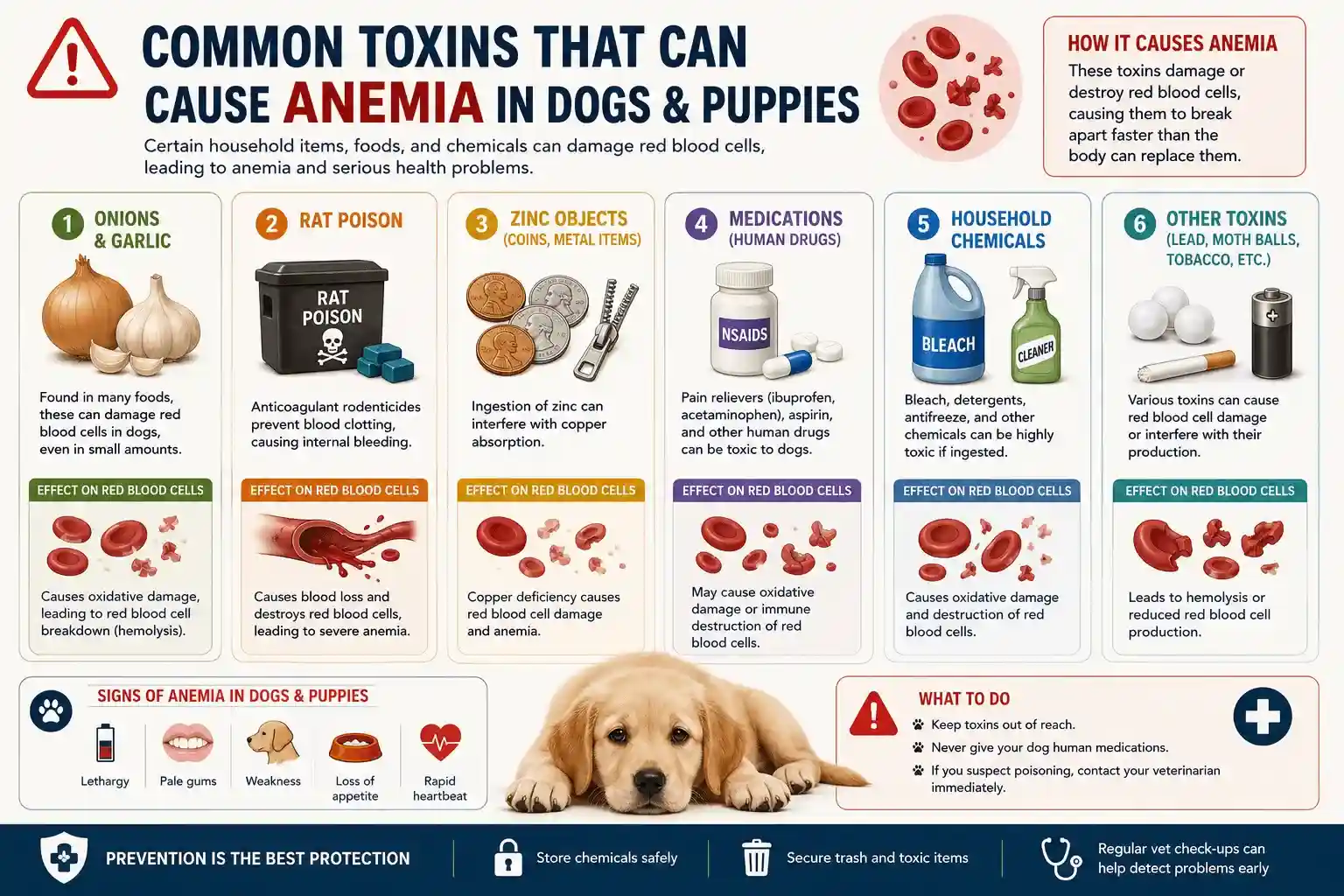
Several toxins can damage red blood cells directly and trigger severe anemia in dogs. Oxidative damage occurs when toxic substances destroy blood cells faster than the body can replace them.
Common toxins linked to anemia
- Onion and garlic toxicity
- Zinc poisoning
- Rat poison exposure
- Certain medications
- Household chemicals
Infections and Immune-Related Conditions
Anemia in puppies is most likely associated with infection when inflammatory disease or blood parasites interfere with red blood cell survival and production.
Some infections directly damage blood cells, while others suppress bone marrow function.
Common infection-related causes
- Tick-borne diseases
- Immune-mediated hemolytic anemia
- Viral suppression of bone marrow
- Severe inflammatory disease
Hemolytic anemia in puppies occurs when the immune system mistakenly attacks healthy red blood cells.
Cancer and Bone Marrow Disorders
Certain cancers interfere with blood production or cause internal bleeding, leading to anemia. Owners often ask what kind of cancer causes anemia in dogs because anemia may appear before other cancer symptoms.
Cancer-related causes
- Leukemia
- Lymphoma
- Bone marrow cancers
- Internal bleeding tumors
Types of Anemia in Dogs and Puppies
Types of anemia in dogs are classified according to how the body responds and what underlying condition is responsible.
Veterinarians commonly divide anemia into regenerative and non-regenerative forms.
Regenerative Anemia in Puppies
Regenerative anemia in puppies means the body is actively trying to replace lost red blood cells. This type often occurs after blood loss or parasite infestation.
Common characteristics
- Blood loss anemia
- Parasite-related anemia
- Better recovery potential when treated early
Hemolytic Anemia in Puppies
Hemolytic anemia in puppies develops when red blood cells are destroyed prematurely. This destruction may be inherited or acquired through infection, toxins, or immune-mediated disease.
Immune-mediated hemolytic anemia can become severe very quickly and requires urgent veterinary treatment.
Non-Regenerative Anemia
Non-regenerative anemia occurs when bone marrow cannot produce enough new blood cells. Chronic disease, nutritional deficiencies, and bone marrow disorders are common causes.
This form often develops more gradually but may indicate serious underlying illness.
How Veterinarians Diagnose Anemia in Puppies
Veterinarians diagnose anemia through physical examination, blood testing, and investigation of underlying causes. Healthy blood ranges vary by age and breed, so anemia in puppies normal values may differ slightly from adult dogs.
Common diagnostic tests
- Packed cell volume testing
- Complete blood count
- Parasite screening
- Fecal examination
- Imaging tests
- Bone marrow testing when necessary
| Diagnostic Test | Purpose |
| CBC blood test | Measures red blood cell levels |
| Fecal test | Detects hookworms and parasites |
| Blood smear | Evaluates cell damage |
| Imaging | Looks for bleeding or tumors |
Anemia in Puppies Treatment Options
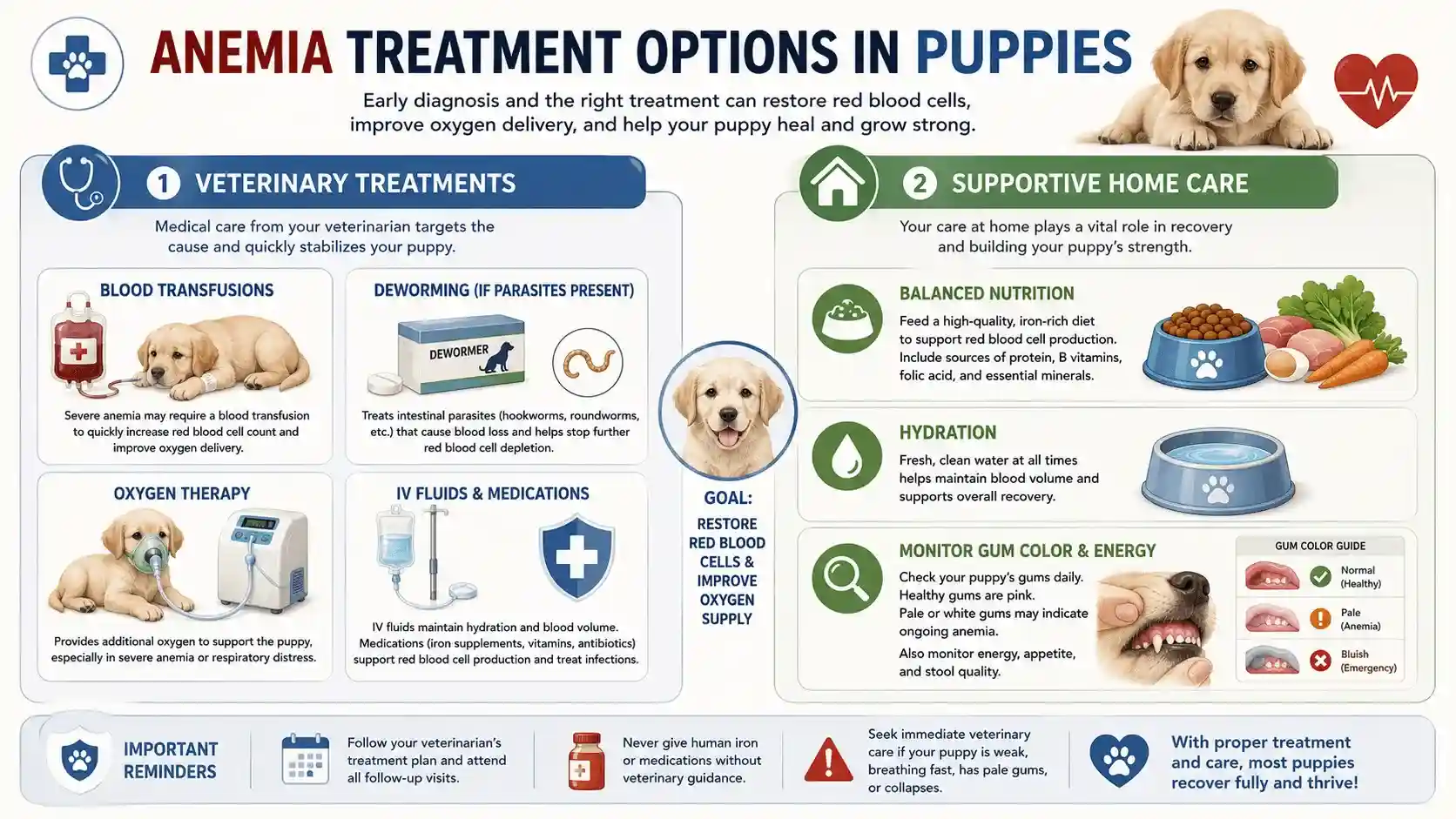
Anemia in puppies treatment depends on the severity of blood loss and the underlying disease. Treating only the anemia without addressing the cause often leads to recurrence.
Veterinary Treatments for Severe Cases
Severe anemia may require emergency stabilization and hospitalization.
Common veterinary treatments
- Blood transfusions
- Deworming treatment
- Oxygen therapy
- IV fluids
- Medications for immune disorders
How to Treat Anemia in Puppies at Home
How to treat anemia in puppies at home should always focus on supportive care alongside veterinary treatment. Home care alone is not safe for severe anemia.
Safe supportive care methods
- Following prescribed medications
- Providing nutrient-rich food
- Maintaining hydration
- Reducing physical stress
- Monitoring gum color and energy
Providing safe, nutrient-rich snacks in moderation may support recovery when paired with veterinary care, and these Easy Homemade Dog Treats Recipes Vet Approved ideas can help owners choose healthier options.
Home Remedies and Supportive Care for Dogs With Anemia
Home remedies for anemia in dogs should be evidence-based and veterinarian-approved. Some dogs with anemia home remedies promoted online may delay proper treatment or introduce unsafe ingredients.
| Supportive Care | Helpful or Harmful? | Notes |
| Vet-approved iron supplements | Helpful | Only if deficiency confirmed |
| Balanced puppy diet | Helpful | Supports recovery |
| Herbal remedies | Variable | Some may be unsafe |
| Delaying veterinary care | Harmful | Can worsen severe anemia |
Common Mistakes Owners Make With Anemic Puppies
Many owners miss early anemia symptoms or delay treatment until the condition becomes severe.
Common mistakes
- Ignoring pale gums
- Assuming puppies are “just tired”
- Using unsafe home remedies
- Skipping parasite prevention
- Feeding nutritionally incomplete diets
A common beginner mistake is underestimating flea infestations in very small puppies. Even moderate flea exposure can cause dangerous blood loss in toy breeds and young litters.
Preventing Anemia in Puppies
Preventing anemia in puppies requires consistent parasite control, proper nutrition, and routine veterinary care.
Prevention strategies
- Routine deworming
- Flea and tick prevention
- Balanced puppy nutrition
- Avoiding toxic foods and chemicals
- Regular wellness exams
Seasonal parasite control is especially important in warm climates where fleas, ticks, and hookworms remain active year-round. Routine wellness care should also include oral health monitoring because chronic dental disease may contribute to inflammation and long-term health problems explained in How Often Should Dogs Get Their Teeth Cleaned.
Is Anemia Common in Puppies?
Yes, anemia is relatively common in puppies because young dogs are more vulnerable to parasites, infections, nutritional imbalances, and rapid blood loss.
Small breeds, orphaned puppies, crowded environments, and inadequate preventive care increase the overall risk. Puppies also have smaller blood volumes than adults, making even minor blood loss more dangerous.
Conclusion
Anemia in puppies is a serious condition involving low red blood cell levels and reduced oxygen circulation throughout the body. Symptoms may range from mild fatigue and poor appetite to severe weakness, collapse, and breathing difficulty. Common causes include parasites, infections, toxins, nutritional deficiencies, immune disorders, and cancer-related disease.
Because anemia is usually a symptom of an underlying problem rather than a disease itself, early diagnosis and treatment are essential. Prompt veterinary evaluation can help identify the cause, improve recovery chances, and prevent life-threatening complications.
FAQs
What are the first signs of anemia in puppies?
The first signs often include low energy, pale gums, sleeping more than usual, weakness during play, and reduced appetite.
What causes sudden anemia in dogs and puppies?
Sudden anemia may result from severe blood loss, toxin exposure, immune-mediated disease, internal bleeding, or parasite infestations.
Can hookworms cause severe anemia in puppies?
Yes. Hookworms feed on blood in the intestines and can rapidly cause life-threatening anemia in young puppies.
How do veterinarians treat anemia in puppies?
Treatment may include blood transfusions, parasite control, oxygen therapy, IV fluids, medications, and nutritional support.
Is mild anemia in puppies dangerous?
Mild anemia can become dangerous if the underlying cause is not identified and treated promptly.
What foods help dogs recover from anemia?
Balanced veterinary-approved diets rich in protein, iron, vitamins, and essential nutrients can support recovery.
What toxins commonly cause anemia in dogs?
Common toxins include onions, garlic, zinc, rat poison, and certain medications or chemicals.
Can fleas alone cause anemia in puppies?
Yes. Heavy flea infestations can remove enough blood to cause severe anemia, especially in small or young puppies.
What kind of cancer causes anemia in dogs?
Leukemia, lymphoma, bone marrow cancers, and internal bleeding tumors are common cancer-related causes of anemia.
Can anemia in puppies be treated at home?
Home supportive care may help mild cases, but severe anemia always requires veterinary treatment and monitoring.