
Introduction
Do cats get parvo is a common question because many people associate parvovirus with severe illness in dogs, especially puppies. In reality, cats are affected by a different but related virus called feline panleukopenia virus (FPV), often referred to as “feline parvo.” This disease is highly contagious among cats and can be life-threatening, especially in kittens and unvaccinated cats. Understanding how it spreads, its symptoms, and prevention is essential for responsible cat care.
Quick Summary
- Cats do not get canine parvovirus but can get feline parvovirus (FPV)
- FPV is highly contagious among cats and especially dangerous for kittens
- The virus spreads through contaminated environments, not just direct contact
- Vaccination is the most effective prevention method
What Is Parvovirus in Cats and Dogs?
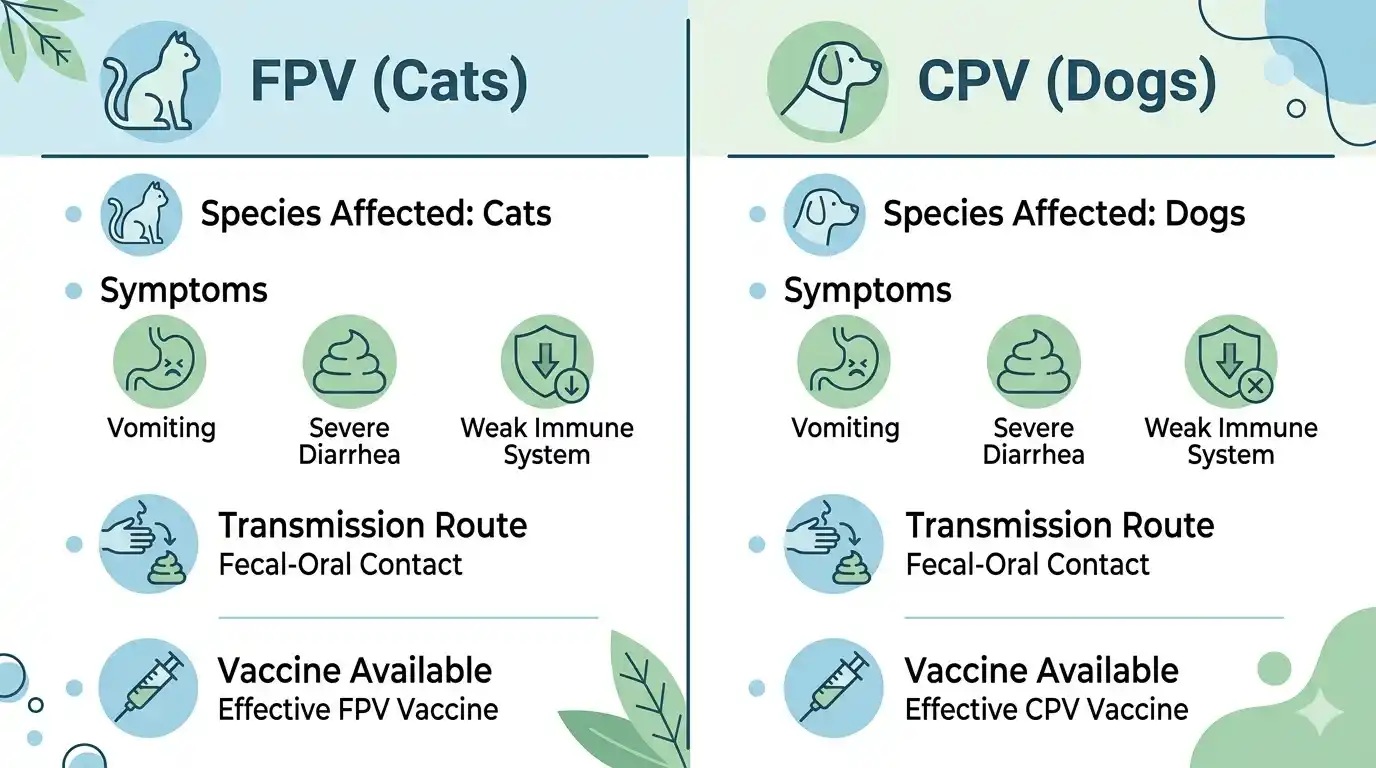
Parvovirus refers to a group of highly resistant viruses that infect mammals. In dogs, canine parvovirus (CPV) causes severe gastrointestinal disease, especially in puppies. In cats, the equivalent is feline panleukopenia virus (FPV), a closely related virus that attacks rapidly dividing cells such as those in the bone marrow and intestines. Feline panleukopenia is a highly contagious viral disease caused by the feline panleukopenia virus affecting cats worldwide.
While both viruses belong to the same family, they are species-adapted. This means dog parvo primarily affects dogs, and feline parvo affects cats, though they share similar survival characteristics in the environment.
Do Cats Get Parvo?
Yes, cats can get parvo, but not the same type that affects dogs. Cats are infected by feline panleukopenia virus (FPV), which is sometimes casually called feline parvo.
Key points:
- Cats do not naturally get canine parvovirus
- They are affected by a feline-specific version
- The disease is most severe in unvaccinated cats and kittens
Can Cats Get Parvo From Dogs?
Cats generally do not get parvo from dogs because the viruses are species-specific. However, environmental contamination can create confusion in transmission cases.
Important clarification:
-
Direct transmission from dogs to cats is extremely unlikely
- Can cats get parvo from dogs? No confirmed natural infection route exists
- Indirect exposure through contaminated environments is more relevant
How Do Cats Get Parvo?
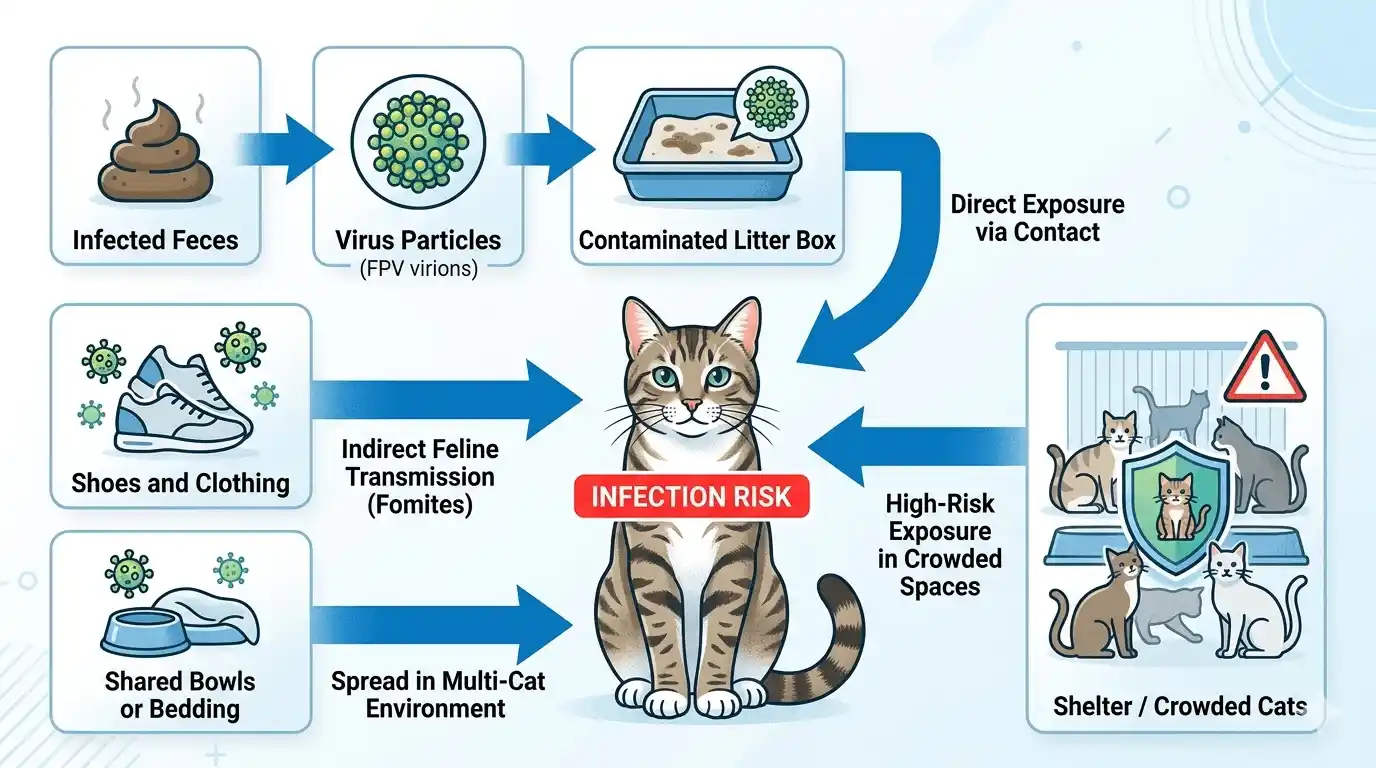
Cats get parvovirus mainly through environmental exposure rather than direct contact with infected animals. The virus is extremely stable and can survive for months.
Common transmission routes:
- Contact with infected feces
- Contaminated litter boxes
- Food bowls and bedding
- Shoes, clothing, or hands carrying the virus
- Shelters or areas with high cat density
This is why even indoor cats can be at risk if the virus is brought inside.
Is Parvo Contagious to Cats?
Yes, feline parvovirus is highly contagious among cats. Even minimal exposure can lead to infection in unvaccinated animals.
Transmission characteristics:
- Spread through feces and bodily fluids
- Can survive in the environment for long periods
- Indirect contact is sufficient for infection
Symptoms of Parvo in Cats
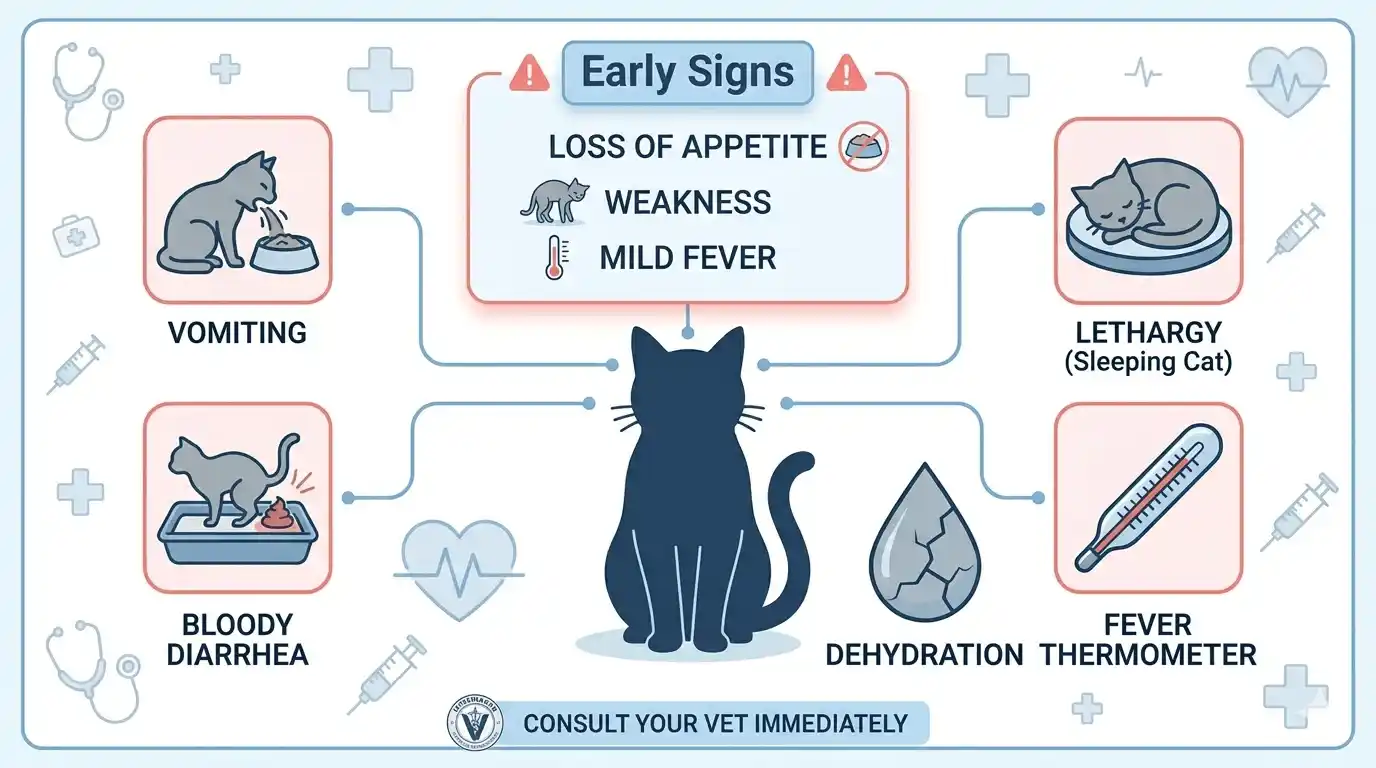
Parvovirus in cats produces severe systemic illness due to destruction of white blood cells and intestinal lining. Digestive symptoms such as vomiting may resemble conditions discussed in cat sneezing and vomiting, especially during severe viral infections.
Early symptoms:
- Loss of appetite
- Lethargy
- Mild fever
Progressing symptoms:
- Severe vomiting
- Bloody diarrhea
- Rapid dehydration
- Weak immune response
Symptoms can worsen quickly, especially in kittens.
Stages of Parvo in Cats
Feline parvovirus progresses rapidly through distinct stages.
1. Incubation stage
No visible symptoms, but virus is multiplying.
2. Early stage parvo in cats
Mild lethargy and appetite loss appear.
3. Active disease stage
Severe gastrointestinal symptoms develop, including vomiting and diarrhea.
4. Critical stage
Immune collapse and dehydration may lead to death without treatment.
Can Kittens Get Parvo?
Yes, kittens are the most vulnerable group for feline parvovirus. Young kittens with weakened immune systems may also develop respiratory symptoms similar to kitten eye watering and sneezing during viral illnesses.
Why kittens are at higher risk:
- Immature immune system
- Rapid dehydration risk
- Higher exposure in shelters or stray environments
Key insight:
Most severe cases of FPV occur in kittens under 6 months of age.
Adult, Indoor, and Vaccinated Cats Risk
Adult cats are less likely to develop severe disease, especially if vaccinated. Maintaining overall feline health and proper nutrition can also reduce immune stress linked to conditions like what cats are allergic to food and digestive sensitivities.
Risk comparison:
- Adult cats: Lower risk
- Indoor cats: Very low but not zero risk
- Vaccinated cats: Strong protection, rare infection cases
Vaccination remains the key protective factor.
Diagnosis and Veterinary Testing
Veterinarians diagnose feline parvovirus using clinical signs and laboratory tests.
Common diagnostic methods:
- Blood tests showing low white blood cells
- Fecal antigen tests
- Physical examination and history
Early diagnosis is critical for survival.
Parvo in Cats Treatment
There is no direct cure for feline parvovirus, but supportive treatment improves survival rates.
Veterinary care includes:
- Intravenous fluid therapy
- Antibiotics for secondary infections
- Anti-nausea medication
- Nutritional support
Important note:
Home treatment is not effective for moderate or severe cases.
Prevention and Vaccination
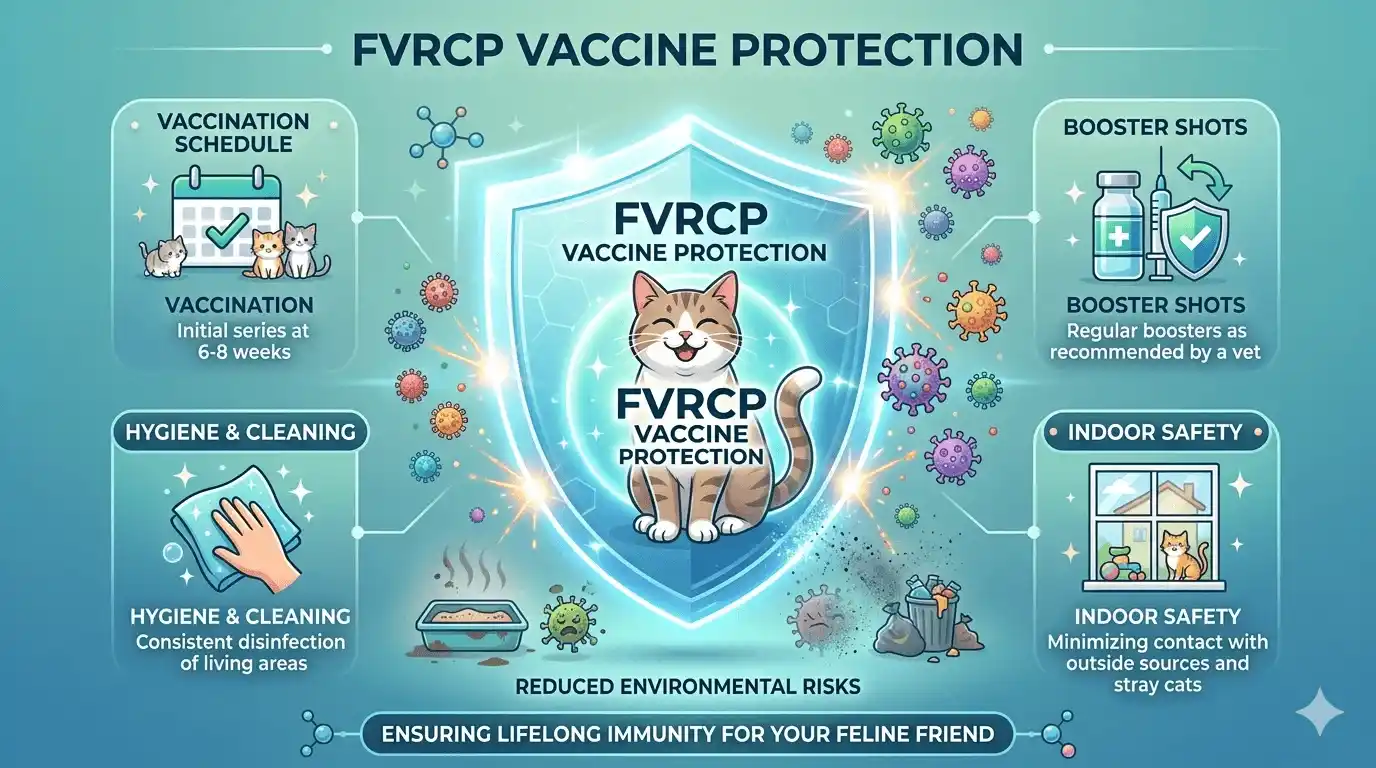
Vaccination is the most effective protection against feline parvovirus. Owners should monitor recovering cats carefully because dehydration and illness can sometimes affect appetite and hydration after severe infections, similar to concerns seen in cat not drinking water after dental surgery.
Prevention methods:
- Core FVRCP vaccine (includes FPV protection)
- Booster vaccinations at scheduled intervals
- Environmental disinfection with strong disinfectants
Vaccination dramatically reduces both infection risk and severity.
Comparison: Feline vs Dog Parvo
| Feature | Feline Parvo (FPV) | Dog Parvo (CPV) |
| Species | Cats | Dogs |
| Severity | High in kittens | High in puppies |
| Transmission | Fecal-oral, environment | Fecal-oral |
| Human risk | None | None |
| Vaccine | FVRCP | Canine parvo vaccine |
Common Myths and Misconceptions
Many misunderstandings exist around feline parvovirus. Some owners mistakenly assume indoor cats cannot develop viral illness, even though respiratory and digestive infections may still occur alongside symptoms like cats eyes watering and sneezing.
Common myths:
- Cats get dog parvo → False
- Indoor cats are fully safe → Not always true
- Home remedies can cure parvo → False
- Only stray cats get infected → False
Understanding these myths helps improve prevention.
Conclusion
Do cats get parvo? Yes, but only in the form of feline parvovirus (FPV), not the same disease that affects dogs. It is a highly contagious and serious illness in cats, especially kittens, but it is largely preventable through vaccination and proper hygiene. Early detection and veterinary care are essential for survival.
FAQs
1. Do cats get parvo like dogs?
No, cats get a different virus called feline panleukopenia virus.
2. Can cats get parvo from dogs?
No, cross-species transmission is extremely unlikely.
3. What are early signs of parvo in cats?
Loss of appetite, lethargy, and mild fever.
4. Can kittens get parvo?
Yes, kittens are the highest-risk group.
5. Is parvo contagious to humans?
No, feline parvovirus does not infect humans.
6. Can vaccinated cats get parvo?
It is rare, as vaccines provide strong immunity.
7. How is parvo in cats treated?
Only supportive veterinary care such as fluids and medication.
8. How can parvo in cats be prevented?
Vaccination and proper environmental hygiene are the most effective methods.




One Response