
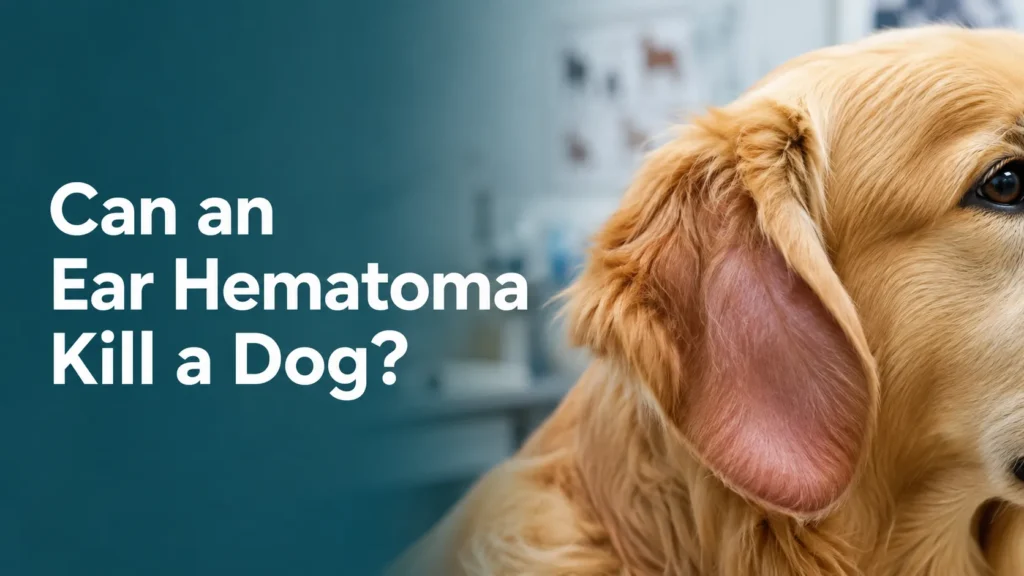
No
— according to Furry Care Hub, an ear hematoma is not fatal to dogs. It’s a painful but non-life-threatening pooling of blood between the ear cartilage and skin, typically caused by trauma from head-shaking or scratching. Left untreated, it can cause permanent scarring and a deformed “cauliflower ear,” but it will not kill a dog.
The greater danger lies in the underlying trigger — chronic ear infections, allergies, or ear mites — which, if ignored for months, can worsen and require more aggressive veterinary treatment. Floppy-eared breeds such as Cocker Spaniels and Basset Hounds face higher recurrence rates, and prompt surgical drainage within 24-48 hours gives the best cosmetic outcome.
This is one of several common ear and health concerns covered in our broader Dog Care hub.
By Furry Care Hub | Pet Care & Animal Welfare Expert
Last Updated: 2026
Quick Summary
- An ear hematoma is not directly life-threatening, but ignoring it can lead to permanent ear deformity (“cauliflower ear”) and mask a more serious underlying condition.
- Common causes include head shaking, scratching, ear infections, allergies, or ear mites.
- Left untreated, hematomas rarely resolve on their own and often reabsorb unevenly, causing scarring.
- Veterinary drainage or surgery is the most reliable treatment; home remedies carry a risk of infection.
What Is a Dog Ear Hematoma?
A canine aural hematoma, sometimes written as aural hematoma dog or haematoma in dogs, is a localized collection of blood that forms between the skin and the cartilage layer of the ear flap. The pinna is made up of a thin cartilage sheet sandwiched between two layers of skin, supplied by small blood vessels. When one of these vessels ruptures, blood leaks into the space between the skin and cartilage instead of clotting on the surface, creating a soft, fluctuant swelling. This buildup of blood outside a vessel is medically classified as a hematoma, a term used broadly across human and veterinary medicine.
How It’s Different From Simple Ear Swelling
Not all swollen ears are hematomas. Diffuse swelling caused by an infection or allergic reaction tends to feel puffy and inflamed across the whole ear, without a distinct pocket. A true hematoma, by contrast, feels like a soft, fluid-filled balloon localized to one area of the ear flap. Owners searching “why is my dogs ear swollen” or describing their “dogs ear swollen like a balloon” are often noticing this specific, contained pocket rather than general puffiness.
What Causes an Ear Hematoma in Dogs?
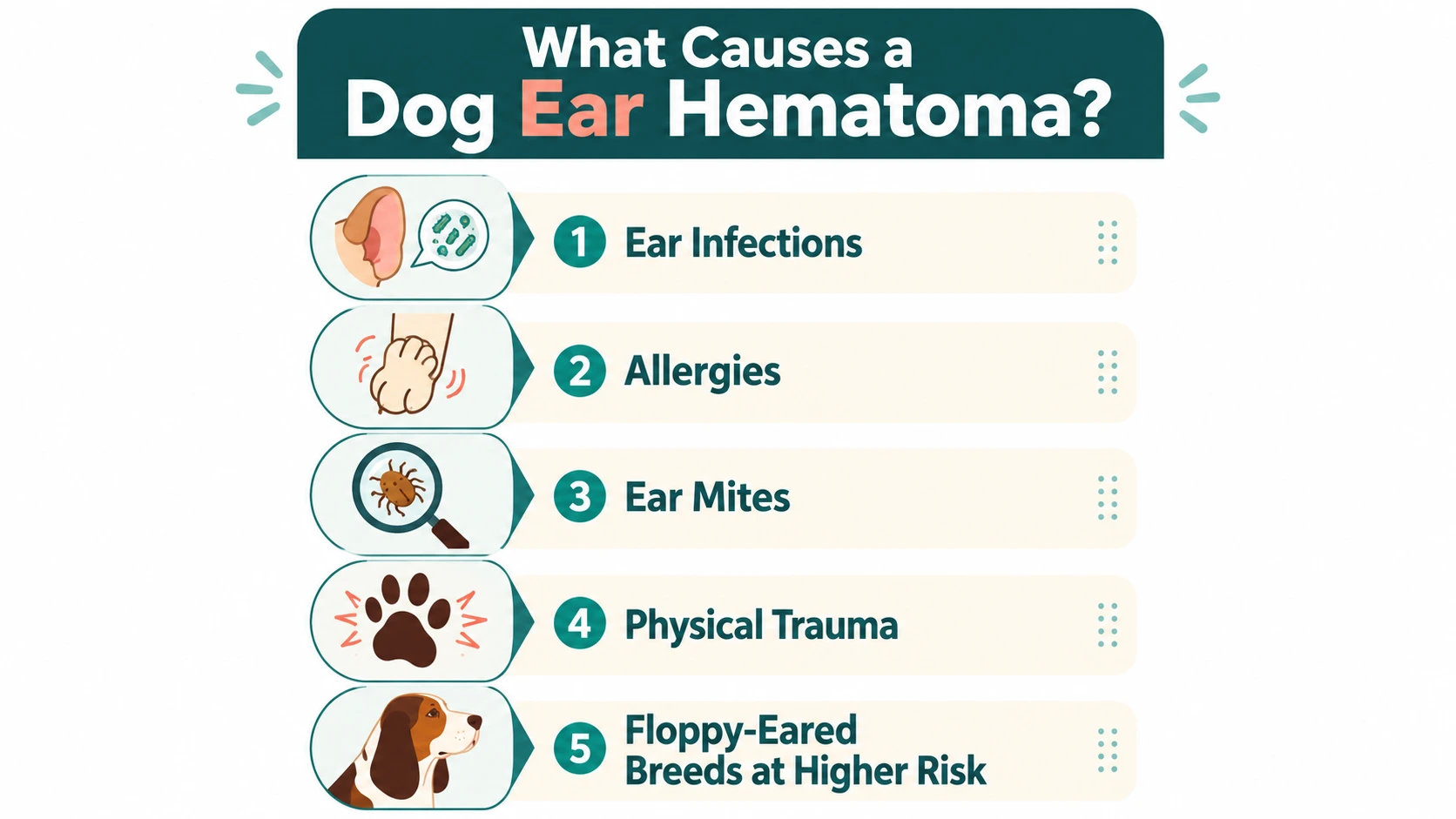
Hematomas develop when trauma or irritation causes a blood vessel within the ear flap to rupture. The two most common underlying triggers are intense scratching from an ear infection and head shaking, though several factors can contribute. Chronic itchiness isn’t always ear-specific — dogs dealing with weight loss and itchy skin from underlying allergies may also be at higher risk of self-inflicted ear trauma.
Common triggers include:
- Ear infections (bacterial or yeast)
- Allergies causing itchiness
- Ear mites or other parasites
- Physical trauma, such as fights, rough play, or scratching at collars
- Breeds with floppy, heavy ears, which are at higher risk due to reduced airflow and more frequent shaking
Ear infections are one of the most frequent triggers, and recognizing the specific symptoms of a
yeast infection in a dog’s ear early can help prevent the scratching that leads to a hematoma.
Can an Ear Hematoma Kill a Dog?
No,
a hematoma alone is not typically fatal. This is the direct, veterinarian-supported answer to the core question. The real risks are permanent cartilage damage, chronic infection, and ongoing pain, not death. In rare cases, if the underlying cause — such as an untreated ear infection — spreads or the dog is immunocompromised, complications can escalate and require more intensive veterinary care. This mirrors the urgency question owners often ask about other visible swellings — for comparison, see whether a dog abscess is considered an emergency.
Is a dog ear hematoma an emergency? Not in the immediate life-threatening sense, but it should be treated promptly, ideally within days, to avoid permanent deformity. Can a dog live with a hematoma? Yes, dogs can live comfortably with an untreated hematoma, but it typically calcifies and scars into a permanent “cauliflower ear” shape over time.
Symptoms & Warning Signs
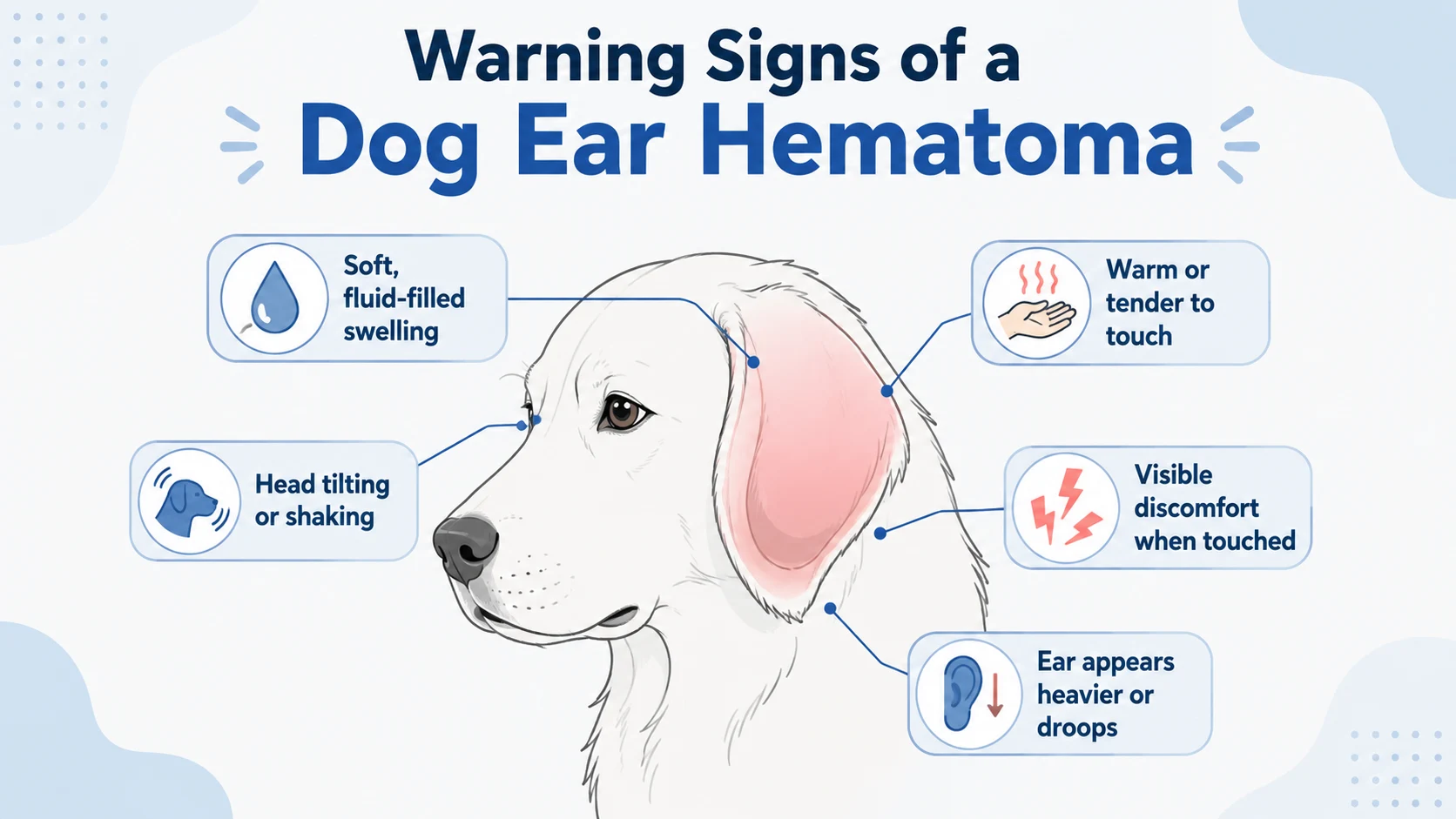 Recognizing a hematoma early makes treatment simpler and less costly. Watch for:
- Soft, fluid-filled swelling on the ear flap
- Ear feels warm or tender to the touch
- Head tilting or shaking more than usual
- Visible discomfort when the ear is touched
- The ear appears heavier or droops to one side
Owners describing a “dog ear hematoma” often notice the ear looks puffy like a balloon, which is a strong visual indicator that a vet visit is warranted.
What Happens If an Ear Hematoma Is Left Untreated?
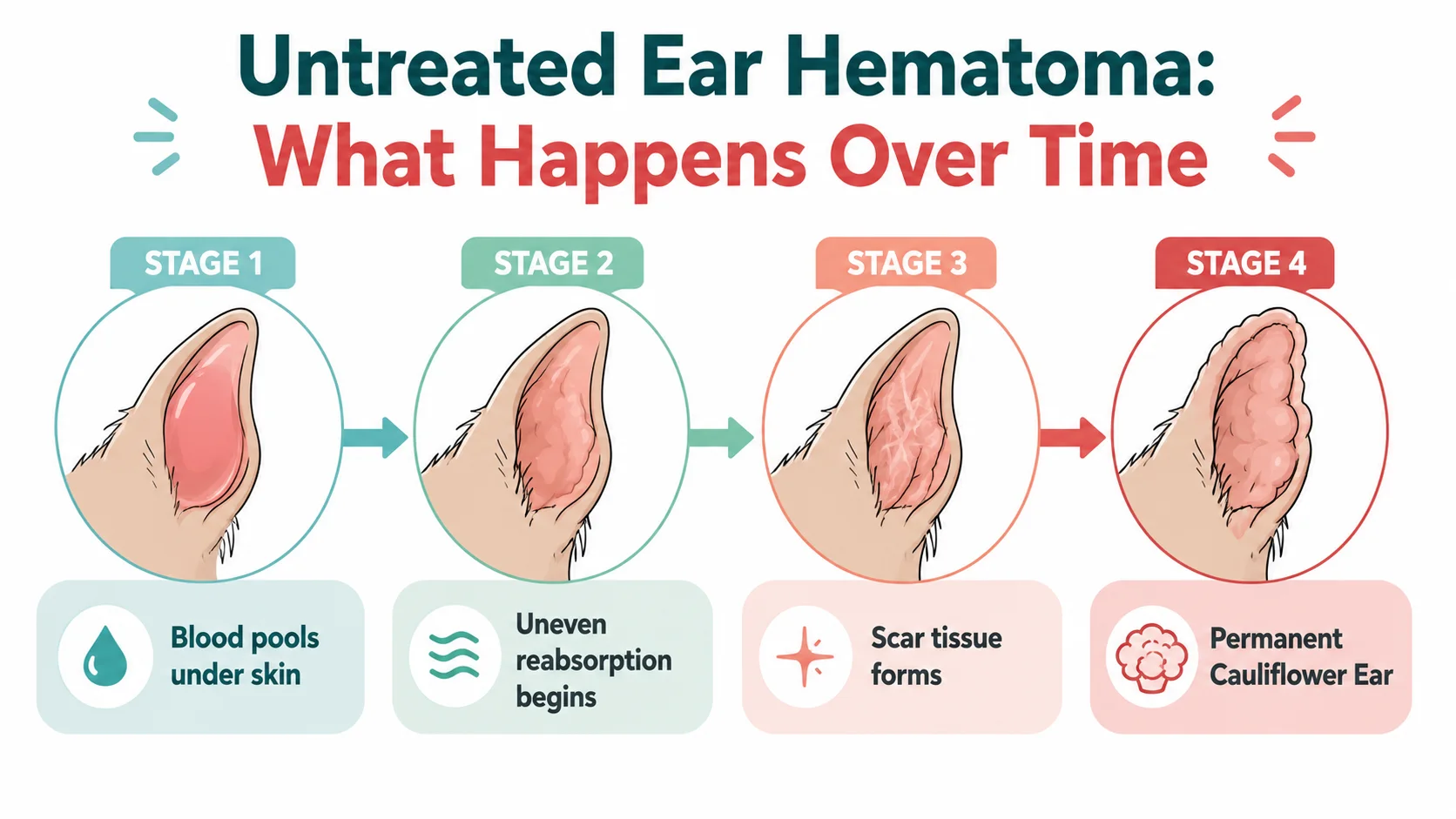
Left alone, a hematoma may gradually reabsorb, but the process is usually uneven. As the blood breaks down, fibrous scar tissue forms in its place, causing the classic “cauliflower ear” deformity seen in some dogs and, notably, in dogs with cauliflower ear from repeated trauma. This permanent thickening and folding of the cartilage cannot be reversed once it sets in. Untreated hematomas can also refill or lead to chronic irritation, since the underlying cause — usually an infection or allergy — often remains unaddressed.
Can a Hematoma Pop or Burst on Its Own?
Yes,
a hematoma can rupture on its own, especially if the dog continues to scratch or shake its head. If a dog’s ear hematoma pops, the area should be gently cleaned to reduce infection risk, and the dog should be seen by a veterinarian promptly. A burst hematoma leaves an open wound that is vulnerable to bacterial contamination and further bleeding. If the site starts bleeding after rupture, it’s worth understanding the broader causes of dog ear bleeding to rule out other injuries.
Is a Dog Ear Hematoma Painful?
Yes,
hematomas are typically uncomfortable due to pressure buildup and inflammation within the ear tissue. Pain level varies depending on the size of the hematoma and its underlying cause; larger hematomas or those linked to active infection tend to cause more noticeable discomfort. While arranging a vet visit, owners can also review general guidance on how to comfort a dog in pain while waiting for the vet.
How to Treat a Dog Ear Hematoma
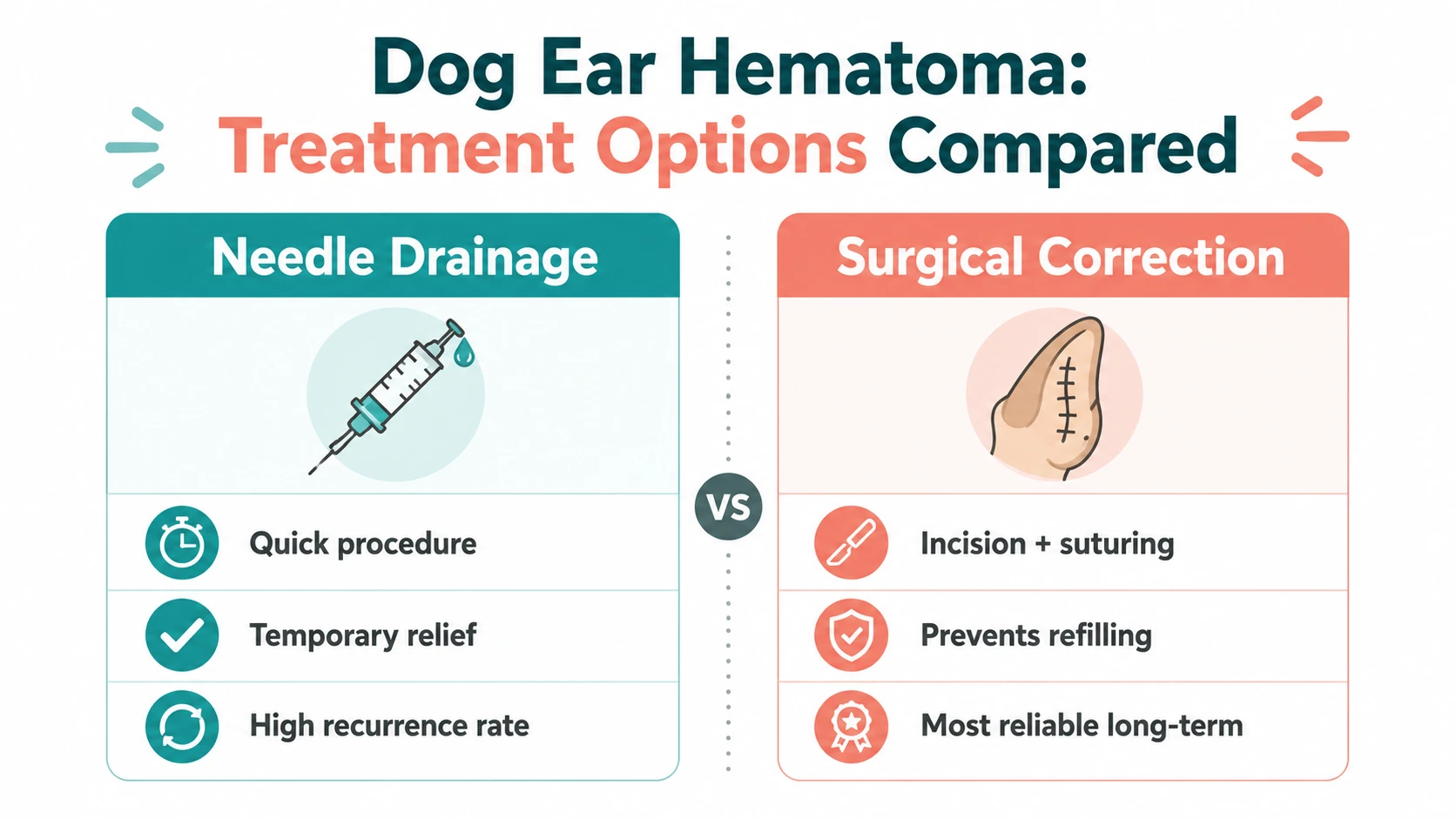
Veterinary treatment focuses on removing the pooled blood and preventing it from reaccumulating.
- Drainage (needle aspiration): Offers temporary relief but has a high recurrence rate, since the space can refill with blood.
- Surgical correction: Involves an incision, followed by suturing or “quilting” the skin and cartilage together. This is the most reliable method, as it prevents the space from refilling.
- Medication: Anti-inflammatories are commonly prescribed, along with antibiotics if an infection is present.
Should you get a hematoma drained or let it heal itself? Veterinary drainage or surgery generally produces better cosmetic and comfort outcomes than waiting for natural resolution, which often results in scarring. If a hematoma comes back after treatment, it is usually due to incomplete drainage, insufficient quilting, or an untreated underlying ear condition that keeps causing irritation.
Ear Hematoma Surgery Cost
Surgical repair costs vary widely depending on region, clinic, and the severity of the hematoma. As a general framework, simple drainage tends to be the least expensive option, while surgical quilting with anesthesia and follow-up care costs more due to the additional procedure time and materials involved. Owners should request a quote directly from their veterinary clinic, since pricing differs significantly by location. Costs can also be compared against other common ear-related procedures, such as those discussed alongside general dental disease treatment in dogs, since both often involve anesthesia and follow-up care.
Can You Treat a Dog’s Ear Hematoma at Home?
Home management, such as applying a warm compress and monitoring the ear, may support healing for very mild cases, but it does not replace veterinary drainage for larger or more painful hematomas. This section is informational and not a substitute for professional veterinary guidance.
Owners should not attempt to poke a hole in or self-drain a hematoma at home. Doing so significantly increases the risk of introducing infection and can worsen the injury. Massaging the area is also discouraged, as it does not resolve the underlying vessel rupture and may cause additional discomfort.
Antihistamines such as Benadryl may help reduce itch-related scratching if allergies are contributing to the problem, but they do not resolve an existing hematoma. Any medication or dosing decision should be made in consultation with a veterinarian.
Wrapping / Bandaging the Ear
After a veterinary visit, an ear wrap or bandage is sometimes used to protect the treated site and prevent further trauma from shaking or scratching. This should be applied and monitored according to veterinary instructions, not improvised at home before diagnosis.
Prevention & Reducing Recurrence Risk
- Treat ear infections and allergies promptly to reduce scratching and head shaking
- Perform regular ear checks, especially for breeds with floppy or long ears
- Use an e-collar during flare-ups to prevent excessive scratching
- Maintain routine parasite prevention to guard against ear mites
Common Owner Mistakes
A common mistake is waiting too long to see a vet, assuming the swelling will simply go away. Furry Care Hub also frequently sees owners attempt to drain the hematoma at home, which increases infection risk. Another frequent error is treating the visible hematoma without addressing the underlying ear infection or allergy, which allows the problem to recur. Finally, removing the e-collar too early after surgery is a common cause of re-injury, since dogs will often scratch at the healing site once discomfort eases.
Dog vs. Cat Ear Hematomas — Key Differences
| Factor | Dogs | Cats |
| Common cause | Ear infections, allergies, trauma | Ear mites, trauma |
| Breed risk | Floppy-eared breeds more prone | Less breed-dependent |
| Treatment approach | Similar (drainage/surgery) | Similar (drainage/surgery) |
Conclusion
To summarize: a dog ear hematoma is unlikely to kill a dog directly, but delaying treatment risks permanent ear damage, chronic discomfort, and recurring irritation. Prompt veterinary evaluation is the safest path forward, and while supportive home care such as warm compresses and monitoring can help in mild cases, it should support — not replace — professional treatment. If in doubt, get the ear checked within days, not weeks.
FAQs
Can an ear hematoma kill a dog? No,
a hematoma itself is not typically fatal. The main risks are permanent cartilage damage and chronic discomfort rather than death, unless an underlying infection becomes severe and goes untreated.
How long can a dog’s ear hematoma go untreated before it’s a problem?
Permanent scarring and cauliflower-ear deformity can begin within days to a couple of weeks, so veterinary evaluation is recommended promptly rather than waiting.
Will a dog’s ear hematoma go away on its own?
It may gradually reabsorb, but the process is usually uneven and often results in scar tissue and permanent thickening of the ear.
Is a dog ear hematoma an emergency?
It is not an immediate life-threatening emergency, but it should be treated within days to prevent lasting deformity and discomfort.
How much does it typically cost to treat a dog’s ear hematoma?
Costs vary by region, clinic, and severity, with simple drainage generally costing less than surgical quilting; a veterinary quote is the most accurate way to estimate cost.
Can a dog’s ear hematoma come back after treatment?
Yes, recurrence is usually due to incomplete drainage, insufficient quilting during surgery, or an unresolved underlying condition like an ear infection or allergy.
Is it safe to drain a dog’s ear hematoma at home?
No, self-draining is not recommended, as it carries a significant risk of infection and can worsen the injury. Veterinary drainage or surgery is the safer option.