
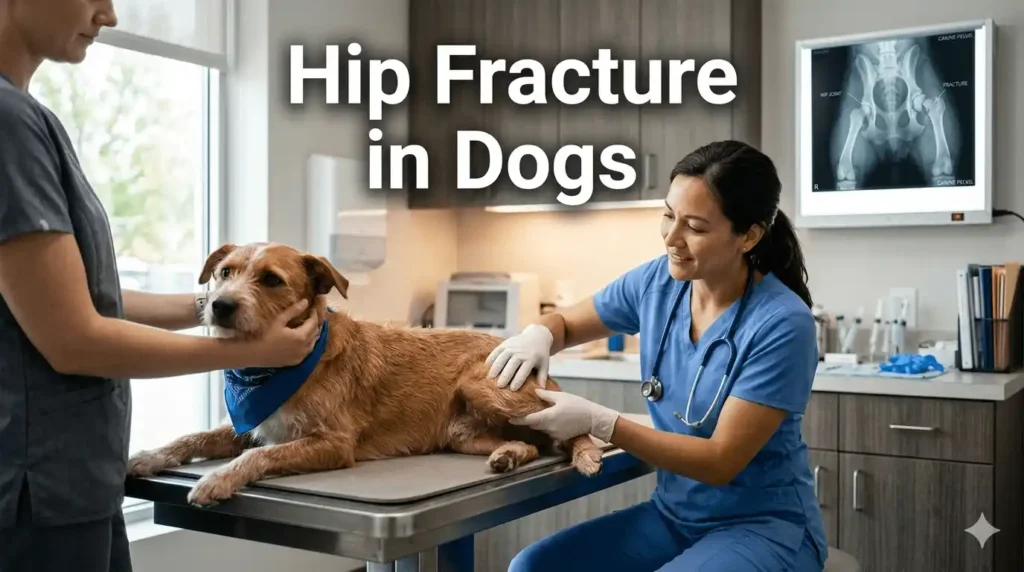
IntroductionA hip fracture in dogs is a serious orthopedic injury involving a break in the bones that form the canine hip joint. This condition commonly develops after trauma such as vehicle accidents, falls, or strong physical impact. Early recognition is critical because delayed treatment can worsen pain, mobility loss, and long-term joint damage. Dogs with hip fractures may suddenly refuse to walk, drag a rear leg, or show severe discomfort when touched near the hips. Fortunately, many dogs recover well with proper veterinary care, surgical treatment, rehabilitation, and controlled recovery management tailored to the severity of the fracture.
Quick Summary
- A hip fracture in dogs is a break or crack affecting the hip joint or nearby pelvic bones.
- Most canine hip fractures are caused by trauma, including road accidents and falls.
- Common signs include sudden lameness, severe pain, leg dragging, and inability to bear weight.
- Treatment may involve surgery, pain management, crate rest, and rehabilitation therapy.
- Recovery outcomes are often good when diagnosis and treatment happen early.
What Is a Hip Fracture in Dogs?
The canine hip functions as a ball-and-socket joint similar to the structure explained in this overview of the hip joint anatomy.
A hip fracture in dogs refers to a break in one or more bones associated with the hip joint. The canine hip consists of the femoral head, pelvis, and acetabulum, which together form a ball-and-socket joint responsible for rear-leg movement and weight support. A hip fracture differs from a hip dislocation. In a fracture, the bone itself cracks or breaks. In a dislocation, the bones remain intact but move out of their normal joint position.
Dogs with orthopedic injuries may also develop mobility-related complications similar to signs of luxating patella in dogs, especially when rear-leg instability affects normal walking patterns.
Common types of hip fractures include:
- Femoral head fractures — breaks in the top portion of the thigh bone
- Acetabular fractures — fractures affecting the hip socket
- Pelvic fractures — breaks involving the pelvic bones surrounding the hip area
Hip bone fractures in dogs are different from muscle strains or ligament injuries because fractures involve structural bone damage visible on radiographs.Dogs most at risk include:
- Active working and sporting breeds
- Small dogs prone to falls
- Senior dogs with weakened bone density
- Puppies and young dogs involved in trauma incidents
Common Causes of Hip Fractures in Dogs
Road traffic accidents are the leading cause of hip fractures in dogs. High-impact trauma places sudden force on the pelvis and femur, often causing severe orthopedic injury.
Senior dogs with obesity-related joint stress may fracture more easily, which is why learning how to tell if dog is overweight can help owners reduce orthopedic risks.
Other common causes include:
- Falls from furniture, balconies, or stairs
- Collisions during rough play or agility sports
- Attacks from larger animals
- Bone tumors weakening the skeletal structure
- Osteoporosis or age-related bone degeneration
Senior dogs may experience fractures more easily because aging reduces bone strength and muscle support around the hips.
Signs of Hip Fracture in Dogs
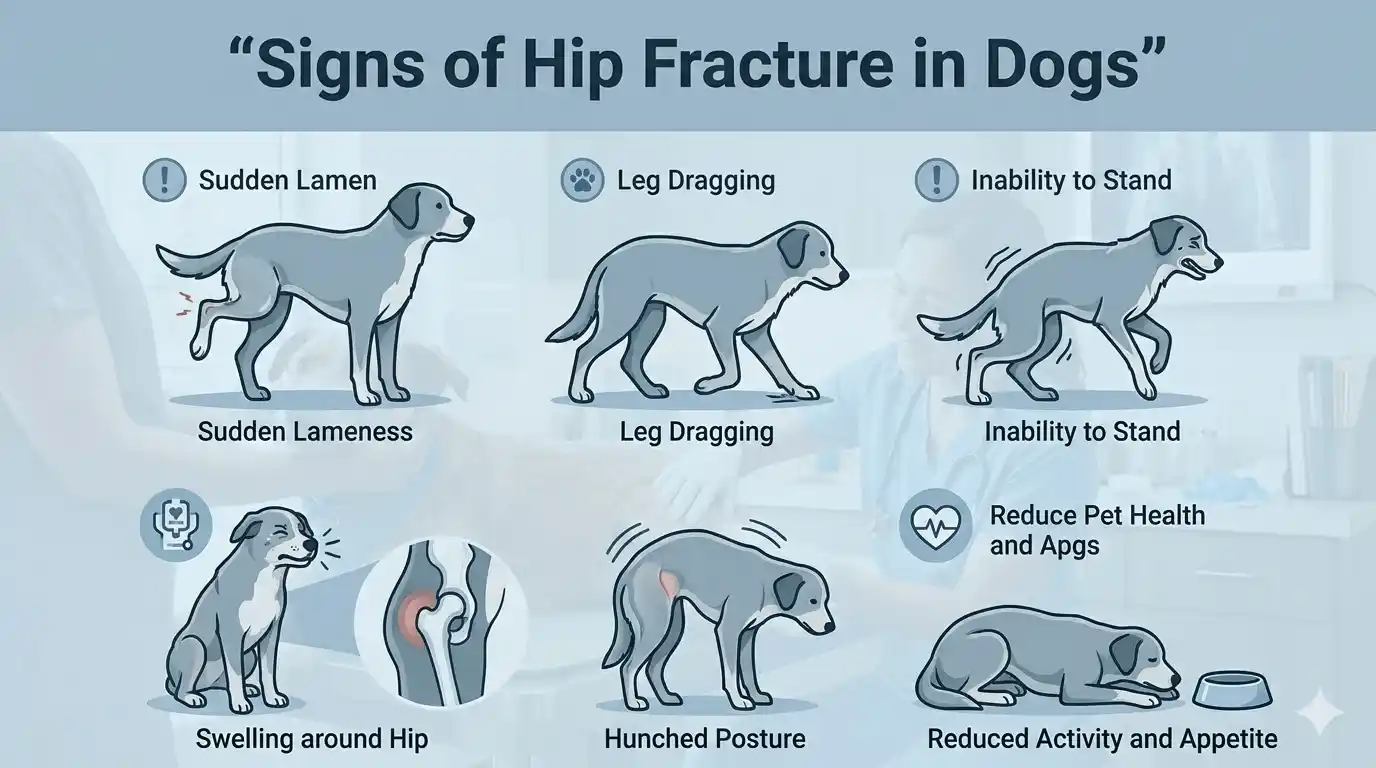 The signs of a hip fracture in dogs usually appear suddenly and are often severe.
Some dogs may also show broader discomfort symptoms such as lethargy and posture changes that overlap with signs of upset stomach in dogs, making veterinary diagnosis especially important after trauma.
Primary symptoms include:
- Sudden rear-leg lameness
- Refusal to stand or walk
- Dragging of the affected leg
- Severe pain when touched near the hip
- Swelling or bruising around the pelvis
- Crying, whimpering, or guarding behavior
Behavioral changes are also common, including:
- Reduced appetite
- Withdrawal from family interaction
- Reluctance to climb stairs
- Decreased activity levels
Postural changes may include:
- Hunched back
- Abnormal sitting position
- Uneven weight distribution
How to Tell If a Dog Has a Broken Hip vs. Hip Dysplasia
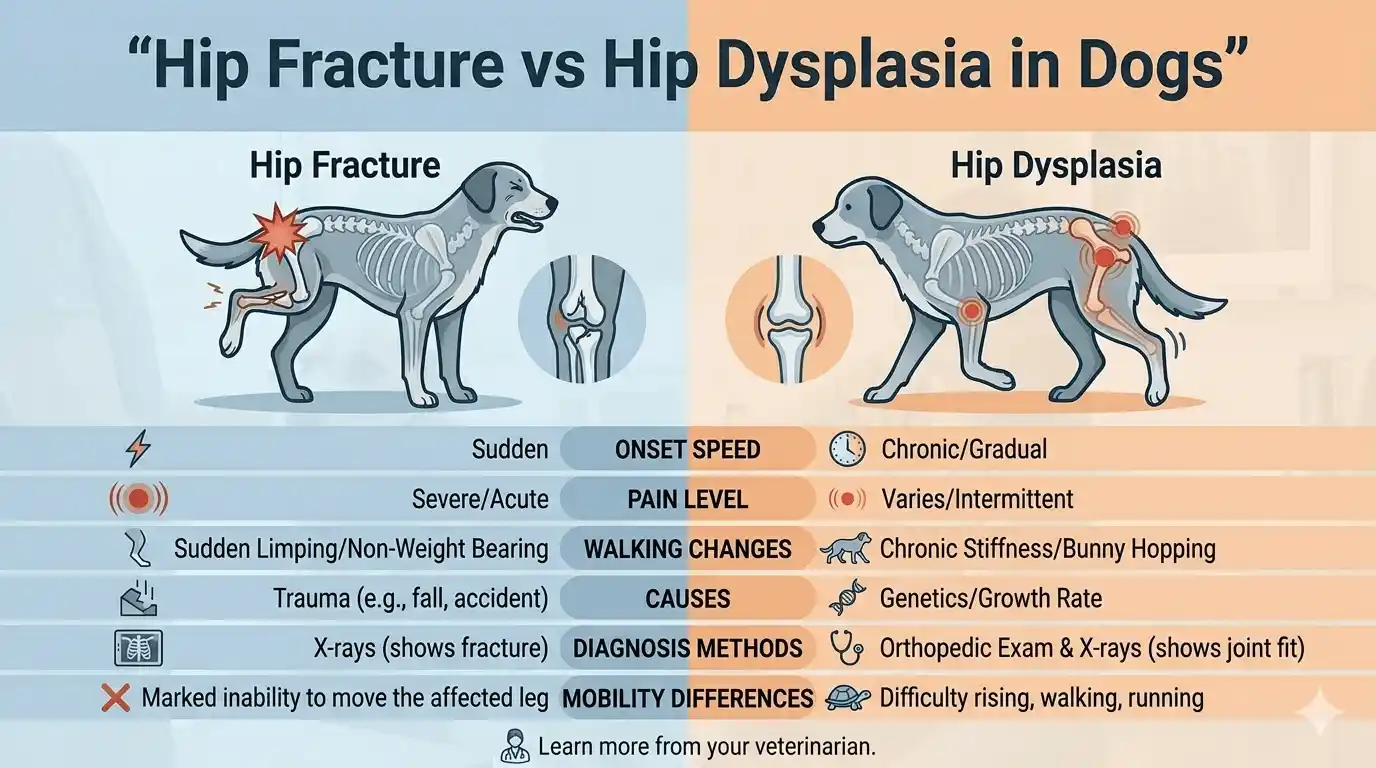 A broken hip develops suddenly after trauma, while hip dysplasia progresses gradually over time due to joint instability and degeneration.
Certain neurological or spinal problems, including conditions discussed in how to treat IVDD in dogs at home, can also cause sudden rear-leg weakness that may resemble orthopedic injury symptoms.
| Feature | Hip Fracture | Hip Dysplasia |
| Onset | Sudden | Gradual |
| Cause | Trauma or impact | Developmental joint disease |
| Pain Level | Severe and immediate | Mild to moderate initially |
| Mobility | Often unable to bear weight | Progressive stiffness |
| Diagnosis | X-rays after injury | Orthopedic exam and imaging |
| Typical Age | Any age | Often young large breeds |
Veterinary X-rays are essential for distinguishing fractures from chronic hip dysplasia.
How Is a Hip Fracture in Dogs Diagnosed?
Veterinarians diagnose hip fractures through physical examination and diagnostic imaging.During examination, veterinarians look for:
- Pain response around the pelvis
- Limb instability
- Abnormal leg positioning
- Swelling and bruising
X-rays are the primary diagnostic tool because they show:
- Fracture location
- Bone displacement
- Severity of joint involvement
In complex cases, advanced imaging such as CT scans may help evaluate pelvic fractures or surgical planning.Early diagnosis improves treatment success and reduces complications such as improper bone healing or chronic pain.
Hip Fracture Dog Treatment Options
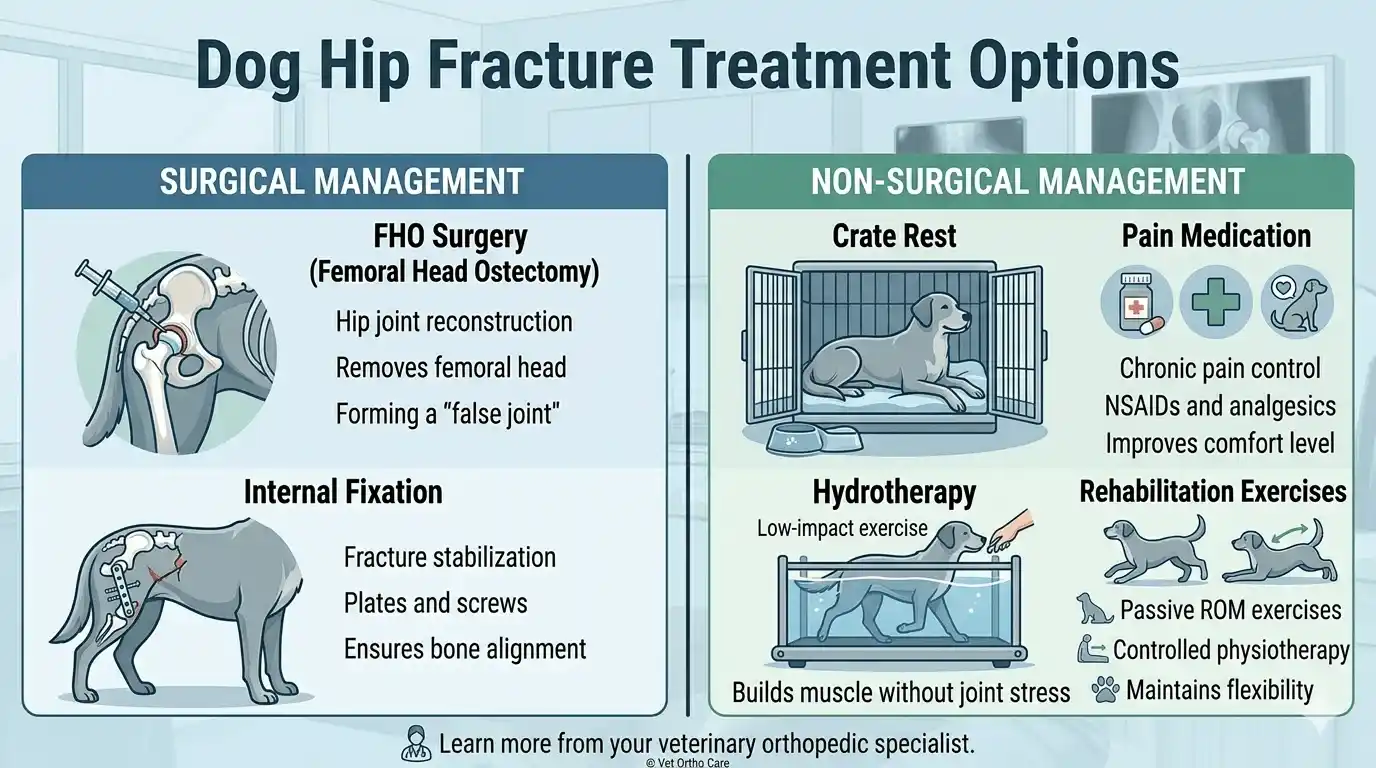 Treatment for hip fractures depends on:
- Fracture severity
- Bone displacement
- Dog size and age
- Overall health condition
- Activity level
The two primary treatment pathways are:
- Surgical treatment
- Conservative non-surgical management
Veterinary orthopedic specialists often guide treatment decisions for complicated fractures.
In severe orthopedic cases, veterinarians may recommend advanced procedures similar to what is a FHO surgery for dogs, particularly when joint preservation is no longer possible.
Surgical Treatment — FHO Surgery and Other Options
FHO surgery, or Femoral Head and Neck Ostectomy, removes the damaged ball portion of the hip joint to eliminate painful bone-on-bone contact.FHO surgery is commonly recommended for:
- Small to medium-sized dogs
- Severe femoral head fractures
- Cases unsuitable for total hip replacement
Other surgical options include:
- Internal fixation — metal plates and screws stabilize the fracture
- Pinning techniques — surgical pins hold broken bones in place
- Total hip replacement — artificial joint replacement in severe cases
These procedures aim to restore mobility and stabilize the hip joint.
Pros and Cons of FHO Surgery in Dogs
| Advantages | Disadvantages | Best Candidate Profile |
| Eliminates bone pain | Recovery can be lengthy | Small and medium dogs |
| Lower cost than total hip replacement | Muscle atrophy risk | Dogs under 50 pounds |
| Good long-term mobility | Temporary limping possible | Active dogs with severe pain |
| No implant rejection risk | Less ideal for giant breeds | Dogs unsuitable for implants |
Dog Broken Hip Treatment Without Surgery
Some dogs can recover without surgery if the fracture is stable and minimally displaced.Conservative treatment may include:
- Strict crate rest
- Anti-inflammatory medications
- Pain management
- Controlled leash walks
- Physical therapy and hydrotherapy
A dog’s broken hip may heal on its own in limited cases, but improper healing can lead to chronic pain and reduced mobility. Severe fractures generally require surgery for the best outcome.
Dog Broken Hip Surgery Cost
The cost of hip fracture treatment varies significantly depending on the procedure and location.
| Treatment Type | Average Cost Range | Recovery Time | Best For |
| Conservative Management | $300–$1,000 | 6–12 weeks | Minor stable fractures |
| FHO Surgery | $1,500–$4,500 | 8–12 weeks | Small to medium dogs |
| Internal Fixation Surgery | $2,000–$6,000 | 10–16 weeks | Complex fractures |
| Total Hip Replacement | $3,500–$8,000+ | 12–16 weeks | Severe joint damage |
Factors affecting cost include:
- Geographic location
- Specialist surgical fees
- Hospitalization duration
- Dog size and anesthesia needs
- Post-operative rehabilitation
Pet insurance may partially cover fracture treatment depending on the policy.
Hip Fracture in Dogs Recovery Time
Most dogs recover from hip fractures within 8 to 16 weeks, depending on treatment type and fracture severity.
Recovery progresses more smoothly in dogs with strong overall health and fewer underlying dog health problems that could interfere with healing and rehabilitation.
Factors influencing recovery include:
- Age
- Weight
- Overall health
- Surgical success
- Rehabilitation consistency
Young healthy dogs often recover faster than senior dogs with underlying joint disease.
FHO Surgery Dog Recovery Week by Week
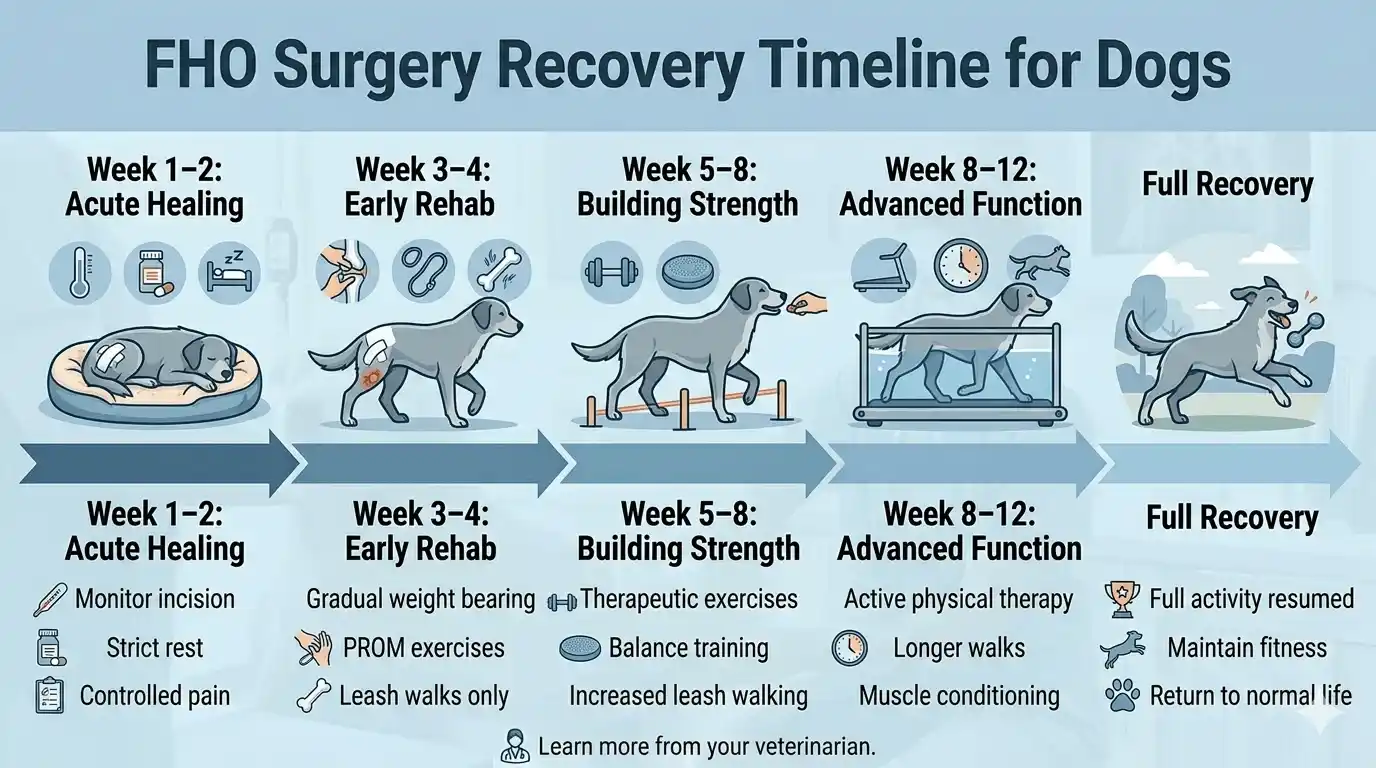
Week 1–2
- Strict rest and pain management
- Limited movement
- Incision monitoring
Week 3–4
- Controlled movement begins
- Gentle physiotherapy introduced
- Muscle stiffness reduction
Week 5–8
- Gradual increase in activity
- Muscle rebuilding develops
- Improved weight-bearing ability
Week 8–12
- Near-normal walking returns in many dogs
- Increased confidence and mobility
- Continued strengthening exercises
Week 12+
- Long-term mobility assessment
- Monitoring for arthritis or compensatory strain
Can a Dog Survive a Broken Hip?
Yes, most dogs survive a broken hip and can regain a good quality of life with proper veterinary treatment.Survival rates are high because hip fractures are typically orthopedic rather than life-threatening injuries. Long-term mobility outcomes are often excellent when treatment occurs quickly and rehabilitation is followed carefully.
Cat Hip Fracture Treatment — A Brief Comparison
Cat hip fractures share similarities with canine fractures but differ in healing patterns and mobility behavior.Cats often tolerate conservative management better because they are lighter and place less stress on injured hips.
| Feature | Dogs | Cats |
| Common Treatment | Surgery frequently needed | Conservative care more common |
| Recovery Speed | Moderate | Often faster |
| Weight Stress on Hip | Higher | Lower |
| FHO Success Rate | High | Very high |
| Crate Rest Importance | Critical | Important but sometimes shorter |
Cat hip fracture treatment without surgery may work in carefully selected cases involving stable fractures.
At-Home Care During Hip Fracture Recovery in Dogs
Proper home care greatly improves healing outcomes.
Owners should also prevent unnecessary movement and household destruction during recovery by understanding how to stop a dog from chewing everything while confined indoors.
Important recovery steps include:
- Create a quiet recovery area
- Use non-slip flooring
- Restrict jumping and stairs
- Provide supportive bedding
- Maintain hydration and nutrition
After surgery, monitor for:
- Redness around the incision
- Swelling or discharge
- Fever or lethargy
- Sudden worsening pain
Owners should follow all veterinary medication instructions carefully.
Common Mistakes Dog Owners Make After a Hip Fracture
Several common mistakes can delay recovery.These include:
- Allowing exercise too early
- Skipping follow-up appointments
- Inconsistent medication use
- Ignoring mild limping during recovery
- Assuming the fracture will heal without veterinary care
Pain in dogs is often subtle, so reduced activity or irritability should not be dismissed as behavioral problems.
Physical Therapy and Rehabilitation for Dogs After Hip Fracture
Canine rehabilitation helps restore muscle strength, flexibility, and coordination after hip injuries.Common rehabilitation methods include:
- Hydrotherapy
- Underwater treadmill exercises
- Passive range-of-motion therapy
- Controlled walking programs
- Balance and strengthening exercises
Hydrotherapy is especially helpful because water reduces joint pressure while allowing muscle activity.A certified canine rehabilitation therapist may assist dogs recovering from complex fractures or surgery.
Long-Term Outlook and Prevention
Most dogs can return to comfortable daily activity after recovery from a hip fracture.Long-term management focuses on:
- Healthy body weight maintenance
- Regular veterinary checkups
- Joint-supportive nutrition
- Safe home environments
- Controlled exercise routines
Preventive measures include:
- Using ramps for senior dogs
- Avoiding slippery surfaces
- Supervising high-risk play activities
- Keeping dogs leashed near traffic areas
Bone and joint supplements may help support aging dogs after orthopedic injury.
Conclusion
A hip fracture in dogs is a painful orthopedic injury, but it is highly manageable with timely veterinary care and proper rehabilitation. Early diagnosis, accurate imaging, and individualized treatment planning are essential for restoring mobility and reducing long-term complications. Some dogs recover with conservative management, while others benefit most from FHO surgery or fracture repair procedures. Recovery success depends heavily on post-treatment care, physical therapy, and activity restriction during healing. If you suspect a hip fracture in dogs, immediate veterinary attention gives the best chance for a safe recovery and a return to normal quality of life.
FAQs
What are the signs of a hip fracture in dogs?
Common signs include sudden lameness, inability to bear weight, severe hip pain, leg dragging, swelling, and reluctance to stand or walk.
Can a dog’s broken hip heal on its own without surgery?
Some stable fractures may heal with strict rest and pain management, but severe or displaced fractures usually require surgery for proper healing.
How long does it take for a dog’s broken hip to heal?
Recovery typically takes 8 to 16 weeks depending on fracture severity, treatment type, and the dog’s age and health.
What is FHO surgery and is it the best option for a dog with a broken hip?
FHO surgery removes the damaged hip joint ball to relieve pain. It is often an effective option for small and medium-sized dogs with severe hip fractures.
How much does dog broken hip surgery cost?
Costs range from about $1,500 to over $8,000 depending on the surgical procedure, location, and complexity of the fracture.
Can a dog survive a broken hip and live a normal life?
Yes. Most dogs recover well and regain good mobility when treated promptly and rehabilitated properly.
How is a hip fracture in dogs different from hip dysplasia?
Hip fractures occur suddenly due to trauma, while hip dysplasia develops gradually from abnormal joint formation and degeneration over time.