
IntroductionChoosing the right
Anaheim pet hospital affects how quickly your pet gets care, how much you pay, and how well your veterinary team communicates with you over time. Pet hospitals differ from general clinics in the scope of services offered, including diagnostics, surgery, and emergency treatment. Understanding these differences before you need care helps you make a confident, informed decision for your pet’s long-term health.
Quick Summary
- A pet hospital typically offers a broader range of services than a standard veterinary clinic, including surgery, diagnostics, and emergency care.
- Cost varies based on services included, staffing, and whether a practice offers payment plans or sliding-scale pricing.
- Pet hospitals provide medical care, while pet boarding and pet hotels provide temporary, non-medical housing.
- Location, hours, and communication style matter as much as reputation when selecting a provider.
- Knowing warning signs for emergency care in advance reduces delays during a crisis.
What Is a Pet Hospital? (Vet Clinic vs. Animal Hospital)
If you’re specifically comparing local providers, our guide to Anaheim Animal Care covers additional facility-specific details.A pet hospital is a veterinary facility equipped to handle diagnostics, surgery, and often emergency or urgent cases, distinguishing it from a basic wellness-focused clinic. The terms “pet hospital,” “animal hospital,” and “veterinary clinic” are frequently used interchangeably in casual searches, but their actual service scope can differ meaningfully.A veterinary clinic often focuses on preventive and routine care: vaccinations, wellness exams, and minor treatments. An animal hospital, by contrast, is generally equipped with in-house diagnostic equipment such as X-ray or ultrasound, surgical suites, and sometimes overnight monitoring capability. Not every facility labeled a “hospital” offers 24-hour emergency services, so it’s worth confirming this directly with any provider.This distinction generally follows standards set within the broader field of veterinary medicine, which governs diagnosis, treatment, and preventive care for animals.
Services Typically Offered
- Preventive care, including vaccines and annual wellness exams
- Diagnostic testing (bloodwork, imaging, urinalysis)
- Surgical procedures, from spay/neuter to more complex operations
- Dental cleanings and oral health assessments
- Emergency or urgent care, where available
Core Services to Expect at an Anaheim Animal Hospital
Dental care is a core part of preventive treatment; our guide on how often dogs should get their teeth cleaned explains recommended intervals in more detail.Most full-service animal hospitals provide a consistent core set of services regardless of location, though availability of specialty or emergency care can vary by practice. Understanding what’s included in a standard visit helps set realistic expectations for cost and scheduling.Cats require similar dental monitoring — see what healthy cat teeth look like versus unhealthy teeth to catch problems early.Wellness exams form the foundation of preventive veterinary care and are typically recommended annually for healthy adult pets, with more frequent visits for puppies, kittens, and senior animals. Vaccination schedules follow guidelines established by veterinary medical associations and are adjusted based on a pet’s age, lifestyle, and regional disease risk. Dental care is often underprioritized by owners but is directly linked to a pet’s overall systemic health, since untreated periodontal disease can contribute to issues affecting the heart, kidneys, and liver.
| Service | Purpose | Typical Frequency |
| Wellness exam | Early illness detection | Annual (more often for puppies/kittens/seniors) |
| Vaccinations | Disease prevention | Based on vet-recommended schedule |
| Dental cleaning | Prevent periodontal disease | 1–2 times per year, as recommended |
| Diagnostic imaging | Identify internal issues | As clinically indicated |
| Emergency care | Trauma or acute illness | As needed |
How to Evaluate Cost and Affordability
 Veterinary costs vary based on the complexity of services, equipment used, and staffing model, so understanding what drives price differences helps owners compare providers accurately. Searches for an “affordable animal hospital” or “low-cost vet” reflect a common concern, but affordability should be evaluated alongside service quality rather than price alone.Lower-cost clinics may operate on a high-volume model, focus on core preventive services, or receive support through nonprofit or community funding. This doesn’t necessarily indicate lower quality of care, but it may mean a narrower scope of in-house services, with referrals to specialty hospitals for complex cases. A common mistake among pet owners is selecting a provider based solely on the lowest visible price, without asking what is and isn’t included in that quoted cost.
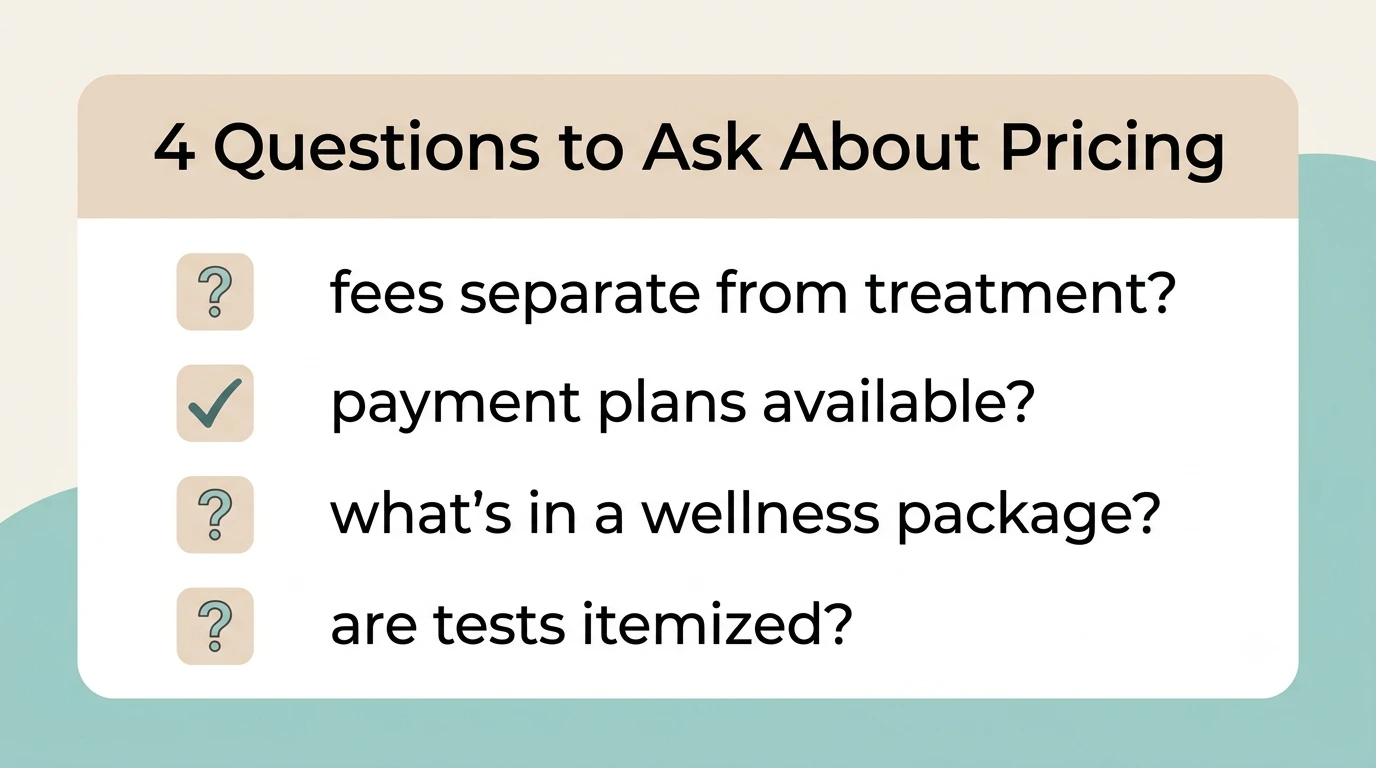
Questions to Ask About Pricing
- Are exam fees charged separately from treatment or procedure costs?
- Does the practice offer payment plans or accept third-party financing such as CareCredit?
- What is included in a “wellness package,” and what costs extra?
- Are diagnostic tests itemized, or bundled into a flat fee?
Pet Hospital vs. Pet Boarding/Pet Hotel — What’s the Difference?
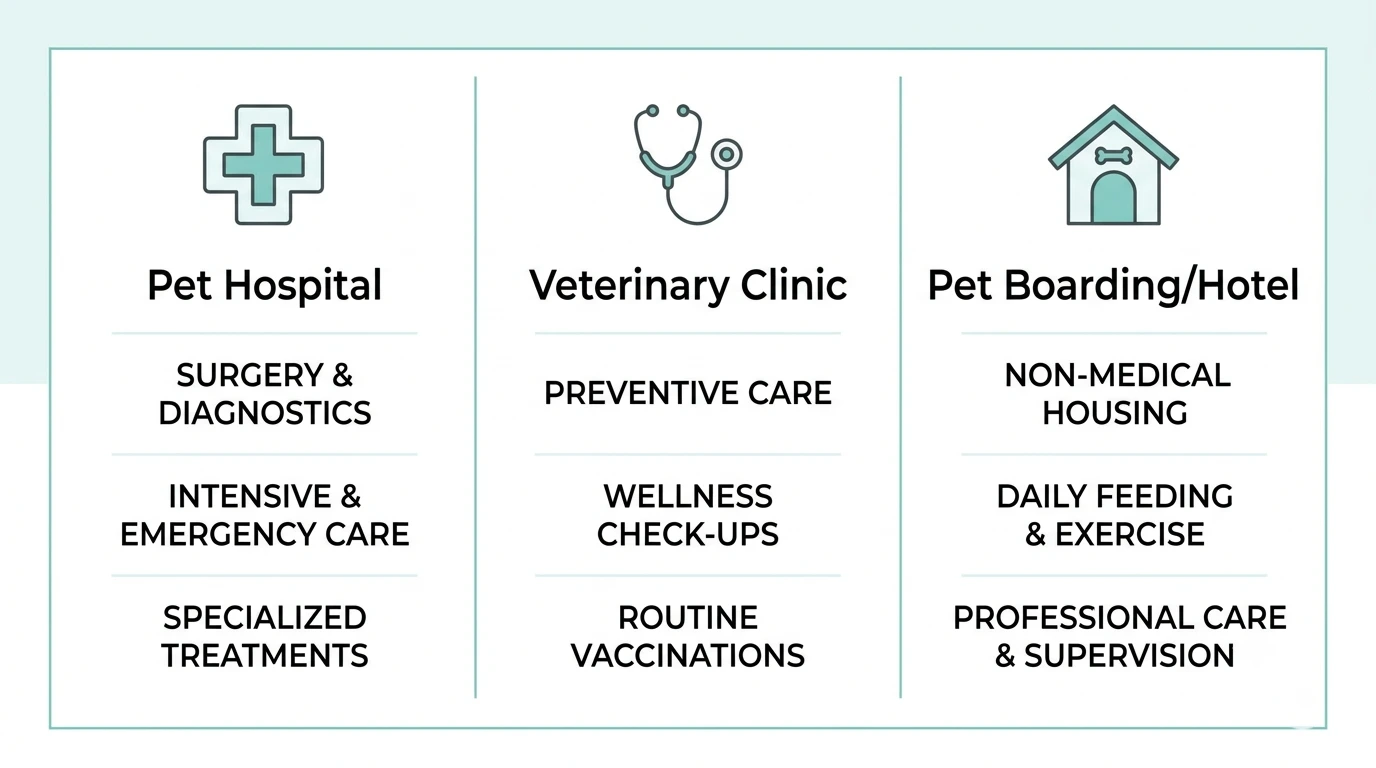 A pet hospital provides medical diagnosis and treatment, while a pet boarding facility or pet hotel provides temporary, non-medical housing and supervision while an owner is away. These are frequently confused in search behavior but serve entirely different purposes.Boarding facilities and pet hotels are staffed by pet care attendants rather than licensed veterinary professionals, and their role is centered on feeding, exercise, and general supervision rather than diagnosis or treatment. Some boarding facilities operate near or in partnership with veterinary hospitals for convenience, but this doesn’t mean medical oversight is automatically included unless specifically arranged.
| Feature | Pet Hospital | Pet Boarding/Hotel |
| Medical care | Yes, provided by licensed veterinarians | Limited or none |
| Primary purpose | Diagnosis, treatment, and preventive care | Temporary housing during owner absence |
| Staffing | Veterinarians and veterinary technicians | Pet care attendants |
| Typical stay | As needed for treatment | Days to weeks, scheduled in advance |
Location and Accessibility Considerations
Proximity to a pet hospital matters most in emergency situations, where minutes can affect treatment outcomes for conditions like bloat, poisoning, or trauma. Beyond distance, accessibility also includes clinic hours, parking availability, and whether the practice offers same-day appointments for urgent but non-emergency issues.Owners in different parts of a city, such as central Anaheim versus the Anaheim Hills area, may find that drive time and traffic patterns affect how quickly they can reach a provider during business hours versus after hours. It’s worth identifying both a primary daytime provider and, separately, the nearest facility offering after-hours or emergency care, since not all hospitals provide 24-hour coverage.
How to Read Reviews and Choose a Provider
Reviews are most useful when they reflect patterns across many visits rather than a single isolated experience, and when they address specific factors like communication, wait times, and follow-up care. A high star rating alone doesn’t indicate whether a practice is a good fit for a particular pet’s needs.When reading reviews, look for repeated mentions of how staff communicate diagnoses and treatment options, whether costs were clearly explained in advance, and how the practice handles follow-up questions after a visit. Many pet owners note that responsiveness during non-emergency questions is a strong indicator of overall care quality, since it reflects how a practice will likely communicate during a more stressful situation.
Common Owner Mistakes When Choosing a Pet Hospital
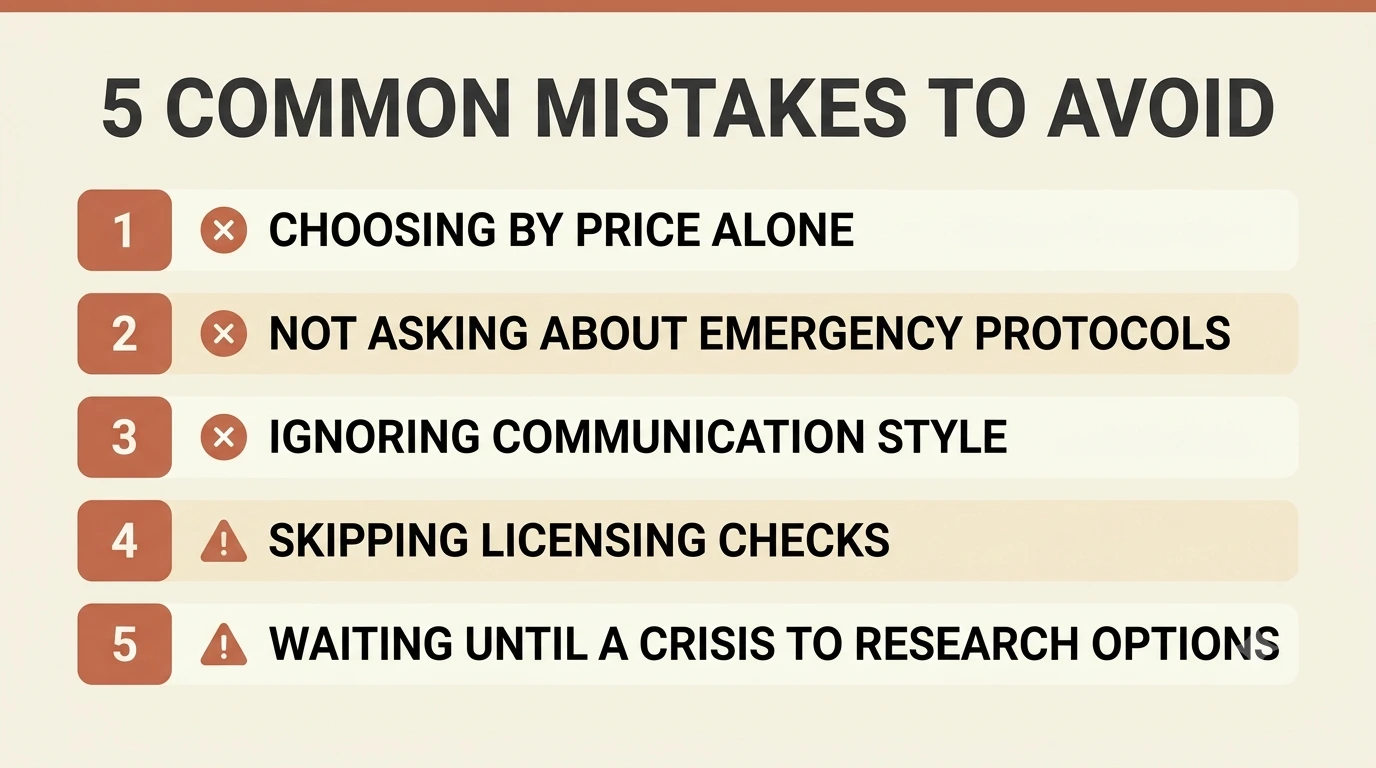 Several avoidable mistakes commonly affect pet owners during the provider-selection process, often leading to mismatched expectations or delayed care.
- Choosing based on price alone, without confirming what services are included
- Not asking about emergency protocols before an emergency actually occurs
- Ignoring communication style, which affects long-term comfort and trust
- Failing to verify licensing or accreditation of veterinary staff and the facility
- Waiting until a crisis to research nearby emergency or after-hours options
Addressing these factors in advance, rather than during an urgent situation, generally leads to better decision-making and outcomes.
Warning Signs Your Pet Needs Immediate Veterinary Care
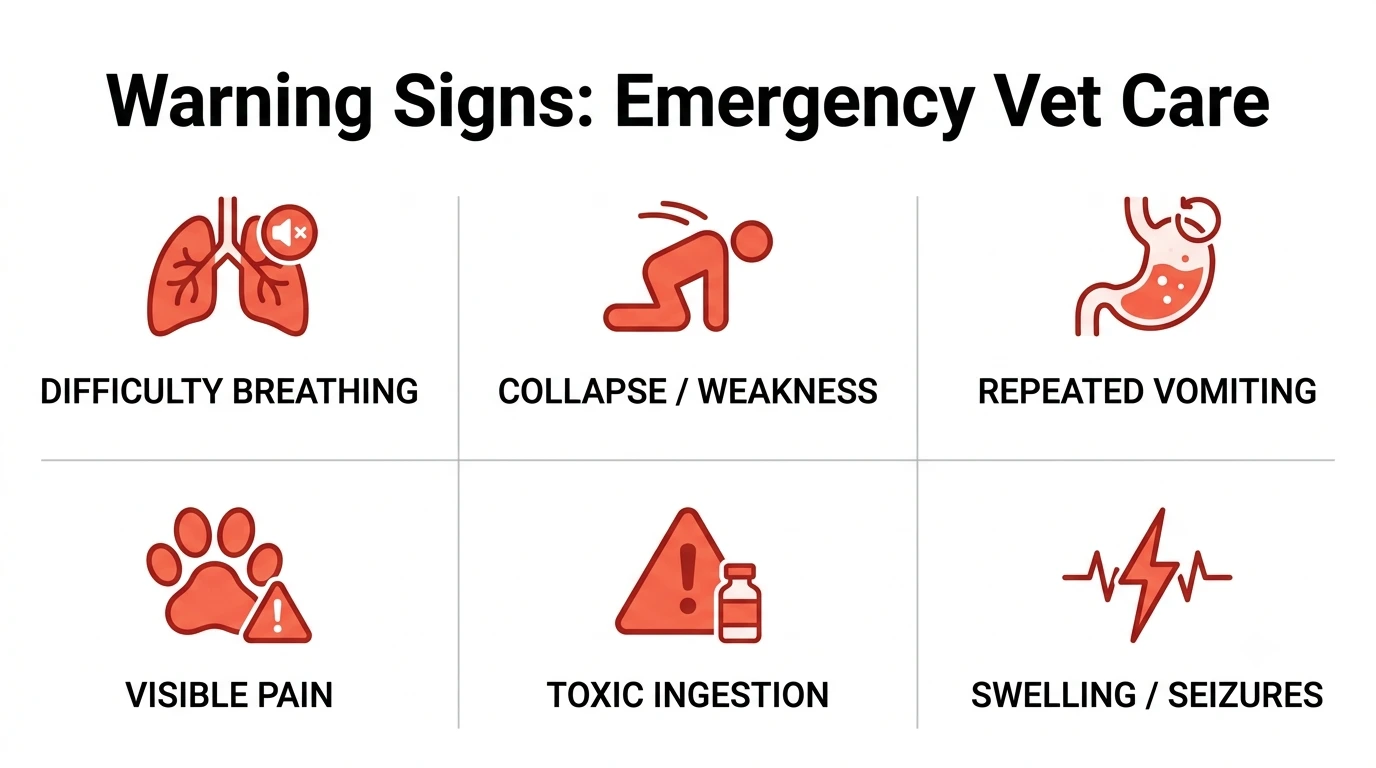 Recognizing emergency symptoms early can be the difference between routine treatment and a life-threatening outcome. Pets that show sudden, severe, or rapidly worsening symptoms should be seen immediately rather than waiting for a scheduled appointment.For example, sudden respiratory distress can be a sign of a serious underlying issue — learn more about why your dog may be panting while resting and when it warrants urgent care.Signs that typically warrant urgent or emergency veterinary attention include:
- Difficulty breathing or persistent coughing/gagging
- Sudden collapse, weakness, or loss of consciousness
- Repeated vomiting or diarrhea, especially with blood present
- Visible signs of pain, such as whimpering, hiding, or reluctance to move
- Suspected ingestion of a toxic substance
- Significant swelling, especially of the face or abdomen
- Seizures
Non-urgent symptoms, such as mild lethargy, minor scratches, or slight changes in appetite, can typically be evaluated during a standard scheduled visit rather than requiring emergency care.Repeated vomiting can also point to digestive issues — see our overview of signs of an upset stomach in dogs for more context.
Preparing for Your First Visit
If you’re bringing a senior pet, it’s worth reviewing what a senior dog wellness profile typically includes so you know what to expect.Arriving prepared for a first visit helps the veterinary team gather an accurate history and reduces the time needed for initial assessment. Owners should bring any prior medical records, a list of current medications or supplements, and a written summary of specific concerns or symptoms observed at home.It’s also useful to prepare questions in advance regarding vaccination schedules, preventive care recommendations, and what to expect from routine costs going forward. Many first-time visits also include a general behavioral assessment, so noting any behavioral changes—such as increased anxiety, aggression, or changes in eating habits—can help the veterinary team form a more complete picture of your pet’s health.Cat owners should also ask about age-specific screening, since senior cats often need adjusted care plans.
Conclusion
Selecting the right
pet hospital in Anaheim comes down to matching a facility’s services, cost structure, and accessibility to your pet’s specific needs. Understanding the distinction between a veterinary hospital and boarding services, knowing what questions to ask about pricing, and recognizing emergency warning signs in advance all contribute to better, faster decision-making when your pet needs care. Taking time to evaluate these factors before an emergency arises helps ensure your pet receives timely, appropriate treatment when it matters most.
For a broader look at symptoms and conditions that may require veterinary attention, see our complete guide to dog health problems.
FAQ
- What’s the difference between a pet hospital and a veterinary clinic?
A pet hospital typically offers a broader range of services, including surgery, diagnostics, and sometimes emergency care, while a standard veterinary clinic often focuses on preventive and routine wellness care. - How much does a routine vet visit typically cost?
Costs vary by location, services included, and whether diagnostic testing is performed, so it’s best to ask for an itemized estimate before your appointment to understand what’s covered. - What should I do if my pet needs emergency care outside business hours?
Identify a nearby facility that offers 24-hour or after-hours emergency services in advance, since not all pet hospitals provide overnight or weekend emergency coverage. - How often should my pet see a vet for wellness exams?
Healthy adult pets are generally recommended to have an annual wellness exam, while puppies, kittens, and senior pets often benefit from more frequent visits. - What’s the difference between pet boarding and a pet hospital?
Pet boarding provides temporary, non-medical housing and supervision, while a pet hospital provides diagnosis, treatment, and medical care from licensed veterinary professionals. - How do I know if a low-cost vet clinic still provides quality care?
Ask what services are included in the listed price, whether diagnostic equipment is available on-site, and how the clinic handles referrals for cases beyond its scope, rather than judging quality by price alone.