
IntroductionCats get pneumonia when bacteria, viruses, fungi, or parasites infect the lungs, or when food, liquid, or vomit is inhaled into the airways. Pneumonia is inflammation of the lung tissue that impairs normal breathing. It often develops as a complication of an untreated upper respiratory infection, particularly in kittens, senior cats, or cats with weakened immune systems.
Quick Summary
- Cats typically develop pneumonia from bacterial or viral respiratory infections, aspiration of food or vomit, fungal exposure, or lung parasites.
- Common signs include coughing, rapid or labored breathing, lethargy, fever, and nasal discharge.
- Kittens, senior cats, and immunocompromised cats face the highest risk.
- Diagnosis requires veterinary imaging and bloodwork; treatment depends on the underlying cause.
- Pneumonia is not safely managed with home remedies alone — veterinary care is essential.
What Is Pneumonia in Cats?
Pneumonia in cats (Felis catus) is inflammation or infection of the lung tissue and lower airways that interferes with normal oxygen exchange. It differs from a general upper respiratory infection, which mainly affects the nose, throat, and sinuses. A “cat lung infection” is another common term for the same condition, referring specifically to involvement of the lower respiratory tract rather than the upper airways.
Pneumonia is inflammation of the lung tissue, medically defined as an infection that inflames the air sacs in the lungs, which can occur in humans and animals alike.
Pneumonia can be acute, developing suddenly over a day or two, or it can follow a more gradual, chronic course, particularly in cases involving fungal organisms or recurring aspiration.
How Do Cats Get Pneumonia? (Core Causes)
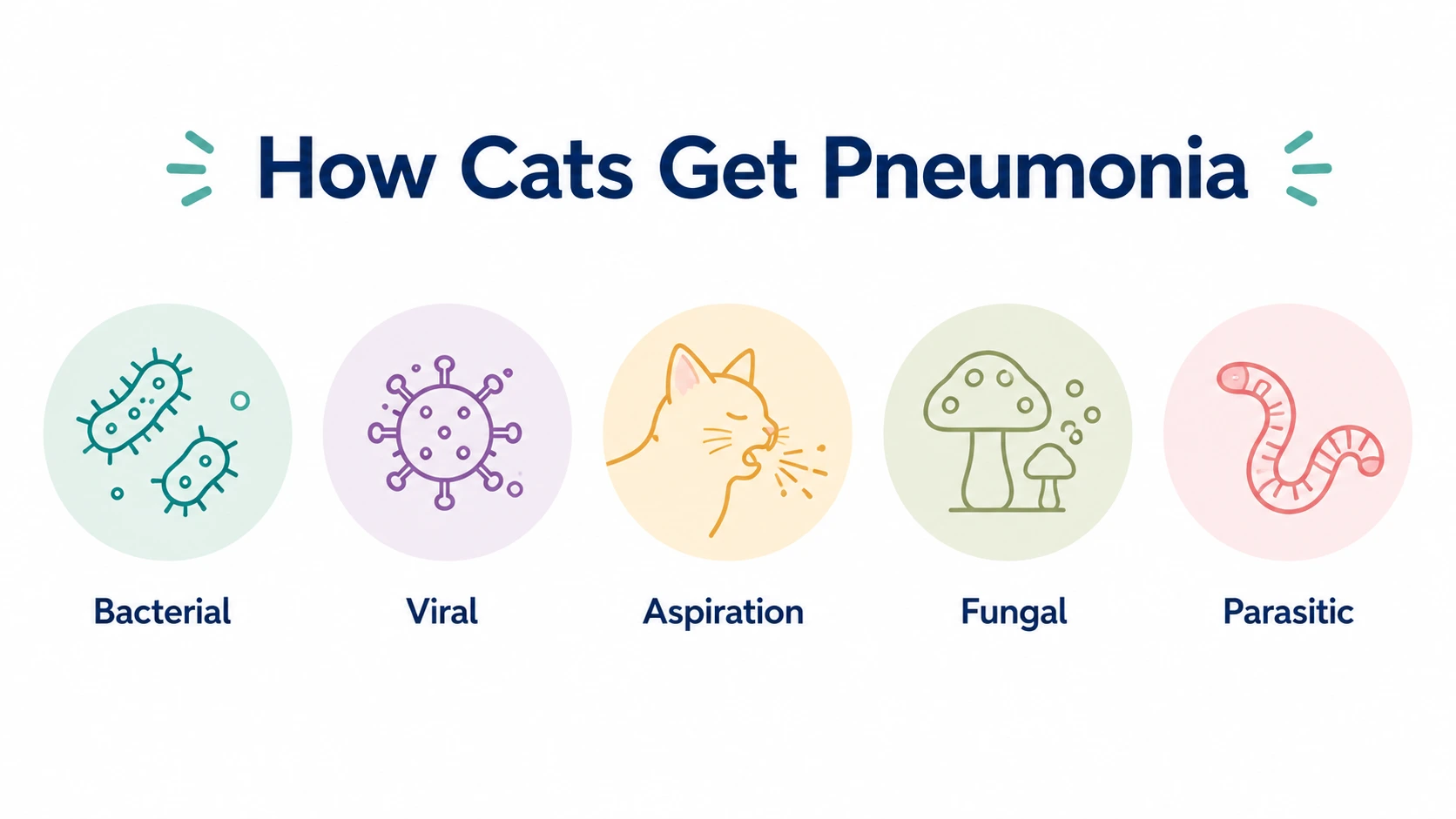 Cats get pneumonia through several distinct pathways, and identifying the underlying cause determines the correct treatment approach.
Bacterial Infections
Bacterial pneumonia frequently develops as a secondary complication of an existing viral upper respiratory infection. Organisms such as Bordetella bronchiseptica and Pasteurella multocida can take advantage of already-inflamed airways to establish a deeper lung infection.
Kittens are especially vulnerable to viral progression, which is also why kittens are prone to eye infections during the same early immune-development window
Viral Infections
Feline herpesvirus and feline calicivirus are common causes of upper respiratory disease in cats. In cats with weak immune defenses, particularly kittens or unvaccinated cats, these viral infections can progress downward into the lungs and cause viral pneumonia.
Aspiration Pneumonia
Aspiration pneumonia occurs when a cat inhales food, liquid, or vomit into the lungs rather than swallowing it normally. This is more common in cats recovering from anesthesia, cats with vomiting disorders, or cats that are force-fed incorrectly.
Fungal Pneumonia
Fungal organisms such as Cryptococcus and Blastomyces live in soil and bird droppings and can be inhaled during outdoor exposure. Fungal pneumonia tends to develop more gradually than bacterial or viral forms and is more common in cats with outdoor access.
Parasitic Causes
Lungworms and migrating parasite larvae can settle in lung tissue and airways, triggering inflammation and secondary infection. This cause is less common but should be ruled out in cats with chronic respiratory symptoms.
Can Cats Catch Pneumonia From Humans or Other Cats?
Cats cannot catch pneumonia directly from human respiratory pathogens, since most human pneumonia-causing organisms do not infect cats. However, cats can transmit feline-specific viruses like herpesvirus and calicivirus to each other, and these infections can progress into pneumonia in susceptible cats, especially in multi-cat households or shelters.Risk factors for feline pneumonia include:
- Young kittens with immature immune systems
- Senior cats with reduced immune function
- Cats with pre-existing respiratory disease
- Recent anesthesia or surgery
- Living in multi-cat environments
- Underlying immunosuppressive conditions
Senior cats face compounding health risks during illness, which is covered further in our guide on caring for senior cats.
Feline Pneumonia Symptoms
This symptom overlaps with other feline respiratory issues — for example, why cats sneeze and have watery eyes is a related concern owners often confuse with early pneumonia.
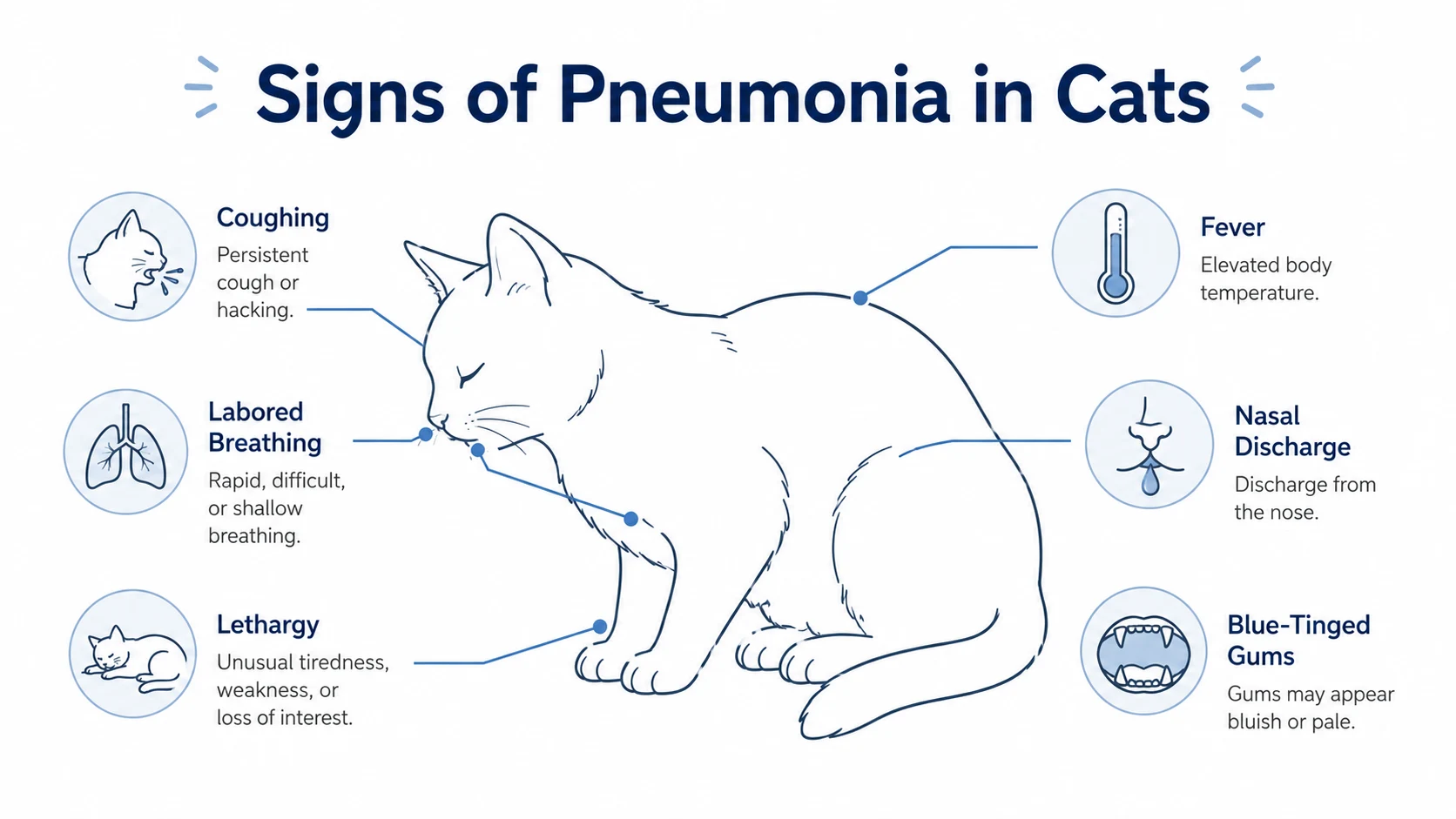
Feline pneumonia symptoms typically include coughing, rapid or labored breathing, lethargy, fever, and nasal or ocular discharge. Symptoms can develop quickly in bacterial and viral cases, while fungal pneumonia symptoms often build up more slowly over days or weeks.
Common signs of pneumonia in cats:
- Persistent coughing
- Rapid, shallow, or labored breathing
- Open-mouth breathing (an emergency sign in cats)
- Lethargy and reduced appetite
- Fever
- Nasal or ocular discharge
- Wheezing or crackling sounds when breathing
- Blue-tinged gums or tongue (cyanosis), indicating a medical emergency
When Symptoms Signal an Emergency
If your cat is struggling to breathe, it’s worth reading about what to do when a cat is having a hard time breathing for immediate guidance.
Open-mouth breathing, blue-tinged gums, or extreme lethargy in a cat are emergency warning signs that require immediate veterinary attention, since they indicate the cat may not be getting enough oxygen.
How Veterinarians Diagnose Pneumonia in Cats
Veterinarians diagnose pneumonia in cats through a combination of physical examination, chest X-rays, and bloodwork. Chest X-rays reveal characteristic patterns of lung inflammation, while bloodwork helps identify infection markers and rule out other conditions.In cases where the cause is unclear, veterinarians may also recommend airway culture and sensitivity testing to identify the specific bacteria involved, or bronchoscopy to directly examine the airways. Current veterinary recommendations emphasize early imaging in any cat showing persistent respiratory signs, since early diagnosis significantly improves treatment outcomes.
Respiratory diagnostics often overlap with other conditions, such as when vets rule out giardia in cats as a contributing factor in cats with combined GI and respiratory symptoms.
Pneumonia in Cats: Treatment
Treatment for pneumonia in cats depends on the underlying cause. Bacterial pneumonia is treated with antibiotics, viral pneumonia with supportive care, fungal pneumonia with antifungal medication, and parasitic pneumonia with antiparasitic drugs. Severe cases may require hospitalization, oxygen therapy, and IV fluids.
Pneumonia in Cats Home Treatment — What’s Actually Safe
Pneumonia in cats cannot be safely or fully treated at home without a veterinary diagnosis, since the correct medication depends entirely on the underlying cause. Supportive at-home care can include keeping the cat warm, encouraging hydration, ensuring a stress-free rest environment, and administering any medications prescribed by a veterinarian exactly as directed. A common mistake many owners make is attempting to manage coughing or breathing difficulty with over-the-counter remedies, which does not address the underlying infection and can delay necessary treatment.
Pneumonia Causes at a Glance
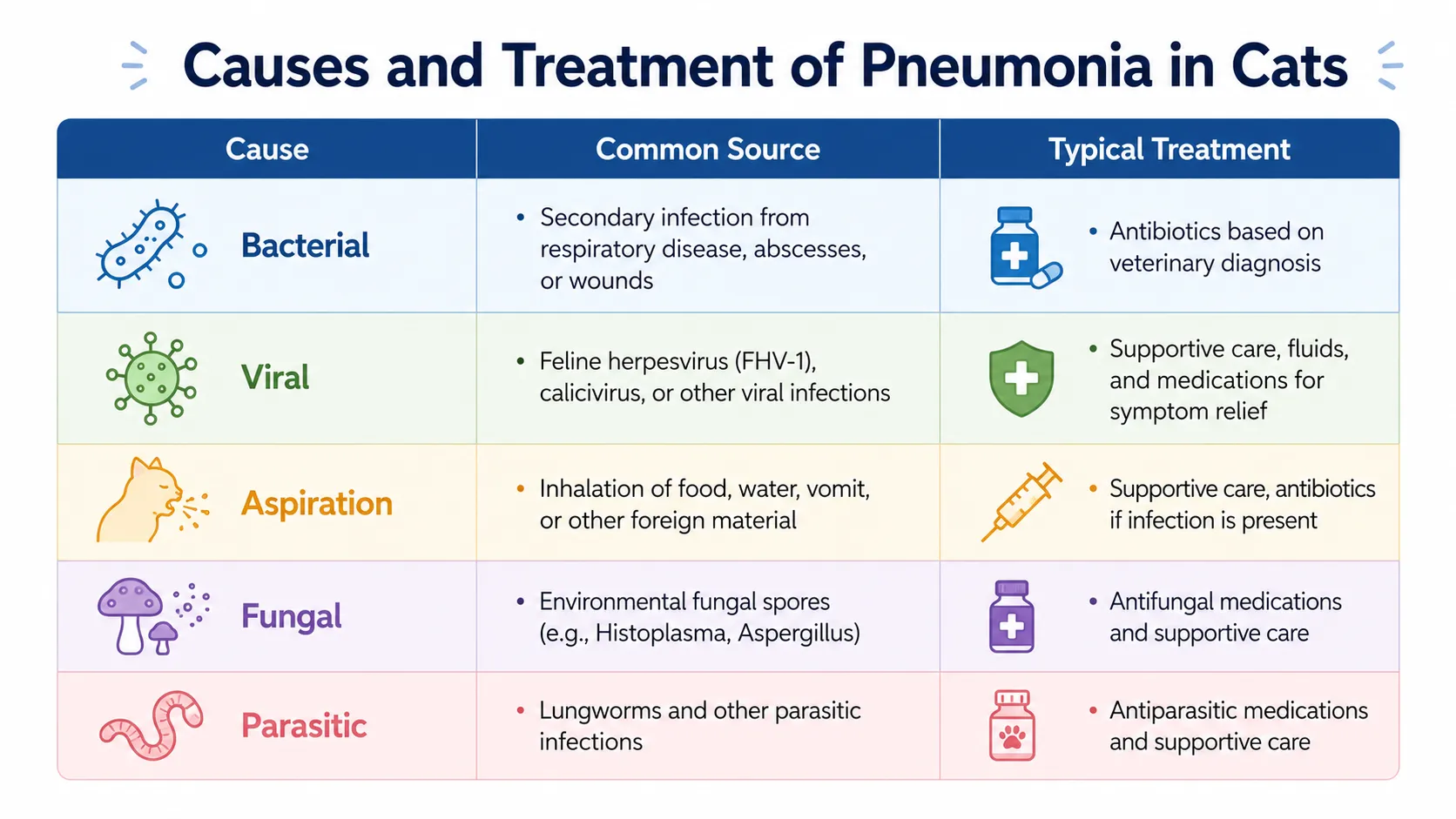
| Cause | Common Source | Typical Treatment |
| Bacterial | Secondary to upper respiratory infection | Antibiotics |
| Viral | Feline herpesvirus, calicivirus | Supportive care |
| Aspiration | Inhaled food, liquid, or vomit | Hospitalization, antibiotics |
| Fungal | Soil, bird droppings | Antifungal therapy |
| Parasitic | Lungworms | Antiparasitic medication |
Recovery Timeline and Prognosis
Mild bacterial or viral pneumonia in otherwise healthy adult cats often improves within one to two weeks of appropriate treatment. Fungal pneumonia typically requires a longer treatment course, sometimes lasting several months, due to the slower nature of fungal infections. Prognosis depends on the cat’s age, overall health, the underlying cause, and how early treatment began. Kittens and senior cats generally require closer monitoring and may take longer to recover fully.
Common Owner Mistakes
- Waiting too long to seek veterinary care, assuming symptoms are “just a cold”
- Attempting home treatment without a confirmed diagnosis
- Stopping prescribed antibiotics early once symptoms improve
- Missing early breathing-difficulty signs, such as increased respiratory rate at rest
- Not monitoring recovering cats closely enough for relapse
In our experience caring for cats recovering from respiratory illness, owners who track breathing rate at home during recovery catch relapses earlier than those who rely on appetite alone as a recovery indicator.
How to Prevent Pneumonia in Cats
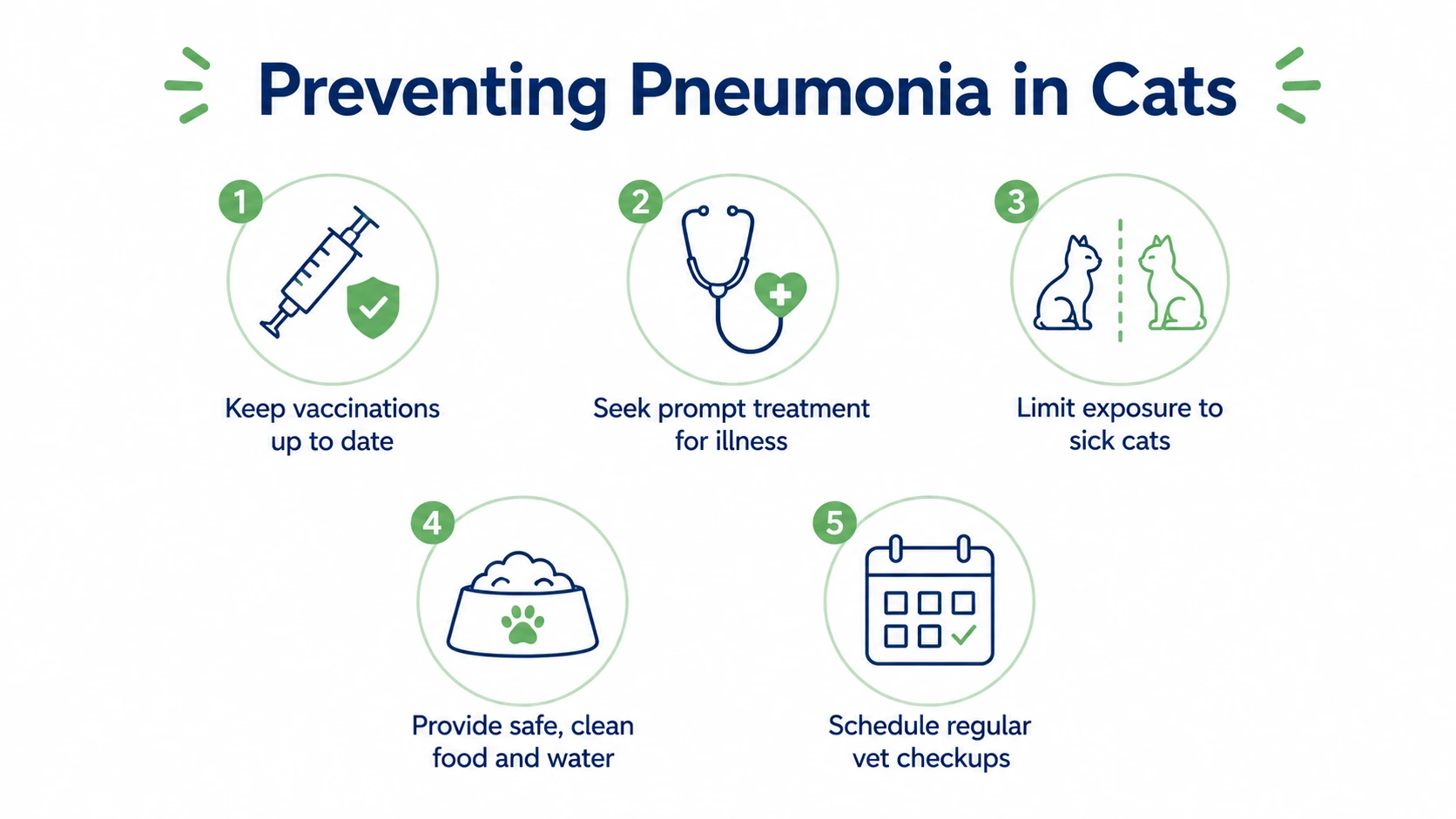
- Keep vaccinations current for feline herpesvirus and calicivirus
- Seek prompt veterinary treatment for any upper respiratory infection
- Limit exposure to sick cats, especially in multi-cat households
- Use careful feeding techniques to reduce aspiration risk, particularly in cats prone to vomiting
- Schedule regular veterinary checkups for kittens, senior cats, and cats with chronic conditions
Routine wellness visits also help catch other early issues, similar to how cat eye infections are best treated early before they worsen.
As of 2026, veterinarians continue to emphasize early intervention for any respiratory symptoms as the most effective way to prevent secondary pneumonia.
Conclusion
Cats get pneumonia primarily through bacterial or viral respiratory infections, aspiration of food or liquid, fungal exposure, or lung parasites, with kittens, senior cats, and immunocompromised cats at greatest risk. Recognizing early symptoms such as coughing, labored breathing, and lethargy allows for faster diagnosis and treatment. While pneumonia in cats is a serious condition, prompt veterinary care combined with appropriate supportive treatment leads to a good outcome in most cases.
For a broader look at feline health and wellness routines, see our complete cat care guide.
FAQ
- How do cats get pneumonia?
Cats get pneumonia through bacterial or viral respiratory infections, inhaling food or liquid into the lungs, fungal exposure, or lung parasites, often as a complication of an untreated upper respiratory infection. - Can cats catch pneumonia from other cats?
Cats cannot catch pneumonia directly, but they can pass feline respiratory viruses like herpesvirus and calicivirus to each other, and these infections can progress into pneumonia in susceptible cats. - Can I give my cat pneumonia if I’m sick?
No, human pneumonia-causing pathogens generally do not infect cats, since most respiratory pathogens are species-specific. - What are the first signs of pneumonia in cats?
Early signs of pneumonia in cats include coughing, faster or more labored breathing, lethargy, reduced appetite, and mild fever. - Can pneumonia in cats be treated at home?
Pneumonia in cats requires veterinary diagnosis and prescribed treatment; supportive home care such as warmth, hydration, and rest can help but cannot replace veterinary-directed medication. - How long does it take a cat to recover from pneumonia?
Mild bacterial or viral pneumonia often improves within one to two weeks with treatment, while fungal pneumonia may take several months to fully resolve.