
Introduction
A senior profile for dogs is a comprehensive diagnostic screening panel designed to evaluate the internal health of aging dogs before obvious symptoms develop. In veterinary medicine, dogs are generally considered seniors at around age 7, although breed size significantly affects aging timelines. Unlike a standard wellness examination that focuses on physical findings, a senior profile combines blood and urine testing to assess organ function, hormone levels, and metabolic health. Current veterinary recommendations emphasize proactive screening because many age-related diseases develop silently for months or years. Early identification allows treatment to begin sooner, often improving both quality of life and long-term outcomes.
Aging-related conditions are just one part of overall canine wellness, and understanding broader dog health problems can help owners recognize risks before symptoms become severe.
Quick Summary
- A senior profile for dogs is a blood and urine test panel that evaluates organ function, hormone levels, and overall health.
- Most veterinarians recommend annual screening beginning around age 7, with earlier testing for large breeds.
- Routine testing can identify hidden diseases before clinical symptoms become visible.
- Conditions such as kidney disease, diabetes, liver disease, and hypothyroidism are commonly detected through screening.
- Early diagnosis often allows simpler, more effective treatment and monitoring.
What Is a Senior Profile for Dogs?
Definition and Purpose
A senior profile for dogs is a collection of diagnostic tests performed together to provide a broad assessment of an aging dog’s internal health. Rather than evaluating a single body system, the profile examines multiple physiological functions at the same time.
Veterinarians use the terms profile, panel, and screen interchangeably. Each refers to a grouped set of laboratory tests designed to identify disease patterns that might not be apparent during a physical examination.
A panel offers greater value than individual tests because many diseases affect several body systems simultaneously. Evaluating multiple results together often provides a more accurate clinical picture than looking at isolated values.
As of 2026, preventive veterinary care increasingly emphasizes routine screening because many chronic diseases are easier to manage when detected early.
Blood glucose testing helps identify diabetes mellitus, a common endocrine disorder in older dogs. Owners can learn more about Diabetes mellitus and its effects on metabolism through this veterinary reference.
What Does a Senior Blood Panel Test For?
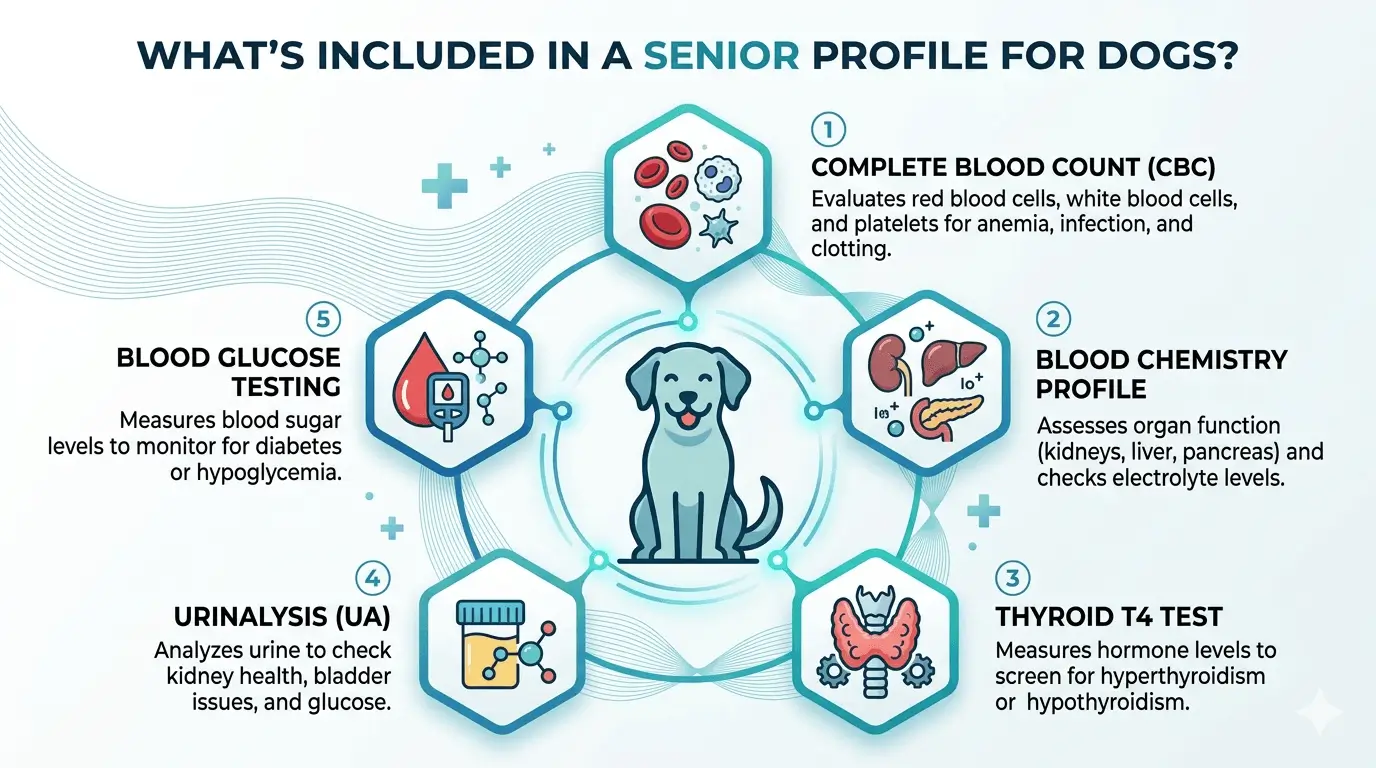
Most senior blood work for dogs includes several core diagnostic components.
| Test Component | Purpose |
| Complete Blood Count (CBC) | Evaluates red blood cells, white blood cells, and platelets |
| Blood Chemistry Panel | Assesses liver, kidney, pancreas, proteins, and electrolytes |
| Thyroid Hormone (T4) | Screens for hypothyroidism |
| Urinalysis | Evaluates kidney function and urinary health |
| Blood Glucose | Screens for diabetes mellitus |
Complete Blood Count (CBC) helps identify anemia, infection, inflammation, clotting abnormalities, and immune-related conditions.
Blood Chemistry Panel evaluates organ function, including the liver, kidneys, pancreas, and electrolyte balance.
Thyroid Testing (T4) is commonly included because hypothyroidism becomes more prevalent as dogs age.
Urinalysis assesses kidney concentrating ability and may reveal infections, protein loss, or metabolic disorders.
Blood Glucose Testing helps identify diabetes mellitus, a common endocrine disorder in older dogs.
These components form the foundation of a typical senior blood panel for dogs, canine senior blood panel, and other forms of senior dog blood tests offered by veterinary practices.
When Should Dogs Have a Senior Profile?
Age and Breed Recommendations
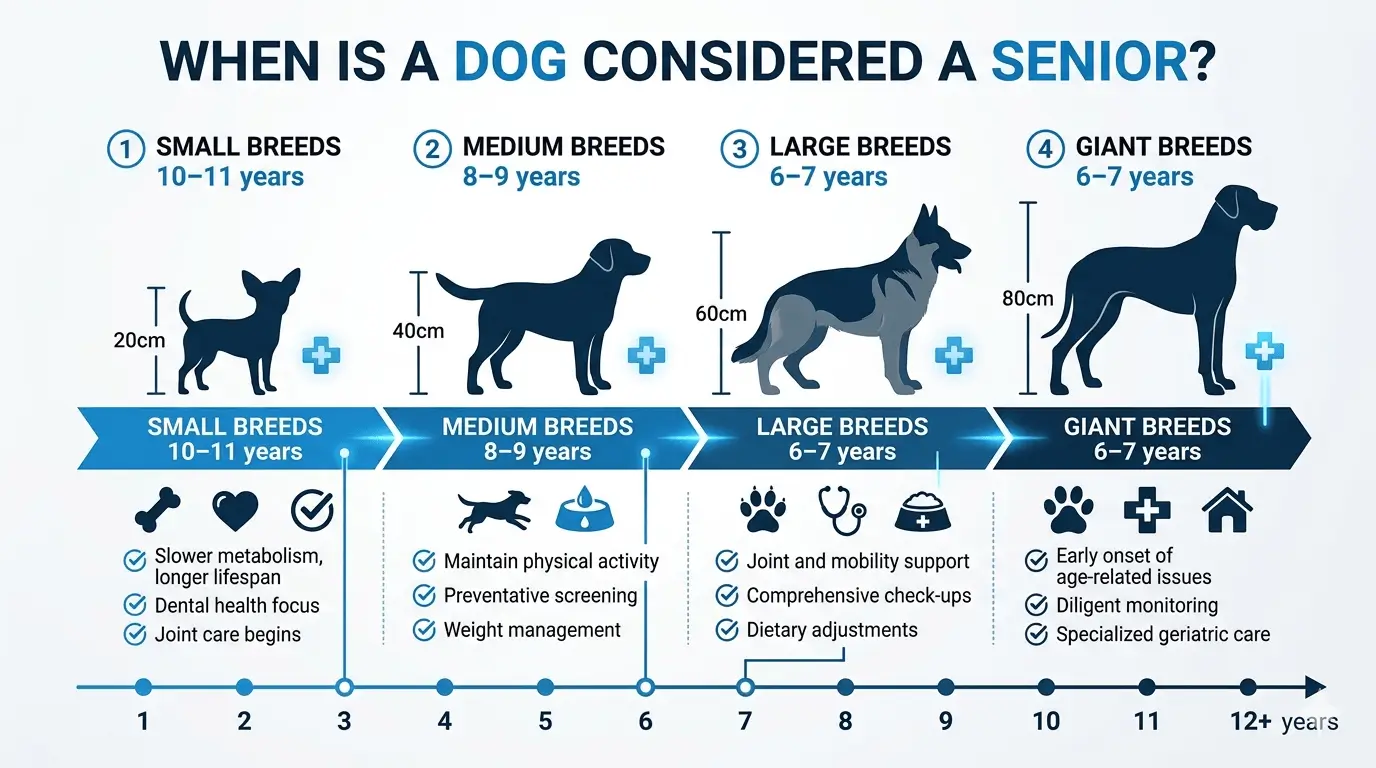
Senior status varies considerably among breeds. Smaller dogs generally age more slowly than larger dogs.
| Breed Size | Approximate Senior Age |
| Small breeds (under 20 lbs) | 10–11 years |
| Medium breeds | 8–9 years |
| Large breeds | 6–7 years |
| Giant breeds | 6–7 years |
Large and giant breeds often experience age-related health changes sooner because their overall lifespan tends to be shorter.
Furry Care Hub recommends discussing baseline senior screening before your dog reaches senior status, particularly for large-breed dogs.
How Often Should Senior Blood Work Be Done?
Most veterinarians recommend annual senior blood work once a dog reaches senior age.
For dogs older than 10 years or those with diagnosed medical conditions, testing every six months is commonly advised.
One major advantage of routine screening is establishing a baseline. Baseline values represent what is normal for an individual dog. Future changes become easier to recognize, even when laboratory values remain technically within reference ranges.
Many pet owners notice that their dogs appear healthy despite developing significant internal changes. Regular screening helps identify these hidden shifts earlier.
What Conditions Can a Senior Profile Detect?
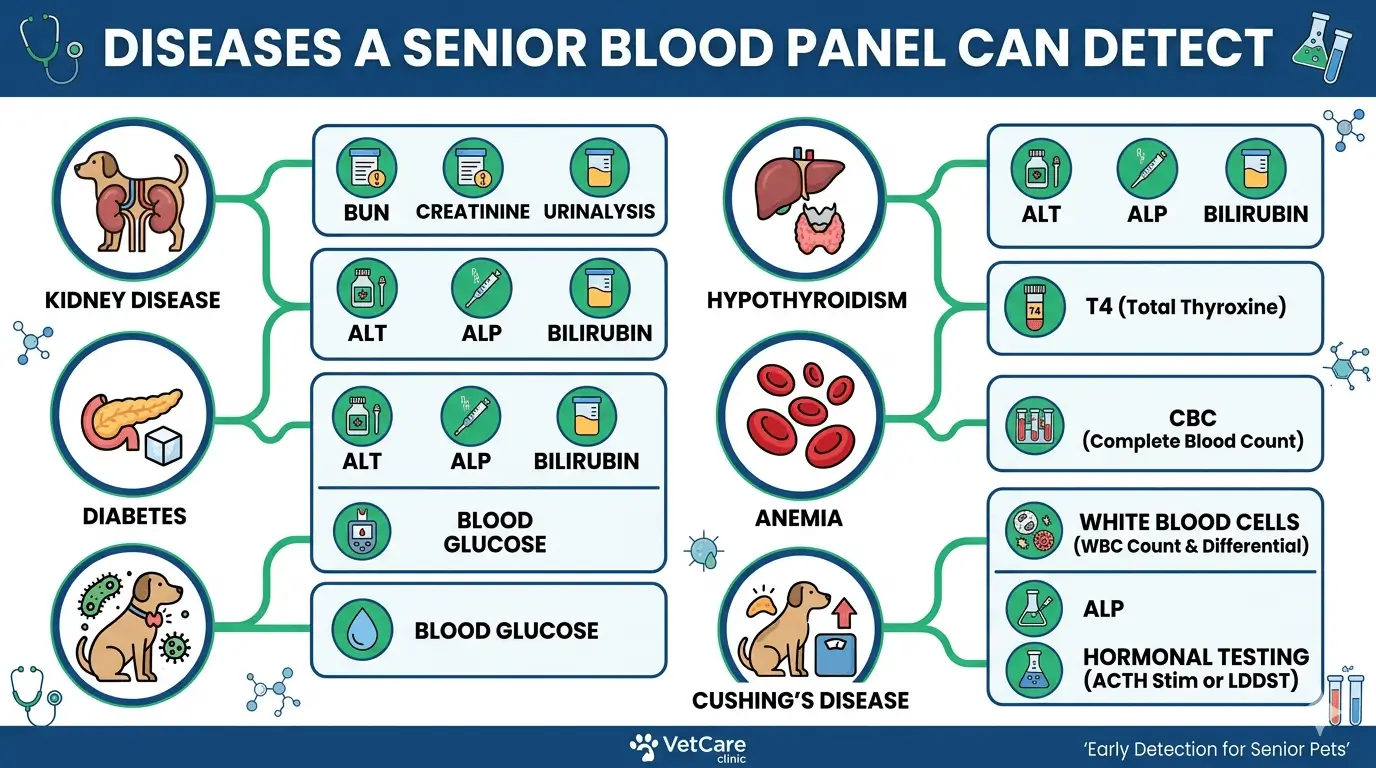
Routine senior screening can detect a wide range of age-related diseases.
| Condition | Test Used | Why It Matters |
| Kidney Disease (CKD) | BUN, Creatinine, Urinalysis | Often asymptomatic until advanced stages |
| Liver Disease | ALT, ALP, Bilirubin | Early intervention may slow progression |
| Hypothyroidism | Total T4 | Highly treatable when detected early |
| Diabetes Mellitus | Glucose, Urinalysis | Requires ongoing management |
| Anemia | CBC | May indicate bleeding, cancer, or immune disease |
| Infection/Inflammation | CBC | Reveals hidden illness |
| Cushing’s Disease | ALP, Additional Hormone Tests | Commonly missed without screening |
Chronic kidney disease is often called a silent disease because symptoms may not become noticeable until substantial kidney function has been lost. Early detection through screening provides a valuable opportunity for dietary and medical intervention.
Thyroid testing is particularly important in breeds predisposed to hypothyroidism, including Golden Retrievers, Cocker Spaniels, and Doberman Pinschers.
Current veterinary guidance emphasizes proactive screening because many chronic diseases produce subtle laboratory abnormalities long before physical symptoms appear.
Many dogs diagnosed through routine screening initially show subtle signs that owners may overlook, such as those discussed in our guide to signs of bladder infection in dogs.
How Is a Senior Blood Panel Performed?
The Collection Process
The appointment typically begins with a physical examination.
Veterinarians assess:
- Body weight
- Body condition score
- Heart and lung function
- Joint mobility
- Lymph nodes
- Eyes and ears
Blood is usually collected from the jugular vein in the neck or the cephalic vein in the front leg.
Urine may be collected through:
- Free-catch sampling
- Catheterization
- Cystocentesis (sterile needle collection)
Many clinics recommend fasting for 8–12 hours before testing to improve the accuracy of chemistry results.
Results may be available within the same day or within 24–48 hours if samples are sent to an external laboratory.
What Is IDEXX and Why Do Vets Use It?
IDEXX Laboratories is one of the largest veterinary diagnostic companies in North America.
Veterinary clinics use IDEXX diagnostic systems in two primary ways:
- In-house analyzers located within the clinic
- Reference laboratory services that process submitted samples
Terms such as IDEXX Senior Profile, IDEXX Senior Screen, and similar branded names generally refer to comprehensive wellness testing packages for aging dogs.
Although panel names vary between providers, most include similar core components:
- CBC
- Chemistry panel
- Thyroid testing
- Urinalysis
IDEXX also offers wellness screening panels for younger pets, including preventive testing programs for adult dogs.
A common mistake is assuming all senior panels are identical. Owners should always ask which specific tests are included in their dog’s screening package.
Understanding Your Dog’s Senior Blood Panel Results
What Does “Normal” Mean in Senior Dogs?
Normal laboratory values are based on population reference ranges rather than individual animals.
A dog may have values slightly outside the reference range and still be healthy. Conversely, a dog may fall within normal limits while developing early disease.
This is why veterinarians focus heavily on trends.
For example, a creatinine value that steadily increases over several years may indicate declining kidney function even before exceeding the laboratory reference interval.
Serial monitoring often provides more meaningful information than a single test result.
For example, abnormal laboratory findings may help explain symptoms such as why is my dog panting while resting, particularly when underlying metabolic or cardiac disease is present.
Common Abnormalities and What They Suggest
- Elevated BUN or creatinine: Kidney stress, kidney disease, or dehydration
- Elevated ALT or ALP: Liver stress, medication effects, liver disease, or endocrine disorders
- Low T4: Hypothyroidism
- Elevated glucose: Diabetes mellitus or stress-related hyperglycemia
- Low red blood cell count: Anemia
- High white blood cell count: Infection, inflammation, or immune stimulation
No laboratory value should be interpreted independently. Clinical signs, physical examination findings, and medical history all contribute to accurate diagnosis.
Senior Profile vs. Standard Blood Work — What’s the Difference?
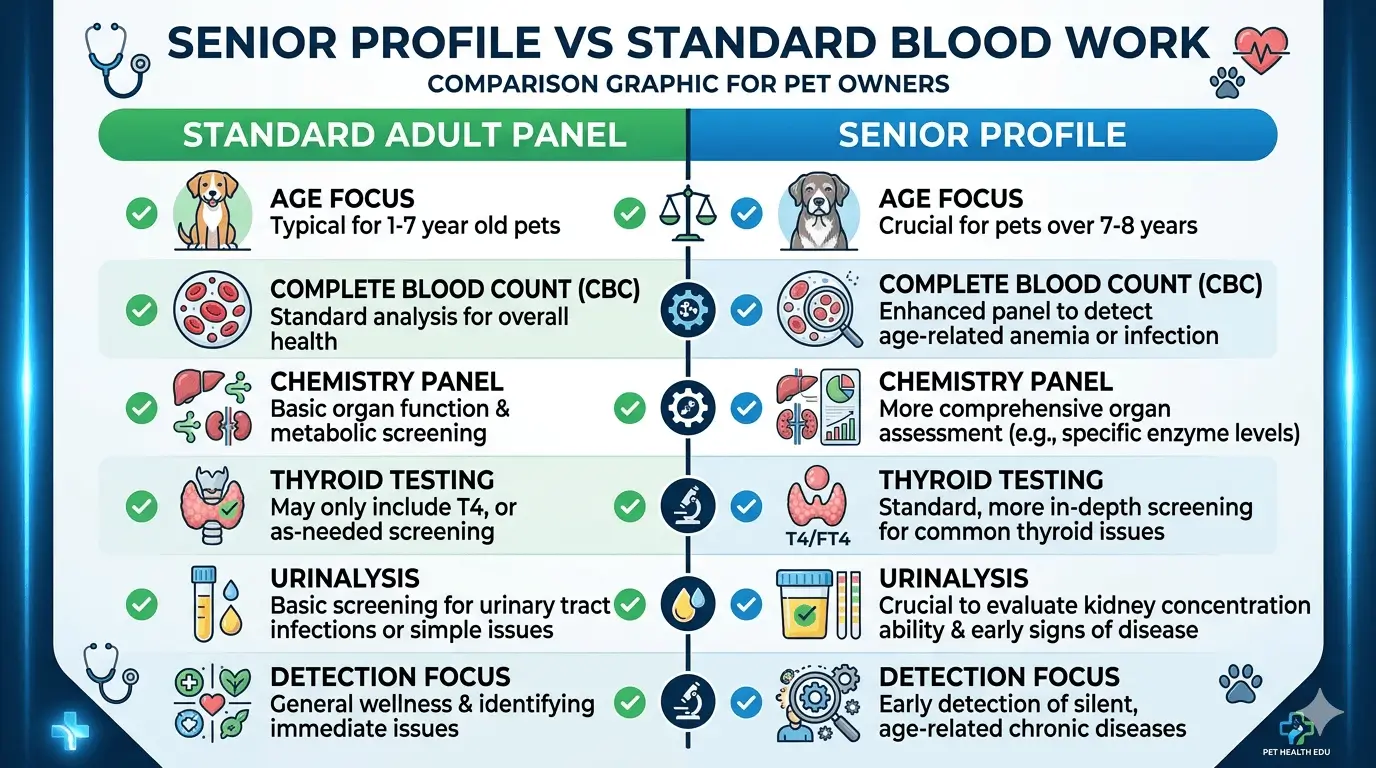
| Feature | Standard Adult Panel | Senior Profile |
| CBC | Yes | Yes |
| Chemistry Panel | Basic | Comprehensive |
| Thyroid (T4) | Not Always Included | Usually Included |
| Urinalysis | Not Always Included | Usually Included |
| Age Focus | Any Adult Dog | 7+ Years |
| Detection Focus | Acute Illness | Early Chronic Disease |
Senior profiles include additional testing because aging bodies experience subtle changes across multiple organ systems.
A comprehensive approach increases the likelihood of detecting chronic disease before symptoms become obvious.
Senior Wellness Exam vs. Senior Blood Panel
A senior wellness examination and a senior blood profile serve different but complementary purposes.
The wellness examination evaluates:
- Weight changes
- Muscle condition
- Joint mobility
- Heart function
- Dental health
- Eye health
- Lymph nodes
The senior blood profile evaluates:
- Organ function
- Hormone levels
- Blood cell health
- Metabolic function
- Urinary health
In simple terms, the physical examination identifies what can be seen and felt, while laboratory testing reveals what cannot.
Most comprehensive senior wellness visits include both.
Common Mistakes Dog Owners Make With Senior Blood Work
Several common mistakes can reduce the effectiveness of preventive screening.
- Waiting for symptoms before scheduling testing
- Skipping screening because the dog appears healthy
- Failing to establish baseline values before senior years
- Ignoring gradual trends in laboratory results
- Assuming all senior profiles contain the same tests
In our experience caring for aging dogs, many metabolic diseases show few or no obvious symptoms during their earliest stages.
Early screening remains one of the most effective preventive healthcare tools available.
A common mistake is waiting until obvious symptoms appear, such as unexplained weight loss; owners concerned about body condition can learn more about how to tell if a dog is overweight and why baseline health monitoring matters.
What Happens After an Abnormal Result?
Next Steps When Values Are Outside the Normal Range
An abnormal result is not a diagnosis.
Instead, it serves as a signal that additional investigation may be needed.
Typical follow-up steps include:
- Repeat testing to confirm results
- Additional laboratory testing
- Imaging such as radiographs or ultrasound
- Hormonal testing
- Specialist referral when appropriate
- Development of a treatment plan
In some cases, abnormal screening results may uncover conditions requiring advanced diagnostics or surgery, such as those discussed in our guide to heart murmur in dogs.
Many conditions identified through screening have excellent outcomes when addressed early.
Abnormal blood work may sometimes lead veterinarians to investigate cardiac concerns using tests such as a dog EKG when rhythm abnormalities or heart disease are suspected.
Monitoring Known Conditions Through Repeat Panels
Dogs diagnosed with chronic conditions often undergo repeat testing throughout their lives.
Common examples include:
- Chronic kidney disease
- Hypothyroidism
- Liver disease
- Diabetes mellitus
Serial monitoring helps veterinarians assess treatment response, adjust medications, and track disease progression.
Current best practices emphasize ongoing monitoring rather than relying solely on initial diagnostic results.
Breed-Specific Considerations for Senior Blood Work
Certain breeds have elevated risk for specific health conditions.
| Breed | Conditions of Interest |
| Large and Giant Breeds | Hypothyroidism, inflammatory conditions |
| Miniature Schnauzers | Hyperlipidemia |
| Cocker Spaniels | Liver disease, hypothyroidism |
| Golden Retrievers | Hypothyroidism, cancer surveillance |
| Boxers | Cancer surveillance |
| Dachshunds | Adrenal disorders |
Breed-specific risk factors can influence how veterinarians interpret laboratory findings and prioritize follow-up testing.
This individualized approach helps improve diagnostic accuracy.
Certain breeds may also face orthopedic challenges as they age, and conditions such as signs of luxating patella in dogs can become part of a comprehensive senior health assessment.
Preparing Your Dog for a Senior Blood Panel
Proper preparation can improve testing accuracy.
Before the appointment:
- Confirm whether fasting is required
- Follow fasting instructions carefully, usually 8–12 hours
- Bring a list of medications and supplements
- Inform the veterinarian about recent illnesses
- Bring previous laboratory records if available
Maintaining good preventive care habits before senior years—including regular wellness visits and monitoring for signs of upset stomach in dogs—can provide useful health history for your veterinarian.
To help reduce stress:
- Exercise your dog lightly before the visit
- Bring familiar treats if allowed
- Use calm handling techniques
- Arrive early to avoid rushing
Many pet owners find that maintaining a calm environment significantly improves the overall experience.
Conclusion — Why a Senior Profile for Dogs Is One of the Best Investments in Your Dog’s Health
A senior profile for dogs is one of the most valuable preventive healthcare tools available for aging pets. Unlike reactive testing performed after symptoms appear, senior screening helps identify disease before noticeable health changes occur. Kidney disease, hypothyroidism, diabetes, liver disorders, and other chronic conditions often develop silently for months or years.
When combined with regular wellness examinations, routine senior blood work gives veterinarians the information needed to detect subtle changes early, monitor health trends, and create effective treatment plans. As dogs age, proactive screening becomes increasingly important.
The most important takeaway is simple: regular senior blood work is the single most effective tool for detecting silent disease in aging dogs and supporting a longer, healthier quality of life.
Frequently Asked Questions
What is included in a senior profile for dogs?
A senior profile typically includes a complete blood count (CBC), a comprehensive blood chemistry panel, thyroid hormone testing (T4), and a urinalysis. Some veterinary clinics may also include blood pressure measurement, fecal testing, or additional endocrine screening depending on the dog’s age and risk factors.
At what age should a dog start getting senior blood work?
Most veterinarians recommend beginning senior screening around age 7 for average-sized dogs. Large and giant breeds often begin screening around age 6 because they age more rapidly and may develop age-related conditions earlier.
How is a senior profile different from regular blood work?
A senior profile is more comprehensive than standard adult blood work. It typically includes thyroid testing and urinalysis and focuses on identifying chronic diseases commonly seen in aging dogs rather than only investigating acute illness.
Can a senior blood panel detect cancer in dogs?
A standard senior panel cannot directly diagnose cancer. However, it can identify abnormalities such as anemia, elevated calcium, abnormal white blood cell counts, or liver enzyme changes that may prompt further diagnostic investigation.
How long does it take to get results from a senior blood panel?
Results from in-house laboratory analyzers are often available within 30–60 minutes. Samples sent to external reference laboratories generally return results within 24–48 hours.
Should my senior dog fast before blood work?
Most veterinarians recommend fasting for 8–12 hours before blood collection, particularly when chemistry testing includes glucose, triglycerides, or pancreatic markers. Always follow your veterinarian’s specific instructions.
How often should a senior dog have a blood panel?
Annual testing is generally recommended for dogs between 7 and 10 years of age. Dogs older than 10 years or those with chronic medical conditions are frequently tested every six months to monitor health changes more closely.




2 Responses